


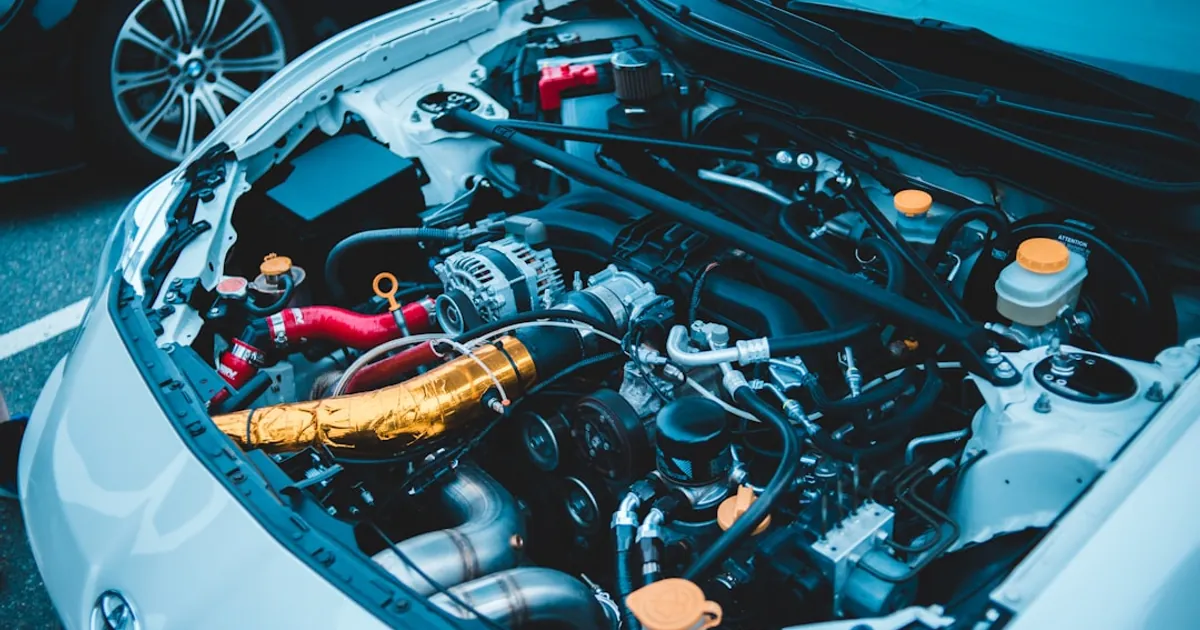
Learning how to maintain a car for beginners isn’t just about saving money—it’s about gaining confidence behind the wheel and extending your vehicle’s lifespan. Whether you’ve just bought your first car or want to stop relying on mechanics for basic upkeep, this guide will walk you through every essential step. From checking fluids to understanding warning lights, you’ll discover that car maintenance is simpler than it seems. The key is consistency: small, regular checks prevent costly repairs down the road. By the end, you’ll know exactly what to do, when to do it, and why it matters.
What Is Basic Car Maintenance?
Basic car maintenance for beginners involves routine checks and simple tasks that keep your vehicle running smoothly and safely. It includes monitoring fluid levels, inspecting tires, replacing filters, and addressing minor issues before they escalate. Think of it like a health checkup for your car—skipping it risks breakdowns, poor fuel efficiency, and even safety hazards. The good news? Most tasks require no special tools or expertise, just a little time and attention.
For example, topping off engine oil or checking tire pressure takes less than 10 minutes but can save you hundreds in repairs. Many beginners assume maintenance is complicated, but manufacturers design cars to be user-friendly. Your owner’s manual is your best friend—it outlines exactly what your car needs and when. Start with the basics, and you’ll build a foundation for more advanced care later.
Why Maintenance Matters More Than You Think

Neglecting car maintenance doesn’t just hurt your wallet—it affects performance, safety, and resale value. A well-maintained car burns fuel more efficiently, handles better in emergencies, and lasts years longer. According to the Consumer Reports, regular maintenance can improve fuel economy by up to 4%. That’s like getting free gas for life.
Safety is another critical factor. Worn brake pads or bald tires increase stopping distances, putting you and others at risk. Even something as simple as a dirty air filter can reduce engine power, making acceleration sluggish. By staying on top of maintenance, you’re not just protecting your car—you’re protecting yourself and your passengers.
How Often Should You Perform Basic Checks?
Frequency depends on your car’s age, mileage, and driving conditions. For most beginners, a monthly checkup is ideal. This includes inspecting tires, fluids, and lights. Every 3,000–5,000 miles, focus on oil changes, filter replacements, and battery health. Harsh climates—like extreme heat or cold—may require more frequent attention. For example, cold weather thickens engine oil, so switching to a thinner viscosity in winter can prevent startup issues.
Your owner’s manual provides a maintenance schedule tailored to your vehicle. Follow it religiously, and you’ll avoid 90% of common problems. If you’re unsure, err on the side of caution. A quick inspection today could prevent a breakdown tomorrow.
Step 1: Check and Top Off Essential Fluids
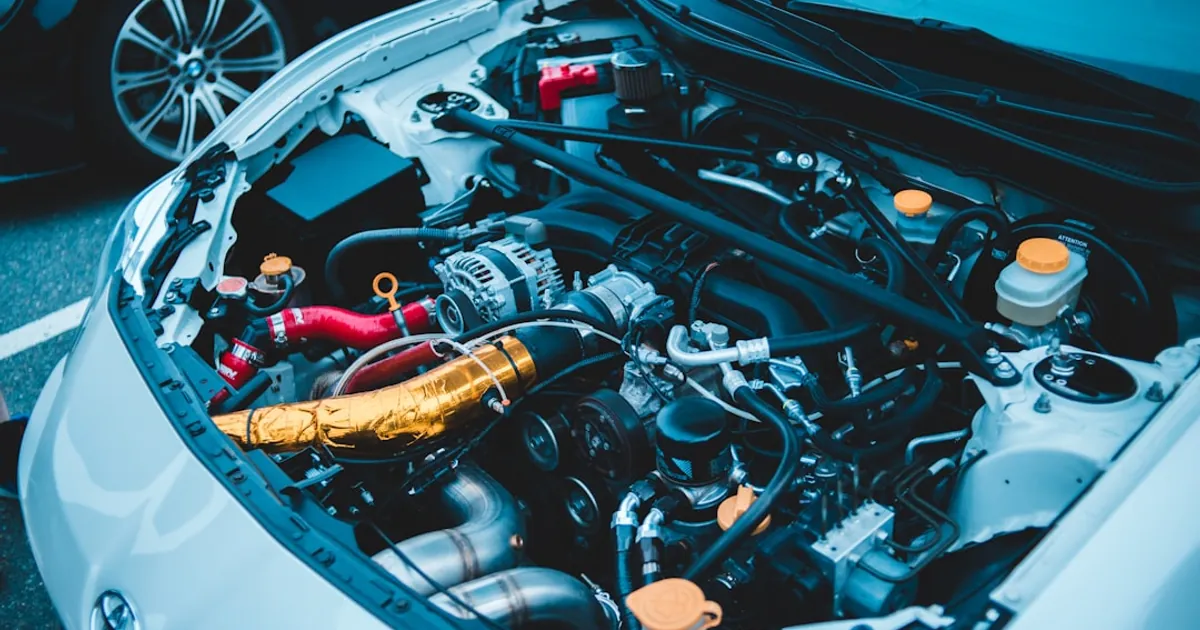
Fluids are the lifeblood of your car. They lubricate, cool, and clean critical components, so keeping them at proper levels is non-negotiable. Most beginners overlook this step, but it’s one of the easiest ways to prevent engine damage. Start with these five fluids: engine oil, coolant, brake fluid, power steering fluid, and windshield washer fluid. Each plays a unique role, and neglecting any can lead to costly repairs.
To check fluids, park on level ground and let the engine cool. Locate the dipsticks or reservoirs under the hood—your manual will show you where. Wipe the dipstick clean, reinsert it, then pull it out again to check the level. If it’s low, top it off with the recommended fluid type. Never mix different brands or types, as this can cause sludge or corrosion.
How to Check Engine Oil Like a Pro
Engine oil is the most critical fluid in your car. It lubricates moving parts, reduces friction, and prevents overheating. To check it, park on a flat surface and wait 5–10 minutes after turning off the engine. This allows the oil to settle in the pan. Pull the dipstick, wipe it with a rag, then reinsert it fully. When you pull it out again, the oil should be between the “min” and “max” marks. If it’s low, add the correct oil type (e.g., 5W-30) in small increments, checking the level frequently.
Dark, gritty oil means it’s time for a change. Fresh oil is amber and translucent. If you’re unsure, use the “paper test”: dab a drop on a paper towel. If it spreads into a light, even circle, it’s still good. If it’s dark and thick, schedule an oil change immediately.
Coolant and Brake Fluid: What You Need to Know
Coolant (or antifreeze) prevents your engine from overheating or freezing. Check the reservoir—usually a translucent tank with “min” and “max” lines. If the level is low, top it off with a 50/50 mix of coolant and distilled water. Never use tap water, as minerals can cause corrosion. Brake fluid, found in a small reservoir near the firewall, should be clear or light yellow. Dark fluid indicates contamination and requires a flush.
Both fluids degrade over time, so follow your manual’s replacement schedule. Coolant typically lasts 2–5 years, while brake fluid should be changed every 2 years. Skipping this can lead to brake failure or engine damage—neither of which you want to experience on the road.
Step 2: Inspect and Maintain Your Tires
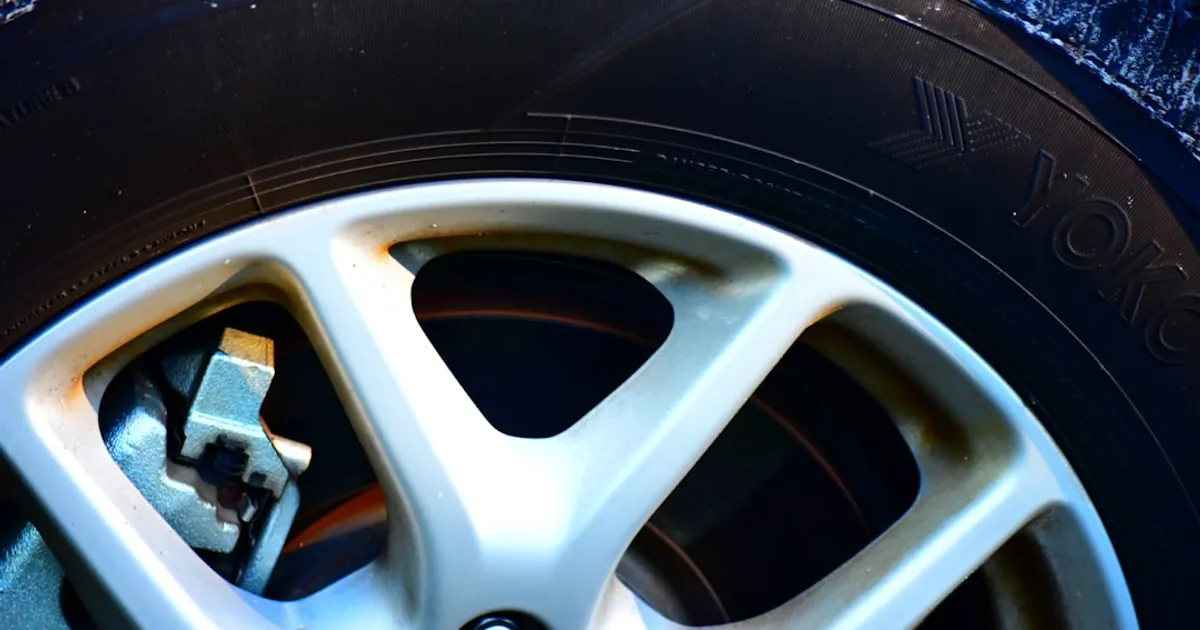
Tires are the only part of your car that touches the road, so their condition directly impacts safety, handling, and fuel efficiency. Many beginners ignore tires until they go flat, but regular inspections can prevent blowouts and improve gas mileage. Start with these three checks: pressure, tread depth, and overall condition. Each takes less than 5 minutes but can save you from a dangerous situation.
Underinflated tires wear out faster and reduce fuel economy by up to 3%. Overinflated tires, on the other hand, reduce traction and increase the risk of a blowout. Use a digital tire gauge to check pressure when the tires are cold (before driving). Compare the reading to the PSI listed in your manual or on the driver’s side door jamb. Don’t rely on the “eyeball test”—even slightly low tires can be dangerous.
How to Check Tire Tread Depth
Tread depth determines how well your tires grip the road, especially in wet conditions. The legal minimum is 2/32 of an inch, but experts recommend replacing tires at 4/32 for safety. To check, use the “penny test”: insert a penny into the tread with Lincoln’s head upside down. If you can see the top of his head, your tread is too low. For a more precise measurement, use a tread depth gauge, available for under $10 at auto parts stores.
Uneven wear—like bald spots or feathering—indicates alignment or suspension issues. If you notice this, visit a mechanic. Rotating your tires every 5,000–7,000 miles ensures even wear and extends their lifespan. It’s a simple task that pays off in the long run.
When to Replace Your Tires
Even with proper maintenance, tires don’t last forever. Most wear out after 50,000–60,000 miles, but climate and driving habits play a role. Hot weather and rough roads accelerate wear, while gentle driving and regular rotations can add thousands of miles. Signs it’s time for new tires include cracks in the sidewall, bulges, or frequent flats. If you’re unsure, ask a mechanic to inspect them during your next oil change.
Investing in quality tires is worth it. Cheap tires may save money upfront, but they wear out faster and perform poorly in emergencies. Look for brands with good wet-weather ratings and long treadwear warranties. Your safety is worth the extra cost.
Step 3: Replace Air Filters for Better Performance
Air filters might seem insignificant, but they play a huge role in your car’s performance. The engine air filter prevents dirt and debris from entering the engine, while the cabin air filter keeps the air inside your car clean. A clogged filter restricts airflow, reducing fuel efficiency and engine power. Replacing them is one of the easiest and cheapest maintenance tasks you can do.
Most filters cost $10–$30 and take less than 10 minutes to replace. Your manual will specify the replacement interval, but a good rule of thumb is every 15,000–30,000 miles. If you drive in dusty areas or heavy traffic, check them more often. A quick visual inspection tells you everything you need to know: if the filter is dark and dirty, it’s time for a new one.
How to Replace an Engine Air Filter
Locate the air filter housing—usually a black plastic box near the engine. Release the clips or screws holding it closed, then lift the lid. Remove the old filter and inspect it. If it’s caked with dirt, replace it with a new one of the same size and type. Make sure the new filter sits snugly in the housing, then reattach the lid. That’s it—no tools required for most cars.
Some filters are reusable and can be cleaned with compressed air. Check your manual to see if yours is washable. If not, stick to disposable filters. They’re inexpensive and ensure optimal airflow.
Cabin Air Filter: Why It Matters

The cabin air filter traps pollen, dust, and pollutants before they enter your car’s interior. A dirty filter reduces airflow from the vents, making your AC or heater work harder. It can also cause musty odors. Replacing it is just as easy as the engine filter: locate the housing (usually behind the glove box or under the dashboard), remove the old filter, and slide in a new one.
If you suffer from allergies or drive in polluted areas, consider upgrading to a high-efficiency filter. These capture smaller particles, improving air quality inside your car. It’s a small change with big benefits for your health and comfort.
Step 4: Monitor and Maintain Your Battery
Your car’s battery is its electrical heart. Without it, nothing works—not the engine, lights, or even the radio. Yet most beginners ignore the battery until it dies. A dead battery is inconvenient, but a failing one can leave you stranded. Regular checks can prevent this and extend your battery’s life, which typically lasts 3–5 years.
Start by inspecting the battery terminals for corrosion—white, powdery buildup that prevents a good connection. If you see it, clean the terminals with a mixture of baking soda and water, then rinse with clean water. Dry them thoroughly and apply a thin layer of petroleum jelly to prevent future corrosion. Also, check the battery’s age. Most have a date code stamped on the case. If yours is over 4 years old, have it tested at an auto parts store.
How to Jump-Start a Dead Battery
Even with maintenance, batteries can die unexpectedly. Knowing how to jump-start your car is a must. You’ll need jumper cables and another vehicle with a working battery. Park the cars close enough for the cables to reach, but don’t let them touch. Turn off both engines and connect the cables in this order: red clamp to the dead battery’s positive (+) terminal, red clamp to the good battery’s positive terminal, black clamp to the good battery’s negative (-) terminal, and finally, black clamp to an unpainted metal surface on the dead car (like a bolt).
Start the working car and let it run for a few minutes, then try starting your car. If it doesn’t start, wait a few more minutes and try again. Once it starts, drive for at least 15 minutes to recharge the battery. If it dies again, you may need a new battery or alternator.
Signs Your Battery Is Failing
Batteries don’t always die suddenly. Often, they give warning signs. If your car struggles to start, the lights dim when idling, or you hear a clicking sound when turning the key, your battery may be weak. Other red flags include a swollen battery case or a rotten egg smell (indicating a leak). If you notice any of these, have your battery tested. Most auto parts stores offer free testing and can tell you if it’s time for a replacement.
Extreme temperatures—hot or cold—shorten battery life. If you live in a harsh climate, consider a battery with a higher cold-cranking amp (CCA) rating. It’s a small investment that pays off in reliability.
Step 5: Understand and Respond to Warning Lights
Modern cars are packed with sensors that monitor everything from engine performance to tire pressure. When something’s wrong, a warning light illuminates on your dashboard. Many beginners ignore these lights, assuming they’re false alarms. But ignoring them can lead to serious damage. Learning what each light means—and how to respond—can save you from costly repairs.
The most common warning lights include the check engine light, oil pressure light, battery light, and tire pressure monitoring system (TPMS) light. Each signals a different issue, from minor (like a loose gas cap) to severe (like low oil pressure). Your owner’s manual explains what each light means for your specific car. If a light comes on, don’t panic. Check your manual first, then take action based on the severity.
What to Do When the Check Engine Light Comes On
The check engine light is the most misunderstood warning. It can indicate anything from a loose gas cap to a failing catalytic converter. If the light is steady, the issue is likely minor. If it’s flashing, pull over immediately—this signals a severe problem that could damage your engine. In either case, use an OBD-II scanner (available for $20–$50) to read the trouble code. This tells you exactly what’s wrong.
Common causes include a faulty oxygen sensor, spark plugs, or mass airflow sensor. While some issues require a mechanic, others—like a loose gas cap—are easy to fix yourself. If you’re unsure, visit an auto parts store. Many offer free code readings and can point you in the right direction.
Other Critical Warning Lights to Watch For
The oil pressure light looks like an oil can and means your engine isn’t getting enough oil. If this comes on, pull over immediately and check the oil level. If it’s low, add oil and see if the light turns off. If not, don’t drive the car—you risk severe engine damage. The battery light indicates a charging issue. It could be a bad alternator, loose belt, or failing battery. Have it checked as soon as possible.
The TPMS light means one or more tires are underinflated. Check your tire pressure and inflate them to the recommended PSI. If the light stays on, you may have a puncture or a faulty sensor. Addressing these lights promptly keeps your car running smoothly and prevents bigger problems down the road.
Step 6: Keep Your Car Clean Inside and Out
Washing your car isn’t just about aesthetics—it protects the paint, prevents rust, and maintains resale value. Dirt, bird droppings, and road salt can eat away at the clear coat, leading to corrosion. Inside, dust and debris can clog vents, stain upholstery, and even affect air quality. Regular cleaning isn’t a luxury; it’s a necessity for long-term car care.
Start with the exterior. Wash your car every two weeks, or more often if you drive in harsh conditions. Use a pH-balanced car shampoo and a microfiber wash mitt to avoid scratches. Rinse thoroughly to remove all soap, then dry with a clean microfiber towel. Waxing every 3–6 months adds an extra layer of protection against UV rays and contaminants. For the interior, vacuum weekly and wipe down surfaces with a mild cleaner. Don’t forget the windows—streaks reduce visibility and can be dangerous at night.
How to Wash Your Car Without Damaging the Paint
Many beginners make mistakes that damage their car’s paint. Avoid using dish soap—it strips wax and dries out rubber seals. Instead, use a dedicated car shampoo. Wash in the shade to prevent water spots, and work from the top down to avoid dragging dirt across the paint. Use separate buckets for washing and rinsing to keep grit out of your wash mitt. After washing, apply a quick detailer spray to restore shine and protect the paint between waxes.
For tough stains like bird droppings or tree sap, use a dedicated cleaner. Don’t scrub—this can scratch the paint. Instead, let the cleaner sit for a few minutes, then wipe gently with a microfiber cloth. If you’re unsure, visit a professional detailer. They have the tools and expertise to clean your car safely.
Interior Cleaning Tips for Beginners
A clean interior isn’t just about looks—it’s about health and comfort. Start by removing trash and clutter. Vacuum the seats, floor mats, and crevices to remove dust and debris. Use a crevice tool to reach tight spaces. For stains, use a fabric cleaner for upholstery and a leather conditioner for leather seats. Wipe down the dashboard, door panels, and console with a microfiber cloth and a mild cleaner. Avoid silicone-based products—they can leave a greasy residue.
Don’t forget the windows. Use a glass cleaner and a microfiber cloth to avoid streaks. For a deeper clean, remove the floor mats and wash them separately. If your car has a foul odor, sprinkle baking soda on the carpets, let it sit for 15 minutes, then vacuum it up. Regular cleaning keeps your car looking and smelling fresh.
Key Takeaways
- Check and top off fluids monthly to prevent engine damage and improve performance.
- Inspect tires for pressure, tread depth, and damage to ensure safety and fuel efficiency.
- Replace air filters every 15,000–30,000 miles to maintain engine power and air quality.
- Monitor your battery’s health and clean terminals to avoid unexpected breakdowns.
- Never ignore warning lights—address them promptly to prevent costly repairs.
- Wash and wax your car regularly to protect the paint and prevent rust.
- Clean the interior weekly to maintain comfort, health, and resale value.
- Follow your owner’s manual for maintenance schedules tailored to your vehicle.
“A well-maintained car is a reliable car. The small effort you put into regular checks pays off in performance, safety, and longevity. Don’t wait for problems to arise—prevent them before they start.”
—John Davis, Host of MotorWeek and ASE-Certified Master Technician
Frequently Asked Questions
How often should I change my car’s oil?
Most modern cars can go 5,000–7,500 miles between oil changes, but check your owner’s manual for the manufacturer’s recommendation. If you drive in extreme conditions—like stop-and-go traffic or dusty roads—change it more frequently. Synthetic oil lasts longer than conventional oil, so if your car uses it, you may extend the interval to 10,000 miles. Always use the oil type specified in your manual.
What’s the easiest way to extend my car’s lifespan?
The simplest way to extend your car’s life is to follow the maintenance schedule in your owner’s manual. This includes regular oil changes, fluid checks, and tire rotations. Also, drive gently—avoid rapid acceleration, hard braking, and excessive idling. These habits reduce wear and tear on your engine and transmission. Finally, address minor issues promptly. A small problem today can become a major repair tomorrow.
Can I perform basic maintenance myself, or should I visit a mechanic?
Many basic maintenance tasks—like checking fluids, replacing air filters, and inspecting tires—are easy to do yourself. These require no special tools and take less than 30 minutes. However, if you’re uncomfortable or unsure, visit a mechanic. Some tasks, like brake pad replacement or timing belt changes, are best left to professionals. The key is knowing your limits. Start with simple tasks, and as you gain confidence, tackle more advanced ones.
How do I know if my brakes need replacing?
Listen for squealing or grinding noises when braking—these are common signs of worn brake pads. You may also notice a longer stopping distance or a pulsating brake pedal. If you see deep grooves in the rotors or the brake pad thickness is less than 1/4 inch, it’s time for new pads. Some cars have wear indicators that squeal when the pads are thin. If you’re unsure, have a mechanic inspect them. Brakes are critical for safety, so don’t delay.
What should I keep in my car for emergencies?
An emergency kit can be a lifesaver. Include a first-aid kit, jumper cables, a flashlight, a tire pressure gauge, and a portable tire inflator. Add a blanket, bottled water, non-perishable snacks, and a basic toolkit. In winter, include an ice scraper, cat litter (for traction), and a shovel. A portable phone charger and a list of emergency contacts are also smart additions. Check your kit every six months to replace expired items.
Is it worth investing in premium gas?
Unless your car’s manual specifies premium gas, you’re likely wasting money. Most cars run perfectly fine on regular unleaded. Premium gas has a higher octane rating, which prevents engine knocking in high-performance engines. If your car doesn’t require it, you won’t see any benefits. However, if your manual recommends premium, use it. Skipping it can reduce performance and fuel economy.
How can I improve my car’s fuel efficiency?
Improving fuel efficiency starts with maintenance. Keep your tires properly inflated, change the air filter regularly, and use the recommended motor oil. Drive smoothly—avoid rapid acceleration and hard braking. Remove excess weight from your car, and avoid idling for long periods. Using cruise control on highways can also help. Finally, plan your trips to avoid traffic and combine errands. Small changes add up to big savings at the pump.
Owning a car is a big responsibility, but maintaining it doesn’t have to be overwhelming. Start with the basics—fluids, tires, and filters—and build from there. The more you learn, the more confident you’ll become. Remember, every minute you spend on maintenance today saves you hours of frustration and hundreds of dollars tomorrow. So grab your owner’s manual, pop the hood, and get started. Your car—and your wallet—will thank you.