


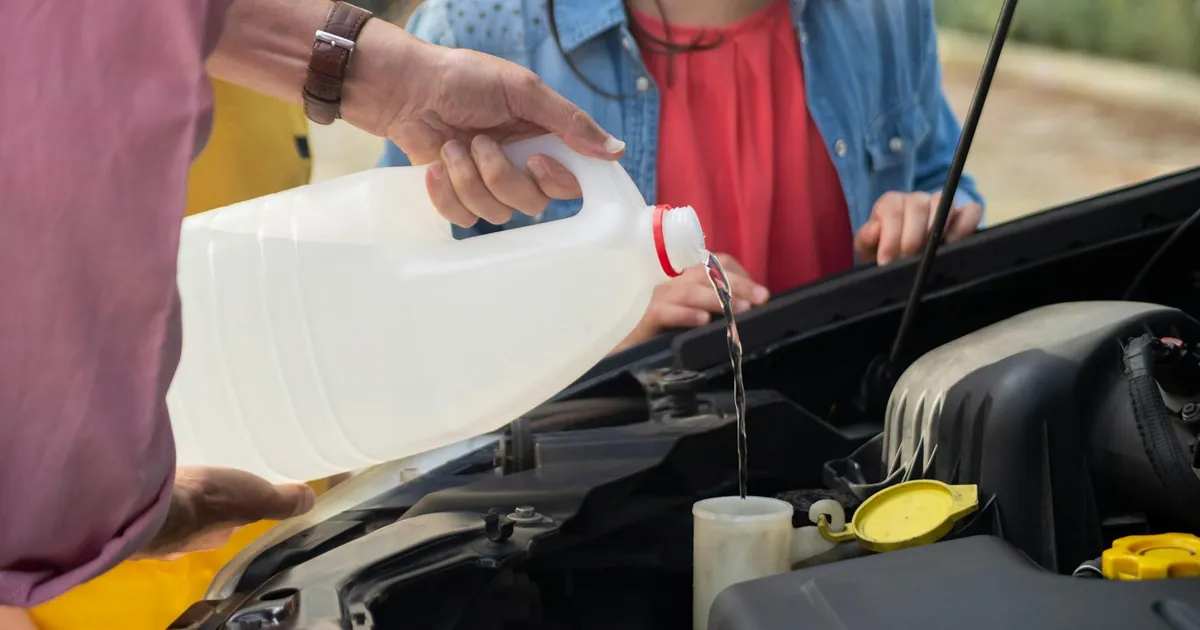
Ensuring your vehicle’s engine enjoys a long and healthy life doesn’t require a mechanics degree, but rather a commitment to consistent, fundamental car care. Little actions, performed diligently, can stave off premature wear and tear, preventing costly repairs down the road and keeping your car running smoothly for years to come. Think of your engine as the heart of your automobile; just as a healthy lifestyle supports human longevity, a proactive approach to its maintenance underpins its enduring performance. This guide delves into the essential, often overlooked, practices that contribute significantly to extending your engine’s lifespan, from understanding the vital role of lubricants to recognizing the subtle whispers your car might be sending you about its well-being, hinting at deeper issues that might require a check. Ignoring these basics is like skipping your annual physical – it might seem fine now, but the consequences can be far more severe later.
Understand Engine Oil: The Lifeblood
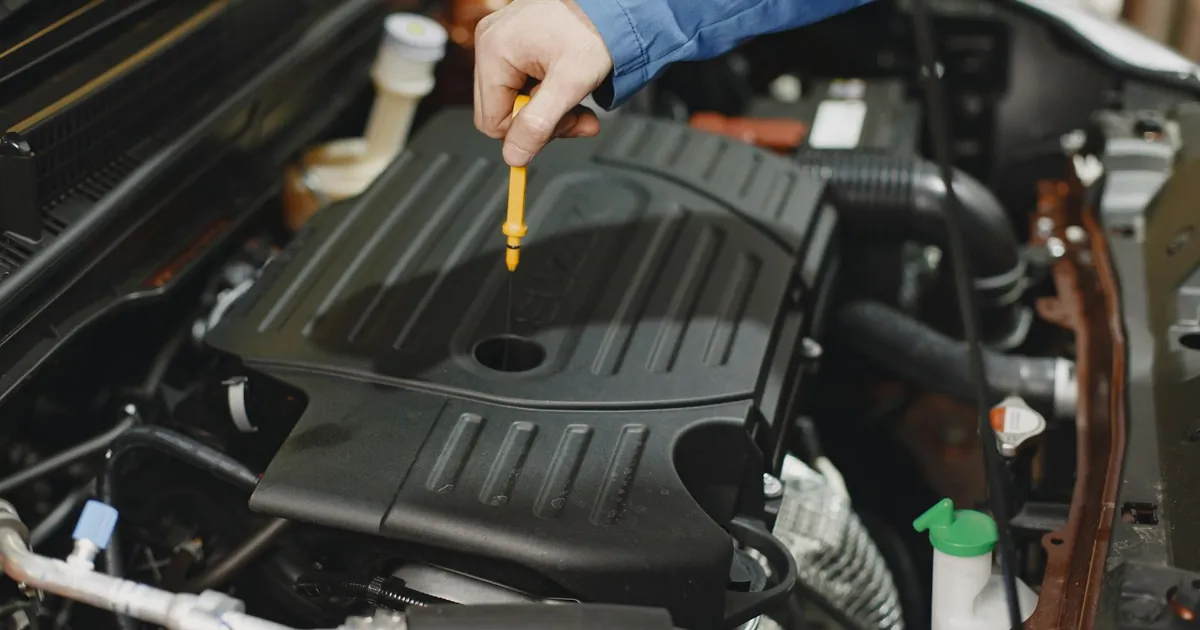
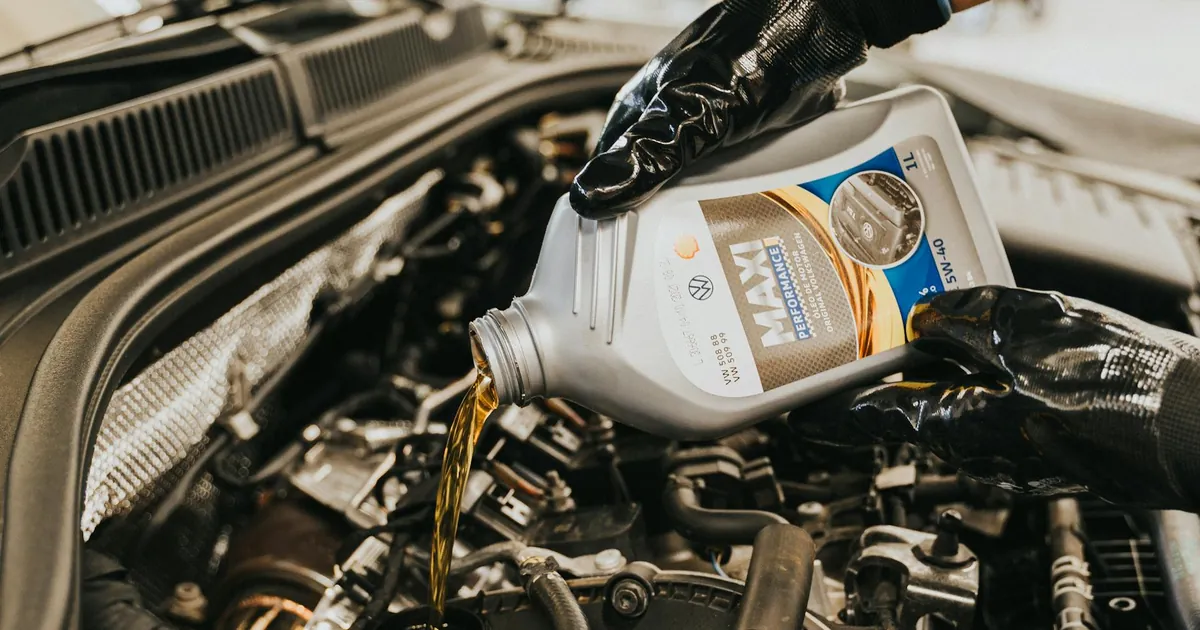
Engine oil is arguably the single most critical element in maintaining engine health and longevity. It’s not just a lubricant; it’s a complex fluid designed to perform multiple vital functions: reducing friction between moving parts, dissipating heat generated by combustion, cleaning away combustion byproducts and contaminants, and preventing corrosion. When oil breaks down, loses its viscosity, or becomes contaminated with debris, its ability to perform these functions diminishes significantly, leading to increased wear, overheating, and potential engine failure. The type of oil required, its viscosity grade (e.g., 5W-30), and the appropriate API service category (e.g., SP, SN) are specified by your vehicle’s manufacturer, typically found in the owner’s manual. Using the wrong type of oil, or an oil that is old and degraded, is like forcing your heart to pump sludge; it’s a recipe for disaster. Regular oil changes, performed at the intervals recommended by your manufacturer or sooner if you frequently drive in severe conditions (like stop-and-go traffic, extreme temperatures, or towing), are paramount. Don’t just rely on the mileage indicator; if your car sits for long periods, oil can still degrade. Checking your oil level regularly—at least once a month and before any long road trip—is also crucial. Low oil levels mean less lubrication, leading to increased friction and an overworked engine. A quick visual inspection can save you from potentially catastrophic damage. Furthermore, oil filters are designed to trap particles that can scratch and wear down engine components. Changing the oil filter along with your oil ensures that the new oil isn’t immediately contaminated by the old filter’s accumulated gunk.
Regular Fluid Checks and Top-Ups
Beyond engine oil, several other fluid systems are critical for your engine’s operation and overall vehicle health. Coolant, for instance, is essential for regulating engine temperature. When an engine overheats, metal components can expand excessively, leading to warped parts, blown gaskets, and even seized engines. A properly mixed coolant (typically a 50/50 solution of antifreeze and distilled water) not only prevents freezing in cold weather but also raises the boiling point of the fluid, offering protection against overheating in warmer climates. Inspecting your coolant level in the overflow reservoir and topping it up as needed, using the correct type of coolant specified in your owner’s manual, is a simple yet effective preventative measure. Similarly, brake fluid is vital for safety, but low levels or contaminated fluid can indirectly impact engine performance by causing the braking system to work harder, potentially leading to increased engine strain. Transmission fluid is another crucial element; while not directly part of the engine, a properly functioning transmission ensures smooth power delivery. If your transmission fluid is low, dirty, or the wrong type, it can cause your engine to work harder, leading to premature wear. Power steering fluid, while primarily for steering comfort, also plays a role in the overall hydraulic system of your car. Regularly checking the levels of these critical fluids, ensuring they are clean, and topping them up with the manufacturer-recommended products can prevent a cascade of issues that could ultimately stress your engine. Pay attention to any unusual sounds, such as those indicative of transmission trouble, which you can learn more about at this resource.
Air Filter Replacement: Breathing Easy
Your engine needs air to combust fuel, and the quality of that air directly impacts its efficiency and longevity. The air filter’s job is to trap dust, dirt, insects, and other airborne debris before it enters the combustion chamber. If the air filter becomes clogged, it restricts the flow of air to the engine. This can lead to a decrease in engine performance, poor fuel economy, and an inability for the engine to run efficiently. When airflow is restricted, the engine may run “rich,” meaning it’s using more fuel than necessary, which can lead to a buildup of carbon deposits within the engine. These deposits can impede the function of crucial components like valves and piston rings, increasing wear and tear. Replacing your air filter at the recommended intervals, typically every 15,000 to 30,000 miles depending on driving conditions and the filter’s material, is a straightforward maintenance task that has a significant impact. In dusty environments, or if you notice a drop in power, you may need to replace it sooner. A visual inspection can often tell you if it’s time for a change; if the filter appears heavily soiled and darkened, it’s likely past its prime. A clean air filter allows your engine to “breathe” freely, ensuring optimal combustion and reducing the strain on internal components.
Cooling System Maintenance: Preventing Overheating
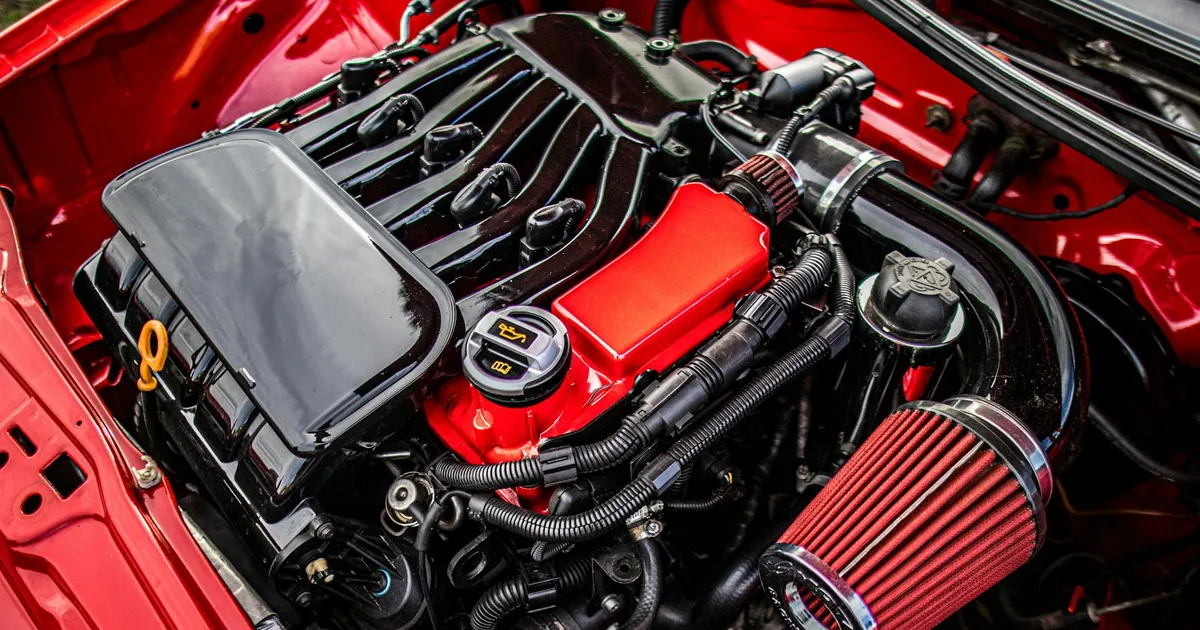
The cooling system is a sophisticated network of components designed to maintain your engine at its optimal operating temperature, typically between 195°F and 220°F (90°C and 104°C). This system includes the radiator, thermostat, water pump, coolant hoses, and the coolant itself. Overheating is one of the most damaging events an engine can experience. When an engine gets too hot, metal parts can warp or seize, gaskets can blow, and even the engine block itself can crack. Regular inspection of the cooling system is a vital part of extending engine life. This involves checking for leaks around hoses, the radiator, and the water pump. Hoses can become brittle and crack over time, leading to coolant loss. The thermostat is a valve that regulates coolant flow, and a faulty thermostat can either cause the engine to overheat or prevent it from reaching its proper operating temperature, both of which are detrimental. A coolant flush and refill, performed according to your manufacturer’s schedule, is crucial to remove accumulated rust, sediment, and other contaminants that can impede the system’s efficiency and lead to corrosion. Using the correct type and mixture of coolant is also non-negotiable. Ignoring a leaky hose or a malfunctioning fan can lead to a catastrophic engine failure, turning a minor issue into a major expense.
Inspect Hoses and Belts
Within the cooling system and other critical areas of the engine bay, rubber hoses and serpentine belts are ubiquitous and crucial for proper function. These components, despite their importance, are often overlooked by owners during routine checks. Rubber hoses, particularly those carrying coolant, are subjected to constant thermal expansion and contraction, as well as exposure to engine oils and other chemicals. Over time, they can develop cracks, bulges, or become excessively soft and spongy, indicating imminent failure. A burst coolant hose during operation can lead to rapid and severe engine overheating. Similarly, serpentine belts, which drive accessories like the alternator, power steering pump, and air conditioning compressor, are subjected to significant tension and wear. Cracks, fraying, or glazed surfaces on a belt are clear signs that it needs to be replaced. A broken serpentine belt will not only disable essential accessories but can also, in some designs, wrap around and damage sensitive engine components, leading to costly secondary damage. You can find more information on related maintenance at this article, which touches on similar principles.
Spark Plugs and Ignition System
The spark plugs are the igniters of your engine’s fuel-air mixture, initiating the combustion process that generates power. Their condition directly affects engine performance, fuel efficiency, and emissions. Worn-out spark plugs can lead to misfires, rough idling, hesitation during acceleration, and reduced power output. When spark plugs don’t fire cleanly and consistently, unburnt fuel can enter the exhaust system, increasing emissions and potentially damaging the catalytic converter. The ignition system also includes components like spark plug wires, ignition coils, and distributors (on older vehicles). Any malfunction in these components can lead to incomplete combustion. Regular inspection and replacement of spark plugs, as recommended by your manufacturer, is a relatively inexpensive maintenance task that has a significant positive impact on engine health and efficiency. Consider that consistent, clean combustion reduces the buildup of carbon deposits within the cylinders, which is a major contributor to long-term engine wear. Ignoring worn spark plugs is like asking your engine to run a marathon on expired fuel and a faulty ignition source; it’s inefficient and damaging.
Listen and Observe: Early Warning Signs
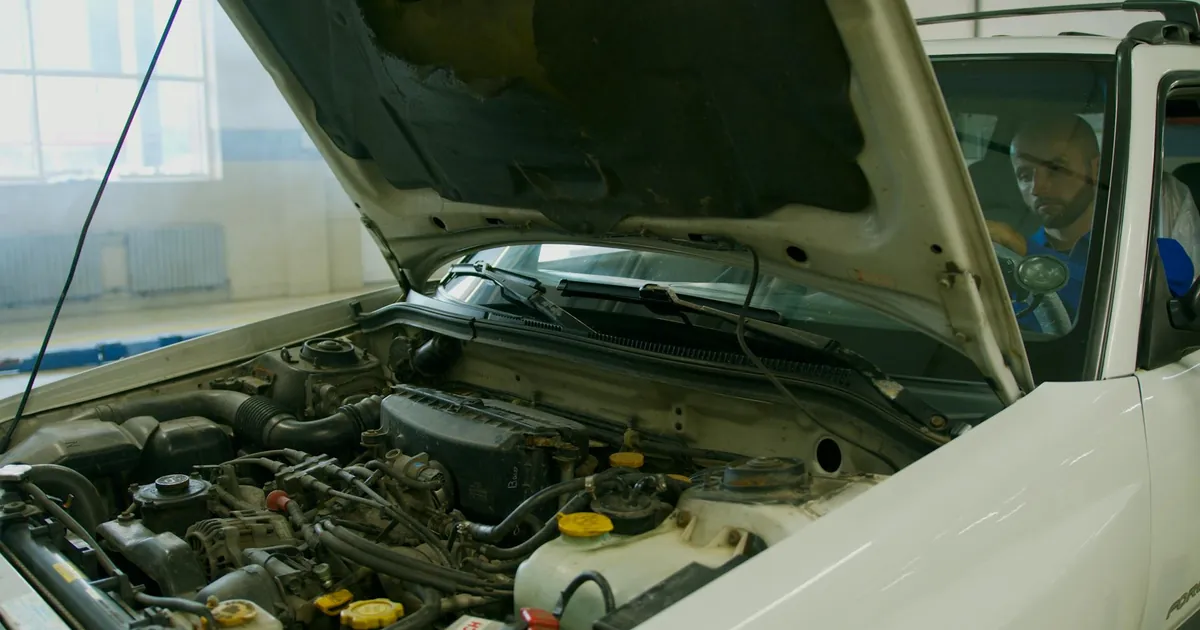
Your car communicates its needs through a symphony of sounds, smells, and visual cues, and learning to interpret these signals is a fundamental aspect of proactive maintenance. A new or unusual noise, whether it’s a persistent knocking, a high-pitched whine, a grinding sound, or a rattling, is rarely something to ignore. These auditory cues can pinpoint issues ranging from minor belt problems to serious internal engine distress. For instance, a metallic grinding during acceleration might indicate bearing wear, while a persistent ticking could point to a valve train issue. Beyond sounds, be attentive to warning lights on your dashboard; illuminated check engine lights, oil pressure warnings, or temperature alerts are direct signals that something requires immediate attention. Unusual smells, such as burning oil, a sweet coolant aroma, or a sulfurous odor, are also critical indicators of underlying problems. Such smells often suggest leaks or overheating components. Regularly observing your car’s behavior, especially how it starts, idles, and accelerates, can reveal subtle changes that, when addressed promptly, can prevent minor issues from escalating into major mechanical failures. Paying attention to these often-overlooked details is key to anticipating potential problems before they manifest as costly repairs, similar to how one might monitor their car when navigating complex driving scenarios.
Key Takeaways
- Regularly change your engine oil and filter using the manufacturer-specified type and grade.
- Monitor and maintain all vehicle fluids, including coolant, transmission fluid, and brake fluid.
- Replace your engine air filter according to the recommended schedule or sooner if conditions warrant.
- Ensure your cooling system is in good working order to prevent overheating.
- Inspect and replace worn spark plugs and check other ignition system components.
- Pay close attention to any unusual noises, smells, or dashboard warning lights.
- Inspect rubber hoses and belts for cracks, leaks, or signs of wear.
“Proactive vehicle maintenance isn’t just about avoiding breakdowns; it’s an investment in your car’s longevity and reliability. Simple, consistent attention to fundamental car care can save you thousands in potential repairs over the vehicle’s lifespan and contribute to a safer, more enjoyable driving experience.”
A Senior Automotive Technician (Anonymous for privacy)
Frequently Asked Questions
How often should I check my engine oil level?
It’s recommended to check your engine oil level at least once a month and before any extended drives. This simple check can prevent significant damage caused by low oil.
What is the benefit of using synthetic oil?
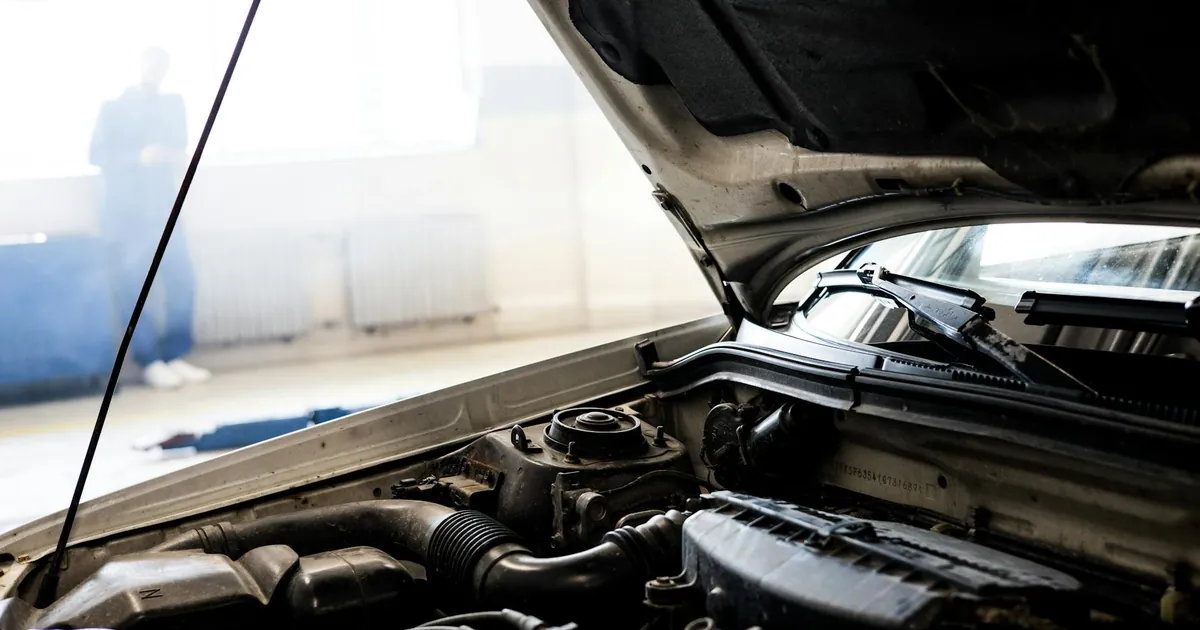
Synthetic oils offer superior lubrication, better thermal stability, and enhanced resistance to degradation compared to conventional oils. This can lead to longer oil change intervals and better engine protection, especially under extreme conditions.
Can I ignore a minor coolant leak?
Absolutely not. Even a small coolant leak can lead to significant engine overheating if not addressed promptly. It’s crucial to have any leaks identified and repaired by a qualified technician.
How do I know if my spark plugs need replacing?
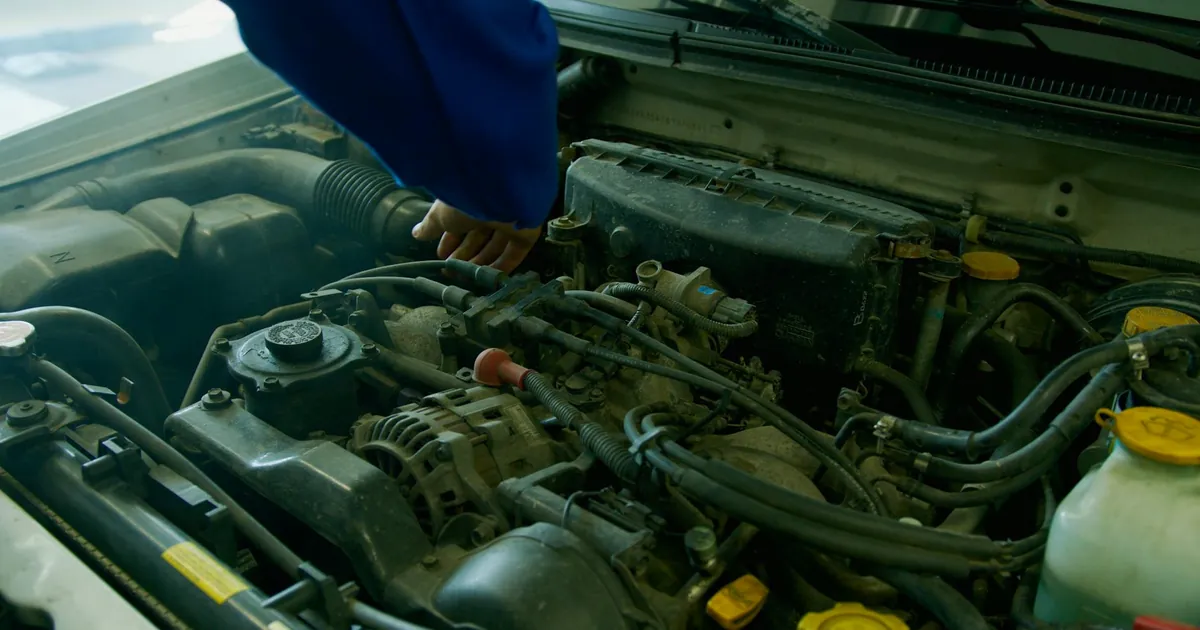
Symptoms of worn spark plugs include rough idling, misfires, reduced fuel economy, and hesitation during acceleration. Your owner’s manual will specify the recommended replacement interval.
What’s the difference between regular and premium gasoline?
Premium gasoline has a higher octane rating, which makes it more resistant to premature ignition (knocking or pinging). Most modern cars do not require premium fuel; using it unnecessarily won’t harm your engine but won’t provide any performance benefits either.
By integrating these fundamental car care practices into your routine, you’re not just maintaining a machine; you’re safeguarding an investment and ensuring reliable transportation for years to come. Don’t wait for a warning light to signal trouble. Take proactive steps today to nurture your engine’s health, ensuring it continues to perform optimally mile after mile. Schedule your next service or performance check-up and become a more informed, engaged owner of your vehicle.