


The sight of rust creeping onto your beloved bicycle can be disheartening, turning a sleek machine into a neglected relic. Understanding how to prevent bike rust and corrosion long term is not just about aesthetics; it’s about preserving your investment, ensuring safety, and maintaining peak performance on every ride. Imagine the frustration of a seized chain or a squeaky brake cable, all preventable with a few proactive steps. This guide will equip you with expert strategies, drawing on insights from seasoned riders and maintenance specialists, ensuring your bike remains a reliable companion for years to come, perhaps even well into 2026 and beyond.
The First Line of Defense: Regular Cleaning
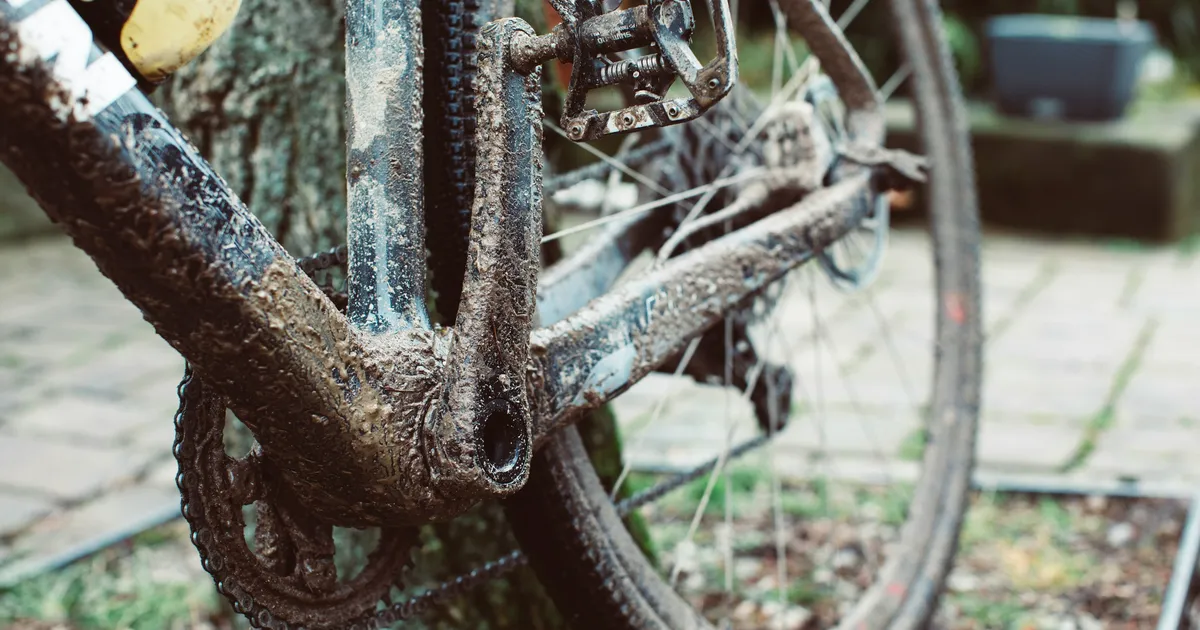
Think of your bike as a loyal steed, enduring various terrains and weather conditions. Just as you wouldn’t let a valuable tool sit caked in mud, your bicycle deserves consistent attention. Dirt, sweat, road salt, and even everyday dust are not just superficial annoyances; they are carriers of moisture and corrosive agents that silently begin their destructive work. A quick wipe-down after each ride, especially through puddles or dusty trails, dramatically reduces the opportunities for rust to take hold.
Establishing a routine cleaning schedule is paramount. For a casual rider, a thorough wash every few weeks, or immediately after a particularly wet or dirty excursion, is a good benchmark. Use a mild bike-specific cleaner or gentle dish soap with water, avoiding high-pressure sprays directly on bearings. Pay close attention to the drivetrain, brake calipers, and any exposed metal surfaces. Rinse thoroughly and, critically, dry every component meticulously with a clean cloth, preventing water from lingering in crevices.
Masterful Lubrication and Protection
Many riders focus lubrication solely on the chain, which is a good start, but corrosion can attack numerous other components. Cables, derailleur pivots, spoke nipples, and even the internal parts of shifters are susceptible to moisture and friction-induced wear. Applying a quality lubricant with rust-inhibiting properties to these areas creates a protective barrier, displacing water and reducing metal-on-metal contact. This proactive approach ensures smoother operation and significantly extends the lifespan of moving parts.
Choosing the right lubricant depends on your riding conditions. Wet lubricants are thicker and more durable in rainy weather but attract more dirt. Dry lubricants are cleaner but require more frequent application. For long-term protection, especially in humid environments, consider specialty anti-corrosion sprays or waxes that can penetrate tight spaces and offer extended defense. Expert mechanics often recommend a light coating on all exposed metal bolts and hardware as part of a comprehensive maintenance plan, ensuring your bike rides smoothly through 2026.
Specialty Rust Preventatives
Beyond standard lubricants, advanced rust preventatives offer an extra layer of defense, particularly for bikes stored in challenging conditions or those with steel frames. Products like frame-saver sprays are designed to be applied inside the frame tubes, coating the interior metal surfaces and preventing internal rust, which is often unseen until it’s too late. These waxy or oily solutions create a durable, long-lasting barrier against moisture and oxygen, crucial for preserving the integrity of your bike’s core structure. User trends show a growing appreciation for these specialized treatments, especially among vintage bike enthusiasts and those living in coastal regions.
Strategic Storage Solutions
Where you store your bike plays a huge role in its long-term health. Leaving a bike exposed to the elements, whether rain, high humidity, or even direct sunlight, accelerates corrosion. A garage, shed, or balcony might seem adequate, but fluctuations in temperature and humidity can still invite rust. Condensation, in particular, is a silent killer, forming when warm, moist air meets cool metal surfaces, especially overnight or during seasonal changes.
The ideal storage environment is dry, temperature-stable, and protected from direct weather. If indoor storage isn’t an option, invest in a high-quality, breathable bike cover that protects against rain and UV rays while allowing moisture to escape, preventing the “greenhouse effect” that can trap humidity underneath. For damp garages or basements, consider using a dehumidifier or moisture-absorbing packets near your bike. Elevating your bike off the ground can also help, as floors can often be cooler and retain more moisture, making it a smart move for long-term preservation.
Immediate Action After Wet Rides
Picture this: you’ve just completed an epic ride through a sudden downpour, exhilarated but soaked. Your bike, too, is drenched. The temptation might be to just lean it against a wall and deal with it later. However, procrastinating after a wet ride is one of the quickest ways to invite rust. Water, especially if it contains road salt or grime, will rapidly begin to corrode metal components if left to dry on its own. This is where immediate, decisive action becomes your bike’s best friend.
As soon as you return, don’t just towel off the visible parts. Give your bike a quick, but thorough, rinse with fresh water to remove any road salts or mud, paying special attention to the drivetrain and brake calipers. Then, dry it completely using clean cloths, even using a leaf blower or compressed air for hard-to-reach areas if available. Once dry, apply a light coat of lubricant to your chain and other moving parts. This simple protocol, taking mere minutes, can prevent hours of future maintenance and costly repairs, safeguarding your bike for many adventures to come.
Understanding Your Environment & Materials
The battle against rust is heavily influenced by your local environment and the materials of your bike. Living near the coast means constant exposure to salty air, a highly corrosive agent. Similarly, riders in areas where roads are salted during winter face an elevated risk. Even industrial pollution can contribute to corrosion. Steel frames, components, and hardware are most susceptible, while aluminum and carbon fiber are more resistant, though not entirely immune to issues like galvanic corrosion when dissimilar metals are in contact.
Tailoring your prevention strategy to your specific conditions is key. If you’re a coastal rider or regularly encounter road salt, more frequent cleaning and the use of marine-grade rust inhibitors are advisable. For steel bikes, consider internal frame protection as a standard practice. According to studies highlighted by leading cycling resources like Sheldon Brown’s website https://www.sheldonbrown.com/gloss_r.html, understanding material properties is fundamental. For bikes with aluminum frames, ensure all steel bolts and components are regularly inspected and greased to prevent galvanic corrosion where the two metals meet. This informed approach ensures your bike remains pristine and ready for any challenge in 2026.
Key Takeaways
- Consistent Cleaning is Crucial: Regularly remove dirt, salt, and sweat to deny rust a foothold.
- Lubricate Beyond the Chain: Protect all moving metal parts with rust-inhibiting lubricants and consider specialty preventatives.
- Optimize Storage Conditions: Store your bike in a dry, stable environment, or use appropriate covers and dehumidifiers.
- Act Swiftly After Wet Rides: Immediately clean and dry your bike, then re-lubricate to prevent rapid corrosion.
Frequently Asked Questions
Can rust on a bike be completely reversed?
Minor surface rust can often be removed with rust converters or fine abrasives, followed by protective coatings. However, deep-seated rust that has significantly pitted or weakened the metal cannot be fully reversed, only mitigated, and may compromise the structural integrity of the component. Prevention is always superior to attempted repair.
How often should I clean my bike to prevent rust?
For optimal rust prevention, give your bike a quick wipe-down after every ride, especially if you encountered moisture or dirt. A thorough wash should be performed every 2-4 weeks for regular riders, or immediately after any particularly wet, muddy, or salty ride. Consistent small efforts make a huge difference.
Are all bike materials equally susceptible to rust?
No. Steel (especially unpainted or uncoated areas) is highly susceptible to rust, which is iron oxide. Aluminum corrodes but forms a protective oxide layer, while carbon fiber does not rust. However, even on aluminum or carbon bikes, steel components (bolts, chain, cassette) are still vulnerable to rust and require protection.
What’s the best long-term rust preventative product for bike frames?
For steel frames, an internal frame-saver treatment (a waxy or oily spray) is highly recommended for long-term protection, applied every 1-2 years. For external surfaces, a high-quality wax polish or a ceramic coating can provide a durable barrier against moisture and environmental contaminants, extending the life of your paint and underlying metal.
Conclusion
Protecting your bike from rust and corrosion is an ongoing commitment, but one that pays dividends in longevity, performance, and peace of mind. By consistently applying these expert strategies – from diligent cleaning and meticulous lubrication to strategic storage and swift action after wet rides – you transform passive ownership into active stewardship. Embrace these habits, and you’ll enjoy countless smooth, worry-free rides, ensuring your bike remains a cherished companion for many years, ready for every adventure you embark upon. Start today, and secure your bike’s future.