
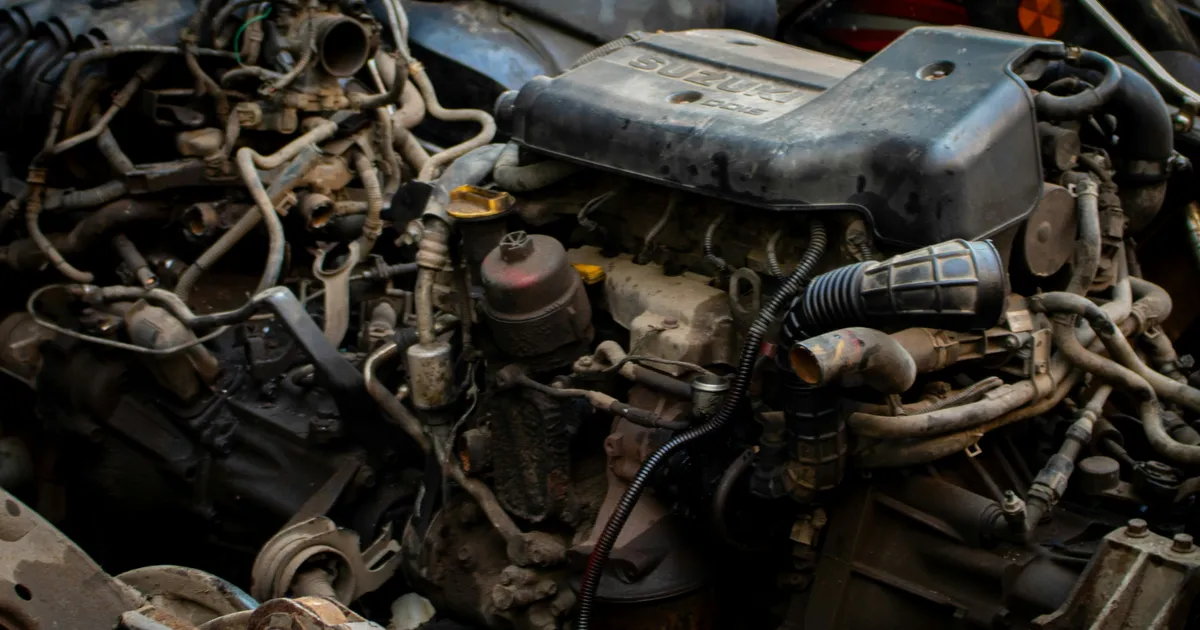
Experiencing a car engine misfire can be a concerning and sometimes frightening ordeal for any driver. That tell-tale shudder, loss of power, and often a flashing check engine light signal that something isn’t quite right under the hood. A misfire occurs when one or more of your engine’s cylinders fail to properly ignite the air-fuel mixture, leading to incomplete combustion. This not only impacts your vehicle’s performance and fuel economy but can also cause long-term damage if left unaddressed. Understanding the common causes and knowing some quick fixes can save you a lot of stress and potential repair costs in 2026 and beyond, helping you identify the problem early and get back on the road safely.
Ignition System: Sparking Trouble
One of the most frequent culprits behind a car engine misfire lies within the ignition system. This system is responsible for creating the spark that ignites the fuel-air mixture in each cylinder. Components like worn-out spark plugs, faulty ignition coils (also known as coil packs), or damaged spark plug wires can easily disrupt this delicate process. Over time, spark plugs can foul, gap incorrectly, or simply wear down, leading to a weak or absent spark. Similarly, ignition coils can fail, preventing the high voltage needed to jump the plug gap, resulting in a misfire specifically in the cylinder served by that coil.
Diagnosing ignition system issues often starts with checking the spark plugs themselves. A visual inspection can reveal signs of wear, carbon buildup, or oil fouling, which are clear indicators for replacement. If the misfire is intermittent or affects only one cylinder, swapping an ignition coil with a known good one from another cylinder can help confirm if the coil is at fault. For vehicles with spark plug wires, inspecting them for cracks, fraying, or corrosion is crucial. Replacing these components is generally a straightforward repair that many DIY enthusiasts can tackle, often resolving the misfire promptly and restoring smooth engine operation.
Fuel Delivery: Starving the Engine
Another major contributor to an engine misfire is an issue with the fuel delivery system. For proper combustion, each cylinder needs a precise amount of fuel, delivered at the correct pressure and timing. Problems like clogged fuel injectors, a failing fuel pump, or a dirty fuel filter can disrupt this crucial supply. A clogged fuel injector might spray an insufficient or uneven amount of fuel into the cylinder, leading to a lean mixture that won’t ignite properly. Similarly, a weak fuel pump won’t maintain the necessary pressure, starving multiple cylinders of fuel and causing widespread misfires.
If you suspect fuel delivery is the cause, consider using a quality fuel system cleaner, which can sometimes clear minor clogs in injectors. However, for more severe blockages or a failing fuel pump, professional intervention might be necessary. Regularly replacing your fuel filter according to your vehicle’s maintenance schedule is a proactive step that can prevent many fuel-related misfires, ensuring a clean and consistent fuel supply. Ignoring these issues not only causes misfires but can also strain other engine components, leading to more expensive repairs down the line, especially in modern, precision-engineered engines.
Compression Loss: Internal Engine Woes
While often more serious, a lack of proper compression within a cylinder is a significant cause of misfires. Compression is vital because it heats and compacts the air-fuel mixture, making it highly combustible. If a cylinder cannot hold adequate pressure, the mixture won’t ignite efficiently, or sometimes not at all. Common causes for compression loss include worn piston rings, damaged or improperly sealing valves, a blown head gasket, or even cracks in the cylinder head or engine block. These internal engine problems are typically more complex and require professional diagnosis and repair.
Symptoms of compression loss often include persistent misfires, excessive smoke from the exhaust, and sometimes coolant or oil consumption. Unlike ignition or fuel issues, compression problems usually don’t have a simple “quick fix” and indicate a need for a deeper inspection. A mechanic will typically perform a compression test or a leak-down test to pinpoint the exact cylinder and nature of the compression loss. Addressing these issues promptly is critical, as driving with significant compression loss can lead to further, more extensive engine damage, potentially requiring a costly engine rebuild or replacement.
Diagnosing Compression Issues
When your vehicle exhibits persistent misfires that don’t seem related to ignition or fuel, a compression test is the next logical step. This test measures the maximum pressure each cylinder can achieve during its compression stroke. A significant difference in readings between cylinders (typically more than 10-15%) indicates a problem. A follow-up leak-down test is even more precise, using compressed air to identify exactly where the pressure is escaping – whether through the intake valves (bad valve seal or seat), exhaust valves, piston rings (heard through the oil filler cap), or a blown head gasket (bubbles in the coolant reservoir). These diagnostic steps are crucial for accurately pinpointing the internal engine problem.
Sensor & ECU Malfunctions: Electronic Headaches
Modern vehicles rely heavily on a network of sensors and an Engine Control Unit (ECU) to manage all aspects of engine operation, including fuel delivery, ignition timing, and air intake. When one of these critical sensors malfunctions or the ECU itself develops an issue, it can send incorrect data, leading to a misfire. For example, a faulty Mass Air Flow (MAF) sensor might report incorrect air intake, causing the ECU to deliver the wrong amount of fuel. Similarly, a failing oxygen sensor can disrupt the air-fuel ratio, or a defective crankshaft or camshaft position sensor can throw off ignition timing, all resulting in misfires.
The good news is that sensor and ECU issues often trigger a “Check Engine” light and store specific diagnostic trouble codes (DTCs). Using an OBD-II scanner is the fastest way to read these codes, which can directly point to the problematic sensor or circuit. While replacing a sensor can sometimes be a DIY task, ensuring proper wiring and sometimes even reprogramming the ECU might require professional expertise. Always verify the wiring integrity before replacing a sensor, as a loose or corroded connection can mimic a sensor failure. For current vehicles in 2026, many sensors are integrated, making accurate diagnosis even more reliant on proper scanning tools and interpretation.
Vacuum Leaks: Unmetered Air Intrusion
Vacuum leaks are a surprisingly common cause of engine misfires, often overlooked because they don’t always trigger immediate, obvious symptoms beyond rough idling or a misfire. A vacuum leak occurs when unmetered air enters the engine’s intake system after passing the MAF sensor. This extra air isn’t accounted for by the ECU, leading to a lean air-fuel mixture that is difficult to ignite, resulting in a misfire. Common sources of vacuum leaks include cracked or deteriorated vacuum hoses, a leaky intake manifold gasket, a faulty PCV (Positive Crankcase Ventilation) valve, or a loose air intake boot.
Identifying a vacuum leak can be tricky but is often achievable with careful inspection. Listen for a distinct hissing sound coming from the engine bay while the engine is running. A common DIY method involves spraying a small amount of carburetor cleaner or unlit propane gas around suspected leak areas; if the engine RPM changes, you’ve likely found your leak. For more definitive diagnosis, many mechanics use a smoke machine to pump smoke into the intake system, making any leaks visually apparent. Addressing vacuum leaks usually involves replacing the cracked hoses or gaskets, which can often be a relatively inexpensive and effective fix for a persistent misfire.
Key Takeaways
- Engine misfires stem from issues with ignition, fuel, compression, sensors, or vacuum.
- Start diagnosis with the ignition system (spark plugs, coils) as it’s often the easiest fix.
- Regular maintenance, like fuel filter and spark plug replacement, prevents many misfires.
- An OBD-II scanner is invaluable for quickly identifying trouble codes related to misfires.
Frequently Asked Questions
Can I drive my car with a misfire?
While you technically can, it’s strongly advised against. Driving with a misfire can lead to serious and costly damage over time, including catalytic converter failure due to unburnt fuel entering the exhaust system. It also impacts fuel economy and engine performance, creating an unsafe driving condition. Get it checked out as soon as possible.
How much does it cost to fix a car engine misfire?
The cost varies wildly depending on the cause. Simple fixes like replacing a spark plug or ignition coil might range from $100 to $300. More complex issues like a fuel pump replacement could be $400-$800, while internal engine problems like a head gasket or piston rings could easily run into thousands of dollars. Diagnosis alone can cost $80-$150.
Will a misfire always trigger the Check Engine light?
Not always immediately, but typically yes. A persistent or severe misfire will almost certainly trigger the Check Engine light. Sometimes, an intermittent misfire might not immediately illuminate the light but will store a pending code in the ECU, which can be retrieved with an OBD-II scanner. If the light flashes, it indicates a severe misfire that could damage the catalytic converter.
What’s the difference between a cylinder misfire and an engine knock?
A cylinder misfire is when a cylinder fails to ignite properly, resulting in a loss of power and a rough idle or acceleration. An engine knock (or pre-ignition/detonation) is when the air-fuel mixture ignites prematurely or unevenly, causing a metallic pinging sound. While both are engine problems, they have different causes and symptoms, though sometimes a severe misfire can sound like a knock due to irregular combustion.
Conclusion
A car engine misfire is your vehicle’s way of telling you something is amiss. By systematically troubleshooting potential issues related to the ignition, fuel, compression, sensors, and vacuum systems, you can often pinpoint and resolve the problem. While some fixes are straightforward and DIY-friendly, others require professional expertise to prevent further damage. Prioritizing regular maintenance and acting quickly when you notice a misfire will ensure your vehicle runs smoothly and reliably for years to come, keeping you safe and saving you money in the long run.