


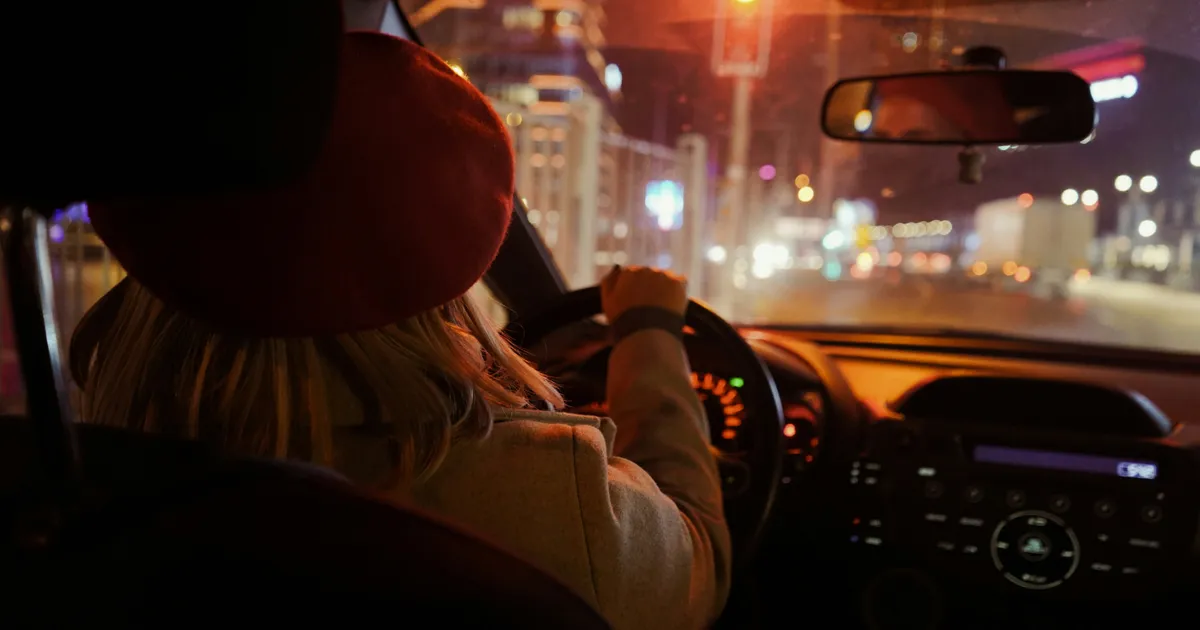
Navigating the roads after sunset presents a unique set of challenges that can test even the most experienced drivers. Diminished visibility, increased glare, and the subtle onset of fatigue all contribute to a higher risk environment. To help you drive with greater assurance and reduce potential hazards, mastering night driving safety tips for better visibility and control is essential. This article will equip you with practical advice and actionable strategies, transforming you into a more confident and safer nocturnal driver. From vehicle preparation to personal habits, we’ll cover everything you need to know to conquer the darkness on the road.
Vehicle Preparation is Paramount for Night Driving
Ensuring your vehicle is in optimal condition is the first line of defense against the perils of night driving. Begin by meticulously cleaning your windshield, windows, and mirrors, both inside and out. Even a thin film of dirt or smudges can significantly magnify glare from oncoming headlights, scattering light and obscuring your view. Regularly check and clean your headlights, taillights, and turn signals, ensuring they are free from dirt, mud, or snow, which can drastically reduce their effectiveness and your visibility to other drivers.
Beyond cleanliness, the functionality of your vehicle’s lighting system is non-negotiable. Regularly inspect all exterior lights to confirm they are working correctly and properly aimed. Misaligned headlights can blind oncoming drivers or fail to illuminate the road effectively, creating dangerous blind spots. Furthermore, ensure your tires are properly inflated and have adequate tread, as reduced traction is even more perilous on dark, potentially damp roads. A well-maintained vehicle, including proper fluid levels and brake health, provides a critical foundation for safe night travel in 2026.
Mastering Your Headlights and High Beams
Understanding when and how to use your headlights is crucial for both your visibility and the safety of others. Your low beams are designed for general night driving and should always be on from dusk till dawn, or whenever visibility is poor. High beams, on the other hand, provide significantly greater illumination, allowing you to see further down the road, but must be used judiciously. Engage them only when no oncoming traffic is within approximately 500 feet, and no vehicle is directly ahead of you, to avoid temporarily blinding other drivers.
Modern vehicles often feature automatic high beams, which can be a valuable aid, but always be prepared to manually switch back to low beams if the system is slow to react. Never drive with only your parking lights on at night, as they are insufficient for illuminating the road or making your vehicle adequately visible. If you have fog lights, remember they are specifically designed for foggy conditions and should be turned off when the fog clears, as they can cause glare for other drivers in normal conditions. For more detailed guidance on lighting, consult resources like the National Highway Traffic Safety Administration (NHTSA).
Adapting to Glare and Reflective Surfaces
Glare from oncoming headlights or streetlights is one of the most common and challenging aspects of night driving. To minimize its impact, avoid staring directly into approaching lights; instead, shift your gaze slightly to the right edge of your lane, using the white line as a guide. This allows you to maintain awareness of your position while reducing the direct assault on your pupils. Ensure your rearview mirror is adjusted to its night setting, which often involves flipping a small tab to reduce the intensity of reflections from vehicles behind you.
A pristine windshield is your best defense against glare amplification, as dust and streaks can scatter light dramatically. Consider wearing anti-glare glasses specifically designed for night driving, though their effectiveness can vary between individuals. Finally, maintaining a safe following distance gives you more time to react to sudden changes in light or visibility caused by other vehicles’ headlights or reflections off wet roads, especially prevalent during the wetter months of 2026.
Sharpening Your Driving Habits at Night
Driving at night demands a heightened sense of awareness and adapted driving habits. One of the most critical adjustments is reducing your speed. Your reaction time and visual perception are both diminished in low light, meaning you need more time to process information and respond to hazards. Drive at a speed that allows you to stop safely within the range of your headlights, often referred to as your “sight distance.” This rule is especially vital on unlit roads where obstacles can appear suddenly.
Increasing your following distance significantly also provides a crucial safety buffer. The standard three-second rule should be extended to at least four or five seconds at night, giving you more time to react to the brake lights of the vehicle ahead or any sudden maneuvers. Be extra vigilant for pedestrians, cyclists, and animals, who are much harder to spot in the dark. Actively scan the road ahead and to the sides, rather than fixating on the immediate area directly in front of your hood, to anticipate potential dangers further down the road.
Managing Fatigue and Impairment
Fatigue is a silent but deadly contributor to night driving accidents. Our natural circadian rhythms make us more prone to drowsiness during nighttime hours, significantly impairing judgment, reaction time, and attentiveness. If you feel tired before driving at night, it’s best to postpone your trip or pull over to a safe, well-lit area for a short nap. Even a 20-minute power nap can dramatically improve alertness. Avoid driving during your usual sleep hours whenever possible, as this is when your body is most resistant to staying awake.
Impairment from alcohol, drugs (including prescription and over-the-counter medications), or even severe illness, is exponentially more dangerous at night. These substances further degrade your already compromised night vision and cognitive functions, making night driving safety tips for better visibility and control virtually impossible to implement effectively. Always arrange for a designated driver or use rideshare services if you’ve consumed anything that could impair your ability to drive safely. Prioritizing rest and sobriety is paramount for everyone’s safety on the roads.
Understanding Environmental Challenges
Night driving conditions can be further complicated by environmental factors like rain, fog, or snow. These elements drastically reduce visibility, even with properly functioning headlights, and can make road markings difficult to discern. In such conditions, reduce your speed even further than you would for clear night driving, increase your following distance, and use your low beams or fog lights (if applicable) to avoid blinding reflections from water droplets or snow crystals. High beams will only worsen visibility in fog or heavy rain by reflecting light back at you.
Rural areas at night present their own unique challenges, primarily the increased risk of encountering wildlife. Deer, elk, and other animals are more active during dawn, dusk, and nighttime hours, and their eyes reflecting in your headlights can be your only warning. Scan the shoulders of the road and be prepared to slow down or brake if you spot an animal. If a collision is unavoidable, brake firmly and try to steer straight, rather than swerving, which could lead to losing control of your vehicle. Stay focused and anticipate the unexpected on unfamiliar roads.
Key Takeaways
- Regularly clean and maintain all vehicle lights and windows for maximum visibility.
- Adjust your speed and increase following distance to account for reduced night vision and reaction time.
- Use high beams only when safe, and mitigate glare from oncoming traffic by shifting your gaze.
- Prioritize rest and avoid driving while fatigued or impaired to maintain peak alertness.
Frequently Asked Questions
How often should I check my headlights for proper alignment?
It’s a good practice to have your headlights checked for proper alignment at least once a year, or immediately if you notice they seem to be pointing too high, too low, or off to one side. Bumps, minor collisions, or even replacing a bulb can sometimes affect alignment.
What is the “sight distance rule” for night driving?
The sight distance rule dictates that you should drive at a speed that allows you to stop safely within the area illuminated by your headlights. Since your headlights typically illuminate about 200-250 feet, your speed should be adjusted so you can react and stop within that distance, especially on unlit roads.
Are yellow-tinted anti-glare glasses truly effective for night driving?
The effectiveness of yellow-tinted anti-glare glasses is a subject of debate. While some drivers find they reduce glare and improve contrast, scientific studies generally show they do not significantly improve night vision and can even slightly reduce the amount of light reaching your eyes, which is counterproductive in low-light conditions. Consult an optometrist for personalized advice.
What should I do if a deer suddenly appears in my path at night?
If a deer suddenly appears, brake firmly and aim to maintain control of your vehicle. If a collision is unavoidable, try to hit the animal head-on rather than swerving, as swerving can lead to more severe accidents by hitting trees, other vehicles, or rolling over. Always remember to wear your seatbelt.
Conclusion
Night driving doesn’t have to be a source of anxiety. By diligently applying these night driving safety tips for better visibility and control, you can significantly enhance your safety and confidence behind the wheel. From ensuring your vehicle is meticulously maintained to adopting smarter driving habits and managing personal well-being, every step contributes to a safer journey. Remember, proactive preparation and a vigilant mindset are your best allies against the challenges of the dark roads, helping you navigate safely well into 2026 and beyond.