


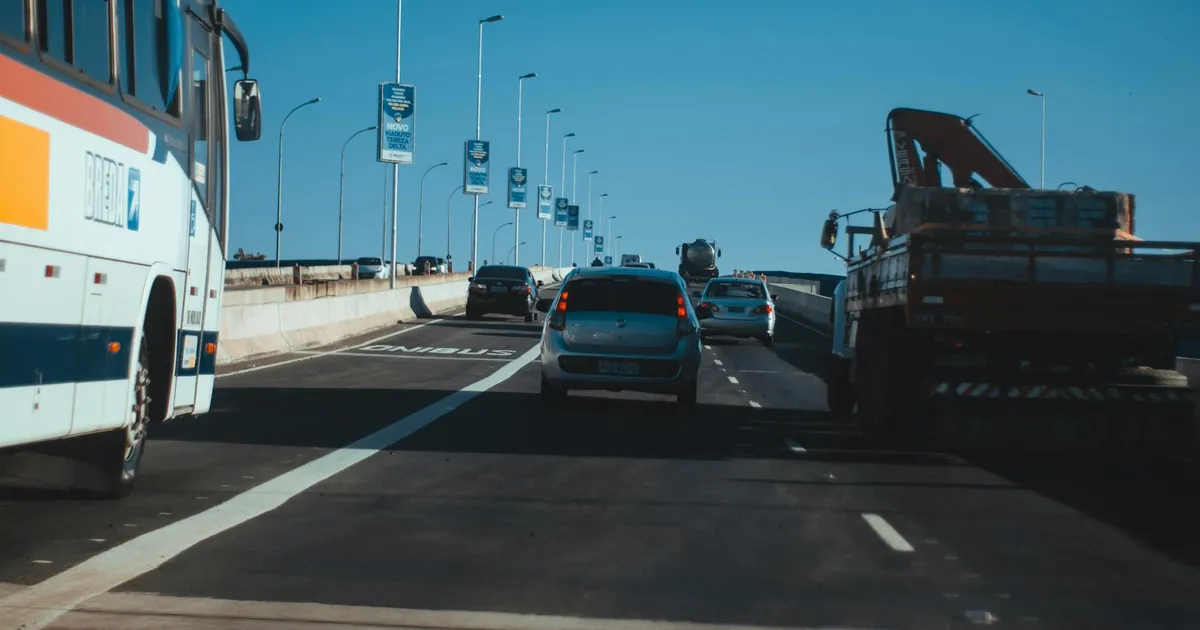
Driving in heavy traffic can turn even the most patient person into a bundle of nerves. The stop-and-go rhythm, aggressive lane changers, and endless sea of brake lights test your focus and reflexes like nothing else. But what if you could navigate congested roads with confidence, reducing stress while keeping your vehicle—and sanity—intact? Mastering smooth driving in heavy traffic isn’t just about avoiding frustration; it’s about safety, fuel efficiency, and arriving at your destination without feeling like you’ve run a marathon. Whether you’re a daily commuter or an occasional city driver, these expert-backed strategies will transform your experience behind the wheel.
What Does Smooth Driving in Heavy Traffic Really Mean?
Smooth driving in heavy traffic is the art of maintaining a steady, predictable flow while minimizing abrupt stops, aggressive maneuvers, and unnecessary stress. It’s not about speed—it’s about rhythm, anticipation, and harmony with the vehicles around you. Think of it like dancing: the best partners move in sync, reading each other’s cues without stepping on toes. On the road, this translates to maintaining safe distances, signaling intentions early, and adjusting your speed gradually. The goal isn’t just to avoid accidents; it’s to create a more pleasant, efficient drive for yourself and others.
Research from the National Highway Traffic Safety Administration shows that smooth driving reduces fuel consumption by up to 33% and lowers the risk of rear-end collisions by nearly 50%. It also cuts down on wear and tear for your vehicle, saving you money on maintenance in the long run. But perhaps the biggest benefit is psychological: when you’re not constantly slamming brakes or white-knuckling the steering wheel, your stress levels plummet. The key lies in shifting your mindset from reactive to proactive driving.
Master the Art of Anticipation
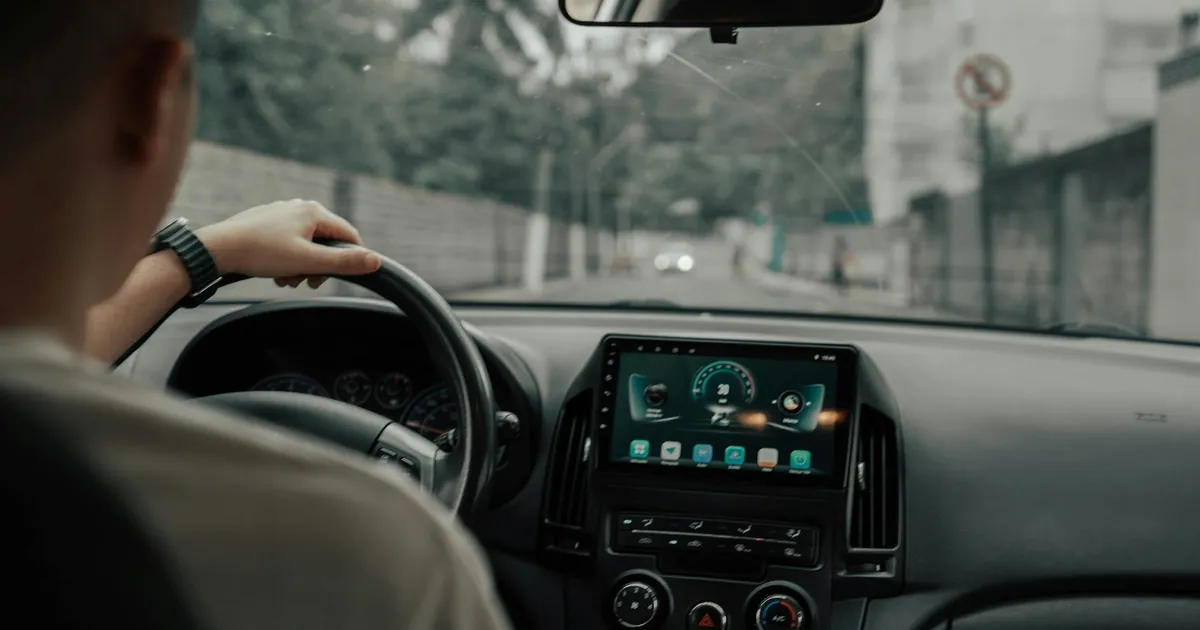
Anticipation is the secret weapon of smooth drivers. Instead of reacting to what’s happening directly in front of you, train yourself to scan the road 10–15 seconds ahead. This means watching brake lights two or three cars ahead, noticing traffic signals changing in the distance, and spotting potential hazards like merging lanes or construction zones before they become urgent. The more you anticipate, the less you’ll need to brake suddenly or swerve at the last second.
Start by practicing the “three-second rule.” Pick a fixed point on the road, like a sign or overpass. When the car in front of you passes it, count “one-Mississippi, two-Mississippi, three-Mississippi.” If you reach the same point before finishing, you’re following too closely. In heavy traffic, extend this to four or five seconds to give yourself extra reaction time. This buffer isn’t just about safety—it also lets you maintain a smoother speed, avoiding the jerky stop-and-go motion that wastes fuel and frays nerves.
How to Read Traffic Patterns Like a Pro
Traffic moves in waves, and learning to ride them can make your drive significantly smoother. Watch for patterns: do cars tend to speed up and slow down at certain points? Are there lanes that consistently move faster? For example, if you notice that the left lane slows down every time a certain exit approaches, you can adjust your position early to avoid getting stuck behind a line of brake lights. Similarly, if a lane merges ahead, start easing into the open lane before the bottleneck forms.
Another pro tip: pay attention to the “zipper merge.” When two lanes converge, many drivers try to merge early, creating unnecessary congestion. Instead, stay in your lane until the merge point, then take turns with other drivers. This method keeps traffic flowing more efficiently and reduces frustration for everyone. The Federal Highway Administration found that zipper merging can reduce delays by up to 40% in heavy traffic.
Using Technology to Your Advantage
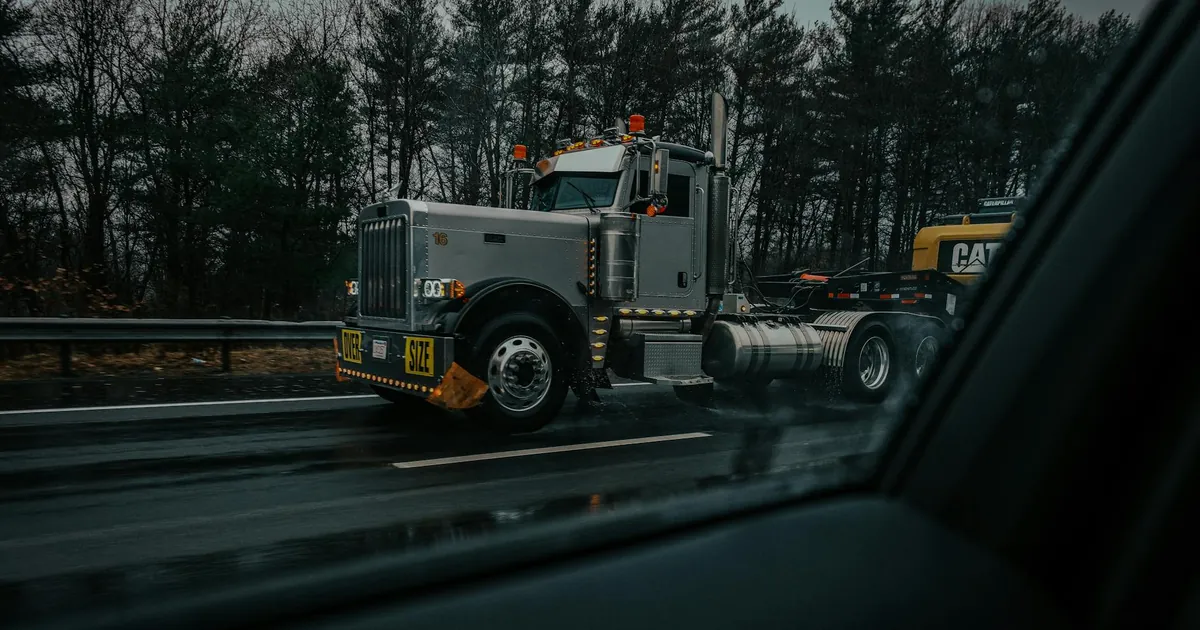
Modern vehicles come equipped with tools that can make heavy traffic more manageable. Adaptive cruise control (ACC) is a game-changer, automatically adjusting your speed to maintain a safe distance from the car ahead. If your car has this feature, use it—it takes the guesswork out of maintaining a smooth following distance. Just remember, ACC isn’t a substitute for attention; you still need to stay alert and ready to take over if needed.
Navigation apps like Waze or Google Maps can also help you anticipate traffic jams before you hit them. These apps provide real-time updates on accidents, construction, and congestion, allowing you to reroute or mentally prepare for slowdowns. Set your app to alert you to upcoming delays so you can adjust your speed gradually instead of slamming the brakes at the last second.
Keep Your Cool Behind the Wheel
Heavy traffic is a breeding ground for road rage, but losing your temper only makes the situation worse. Aggressive driving—tailgating, honking, or weaving between lanes—doesn’t get you to your destination faster. In fact, studies show it can increase travel time by up to 10% due to the ripple effect of sudden braking and lane changes. Instead, focus on staying calm and collected. Take deep breaths, listen to calming music or a podcast, and remind yourself that everyone is in the same boat.
One effective technique is to reframe your mindset. Instead of seeing traffic as an obstacle, view it as an opportunity to practice patience and mindfulness. Use the time to observe your surroundings, notice small details, or even plan your day. If you’re running late, accept that there’s nothing you can do to change the traffic—only how you respond to it. This shift in perspective can make a world of difference in your stress levels.
If you find yourself getting frustrated, try the “5-4-3-2-1” grounding technique. Name five things you can see (e.g., a billboard, a red car), four things you can touch (your steering wheel, your seatbelt), three things you can hear (the engine, the radio), two things you can smell (your air freshener, coffee), and one thing you can taste. This simple exercise can help reset your nervous system and bring you back to the present moment.
Optimize Your Vehicle for Heavy Traffic
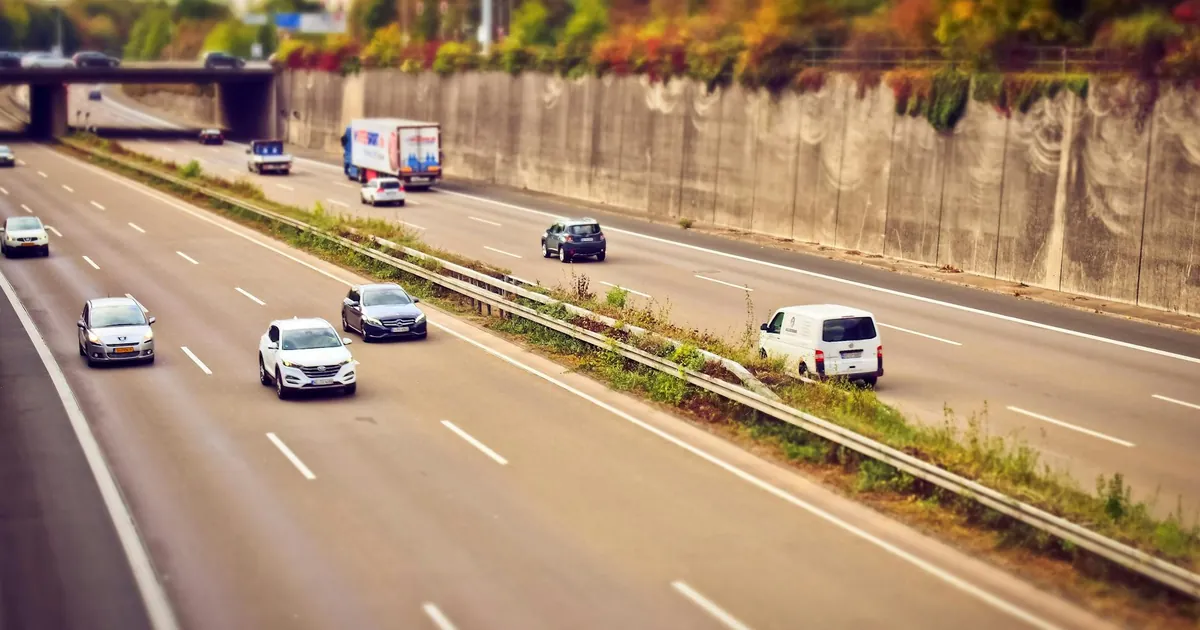
Your car’s condition plays a bigger role in heavy traffic than you might think. A well-maintained vehicle responds more smoothly to acceleration and braking, making it easier to navigate stop-and-go conditions. Start with your tires: underinflated tires reduce fuel efficiency and make your car feel sluggish, while overinflated tires can lead to a harsh, bumpy ride. Check your tire pressure at least once a month and keep them inflated to the manufacturer’s recommended PSI.
Brakes are another critical component. Worn brake pads or low brake fluid can make stopping feel jerky or delayed, which is the last thing you want in heavy traffic. If you notice your brakes squeaking, grinding, or taking longer to stop, get them checked immediately. Regular maintenance, like the tips in this basic car care guide, can prevent these issues and keep your vehicle running smoothly.
Fuel Efficiency Hacks for Stop-and-Go Driving
Heavy traffic is notorious for guzzling gas, but you can minimize the damage with a few simple adjustments. First, avoid aggressive acceleration and braking. Every time you floor the gas pedal, your engine burns more fuel, and every hard brake wastes the momentum you’ve built up. Instead, accelerate gently and coast when possible. If you see a red light or slowdown ahead, lift your foot off the gas early and let your car glide to a stop.
Another tip: turn off your engine if you’re stopped for more than 30 seconds. Idling burns fuel unnecessarily, and modern engines don’t need to “warm up” for long periods. If you’re stuck in a long line at a drive-thru or railroad crossing, shift into neutral and turn off the ignition. Just be sure to restart your car before the light turns green to avoid holding up traffic.
Comfort Adjustments for Long Traffic Jams
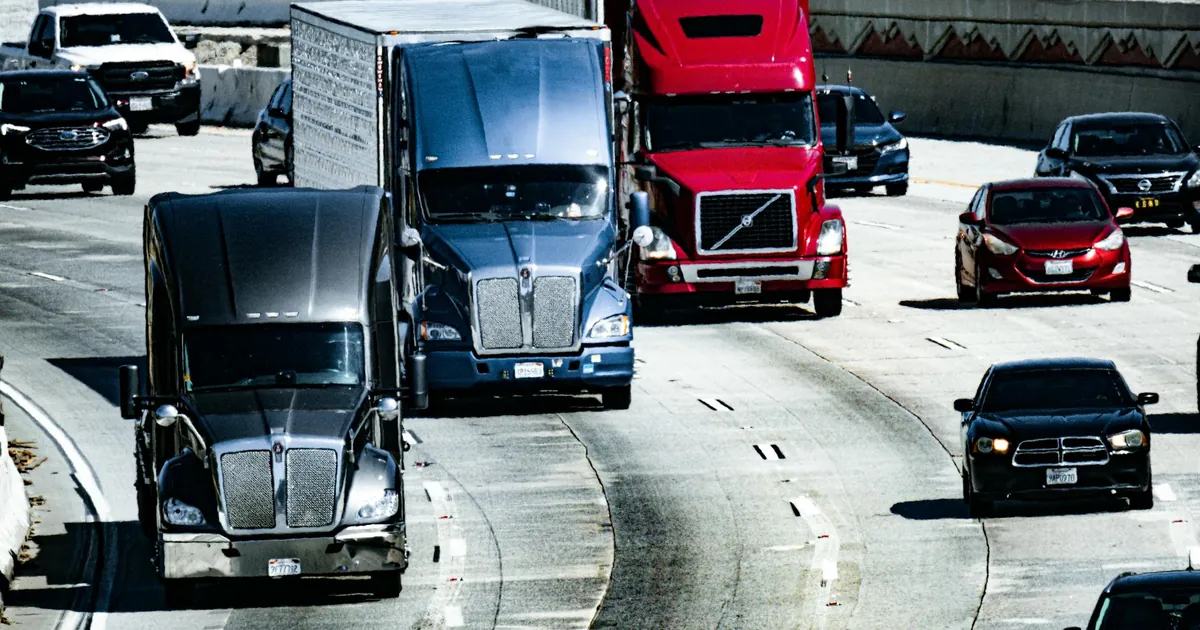
Sitting in traffic for extended periods can take a toll on your body, leading to stiffness, back pain, and fatigue. Adjust your seat so your back is fully supported, and your knees are slightly bent when pressing the pedals. If your car has lumbar support, use it to maintain the natural curve of your spine. For extra comfort, consider adding a small cushion or rolled-up towel behind your lower back.
Your hands and arms also need attention. Grip the steering wheel at the 9-and-3 o’clock positions to reduce strain on your shoulders and wrists. If your car has cruise control, use it to give your right foot a break. And don’t forget to take micro-breaks: stretch your fingers, roll your shoulders, and wiggle your toes to keep blood circulating. These small adjustments can make a big difference in how you feel at the end of your drive.
Lane Discipline: The Unsung Hero of Smooth Driving
Lane discipline is one of the most overlooked aspects of smooth driving in heavy traffic. Many drivers treat lanes like suggestions, drifting between them without signaling or hogging the left lane (the “fast lane”) even when they’re not passing. This behavior creates bottlenecks, forces other drivers to brake suddenly, and increases the risk of accidents. The solution? Pick a lane and stick with it unless you need to pass or exit.
The left lane is for passing only. If you’re not actively overtaking another vehicle, move to the right. This keeps traffic flowing smoothly and reduces the need for abrupt lane changes. When you do need to switch lanes, signal early and check your blind spots. A good rule of thumb is to signal for at least three seconds before moving—this gives other drivers time to react and adjust their speed if needed.
If you’re in a lane that’s about to end or merge, don’t wait until the last second to move over. Start looking for gaps in the adjacent lane early, and merge smoothly. If someone lets you in, give them a friendly wave or flash of your hazard lights to acknowledge their courtesy. Small gestures like this can make heavy traffic feel less adversarial and more cooperative.
Dealing with Aggressive Drivers
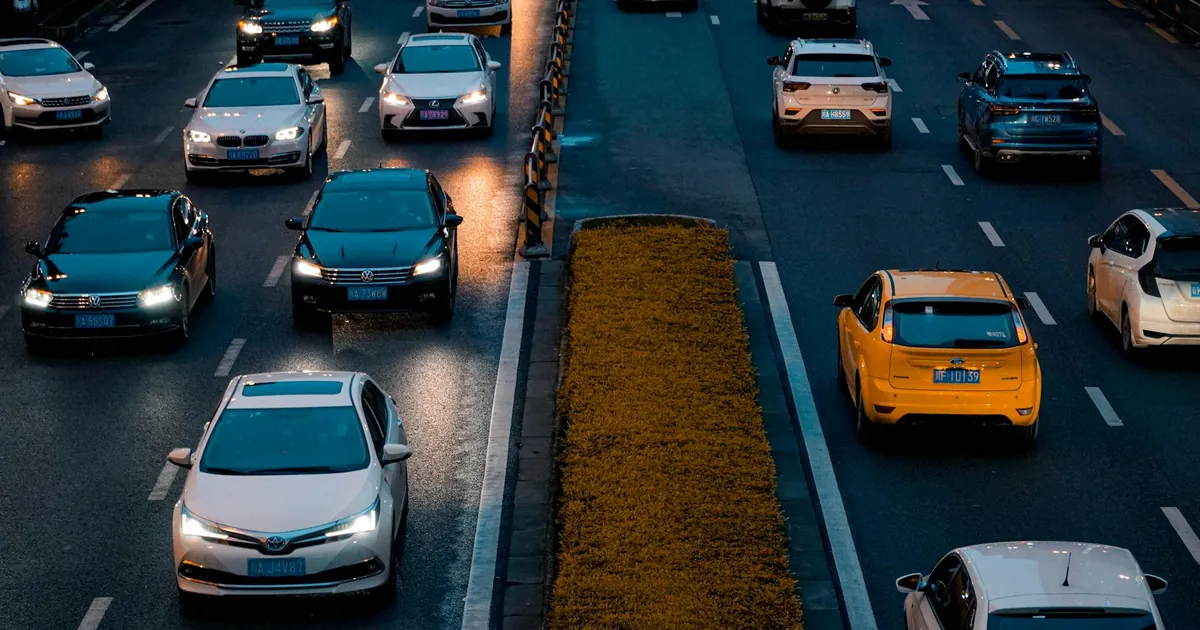
No matter how smoothly you drive, you’ll inevitably encounter aggressive drivers in heavy traffic. Tailgaters, lane cutters, and honkers can test your patience, but how you respond can make all the difference. The key is to stay calm and avoid engaging. If someone is tailgating you, resist the urge to brake check them. Instead, maintain your speed or move to the right to let them pass. Remember, their aggression is about them, not you.
If a driver is weaving dangerously or cutting people off, give them plenty of space. Don’t try to “teach them a lesson” by speeding up or blocking them—this only escalates the situation. Instead, focus on your own driving and let them move on. If you feel threatened, note their license plate number and report them to the authorities when it’s safe to do so. Most importantly, don’t take their behavior personally. Aggressive drivers are often dealing with their own stress or frustration, and reacting to them only puts you at risk.
How to Handle Road Rage Incidents
If you find yourself in a road rage situation, your priority is to de-escalate and remove yourself from the conflict. Avoid making eye contact or gesturing, as these can be interpreted as confrontational. If the other driver is following you or trying to engage, don’t pull over or get out of your car. Instead, drive to a public place, like a gas station or police station, and call for help. Never lead them to your home or a secluded area.
If you’re the one feeling angry, take a moment to cool down before reacting. Pull over if you need to, and take a few deep breaths. Remind yourself that getting into an altercation isn’t worth the risk to your safety or your record. As the saying goes, “The best revenge is living well”—or in this case, driving well and arriving safely at your destination.
Key Takeaways
- Anticipate traffic flow by scanning the road 10–15 seconds ahead and using the three-second rule to maintain a safe following distance.
- Stay calm with mindfulness techniques like deep breathing or the 5-4-3-2-1 grounding method to reduce stress.
- Optimize your vehicle with proper tire pressure, brake maintenance, and fuel-efficient driving habits to handle stop-and-go traffic smoothly.
- Practice lane discipline by staying in the right lane unless passing, signaling early, and merging smoothly to keep traffic flowing.
- Use technology like adaptive cruise control and navigation apps to anticipate delays and maintain a steady speed.
- De-escalate conflicts with aggressive drivers by avoiding engagement and prioritizing your safety.
- Adjust your comfort with proper seat positioning, micro-breaks, and ergonomic adjustments to reduce fatigue during long traffic jams.
Expert Insights
“Smooth driving in heavy traffic isn’t about skill—it’s about mindset. The best drivers aren’t the fastest; they’re the ones who stay calm, anticipate changes, and move with the flow rather than against it. Think of traffic like a river: the water doesn’t fight the current; it finds the path of least resistance. Apply that same principle to your driving, and you’ll not only reduce stress but also arrive at your destination safer and more relaxed.”
—Dr. Sarah Johnson, Traffic Psychology Expert at the American Psychological Association
Frequently Asked Questions
Is it better to drive in the left or right lane in heavy traffic?
The right lane is generally the best choice for heavy traffic. The left lane is meant for passing, so staying in it when you’re not overtaking another vehicle can create bottlenecks and force other drivers to weave around you. The right lane also gives you easier access to exits and merges, reducing the need for last-minute lane changes. However, if the right lane is moving significantly slower due to trucks or frequent merging, it’s okay to use the middle lane temporarily.
How can I avoid getting stuck behind large vehicles like trucks or buses?
Large vehicles can block your view and make it harder to anticipate traffic flow. To avoid getting stuck behind them, look for gaps in the adjacent lane and move over when it’s safe. If you can’t change lanes, increase your following distance to at least five seconds. This gives you a better view of the road ahead and more time to react if the truck brakes suddenly. Avoid tailgating, as trucks have larger blind spots and may not see you if you’re too close.
What’s the best way to handle a sudden traffic jam?
When you encounter a sudden traffic jam, the key is to slow down gradually and avoid slamming the brakes. Turn on your hazard lights briefly to alert drivers behind you, then focus on maintaining a safe distance from the car in front. Use this time to check your navigation app for updates on the delay. If the jam is caused by an accident or construction, consider taking an alternate route if it’s safe and legal to do so. If you’re stuck for a while, use the time to stretch, hydrate, or listen to a podcast to pass the time.
How do I merge smoothly in heavy traffic?
Merging smoothly in heavy traffic requires patience and timing. Start by matching the speed of the lane you’re merging into. Signal early to let other drivers know your intention, then look for a gap in traffic. Aim to merge when you’re parallel with the gap, not before or after. If someone lets you in, give them a wave or flash of your hazard lights to show appreciation. If traffic is moving slowly, use the zipper merge technique: stay in your lane until the merge point, then take turns with other drivers.
What should I do if my car starts overheating in heavy traffic?
If your car starts overheating in heavy traffic, the first step is to turn off the air conditioning and turn on the heater. This may sound counterintuitive, but the heater helps dissipate heat from the engine. Pull over as soon as it’s safe to do so and turn off the engine. Let the car cool down for at least 15 minutes before checking the coolant level. If you’re not comfortable doing this yourself, call for roadside assistance. For more tips on handling engine overheating, check out this guide to fixing engine overheating.
Is it safe to use cruise control in heavy traffic?
Cruise control can be safe in heavy traffic if your car has adaptive cruise control (ACC). ACC automatically adjusts your speed to maintain a safe distance from the car ahead, making it ideal for stop-and-go conditions. However, traditional cruise control is not recommended for heavy traffic, as it doesn’t account for sudden slowdowns or stops. If you’re using ACC, stay alert and be ready to take over if the system doesn’t react quickly enough. Always keep your foot near the brake pedal just in case.
How can I reduce stress while driving in heavy traffic?
Reducing stress in heavy traffic starts with preparation. Leave early to give yourself a buffer, so you’re not rushing. Listen to calming music, a podcast, or an audiobook to distract yourself from the frustration. Practice deep breathing or mindfulness techniques to stay centered. If you’re feeling overwhelmed, pull over for a few minutes to regroup. Remember, traffic is temporary, and getting upset won’t make it move faster. Focus on what you can control—your own driving—and let go of the rest.
Driving in heavy traffic doesn’t have to be a nightmare. By mastering anticipation, staying calm, and optimizing your vehicle and mindset, you can turn even the most congested commute into a smooth, stress-free experience. The road is shared by everyone, and the more considerate and prepared you are, the better it is for all drivers. So next time you’re stuck in traffic, take a deep breath, put these tips into practice, and enjoy the ride—one smooth mile at a time.
Ready to put these strategies to the test? Start with one or two tips on your next drive and notice the difference. And if you’re looking to improve your overall driving skills, check out this complete guide to safe driving for new drivers—it’s packed with insights that even experienced drivers can benefit from. Safe travels!