
Safe driving isn’t just about passing your test—it’s about building habits that protect you, your passengers, and everyone else on the road for years to come. For new drivers, the first few months behind the wheel can feel overwhelming, with unfamiliar controls, unpredictable traffic, and the pressure to make split-second decisions. But here’s the good news: mastering safe driving is entirely within your reach. This complete guide breaks down essential tips, from pre-drive checks to handling emergencies, so you can drive with confidence and avoid common pitfalls that lead to accidents. Whether you’re navigating city streets or highway speeds, these strategies will help you stay in control, reduce stress, and make every trip safer.
What Is Safe Driving? A Quick Definition
Safe driving means operating a vehicle in a way that minimizes risks to yourself and others. It combines technical skills—like steering and braking—with situational awareness, defensive techniques, and adherence to traffic laws. At its core, safe driving is about anticipation: recognizing hazards before they become emergencies, adjusting to road conditions, and making decisions that prioritize safety over speed or convenience. For new drivers, this mindset is just as important as knowing how to parallel park or merge onto a highway.
Pre-Drive Checks: Your Safety Starts Before You Turn the Key
Many new drivers overlook the importance of pre-drive checks, assuming their car is always ready to go. But a quick inspection can prevent breakdowns, accidents, or even fines. Start by walking around your vehicle to check for obvious issues: flat tires, fluid leaks, or objects obstructing your path. Next, adjust your seat, mirrors, and steering wheel so you’re comfortable and have maximum visibility. Don’t forget to secure loose items—like water bottles or bags—that could roll under the pedals or distract you while driving.
Inside the car, ensure all passengers are buckled up and that your dashboard lights are functioning normally. A quick glance at your fuel gauge can save you from running out of gas on a busy road. If you’re driving a vehicle you’re unfamiliar with—like a rental or a friend’s car—take a moment to locate the headlight controls, windshield wipers, and hazard lights. These small steps might seem tedious, but they set the foundation for a smooth, stress-free drive. For a deeper dive into vehicle maintenance, check out this guide on how often you should service your car.
Essential Fluids to Check Regularly
Your car relies on several fluids to run smoothly, and ignoring them can lead to serious mechanical issues. Here’s what to monitor:
- Engine oil: Check the dipstick monthly and top up if it’s low. Dark or gritty oil means it’s time for a change.
- Coolant: Prevents your engine from overheating. Check the reservoir when the engine is cool and refill as needed.
- Brake fluid: Low levels can affect braking performance. Look for the reservoir near the firewall and ensure it’s between the min/max marks.
- Windshield washer fluid: Keep it topped up for clear visibility, especially in bad weather.
Tire Safety: More Than Just Pressure
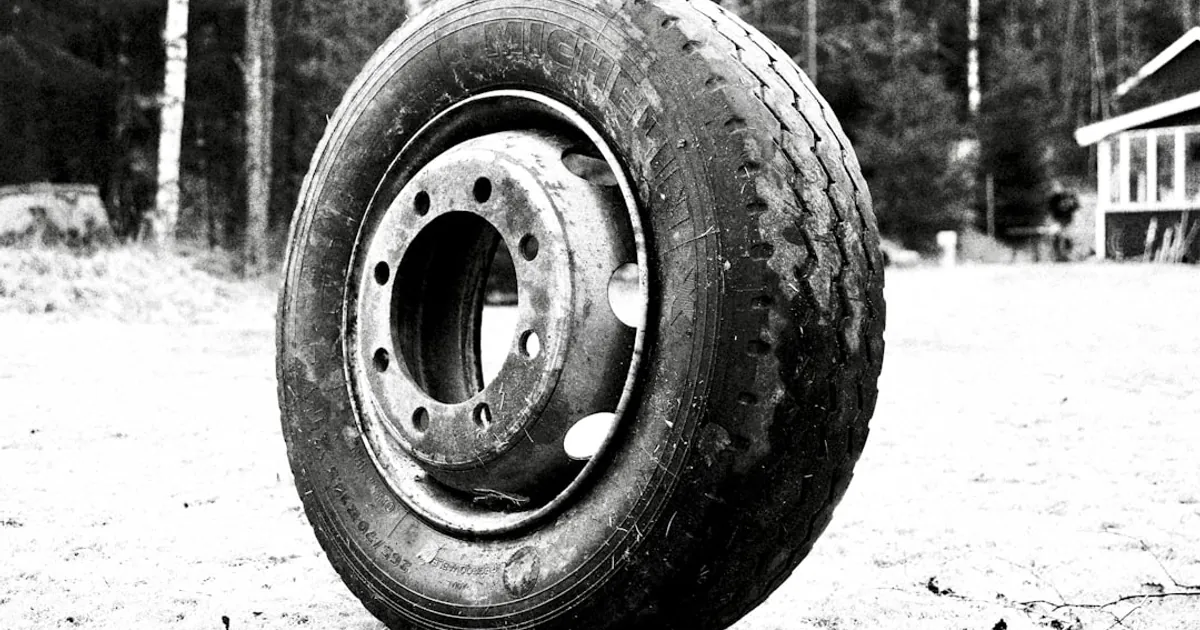
Tires are your only contact with the road, so their condition directly impacts your safety. Check the pressure at least once a month using a reliable gauge—don’t rely on visual inspections, as tires can look fine even when underinflated. Refer to your car’s manual or the sticker inside the driver’s door for the correct PSI. While you’re at it, inspect the tread depth using the “penny test”: insert a penny into the tread with Lincoln’s head upside down. If you can see the top of his head, your tires need replacing.
Also, look for uneven wear, cracks, or bulges, which can indicate alignment issues or potential blowouts. Rotating your tires every 5,000–7,000 miles ensures even wear and extends their lifespan. If you’re unsure about tire maintenance, many auto shops offer free inspections—take advantage of them.
Mastering Defensive Driving Techniques
Defensive driving is the art of anticipating potential hazards and reacting proactively to avoid them. It’s not about being overly cautious—it’s about being prepared. One of the most effective techniques is the “three-second rule”: pick a stationary object ahead, like a sign or tree, and count how long it takes for the car in front of you to pass it. If it’s less than three seconds, increase your following distance. This buffer gives you time to react if the car ahead brakes suddenly.
Another key skill is scanning the road ahead. Instead of fixating on the car in front of you, look 10–15 seconds ahead to spot traffic slowdowns, pedestrians, or debris. Check your mirrors every 5–8 seconds to stay aware of your surroundings, especially before changing lanes or turning. Avoid “tunnel vision” by occasionally glancing at your speedometer and dashboard to ensure you’re not speeding or missing warning lights.
Handling Blind Spots Like a Pro
Blind spots are areas around your vehicle that you can’t see in your mirrors, and they’re a common cause of accidents. To check them, turn your head briefly to look over your shoulder before changing lanes or merging. Many modern cars have blind-spot monitoring systems, but don’t rely on them entirely—technology can fail, and it’s no substitute for good habits.
When driving near large vehicles like trucks or buses, remember that their blind spots are much larger than yours. If you can’t see the driver’s face in their side mirror, they can’t see you. Give them extra space, especially when turning or merging, and never linger alongside them.
Dealing with Aggressive Drivers
Aggressive drivers can turn a routine commute into a high-stress situation. If someone is tailgating, speeding, or weaving through traffic, the best response is to stay calm and avoid engaging. Don’t make eye contact or gesture—this can escalate the situation. Instead, safely change lanes to let them pass, or pull over if you feel threatened. If the behavior is extreme, note the license plate and report it to local authorities when it’s safe to do so.
Remember, your goal is to get home safely, not to “win” a road confrontation. Defensive driving means prioritizing safety over pride, even if it means letting someone else have the right of way.
Navigating Different Road Conditions with Confidence
Road conditions can change in an instant, and new drivers often struggle to adapt. Rain, for example, reduces traction and increases stopping distances. If you find yourself hydroplaning—where your tires lose contact with the road—ease off the accelerator and steer straight until you regain control. Avoid slamming the brakes, as this can make the skid worse. In heavy rain, use your headlights (not high beams) to improve visibility, and double your following distance to account for slippery roads.
Snow and ice require even more caution. Accelerate and brake gently to avoid skidding, and use lower gears to maintain control on hills. If you start sliding, steer into the skid—if your rear wheels are sliding left, turn the wheel left to straighten out. Black ice, which is nearly invisible, is especially dangerous. If you suspect it’s present, drive slowly and avoid sudden movements. For more tips on winter driving, the National Highway Traffic Safety Administration offers excellent resources.
Driving at Night: Overcoming Reduced Visibility

Night driving presents unique challenges, from reduced visibility to glare from oncoming headlights. To stay safe, dim your dashboard lights to reduce eye strain, and use your high beams on dark, empty roads—just remember to switch them off when other cars approach. If an oncoming driver forgets to dim their lights, look toward the right edge of the road to avoid being blinded.
Fatigue is another major risk at night. If you feel drowsy, pull over and take a short nap or switch drivers if possible. Caffeine can help temporarily, but it’s not a substitute for rest. Plan your route in advance to avoid getting lost, as unfamiliar roads can add stress to nighttime driving.
Handling Construction Zones Safely
Construction zones are a test of patience and attention. Reduce your speed as soon as you see warning signs, and be prepared for sudden lane shifts or stopped traffic. Keep an eye out for workers and equipment, and avoid distractions like your phone or loud music. If you’re merging, do so early and smoothly—don’t wait until the last minute, as this can cause congestion and frustration for other drivers.
Remember, fines for speeding in construction zones are often doubled, so it’s not worth the risk. Stay alert, follow posted signs, and give yourself extra time to reach your destination.
Managing Distractions: Staying Focused Behind the Wheel
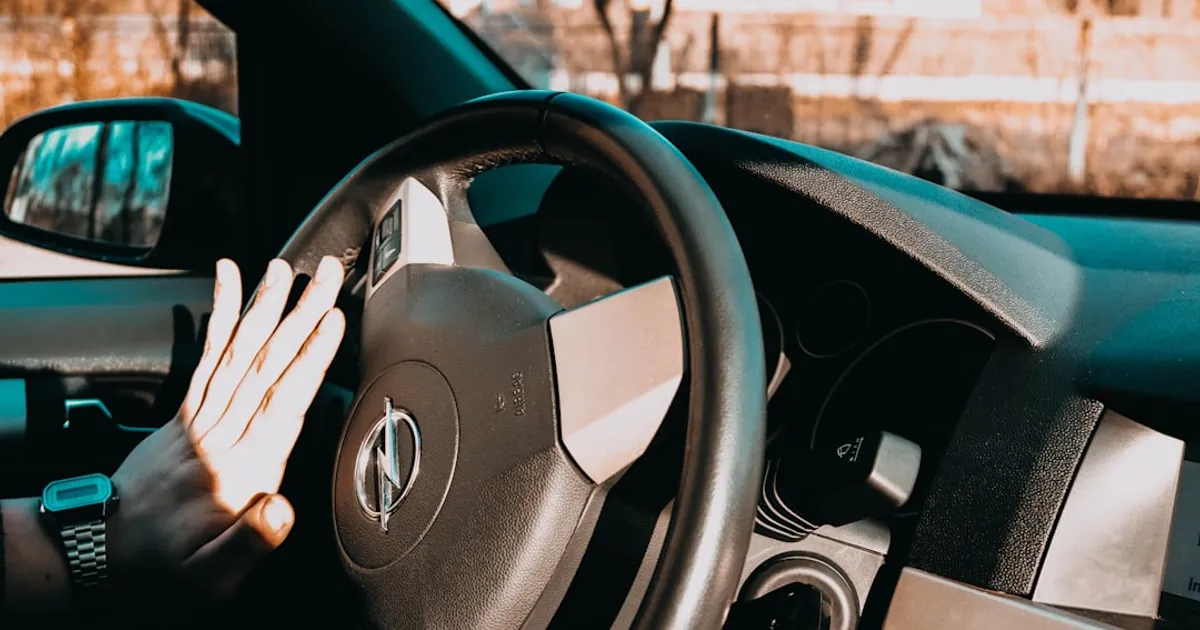
Distracted driving is one of the leading causes of accidents among new drivers. The most common culprit? Smartphones. Even a quick glance at a text takes your eyes off the road for an average of five seconds—enough time to travel the length of a football field at highway speeds. To avoid temptation, keep your phone out of reach or use a driving mode that silences notifications. If you need to use GPS, set it up before you start driving and use voice commands to adjust it.
Other distractions include eating, adjusting the radio, or talking to passengers. While it’s natural to want to chat, loud conversations can pull your focus away from the road. Set ground rules with your passengers: if they’re being too rowdy, ask them to tone it down. If you’re driving with friends, consider taking turns as the “designated driver” to minimize distractions for everyone.
Passenger Etiquette for New Drivers
Passengers can be a great help or a major distraction, depending on how they behave. If you’re driving with friends, ask them to keep the noise level reasonable and avoid sudden movements that might startle you. If someone is being disruptive, don’t hesitate to pull over and address it—your safety comes first.
For parents driving with teens, lead by example. Avoid using your phone, eating, or engaging in other distracting behaviors. If your teen is driving, keep conversations light and avoid criticizing their skills in the moment. Save feedback for after the drive, when they can focus on what you’re saying.
The Dangers of Multitasking While Driving
Many new drivers underestimate how much mental effort driving requires. Even hands-free tasks, like talking on the phone or using voice commands, can reduce your reaction time. Studies show that multitasking behind the wheel is as dangerous as driving drunk. To stay focused, keep your mind on the road by narrating your actions: “I’m checking my mirrors,” “I’m slowing down for a red light.” This simple technique keeps your brain engaged and reduces the urge to daydream.
Emergency Situations: What to Do When Things Go Wrong
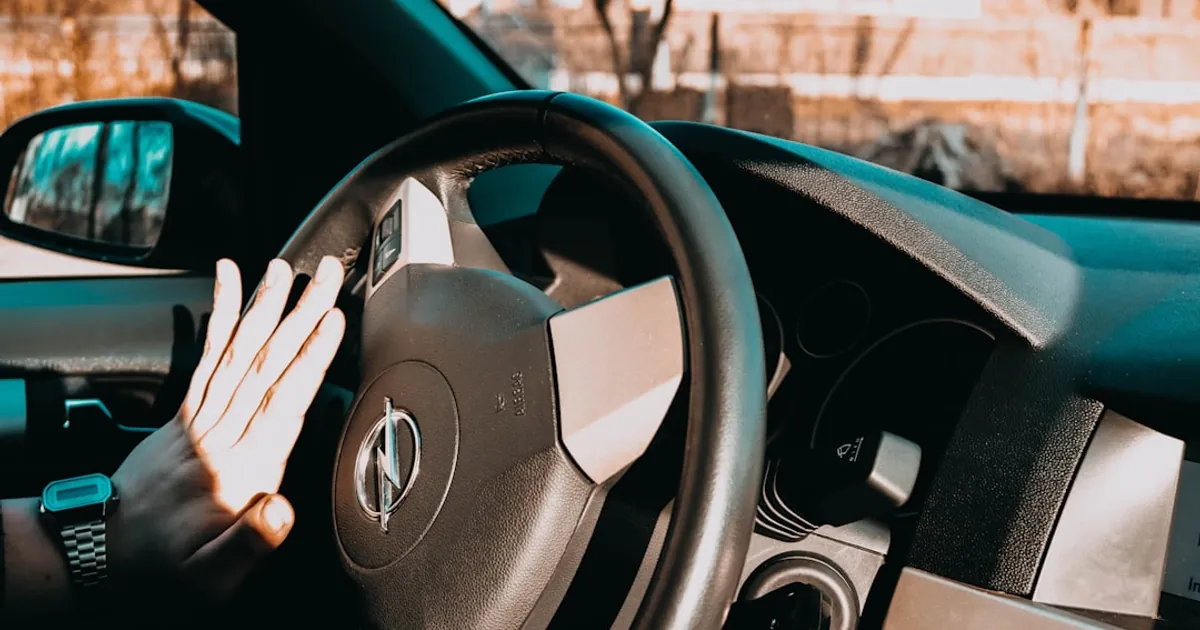
No matter how careful you are, emergencies can happen. The key is to stay calm and know how to respond. If your car breaks down, pull over to a safe spot, turn on your hazard lights, and call for help. If you’re on a highway, exit if possible—never try to fix your car on the shoulder. If you can’t move your car, stay inside with your seatbelt on and wait for assistance.
In the event of a blowout, grip the steering wheel firmly and avoid slamming the brakes. Instead, ease off the accelerator and let your car slow down naturally before steering to a safe spot. If you’re involved in a minor accident, move your car out of traffic if it’s drivable, exchange information with the other driver, and take photos of the damage. For more serious accidents, call 911 immediately and don’t move injured passengers unless they’re in immediate danger.
Handling a Skid on Slippery Roads
Skids can be terrifying, but knowing how to react can prevent a crash. If your front wheels skid (understeer), ease off the accelerator and steer in the direction you want to go. If your rear wheels skid (oversteer), turn the wheel toward the skid—if the rear is sliding left, steer left. Avoid braking suddenly, as this can make the skid worse. Practice in an empty parking lot to build confidence, and remember that smooth inputs are key to regaining control.
What to Do If You’re Pulled Over
Getting pulled over can be nerve-wracking, but staying calm and following a few simple steps can make the process smoother. As soon as you see the flashing lights, signal and pull over to a safe spot. Turn off your engine, roll down your window, and keep your hands visible on the steering wheel. When the officer approaches, be polite and follow their instructions. If you’re asked for your license and registration, tell the officer where they are before reaching for them.
If you disagree with the ticket, don’t argue on the spot. You can contest it in court later. The goal is to end the interaction safely and respectfully.
Key Takeaways for New Drivers
- Always perform pre-drive checks, including tire pressure, fluid levels, and mirror adjustments.
- Use defensive driving techniques like the three-second rule and scanning the road ahead.
- Adjust your driving for different conditions, whether it’s rain, snow, or nighttime.
- Minimize distractions by keeping your phone out of reach and setting ground rules with passengers.
- Know how to handle emergencies, from breakdowns to skids, with a calm and methodical approach.
- Stay patient in construction zones and around aggressive drivers—safety comes first.
- Regular vehicle maintenance, like oil changes and tire rotations, is crucial for safe driving. Learn more about how often you should service your car.
Expert Insights
“New drivers often focus on the mechanics of driving—steering, braking, shifting—but the real key to safety is mindset. Defensive driving isn’t about being timid; it’s about being proactive. Anticipate what other drivers might do, and always have an escape plan. The best drivers aren’t the fastest or the most skilled—they’re the ones who never take safety for granted.”
—Sarah Johnson, Senior Driving Instructor at the National Safety Council
Frequently Asked Questions
How can I overcome nervousness when driving for the first time?
Start in low-stress environments, like empty parking lots or quiet residential streets, to build confidence. Practice basic maneuvers—parking, turning, stopping—until they feel natural. Gradually introduce more challenging scenarios, like highway driving or heavy traffic. Remember, it’s normal to feel nervous at first, but with practice, your comfort level will grow. If anxiety persists, consider taking a defensive driving course to boost your skills and confidence.
What’s the best way to merge onto a highway?
Merging onto a highway requires timing and speed control. First, accelerate on the entrance ramp to match the speed of traffic. Use your turn signal to indicate your intention, and check your mirrors and blind spot for a safe gap. Merge smoothly into the lane, avoiding sudden movements. If traffic is heavy, be patient and wait for an opening—don’t force your way in. Practice makes perfect, so don’t be discouraged if it feels tricky at first.
Is it safe to drive with headphones on?
Driving with headphones is risky because it reduces your ability to hear sirens, horns, or other important sounds. In many states, it’s also illegal. If you need music, use your car’s speakers at a reasonable volume. If you’re using GPS, rely on voice directions rather than looking at your phone. Your full attention should be on the road, not your playlist.
How do I handle a tailgater?
If someone is tailgating you, the safest response is to let them pass. Slow down slightly and move to the right lane if possible. Avoid braking suddenly, as this could cause a collision. If the tailgater is aggressive, don’t engage—focus on getting to your destination safely. If you feel threatened, drive to a public place or call the police.
What should I do if I miss my exit?
If you miss your exit, don’t panic or make a sudden lane change. Continue to the next exit and find a safe place to turn around. Trying to cut across traffic is dangerous and can lead to accidents. Use your GPS to find an alternative route, and give yourself extra time to reach your destination. It’s better to arrive late than not at all.
How often should I take breaks on long drives?
On long drives, take a break every two hours or 100 miles to stretch, hydrate, and rest your eyes. Fatigue slows your reaction time and increases the risk of accidents. If you feel drowsy, pull over and take a 15–20 minute nap. Avoid relying on caffeine or loud music to stay awake—these are temporary fixes that don’t address the root cause of fatigue.
What’s the safest way to drive in heavy traffic?
In heavy traffic, maintain a safe following distance and avoid sudden lane changes. Use your mirrors frequently to stay aware of your surroundings, and watch for brake lights ahead to anticipate slowdowns. Keep your speed consistent and avoid aggressive maneuvers like tailgating or weaving. If traffic is stop-and-go, stay patient and focus on smooth acceleration and braking. For more tips, check out this Forbes guide on driving in heavy traffic.
Safe driving is a skill that improves with practice and patience. By mastering these techniques, you’ll not only protect yourself but also contribute to safer roads for everyone. Start small, stay consistent, and remember: every trip is an opportunity to become a better driver. The road ahead is yours—drive it wisely.