



How often should you service your car? It’s a question that puzzles even the most diligent drivers. While some treat their vehicle like a high-maintenance pet—scheduling check-ups every few months—others adopt a “wait until it breaks” approach, often regretting it later. The truth lies somewhere in between, but the stakes are higher than you might think. A well-timed service can prevent costly repairs, extend your car’s lifespan, and even improve fuel efficiency. Yet, with conflicting advice from mechanics, dealerships, and online forums, it’s easy to feel overwhelmed. This guide cuts through the noise, offering a clear, science-backed roadmap to keep your car running smoothly without overspending or neglecting critical maintenance.
What Does “Car Servicing” Actually Mean?
Car servicing isn’t just about changing the oil or topping up fluids—it’s a comprehensive health check for your vehicle. Think of it like a doctor’s visit for your car, where trained professionals inspect, adjust, and replace components to prevent breakdowns and optimize performance. A typical service includes checking the engine, brakes, tires, suspension, and electrical systems, along with replacing consumables like oil, filters, and spark plugs. The goal? To catch minor issues before they snowball into expensive problems. For example, a worn brake pad might cost $50 to replace during a routine service, but if ignored, it could damage the rotor, pushing the repair bill into the hundreds.
There’s no one-size-fits-all answer to how often you should service your car because it depends on factors like mileage, driving conditions, and the manufacturer’s recommendations. However, most experts agree that following a structured schedule—whether time-based or mileage-based—is the best way to avoid surprises. Skipping services might save you money in the short term, but it’s a gamble that often backfires. A 2022 study by the American Automobile Association (AAA) found that vehicles serviced regularly had 25% fewer major repairs over their lifetime compared to those with inconsistent maintenance.
Basic vs. Full Service: What’s the Difference?
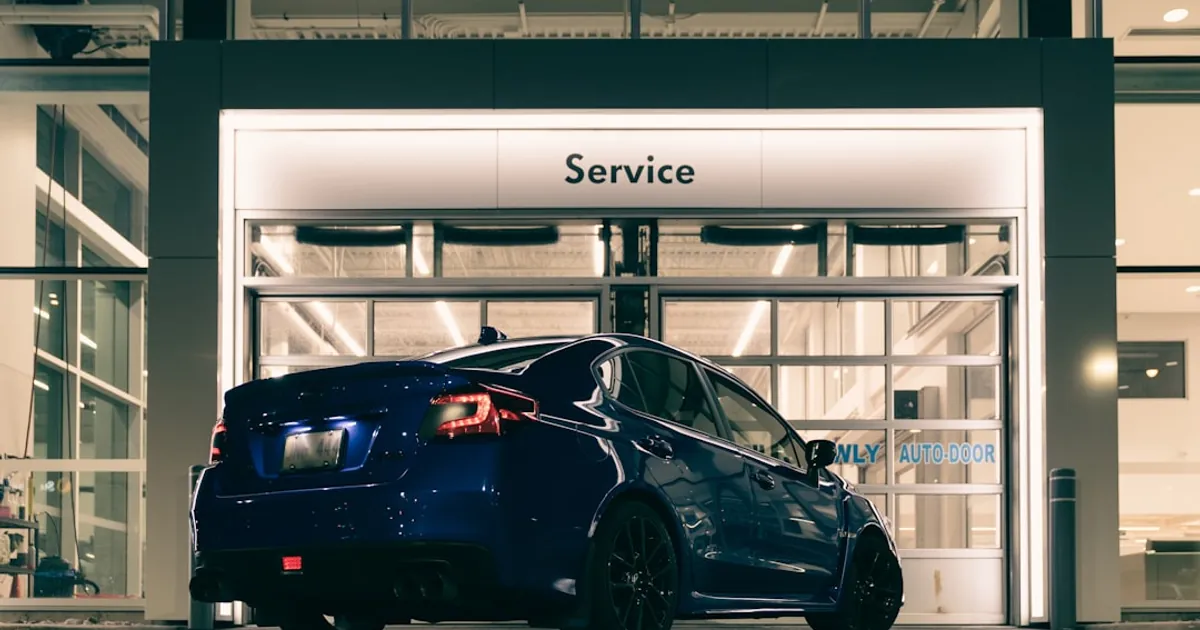
A basic service, often called an “interim” or “minor” service, focuses on essential maintenance tasks. This usually includes an oil and filter change, fluid top-ups (coolant, brake, power steering), and a visual inspection of key components like tires and lights. It’s the automotive equivalent of a quick check-up—ideal for high-mileage drivers or those who frequently drive in harsh conditions. On the other hand, a full service is more thorough, covering everything in a basic service plus additional checks like brake pads, suspension, exhaust, and battery health. Some full services also include replacing air filters and spark plugs, which are critical for engine performance.
Which one should you choose? If you drive less than 10,000 miles a year, a basic service every 6 months might suffice. But if you rack up miles quickly or drive in stop-and-go traffic, a full service every 12,000 miles (or annually) is a smarter bet. Always refer to your car’s manual for the manufacturer’s recommendations—some newer models with advanced diagnostics systems may even alert you when a service is due.
Why Manufacturer Guidelines Matter
Your car’s manual isn’t just a dusty booklet in the glove compartment—it’s the ultimate authority on maintenance. Manufacturers like Toyota, Ford, and BMW spend millions testing their vehicles to determine the optimal service intervals. These guidelines are based on real-world data, accounting for factors like engine wear, fluid degradation, and component lifespan. For instance, a turbocharged engine might need more frequent oil changes than a naturally aspirated one because turbos generate more heat and stress on the oil.
Ignoring these guidelines can void your warranty, especially if a breakdown is traced back to neglected maintenance. That said, manufacturer intervals are often conservative. If you drive in extreme conditions—think dusty roads, freezing winters, or towing heavy loads—you may need to service your car more frequently. A good rule of thumb is to reduce the recommended interval by 20-30% for severe driving conditions. For example, if your manual suggests an oil change every 10,000 miles, aim for 7,000-8,000 miles instead.
How Often Should You Service Your Car? The Golden Rules
There’s no universal answer, but most experts agree on two key metrics: time and mileage. For the average driver, servicing your car every 12 months or 12,000 miles—whichever comes first—is a solid baseline. However, this can vary widely. A 2023 survey by Consumer Reports found that 40% of drivers service their cars every 6 months, while 20% wait until the “check engine” light appears. Neither extreme is ideal. Too frequent servicing wastes money, while neglecting maintenance risks costly repairs.
Here’s a breakdown of the most common service intervals:
- Oil and filter change: Every 5,000–10,000 miles or 6–12 months, depending on oil type (synthetic lasts longer).
- Tire rotation: Every 5,000–7,500 miles to ensure even wear and extend tire life.
- Brake inspection: Every 10,000–15,000 miles or if you notice squeaking, grinding, or reduced braking performance.
- Air filter replacement: Every 15,000–30,000 miles, or more often if you drive in dusty areas.
- Spark plugs: Every 30,000–100,000 miles, depending on the type (copper vs. iridium).
- Timing belt: Every 60,000–100,000 miles—ignoring this can lead to catastrophic engine damage.
If you’re unsure, start with the manufacturer’s recommendations and adjust based on your driving habits. For example, if you mostly drive short distances (less than 10 miles per trip), your engine may not reach optimal operating temperature, leading to moisture buildup and oil degradation. In this case, more frequent oil changes are wise. Conversely, if you mostly drive on highways, your car may handle longer intervals between services.
Signs Your Car Needs Servicing Sooner Than Scheduled

While sticking to a schedule is ideal, your car will often tell you when it needs attention. Here are red flags that mean you shouldn’t wait for the next service:
- Unusual noises: Squealing brakes, grinding gears, or a knocking engine are never good signs.
- Warning lights: The “check engine” light, oil pressure warning, or battery alert should never be ignored.
- Poor performance: Sluggish acceleration, rough idling, or reduced fuel efficiency often indicate underlying issues.
- Leaks or smells: Puddles under your car (oil, coolant, brake fluid) or strange odors (burning rubber, sweet syrup-like smells) warrant immediate attention.
- Vibrations or pulling: If your car shakes at high speeds or drifts to one side, it could signal tire, brake, or alignment problems.
Addressing these issues promptly can save you from a breakdown or a hefty repair bill. For example, a $200 brake job today could prevent a $1,500 rotor replacement tomorrow. When in doubt, consult a trusted mechanic—it’s better to be safe than stranded.
How Driving Habits Affect Service Frequency
Not all miles are created equal. Your driving style and environment play a huge role in how often you should service your car. Here’s how different scenarios impact maintenance needs:
- City driving: Stop-and-go traffic, frequent braking, and short trips accelerate wear on brakes, tires, and the engine. If you’re a city driver, consider servicing your car every 6 months or 5,000 miles.
- Highway driving: Long, steady speeds are easier on your car, but they can mask issues like tire wear or suspension problems. Stick to the manufacturer’s recommended intervals, but don’t skip inspections.
- Off-roading or towing: Hauling heavy loads or driving on rough terrain puts extra stress on your engine, transmission, and suspension. Service your car 20-30% more frequently in these conditions.
- Extreme climates: Hot summers, freezing winters, or high humidity can degrade fluids and rubber components faster. If you live in an extreme climate, shorten your service intervals by 10-20%.
For example, a delivery driver in New York City might need an oil change every 4,000 miles, while a retiree in Arizona who mostly drives on highways could stretch it to 8,000 miles. The key is to tailor your service schedule to your unique driving conditions.
The Cost of Skipping Car Servicing: A Cautionary Tale
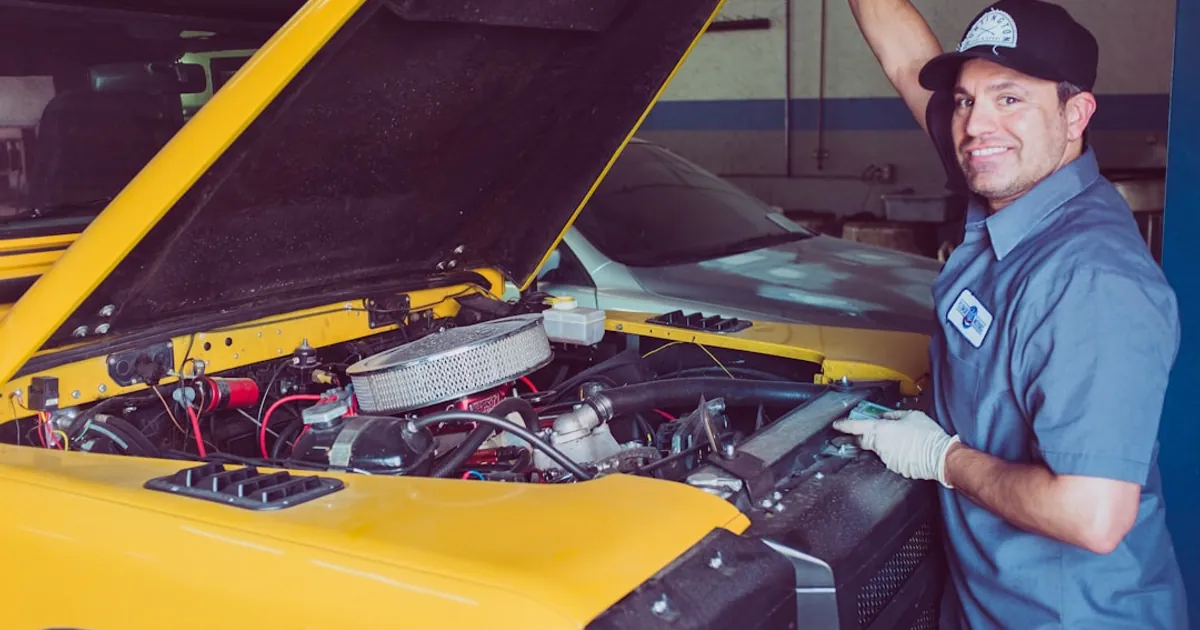
Imagine this: You skip your car’s 60,000-mile service to save a few hundred dollars. A month later, your timing belt snaps while you’re merging onto the highway. The result? A $3,000 repair bill for a new engine. This isn’t a hypothetical scenario—it’s a common outcome for drivers who neglect maintenance. According to a Forbes analysis, the average cost of a major repair (like a blown head gasket or transmission failure) is $1,500–$4,000. In contrast, a full service typically costs $200–$500, depending on your vehicle.
The financial impact goes beyond repair costs. A poorly maintained car loses resale value faster. A 2023 study by Kelley Blue Book found that cars with complete service records sold for 10-15% more than those with spotty or missing records. Additionally, neglected maintenance can lead to higher fuel consumption. A clogged air filter, for example, can reduce fuel efficiency by up to 10%, costing you hundreds of dollars extra at the pump each year.
Then there’s the safety factor. Worn brake pads, bald tires, or a failing suspension system can turn a minor fender bender into a life-threatening accident. The National Highway Traffic Safety Administration (NHTSA) estimates that 2% of all car accidents are caused by vehicle malfunctions, many of which could have been prevented with regular servicing. Is saving $200 on a service really worth the risk?
DIY vs. Professional Servicing: What’s Worth Your Time?
With YouTube tutorials and auto parts stores offering everything from oil filters to diagnostic tools, it’s tempting to tackle car maintenance yourself. For some tasks, like changing wiper blades or checking tire pressure, DIY is a no-brainer. But when it comes to more complex jobs—like oil changes, brake replacements, or timing belt adjustments—the line between saving money and causing damage can be thin.
Here’s a quick guide to what you can (and shouldn’t) DIY:
- DIY-friendly tasks:
- Oil and filter changes (if you have the right tools and disposal method).
- Air filter replacement (usually takes 10 minutes).
- Battery terminal cleaning (prevents corrosion).
- Tire rotations (if you have a jack and stands).
- Leave it to the pros:
- Brake pad or rotor replacement (critical for safety).
- Transmission fluid changes (requires specialized tools).
- Timing belt replacement (one mistake can destroy your engine).
- Diagnosing “check engine” lights (requires a scan tool and expertise).
Even if you’re handy, some tasks are better left to professionals. For example, modern cars with advanced computer systems often require software updates during servicing, which DIYers can’t perform. Additionally, many warranties require proof of professional maintenance. If you void your warranty by botching a DIY job, you could end up paying for repairs out of pocket.
That said, there’s value in learning basic maintenance. Knowing how to check your oil, top up fluids, or change a tire can save you time and money in emergencies. Just don’t overestimate your skills—when in doubt, consult a professional.
How to Choose a Reliable Mechanic
Not all mechanics are created equal. A bad one can overcharge you, perform unnecessary repairs, or even damage your car. Here’s how to find a trustworthy shop:
- Ask for recommendations: Friends, family, and online reviews (Google, Yelp) are great starting points.
- Check certifications: Look for shops with ASE (Automotive Service Excellence) certified technicians.
- Get multiple quotes: If a repair seems expensive, compare prices from 2-3 shops.
- Ask for a written estimate: A reputable shop will provide a detailed breakdown of costs before starting work.
- Watch for red flags: Vague explanations, pressure to upsell, or reluctance to show you the old parts are warning signs.
Building a relationship with a good mechanic is like having a trusted doctor—it pays off in the long run. A reliable shop will keep records of your car’s history, alert you to potential issues before they become problems, and give you honest advice. Don’t be afraid to ask questions or request explanations in plain language. A good mechanic will take the time to educate you, not confuse you.
Key Takeaways: Your Car Servicing Cheat Sheet
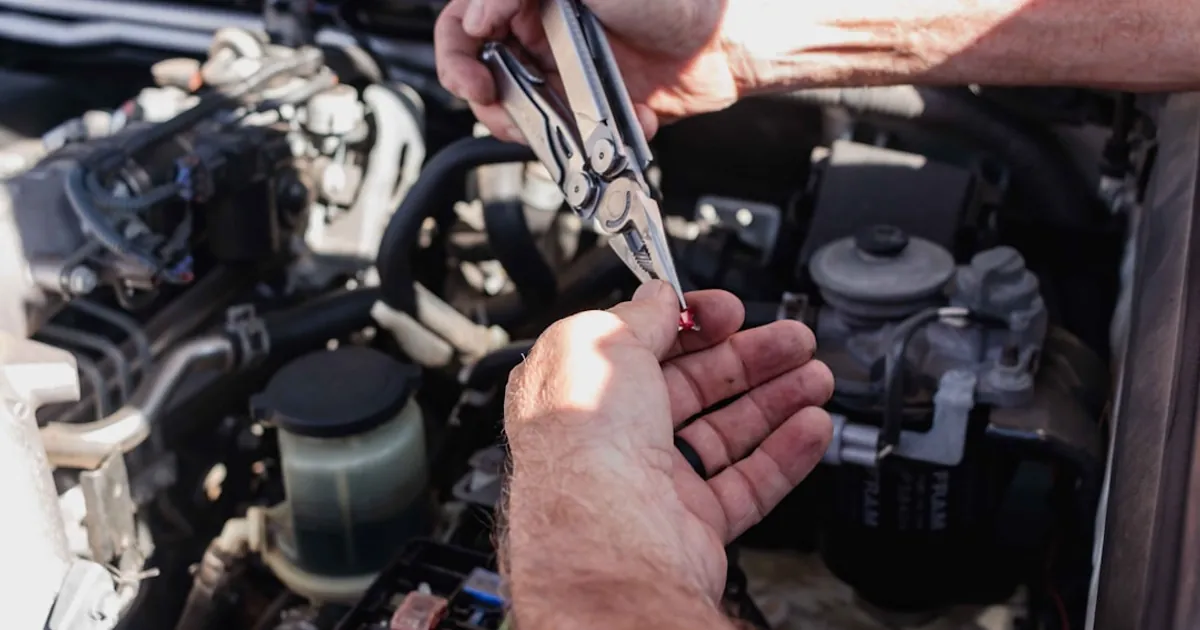
- Follow the manufacturer’s recommended service intervals, but adjust for your driving conditions (e.g., city vs. highway, extreme climates).
- Service your car at least once a year or every 12,000 miles—whichever comes first—for most vehicles.
- Basic services (oil changes, fluid top-ups) should happen every 6 months or 5,000–7,500 miles for high-mileage drivers.
- Full services (comprehensive inspections, filter replacements) are typically needed every 12 months or 12,000–15,000 miles.
- Never ignore warning signs like strange noises, warning lights, or poor performance—address them immediately.
- DIY maintenance is great for simple tasks, but leave complex jobs (brakes, timing belts, diagnostics) to professionals.
- Skipping services saves money short-term but leads to costly repairs, reduced resale value, and safety risks.
- Keep detailed records of all services—it’s proof of maintenance for warranties and resale.
“Regular car servicing isn’t just about preventing breakdowns—it’s about optimizing performance, safety, and longevity. Think of it as an investment, not an expense. A well-maintained car will reward you with reliability, better fuel efficiency, and a higher resale value. The key is consistency. Whether you drive 5,000 or 50,000 miles a year, sticking to a schedule tailored to your vehicle and habits is the smartest move you can make.”
—Mark Johnson, Master Mechanic and Host of “The Car Doctor” Podcast
Frequently Asked Questions
How do I know if my car needs a service?

Your car will often give you clues. Warning lights (check engine, oil pressure, battery), unusual noises (squealing, grinding, knocking), poor performance (sluggish acceleration, rough idling), or visible leaks are all signs it’s time for a service. Additionally, refer to your car’s manual for the manufacturer’s recommended intervals. If you’re unsure, a quick inspection by a mechanic can provide peace of mind.
Can I service my car too often?
Yes, but it’s rare. Over-servicing your car—like changing the oil every 1,000 miles—is unnecessary and wasteful. It won’t harm your vehicle, but it will drain your wallet. Stick to the manufacturer’s guidelines or adjust based on your driving conditions. For example, if your manual recommends an oil change every 10,000 miles, there’s no need to do it at 5,000 miles unless you drive in severe conditions.
What happens if I don’t service my car on time?
Skipping services can lead to a cascade of problems. Minor issues, like a dirty air filter or low oil, can escalate into major repairs, such as engine failure or transmission damage. You’ll also likely see reduced fuel efficiency, poorer performance, and a lower resale value. In extreme cases, neglecting maintenance can void your warranty or even pose safety risks, like brake failure or tire blowouts.
Is it better to service my car at a dealership or an independent mechanic?

Both have pros and cons. Dealerships are often more expensive but use OEM (original equipment manufacturer) parts and have technicians trained specifically for your car’s make. Independent mechanics are usually cheaper and may offer more personalized service, but the quality can vary. For warranty work, dealerships are often required. For general maintenance, a trusted independent shop can save you money without sacrificing quality. Always check reviews and ask for recommendations.
How much should a car service cost?
Costs vary widely depending on your car’s make, model, and the type of service. Here’s a rough estimate:
- Basic service (oil change, fluid top-ups, inspection): $50–$150
- Interim service (basic + air filter, tire rotation): $150–$300
- Full service (comprehensive inspection, filter replacements, spark plugs): $300–$600
- Major service (timing belt, transmission fluid, etc.): $600–$1,200+
Luxury or high-performance cars often cost more to service. Always get a written estimate before agreeing to any work, and don’t hesitate to shop around for the best price.
Does servicing my car improve fuel efficiency?
Absolutely. A well-maintained car runs more efficiently, which translates to better fuel economy. For example, a clogged air filter can reduce fuel efficiency by up to 10%, while underinflated tires can lower it by 3%. Regular oil changes, properly inflated tires, and clean filters all contribute to optimal performance. According to the U.S. Department of Energy, proper maintenance can improve fuel efficiency by 4–12%. Over time, that adds up to significant savings at the pump.
What’s the most important service to never skip?
The oil change is the single most critical service. Engine oil lubricates moving parts, reduces friction, and prevents overheating. Over time, oil breaks down and becomes contaminated with dirt and debris, losing its effectiveness. Skipping an oil change can lead to engine sludge, increased wear, and eventually, catastrophic engine failure. Always follow the manufacturer’s recommended oil change interval, and use the correct oil type for your vehicle.
Your car is one of your most significant investments—treat it like one. Regular servicing isn’t just about avoiding breakdowns; it’s about ensuring your vehicle remains safe, efficient, and reliable for years to come. Whether you’re a daily commuter, a weekend road-tripper, or a parent shuttling kids to soccer practice, a well-maintained car gives you peace of mind. So, check your manual, mark your calendar, and find a mechanic you trust. Your car (and your wallet) will thank you.
Ready to take action? Start by scheduling your next service today—your future self will appreciate it. And if you’re unsure where to begin, use this guide as your roadmap to hassle-free car ownership.