
Navigating the world of common car problems can feel like deciphering a foreign language, but understanding a few fundamental issues can save you significant time and money. Most car owners have, at some point, faced a puzzling rattle, a stubborn starting issue, or a dashboard warning light that seemed to appear out of nowhere. These aren’t always signs of imminent engine failure or a trip to an expensive dealership. Often, the culprit is something surprisingly simple, requiring minimal tools and a bit of confidence to tackle. This guide aims to demystify these everyday automotive challenges, providing you with the knowledge and confidence to perform basic diagnostics and even some straightforward repairs yourself, ensuring your vehicle runs smoothly and reliably for years to come. We’ll explore everything from the humble flat tire to the more perplexing electrical glitches, offering practical, easy-to-follow advice.
Understanding Your Car’s Warning Lights
Dashboard warning lights are your car’s way of communicating with you, and while some are more alarming than others, understanding their meaning is the first step toward a swift resolution. The most recognizable is the Check Engine Light (CEL), often illuminated as a silhouette of an engine. This light is a broad indicator that the engine control module (ECM) has detected a problem, ranging from a loose gas cap to a more serious catalytic converter issue. For instance, a persistently illuminated CEL might point to a misfire, often caused by faulty spark plugs or ignition coils, a repair that, while involving multiple components, is within the reach of many DIY enthusiasts with the right diagnostic tools. Another common signal is the Battery Warning Light, usually shaped like a battery. If this light glows red while driving, it often signifies an issue with the charging system, such as a failing alternator or a loose or corroded battery terminal. Ignoring this can lead to your car unexpectedly dying because it’s not recharging its battery. The Oil Pressure Warning Light, typically appearing as an oil can, is extremely critical. If this illuminates, it means your engine is not receiving adequate oil pressure, a condition that can cause catastrophic engine damage within minutes. Pull over immediately and check your oil level. Similarly, the Brake System Warning Light, often red and shaped like a circle with an exclamation mark within it, could indicate low brake fluid or a more serious issue with your braking system. Always treat this light with utmost seriousness and have it inspected promptly. Finally, the Tire Pressure Monitoring System (TPMS) light, usually an exclamation mark inside a tire outline, alerts you to underinflated tires. This is often easily fixed by finding and topping up the affected tire(s) with air, though it can also indicate a slow leak or a faulty sensor. Familiarizing yourself with your car’s owner’s manual is invaluable, as it details the specific meaning and potential causes of each warning icon for your particular make and model.
The Mysterious Check Engine Light
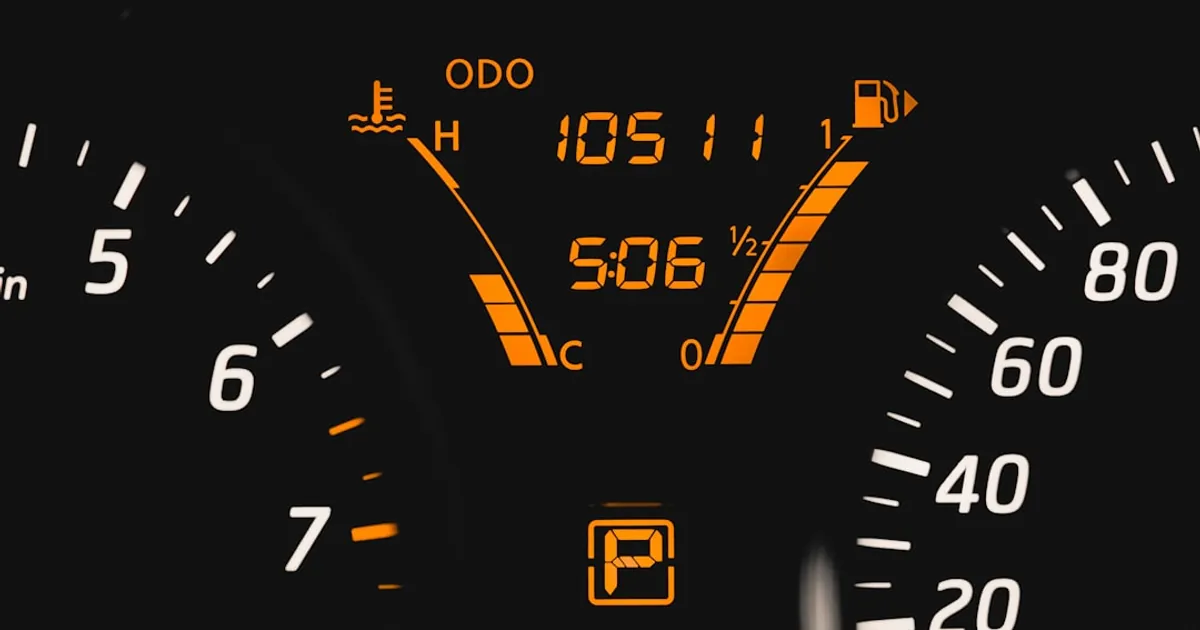
The Check Engine Light, a ubiquitous presence on modern dashboards, can spur a range of emotions from mild annoyance to outright panic. While its illumination is never something to ignore, it’s crucial to remember that it’s a diagnostic tool that flags a multitude of potential issues. The simplest cause, and one that often fools people into thinking something is seriously wrong, is a loose or damaged gas cap. When the cap isn’t tightened properly, it allows fuel vapors to escape, tripping a sensor in the evaporative emissions system. A quick check to ensure your gas cap is securely fastened, with at least a few clicks, can sometimes be the only fix needed. Beyond that, the CEL can indicate problems with ignition components like spark plugs or ignition coils. Worn-out spark plugs might lead to a rough idle or reduced fuel efficiency, while a failing coil can cause a cylinder to misfire, leading to performance issues and potentially harming your catalytic converter over time. The good news is that replacing spark plugs and ignition coils is a common DIY repair on many vehicles, though the specific procedure varies greatly by make and model. Another common trigger is an issue with the oxygen sensor (O2 sensor), which monitors the amount of unburned oxygen in the exhaust system. A faulty O2 sensor can negatively impact fuel economy and increase emissions. Replacing these is also a relatively straightforward process for those comfortable with basic hand tools. More complex issues that can illuminate the CEL include problems with the catalytic converter, mass airflow sensor (MAF sensor), or exhaust gas recirculation (EGR) valve. For these, using an OBD-II scanner can be immensely helpful. These affordable devices plug into a port typically located under the dashboard and can read diagnostic trouble codes (DTCs) stored by the car’s computer, providing a more specific indication of the problem. Many online resources and forums can help you decipher these codes and find repair guides tailored to your vehicle.
Tackling Tire Troubles: Flats and Pressure Issues
A flat tire is arguably one of the most common and frustrating car problems any driver can encounter, often occurring at the most inconvenient times and locations. Fortunately, it’s also one of the most manageable on your own. The first line of defense is knowing how to safely change a tire. This involves locating your spare tire (usually in the trunk or under the vehicle), your jack, and your lug wrench. Once you’ve found a safe, level spot away from traffic, you’ll need to loosen the lug nuts on the flat tire before jacking up the car. This is a crucial safety step. After loosening, carefully position the jack under the designated jacking point (refer to your owner’s manual for its exact location) and raise the vehicle until the flat tire is clear of the ground. Then, completely remove the lug nuts and the flat tire. Mount the spare tire, hand-tighten the lug nuts, lower the vehicle until the tire touches the ground, and then fully tighten the lug nuts in a star pattern to ensure even pressure. Once the car is fully lowered, give the lug nuts a final snugging. Remember, spare tires are often temporary and have speed and distance limitations, so get your main tire repaired or replaced as soon as possible. Beyond outright flats, maintaining proper tire pressure is vital for safety, fuel efficiency, and tire longevity. Underinflated tires can lead to poor handling, increased wear, and a higher risk of blowouts. Overinflated tires can cause a harsher ride and uneven wear. The recommended tire pressure for your vehicle is always found on a sticker inside the driver’s side doorjamb or in your owner’s manual. Use a reliable tire pressure gauge to check your tires regularly, ideally when they are cold (before driving), and inflate or deflate them as needed. Many gas stations have air pumps available. Don’t forget to check your spare tire’s pressure periodically as well; a flat spare is of no use when you need it.
The Tire Pressure Monitoring System (TPMS)
The Tire Pressure Monitoring System (TPMS) is a technological marvel designed to alert you to low tire pressure, a critical safety feature that can prevent dangerous blowouts and extend the life of your tires. When the TPMS warning light illuminates on your dashboard – typically an exclamation mark within a tire outline – it suggests that one or more of your tires are significantly underinflated. While the most immediate fix is to manually check and inflate your tires to the manufacturer’s recommended PSI (pounds per square inch), the TPMS light can sometimes persist for other reasons. It’s important to understand that TPMS systems rely on sensors mounted inside or attached to the valve stem of each wheel. These sensors transmit real-time pressure data to the car’s computer. Occasionally, a TPMS light might come on due to a malfunctioning sensor, a dead battery within a sensor, or even a recent tire rotation or replacement if the system wasn’t properly reset. In some cases, extreme temperature fluctuations can also temporarily trigger the light, as temperature affects air pressure within the tires. If you’ve confirmed your tires are properly inflated and the light continues to glow, it’s advisable to have a professional mechanic inspect the TPMS. Many modern vehicles require specialized equipment to diagnose and reset the TPMS, especially after tire work. Ignoring a persistent TPMS light, even after correcting tire pressure, could mean you miss other, more serious, low-pressure situations down the line.
Dealing with Battery and Charging System Woes

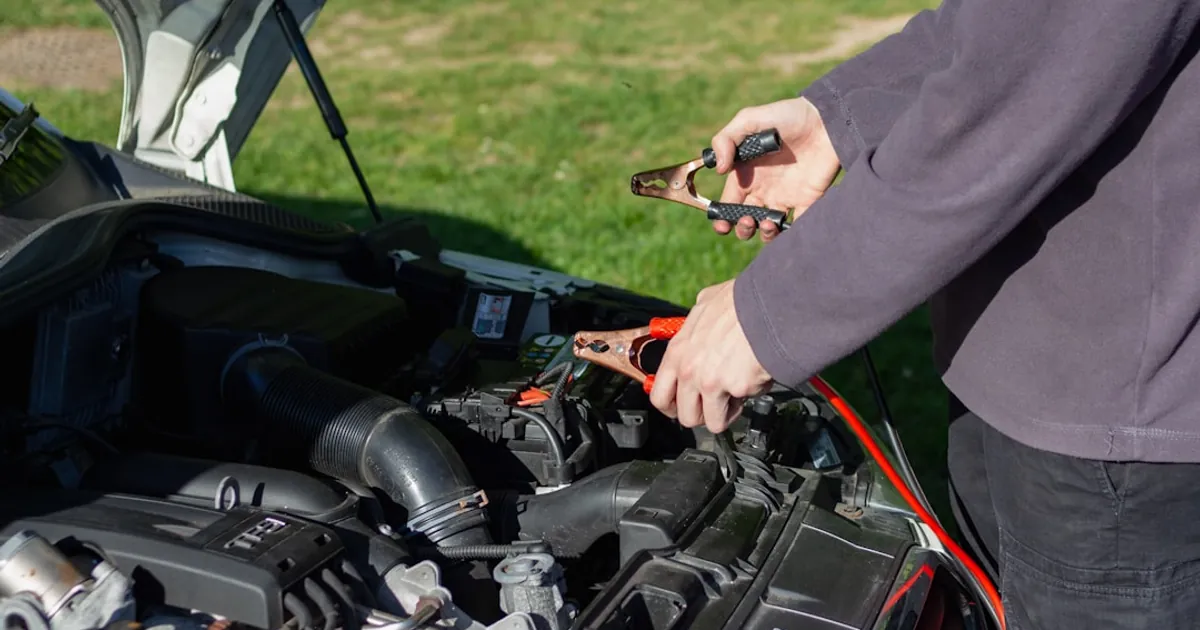
A dead car battery is another classic scenario that can leave you stranded, but often, the underlying cause is solvable with a bit of understanding and perhaps a few basic tools, rather than a costly replacement. The battery is the heart of your car’s electrical system, responsible for starting the engine and powering all its electronics when the engine isn’t running. Over time, batteries degrade. Factors like extreme temperatures (both hot and cold), infrequent use, or draining the battery by leaving lights on can shorten its lifespan. If your car struggles to start, making a clicking sound or nothing at all, a weak or dead battery is a prime suspect. Visual inspection can sometimes reveal corrosion on the battery terminals – a white or bluish powdery substance. This corrosion can impede the flow of electricity. Cleaning it with a wire brush and a mixture of baking soda and water, followed by a rinse and thorough drying, can often restore proper connection. Ensure the battery cables are also securely fastened. If you suspect a weak battery and have access to jumper cables and another vehicle, jump-starting your car is a common temporary solution. Proper procedure involves connecting the positive terminals first, then the negative terminals in a specific order to prevent sparks. Once the car is running, allow it to idle for at least 15-20 minutes to let the alternator recharge the battery. However, a dead battery might simply be at the end of its life, typically lasting 3-5 years. If your car starts with a jump but then dies shortly after, or if the battery warning light comes on while driving, the problem might lie with the charging system, specifically the alternator. The alternator is responsible for recharging the battery while the engine is running. A failing alternator won’t keep the battery replenished, leading to it draining and eventually dying. Signs of a failing alternator can include dimming headlights, flickering dashboard lights, or a persistent battery warning light. Testing the alternator requires a voltmeter, but professional diagnosis is often recommended for charging system issues.
Understanding the Alternator’s Role
The alternator is a vital component of your car’s electrical system, acting as a miniature generator that keeps your battery charged and powers your vehicle’s accessories while the engine is running. Think of it as the engine’s personal power plant. When the battery’s stored energy is depleted during starting, the alternator takes over, converting mechanical energy from the engine’s rotation into electrical energy. This electrical current then flows to recharge the battery and supply power to everything from your headlights and radio to your power windows and climate control system. Without a functioning alternator, your car would eventually run solely on the battery’s power, quickly draining it and leaving you stranded. Symptoms of a failing alternator can be subtle at first but will typically escalate. You might notice dimming headlights, especially at idle, or dashboard lights that flicker or appear unusually dim. A high-pitched whining sound coming from the engine bay, particularly when you accelerate, can also indicate a worn bearing in the alternator. The most definitive sign, however, is the illumination of the battery warning light on your dashboard. This light’s purpose is to signal that the battery is not being adequately charged. If this light appears, it’s a strong indicator that the alternator is not doing its job correctly. Diagnosing an alternator often involves using a multimeter to check the voltage output while the engine is running. A healthy alternator typically produces a voltage reading between 13.5 and 14.7 volts. If your readings are significantly lower, or if the voltage fluctuates wildly, the alternator is likely the culprit. Replacing an alternator can be a moderately complex DIY task, often requiring the removal of drive belts and careful reconnection of wiring harnesses, so it’s a job many opt to have a professional mechanic handle.
Braking System Fundamentals: Noises and Feel
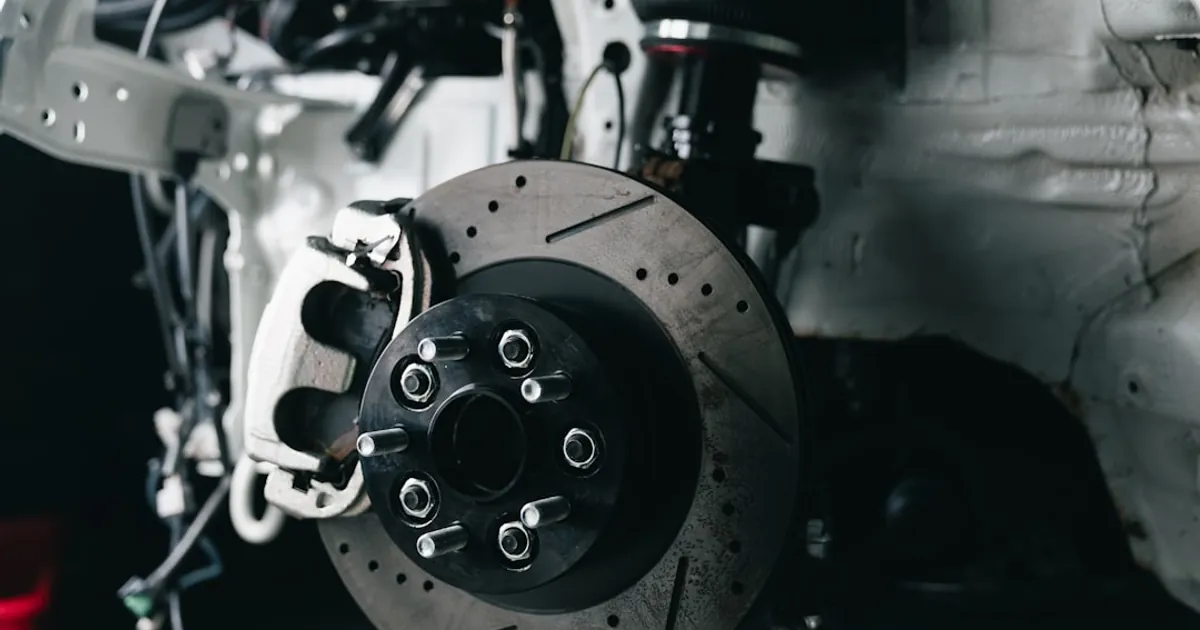
The smooth operation of your braking system is paramount for safety, and any deviation from its normal performance should be taken seriously. Some of the most common indicators of brake trouble include unusual noises and changes in the pedal feel. Squealing or grinding noises when you apply the brakes are often the first audible warning signs. Brake pads are designed with a wear indicator – a small piece of metal that scrapes against the rotor when the pad material is nearly gone, producing that high-pitched squeal. If you hear this consistently, it’s time to replace your brake pads. A deeper grinding sound, however, can indicate that the brake pads have worn down completely, and the metal backing plate is now grinding against the brake rotor. This is a more severe issue that can cause further damage to the rotors and should be addressed immediately, as it compromises your stopping power. Another symptom is a spongy or soft brake pedal. When you press the brake pedal, it feels mushy and goes down further than it normally would. This often points to air in the brake lines or a leak in the hydraulic system, potentially a faulty master cylinder or brake lines. Low brake fluid is another common cause of a soft pedal; check your brake fluid reservoir (usually a translucent plastic container under the hood) and top it up if necessary with the correct type of fluid specified in your owner’s manual. Conversely, if the pedal feels too hard and requires excessive force to engage the brakes, it could signal a problem with the brake booster. Vibrations or pulsations in the brake pedal when you apply them, especially during hard braking, usually indicate warped or damaged brake rotors. Rotors can become uneven due to heat cycles and wear. While some minor warping can sometimes be “turned” or resurfaced by a mechanic, severely warped rotors need replacement. Regularly inspecting your brake fluid level and condition, and paying attention to any changes in your brakes’ performance, are key to ensuring their reliable function.
Shedding Light on Lighting and Electrical Gremlins
Your vehicle’s lighting and electrical systems, while often taken for granted, are complex networks that can manifest a range of peculiar issues. From flickering headlights to non-functional power windows, these problems can vary from trivial annoyances to indicators of underlying electrical faults. Headlights are a prime example; if one or both fail, it’s not always just a blown bulb. While a blown halogen or LED bulb is a common fix – often involving accessing the bulb housing behind the headlight assembly – issues can extend to faulty headlight switches, damaged wiring harnesses, or even a problem with the car’s body control module (BCM) which manages various electrical functions. Similarly, if your turn signals are blinking rapidly or not at all, it can signal a burned-out bulb in the corresponding signal, but it could also point to a faulty flasher relay. For interior lights, such as dome lights or vanity mirror lights, a burnt-out bulb is usually the culprit, and replacing it often involves carefully prying off a lens cover. Beyond simple bulb replacements, power window motors can fail, leading to a window that won’t go up or down. This might involve diagnosing the motor, switch, or regulator mechanism. Another common electrical gremlin is a malfunctioning car alarm system, which can sometimes be overly sensitive or fail to disarm properly, leading to unexpected honking or siren activation. Resetting the alarm by following the owner’s manual’s procedure or, in persistent cases, disconnecting the battery for a short period (after ensuring you know how to reset any affected systems like the radio) can sometimes resolve these glitches. Electrical diagnostics can be intricate, and often require specialized tools like multimeters and wiring diagrams. However, understanding the basic function of fuses and relays, and knowing where to locate your car’s fuse box (typically under the dashboard or in the engine bay), can help you identify and replace blown fuses that might be causing a specific component to fail. Always ensure you replace a blown fuse with one of the exact same amperage rating to avoid electrical damage.
Fluid Levels and Leaks: The Lifeblood of Your Car
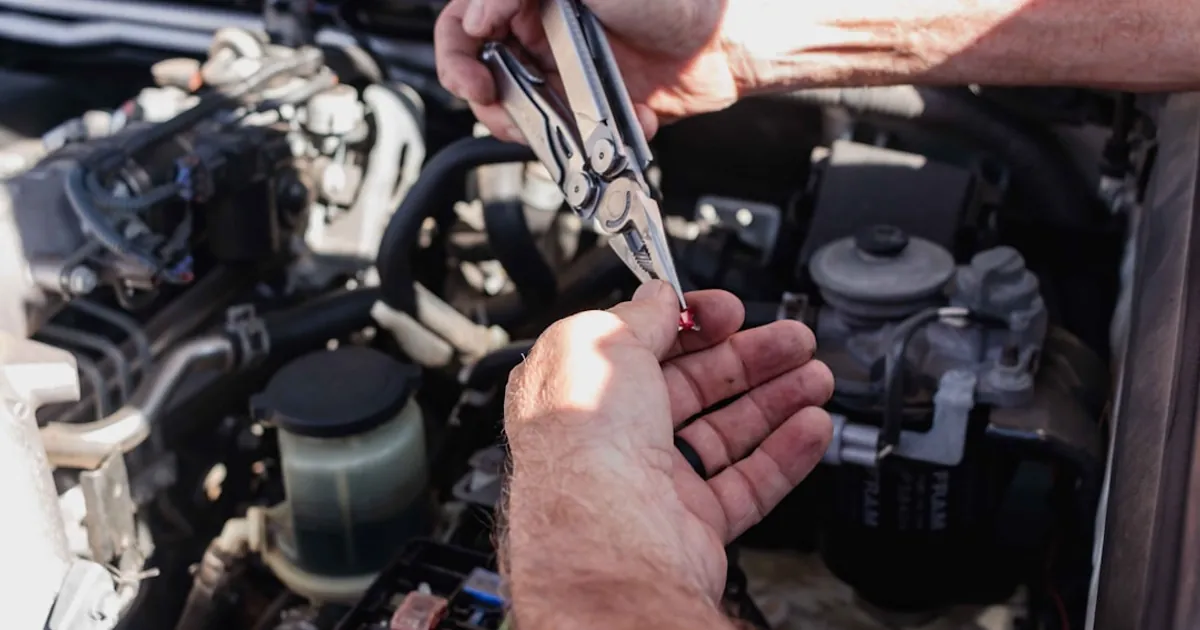
Your car relies on a variety of fluids to operate correctly, and maintaining their proper levels is crucial for preventing major damage. Regular checks can often spot potential problems before they escalate into costly repairs. One of the most fundamental fluids is engine oil. This lubricates moving parts, reduces friction, and helps dissipate heat. Low oil levels can lead to increased wear and overheating, potentially causing severe engine damage. Your owner’s manual will detail how to check your oil using the dipstick. Ensure the engine is cool and on a level surface for an accurate reading. If the oil level is low, top it up with the correct viscosity grade of oil specified for your vehicle. A drastic drop in oil level or the appearance of oil spots under your car might indicate an oil leak, which could be due to a faulty oil pan gasket, worn seals, or a damaged oil filter. Coolant (antifreeze) is equally important for regulating engine temperature. Insufficient coolant can lead to overheating, which can warp engine components. Check the coolant level in the reservoir tank when the engine is cool. Never open the radiator cap when the engine is hot, as the pressurized hot fluid can cause severe burns. Leaks in the cooling system can manifest as colored puddles under your car (coolant comes in various colors like green, orange, or pink) and might be caused by a cracked hose, a faulty water pump, or a leaky radiator. Brake fluid, as mentioned earlier, is essential for hydraulic braking. Low brake fluid levels can compromise your stopping power and are often indicative of a leak within the brake lines, calipers, or master cylinder. Transmission fluid plays a critical role in automatic transmissions, lubricating and cooling the components. Low transmission fluid levels can cause slipping gears, rough shifting, and transmission damage. Many modern cars have sealed transmission systems, but some still have a dipstick; consult your owner’s manual for checking procedures. Finally, power steering fluid ensures smooth steering. A low level can result in a stiff or noisy steering wheel. Addressing leaks promptly by identifying the source and, if possible, replacing the faulty component or sealing the leak is vital for maintaining your vehicle’s mechanical integrity and preventing environmental contamination.
Key Takeaways
- Regularly check your car’s dashboard warning lights and consult your owner’s manual to understand their meaning.
- A loose gas cap is a common, easily fixable cause of the Check Engine Light.
- Maintain proper tire inflation for safety, fuel efficiency, and tire longevity.
- Clean battery terminals to ensure good electrical connection and troubleshoot starting issues.
- Recognize signs of a failing alternator, such as dimming headlights and a battery warning light.
- Listen for unusual noises from your brakes and check brake fluid levels regularly.
- Understand that blown fuses are a common cause of electrical component failures.
- Regularly inspect all essential fluid levels (oil, coolant, brake fluid, transmission fluid, power steering fluid) and address any leaks promptly.
“The most valuable tool for any car owner isn’t a wrench, but a good owner’s manual. Understanding how your vehicle is designed to function is the first and most critical step in preventing and diagnosing common problems.”
Excerpt from “Automotive Fundamentals” by Dr. Evelyn Reed, Head of Engineering at Global AutoTech.
Frequently Asked Questions
What simple maintenance can prevent most common car problems?

Regular oil changes, tire rotations, and checking all fluid levels are foundational. Beyond that, keeping your car clean, especially the underside to prevent rust, and ensuring it’s protected from extreme weather can significantly extend its lifespan and prevent many common issues.
How often should I check my tire pressure?
It’s recommended to check your tire pressure at least once a month, and before any long road trips. You should also check it when you notice a significant temperature change, as this impacts pressure.
Can I fix a noisy brake system myself?
Minor brake squeals due to brake dust might be addressed with cleaning, but if the noise persists or sounds like grinding, it often indicates worn brake pads or rotors and is best left to a professional mechanic for safety reasons.
My car’s interior lights aren’t working, but the headlights are. What could be the issue?

This often points to a blown fuse specifically for the interior lighting circuit. Locate your car’s fuse box, identify the fuse for interior lights, and replace it if it’s blown with one of the same amperage.
What should I do if my car overheats?
Pull over to a safe location immediately and turn off the engine. Do NOT open the radiator cap while the engine is hot. Allow the engine to cool down completely before checking coolant levels and looking for obvious leaks or obstructions in the cooling system. If you cannot identify the cause or it’s a significant issue, call for roadside assistance.
Empowering yourself with knowledge about these common car problems and their straightforward solutions is one of the most effective ways to maintain your vehicle’s health and your peace of mind. Don’t let a minor issue become a major, expensive headache. Take a moment to familiarize yourself with your car’s specific needs, perform those simple checks, and build the confidence to tackle small repairs. For more complex issues or if you’re ever in doubt, remember that your local mechanic is a valuable resource. By staying proactive and informed, you can ensure your car continues to reliably carry you through your daily journeys and grand adventures, saving money and avoiding unexpected disruptions along the way.