


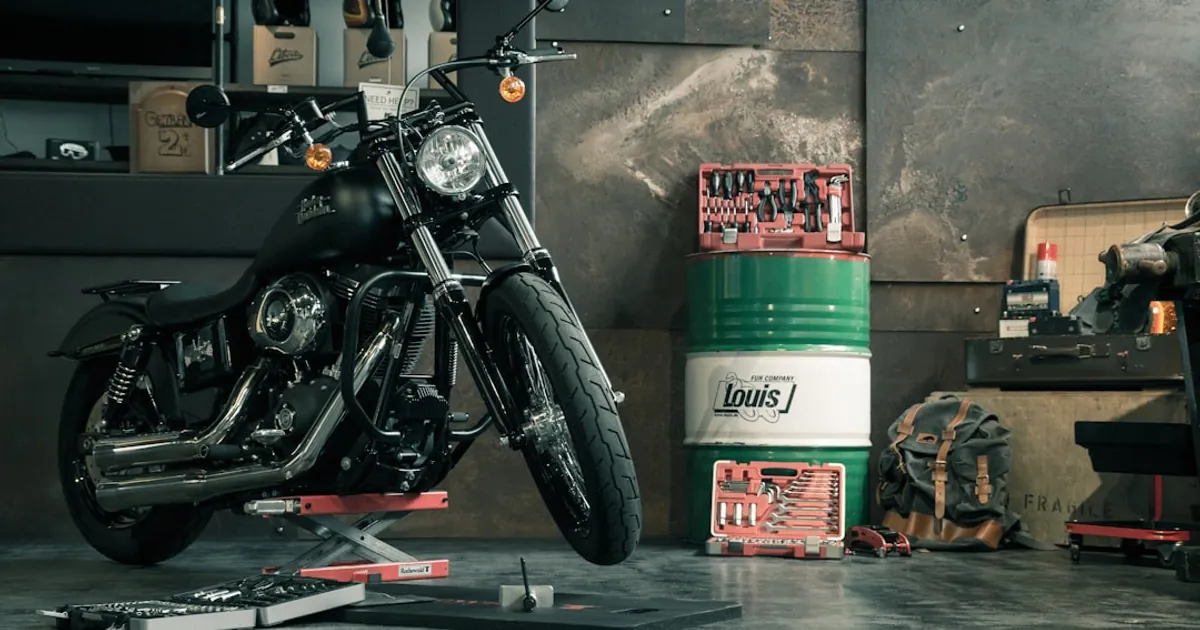
Mastering the art of motorcycle maintenance for daily use is not just about keeping your two-wheeled companion running smoothly; it’s about unlocking a world of reliable freedom, exhilarating rides, and a deeper connection with your machine. When your motorcycle is your primary mode of transport, a proactive approach to its upkeep transforms potential breakdowns into mere blips on your journey. It means anticipating issues before they escalate, understanding the subtle nuances of your bike’s performance, and ultimately, ensuring your daily commutes are not just efficient but also safe and enjoyable. Think of it as a partnership: you care for your bike, and it faithfully carries you through every urban crawl, scenic route, and spontaneous adventure. This guide will equip you with the knowledge and confidence to become a seasoned motorcycle caretaker, turning routine tasks into gratifying rituals that extend the life and enhance the performance of your trusted steed.
Essential Pre-Ride Checks & Fluids: Your First Line of Defense
Before you even twist the throttle for your daily commute, a quick yet thorough pre-ride inspection is paramount. This ritual, akin to a pilot’s pre-flight checklist, becomes second nature and can prevent numerous roadside predicaments. Start with the tires: check for proper inflation – a tire that’s too soft or too hard significantly impacts handling, braking, and fuel efficiency, not to mention safety. Look for any visible signs of wear, such as cracks in the sidewall, embedded objects, or uneven wear patterns. Next, cast your attention to the brakes. Squeeze the brake levers; they should feel firm and not spongy. Visually inspect the brake pads for wear, and feel for any grinding or unusual resistance when you manually rotate the wheels. Following that, examine your lights – headlights, taillights, and turn signals – ensuring they are all operational. A quick check of the chain tension (if applicable) and lubrication is also crucial; a loose or dry chain is a common culprit for poor performance and premature wear. Finally, a glance at the mirrors to ensure they are secure and properly adjusted adds another layer of readiness.
Beyond these immediate checks, understanding and diligently maintaining your motorcycle’s critical fluids is foundational to its longevity and reliable daily operation. Engine oil is the lifeblood of your motorcycle, lubricating moving parts, cooling the engine, and preventing wear. The recommended interval for oil changes, as specified in your owner’s manual, should be strictly adhered to, often with a mileage or time limit, whichever comes first. Using the correct type and viscosity of oil is non-negotiable; consult your manual for the manufacturer’s recommendation, as using the wrong oil can cause significant damage. Beyond engine oil, don’t overlook the brake fluid. This hydraulic fluid transmits the force from your brake levers to the calipers. Over time, brake fluid can absorb moisture, reducing its boiling point and compromising braking performance, especially under heavy use. Regularly checking the brake fluid level in the reservoir and replacing it according to the service schedule is essential for safe stopping power. Similarly, the coolant (for liquid-cooled engines) plays a vital role in preventing your engine from overheating on those hot summer commutes or during stop-and-go traffic. Ensure the coolant level is maintained within the designated marks on the overflow tank. Lastly, for bikes with hydraulic clutches, the clutch fluid level should also be monitored. Neglecting these fluids is a direct invitation to mechanical distress, so make their regular inspection and replenishment a cornerstone of your daily maintenance routine.
Tire Care: The Rubber Meets the Road
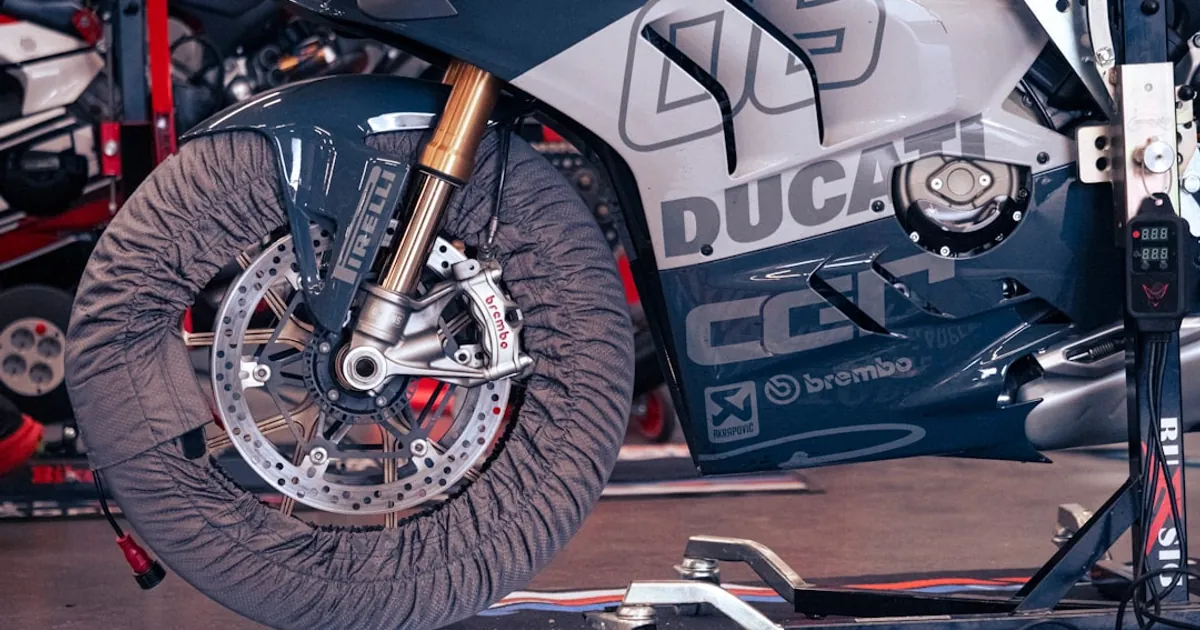
Your motorcycle’s tires are its only point of contact with the asphalt, making their condition and maintenance absolutely critical for safety, performance, and comfort. Proper tire inflation is perhaps the most impactful aspect of tire care. Under-inflated tires generate excessive heat, leading to premature wear and a higher risk of a blowout. Over-inflated tires reduce the contact patch with the road, diminishing grip and leading to a harsher ride. The recommended tire pressure for your specific motorcycle can be found on a sticker located on the swingarm, the frame, or in your owner’s manual. It’s wise to check tire pressure when the tires are cold, meaning the bike hasn’t been ridden for several hours. A reliable tire pressure gauge is a small investment that pays significant dividends in safety and tire longevity. Moreover, the visual inspection of your tires should be a regular habit. Look for any cuts, punctures, or embedded debris like nails or glass. Small punctures can sometimes be repaired, but larger damage or significant sidewall scuffing often necessitates immediate replacement. Pay close attention to the tread depth; most tires have wear indicators, small raised bars within the tire grooves. When the tread wears down to these indicators, it’s time for new rubber. Uneven tire wear can also be a warning sign, possibly indicating issues with your wheel alignment or suspension, which should be addressed by a qualified mechanic. Rotating your tires, or even just ensuring consistent pressures, can help them wear more evenly.
Beyond pressure and basic visual checks, understanding the life cycle of your motorcycle tires is key to proactive maintenance. Tires degrade not just from wear but also from time and exposure to the elements. Even if a tire has plenty of tread left, its rubber compound can become hardened and less grippy with age. Look for signs of aging, such as tiny cracks forming in the sidewall rubber, even if the tire appears otherwise healthy. While there’s no hard and fast rule, many manufacturers and tire experts suggest replacing motorcycle tires that are more than five to seven years old, regardless of tread depth, as their performance characteristics can diminish significantly. When it’s time for replacement, choosing the right tires for your riding style and conditions is important. Are you an aggressive sport rider, a long-distance tourer, or a commuter sticking to city streets? Different tire compounds and tread patterns are optimized for various purposes. For daily use, a durable touring tire often strikes a good balance between longevity and grip. When the time comes to swap them out, consider seeking professional installation to ensure they are mounted correctly and balanced, which is vital for a smooth and safe ride. A balanced wheel prevents vibrations and ensures predictable handling.
Tire Pressure Monitoring
For riders who prioritize convenience and continuous awareness, tire pressure monitoring systems (TPMS) offer an excellent solution. These systems, which can be purchased as aftermarket kits that screw onto your valve stems or as integrated units replacing the valve caps, provide real-time pressure readings, often displayed on a small dashboard unit or even relayed to your smartphone. This allows you to quickly gauge your tire pressure before each ride and even monitor it while on the move, acting as an early warning system for slow leaks. While not as critical as the fundamental act of checking pressure regularly, a TPMS adds an extra layer of security and peace of mind, especially for those who cover significant mileage daily. It transforms tire pressure management from a periodic chore into an effortlessly integrated part of your riding experience.
Braking System: Stopping Power is Paramount
The ability to stop your motorcycle effectively and predictably is arguably the single most critical aspect of your bike’s safety system. A robust and well-maintained braking system can be the difference between a minor incident and a disastrous accident. Regular inspection of brake pads is a non-negotiable task. Most brake pads have a minimum thickness specification, and the friction material wears down over time. If you notice a significant reduction in braking performance, squealing noises when braking, or if the brake lever feels spongy and travels further than usual, it’s a strong indicator that your brake pads need attention. Ignoring worn brake pads not only compromises your stopping power but can also lead to damage to the brake rotors, a much more expensive repair. Always consult your owner’s manual for the specific procedure to check and replace brake pads. Don’t forget to inspect the brake rotors themselves for any signs of warping, deep scoring, or unusual discoloration, which can indicate overheating. Even a slight wobble in the rotor can negatively affect braking performance and should be investigated.
The hydraulic nature of most modern braking systems means that the brake fluid plays an indispensable role. Over time, brake fluid absorbs moisture from the atmosphere, a process known as “hydroscopic absorption.” This absorbed water can lower the fluid’s boiling point, meaning that under heavy braking conditions, the fluid can actually boil, creating vapor bubbles. These vapor bubbles are compressible, leading to that spongy lever feel and a dramatic loss of braking effectiveness – a terrifying scenario for any rider, especially in an emergency. For this reason, it’s recommended to have your brake fluid flushed and replaced according to your motorcycle’s service schedule, typically every two years. Beyond the fluid itself, ensure the brake lines are in good condition, free from cracks, leaks, or chafing. A damaged brake line can lead to a sudden and complete loss of brake pressure. If you ever feel your brakes are not performing as they should, don’t delay; have them inspected by a professional technician immediately. For daily commuting, reliable brakes are not a luxury; they are an absolute necessity that warrants your diligent attention.
Chain and Drivetrain Maintenance: Smooth Power Transfer
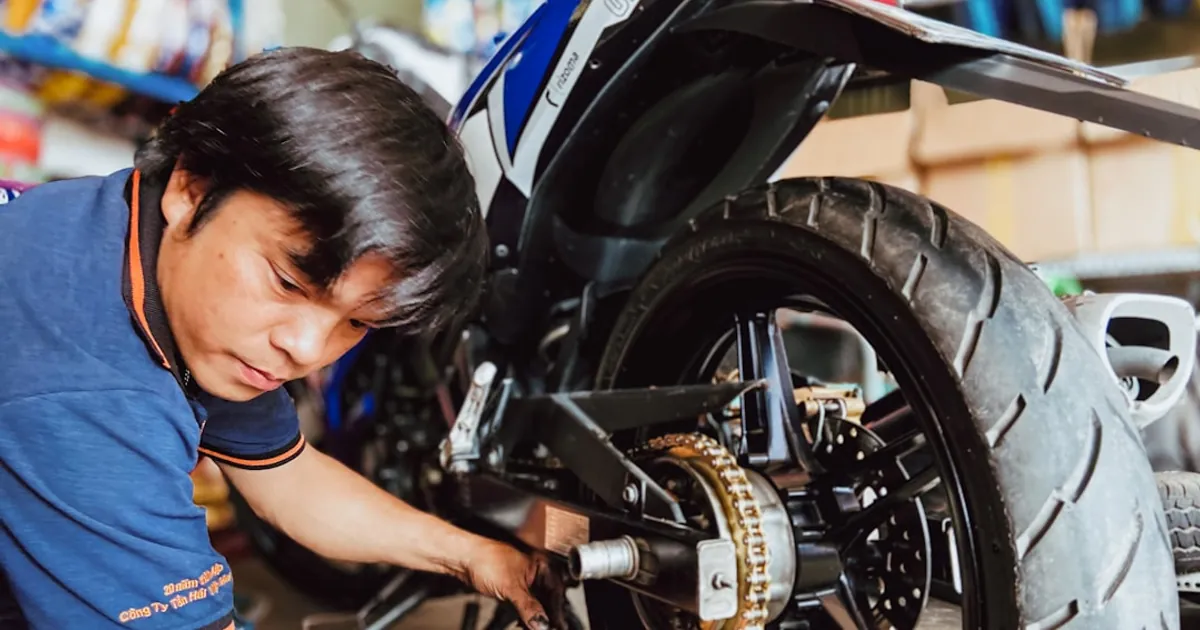
The chain and sprockets on your motorcycle are responsible for transmitting power from the engine to the rear wheel, a critical function that requires consistent care. A well-maintained chain drive system ensures smooth acceleration, efficient power delivery, and prolongs the life of these expensive components. The most frequent tasks involve cleaning and lubrication. After a ride, especially in wet or dirty conditions, it’s beneficial to clean your chain. Use a dedicated chain cleaner and a brush to remove dirt, grime, and old lubricant. Once the chain is clean and dry, apply a suitable motorcycle chain lubricant. There are various types of lubricants available, including wet and dry formulas, and aerosol sprays or brush-on applications. Choose one appropriate for your riding conditions; wet lubes are better for damp weather, while dry lubes reduce dust attraction in dry climates. The key is to apply the lubricant sparingly to the rollers of the chain while slowly rotating the rear wheel, allowing the lubricant to penetrate. Excess lubricant can attract dirt and form a grinding paste.
Beyond cleaning and lubrication, chain tension is a crucial adjustment that directly impacts performance and component wear. A chain that is too tight will put excessive strain on your engine’s transmission bearings and the chain itself, leading to premature wear and potential damage. Conversely, a chain that is too loose can slap against the swingarm, cause chain derailment, and lead to a sloppy throttle response. Your owner’s manual will specify the correct amount of chain slack for your particular model, usually measured as a range of play at a specific point on the chain. The process typically involves adjusting bolts on the swingarm to move the rear wheel forward or backward, thereby tightening or loosening the chain. It’s important to ensure that the chain tension remains consistent across the entire length of the chain, so check it at multiple points. Furthermore, regularly inspect your sprockets for worn teeth. Worn sprocket teeth often have a pointed or hook-like shape instead of a rounded profile. If either the front or rear sprocket is worn, it’s best practice to replace both simultaneously, along with the chain, to ensure optimal lifespan and performance of the new drivetrain components. A synchronized replacement of the chain, front sprocket, and rear sprocket is often referred to as replacing the “chain kit” and is a common maintenance recommendation.
Belt and Shaft Drive Considerations
For riders whose motorcycles are equipped with belt or shaft drive systems, the maintenance routine differs significantly from chain-driven bikes but is arguably even simpler. Belt drives, typically found on cruisers and some touring bikes, require minimal user intervention beyond occasional inspection for cracks or fraying of the belt material. They are self-lubricating and generally maintenance-free, though manufacturers will specify intervals for tension checks and potential replacement. Shaft drive systems, often seen on larger touring motorcycles and BMWs, are enclosed and lubricated with gear oil. These systems are robust and require less frequent attention, primarily involving periodic checks of the gear oil level and replacement according to the service schedule. While these drive systems offer a quieter and cleaner operation, they can be more expensive to repair if a problem arises. Regardless of the drive type, always refer to your owner’s manual for specific maintenance requirements and recommended service intervals.
Electrical System & Battery: Keeping the Lights On
The electrical system powers everything from your ignition and lights to your fuel injection system and dashboard. A reliable electrical system is vital for uninterrupted daily travel. The battery is the heart of this system. For traditional lead-acid batteries, periodic checking of the electrolyte level and topping up with distilled water (if applicable) is important. Ensure the battery terminals are clean and free from corrosion; a wire brush and a mixture of baking soda and water can help remove stubborn corrosion. For maintenance-free or sealed batteries, which are more common today, focus on keeping the terminals clean and ensuring a secure connection. A weak battery can lead to starting problems and power deficiencies for other electrical components. If your bike sits for extended periods, consider using a trickle charger to maintain the battery’s charge. Understanding how to test your battery’s voltage with a multimeter can give you advance warning of its declining health. A fully charged battery should read around 12.6 volts when the engine is off.
Beyond the battery, inspecting all external light bulbs – headlights, taillights, brake lights, and turn signals – is a quick but essential daily check. A burnt-out bulb can lead to safety hazards and potential fines. If your bike uses LED lighting, which is becoming more prevalent due to its durability and efficiency, the inspection is more about checking for physical damage rather than bulb failure. Pay attention to your motorcycle’s wiring harness. Look for any signs of chafing, fraying, or loose connections, especially in areas prone to vibration or movement. Loose connections can cause intermittent electrical problems that are notoriously difficult to diagnose. Similarly, ensure all fuses are intact and correctly seated. If you encounter electrical gremlins, such as flickering lights or non-responsive instruments, a systematic approach to checking connections and fuses is the first step in troubleshooting. For more complex electrical issues, consulting a qualified technician or a specialized motorcycle electrical manual is recommended. Learning basic electrical principles can be a rewarding pursuit for any serious rider.
Cleaning and Lubrication: The Shine and Glide of Daily Use
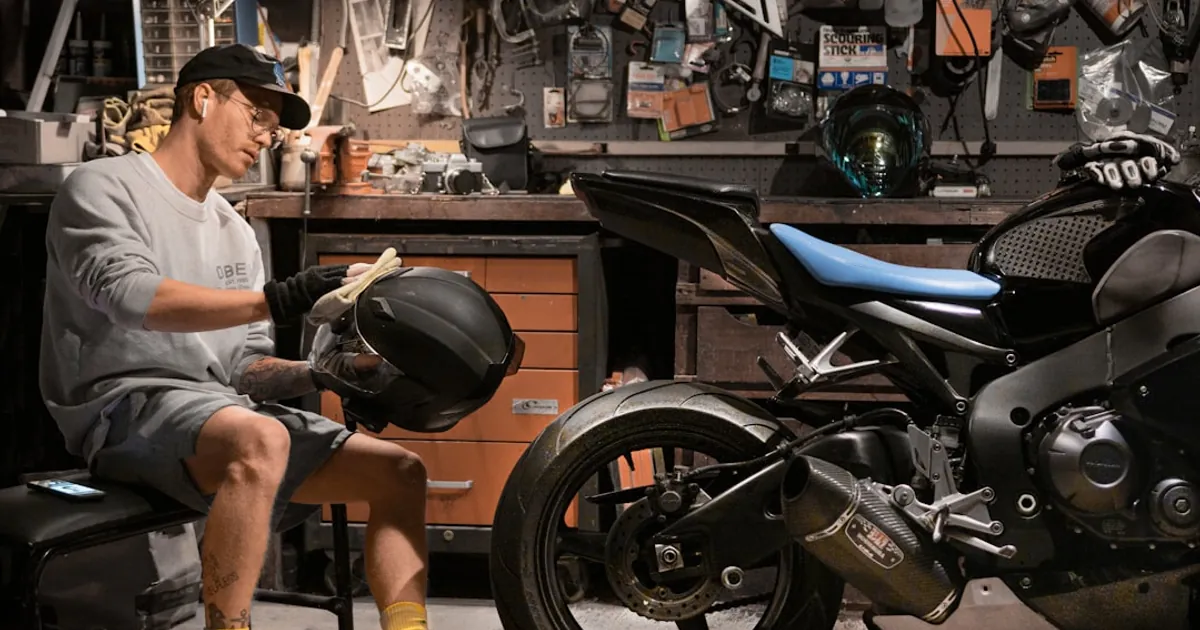
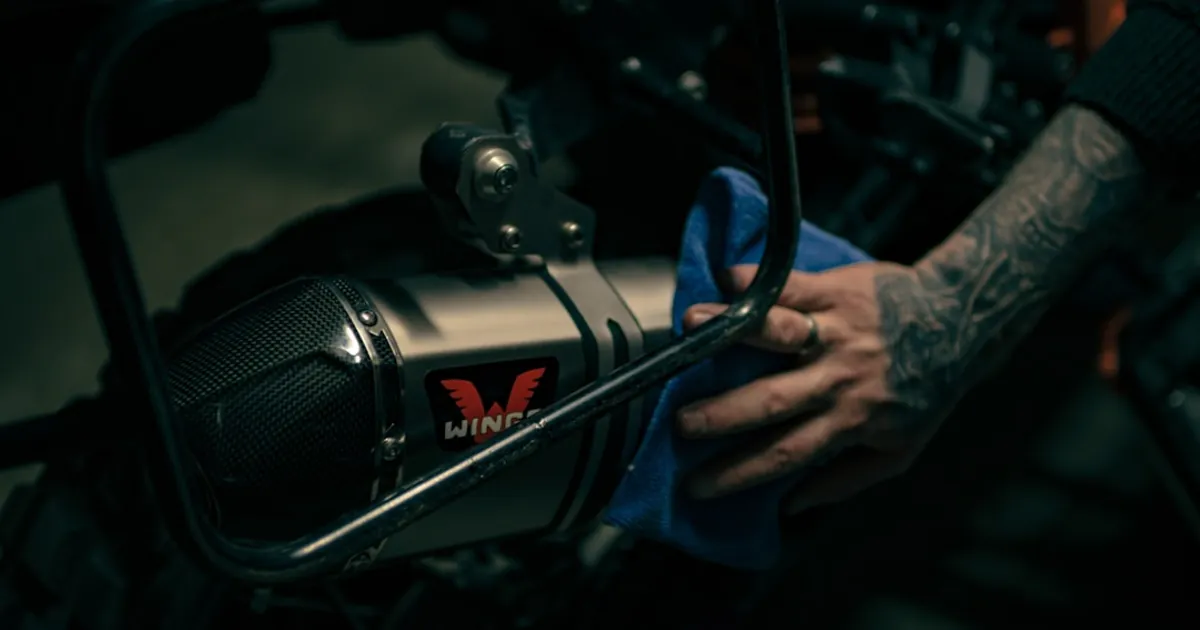
Keeping your motorcycle clean is more than just aesthetics; it plays a significant role in its care and longevity. Regular cleaning helps prevent corrosion, identifies potential issues early on, and makes maintenance tasks easier. Start with a thorough wash using a dedicated motorcycle cleaner and plenty of water. Avoid using harsh household detergents that can strip protective coatings or damage painted surfaces. Pay special attention to areas where dirt and grime tend to accumulate, such as around the engine, under the seat, and within the wheel spokes. After washing, dry your motorcycle thoroughly with a clean microfiber towel to prevent water spots and corrosion. A quick rinse and dry after riding in the rain or on salty roads can make a world of difference in preventing rust and degradation. For plated or chrome parts, a good quality polish can help maintain their shine and protect them from tarnishing.
Complementing the cleaning process is diligent lubrication of specific components prone to friction and wear. As mentioned in the drivetrain section, the chain requires regular lubrication. However, don’t stop there. Other pivot points on your motorcycle, such as the kickstand pivot, control levers (clutch and brake), and throttle cable, benefit from a light application of lubricating oil or grease. This ensures smooth operation, prevents sticking and wear, and contributes to a more comfortable and responsive riding experience. A quick spray of a silicone-based lubricant on rubber parts like footpegs or grips can also enhance their grip and longevity. For cables, a dedicated cable lubricant can help them move freely, reducing the effort required to operate them and preventing premature wear. Making these small lubrication tasks a part of your regular cleaning routine is an investment that pays dividends in terms of both rider comfort and mechanical longevity. It’s about ensuring every part of your motorcycle operates with effortless grace, so you can focus on the joy of the ride.
Regular Servicing: The Professional Touch
While the information provided in this guide empowers you to perform many essential maintenance tasks yourself, there are specific service intervals and more complex procedures that are best left to qualified professionals. Your motorcycle owner’s manual will outline a recommended service schedule, often categorized by mileage or time intervals (e.g., every 5,000 miles or annually). Adhering to this schedule ensures that your bike receives a comprehensive check-up from experienced technicians who have the specialized tools and knowledge to identify potential issues that might be invisible to the average rider. These professional services typically include deeper inspections of critical systems like the engine, transmission, suspension, and frame, along with tasks such as valve adjustments, spark plug replacement, and fuel system cleaning.
Engaging with a reputable motorcycle dealership or an independent specialist mechanic for your scheduled servicing offers several advantages. Firstly, they have access to the latest manufacturer diagnostic equipment and genuine replacement parts, ensuring that your motorcycle is repaired or maintained to the exact specifications. Secondly, they can identify potential problems before they become serious, saving you money on costly repairs down the line and preventing unexpected breakdowns. For instance, a mechanic might detect a subtle engine noise, an impending suspension component failure, or a developing electrical fault that you might otherwise miss. Thirdly, consistent, documented servicing by professionals can significantly enhance your motorcycle’s resale value. When you choose to sell your bike, a history of regular professional maintenance is a strong selling point. Don’t view scheduled servicing as an expense; consider it an essential investment in your motorcycle’s performance, reliability, and your own safety on the road. For advice on finding a good mechanic, resources like the [Motorcycle Industry Council](https://www.mic.org/) can offer guidance.
Key Takeaways
- Regularly inspect tire pressure and tread depth for safety and longevity.
- Monitor and maintain all critical fluids: engine oil, brake fluid, coolant, and clutch fluid.
- Ensure brake pads and rotors are in good condition for optimal stopping power.
- Clean, lubricate, and adjust the chain and sprockets regularly for smooth power transfer.
- Keep battery terminals clean and check all lights for proper function.
- Perform routine cleaning to prevent corrosion and identify issues early.
- Adhere to your motorcycle’s service schedule for professional inspections and more complex maintenance.
“The disciplined rider is the one who truly masters their machine. It’s not about brute force; it’s about understanding, caring, and proactive engagement with every bolt, every fluid, and every signal your motorcycle sends you. This attention to detail not only ensures reliability but deepens the symbiotic relationship every rider craves.”
Anonymous, seasoned motorcycle technician.
Frequently Asked Questions
How often should I check my motorcycle’s tire pressure?
You should check your tire pressure at least once a week, and ideally before every ride, especially if you’ve noticed any changes in how the bike handles or if the weather has been particularly hot or cold. Always check tire pressure when the tires are cold.
What is the most important fluid to maintain on a motorcycle?
While all fluids are critical, engine oil is arguably the most important as it lubricates and cools the engine. Neglecting engine oil can lead to catastrophic engine damage.
Can I use household cleaners to wash my motorcycle?
It’s strongly advised against using household cleaners, especially harsh detergents, as they can strip protective waxes and clear coats, and can damage paint finishes and rubber components. Use a pH-neutral motorcycle-specific cleaner.
How do I know when my brake pads need replacing?
Symptoms include a spongy brake lever, reduced stopping power, visible wear indicators on the pads, or grinding noises when braking. Consult your owner’s manual for the minimum thickness specification.
What if my motorcycle sits for a long time?
If your motorcycle will be unused for more than a month, consider adding a fuel stabilizer to the tank, running the engine for a few minutes to circulate it, and storing the bike in a dry, protected location. Using a trickle charger for the battery is also highly recommended to prevent it from draining.
Becoming proficient in motorcycle maintenance for daily use is an ongoing journey, one that is incredibly rewarding and essential for anyone who relies on their bike for daily transportation. By integrating these practices into your routine, you don’t just keep your motorcycle running; you elevate its performance, ensure your safety, and foster a profound connection with the machine that carries you. Embrace the proactive approach, understand the subtle language of your bike, and enjoy the unparalleled freedom and reliability that come with a meticulously cared-for motorcycle, ready for whatever the road – or your day – may bring. Keep riding, and keep maintaining!