


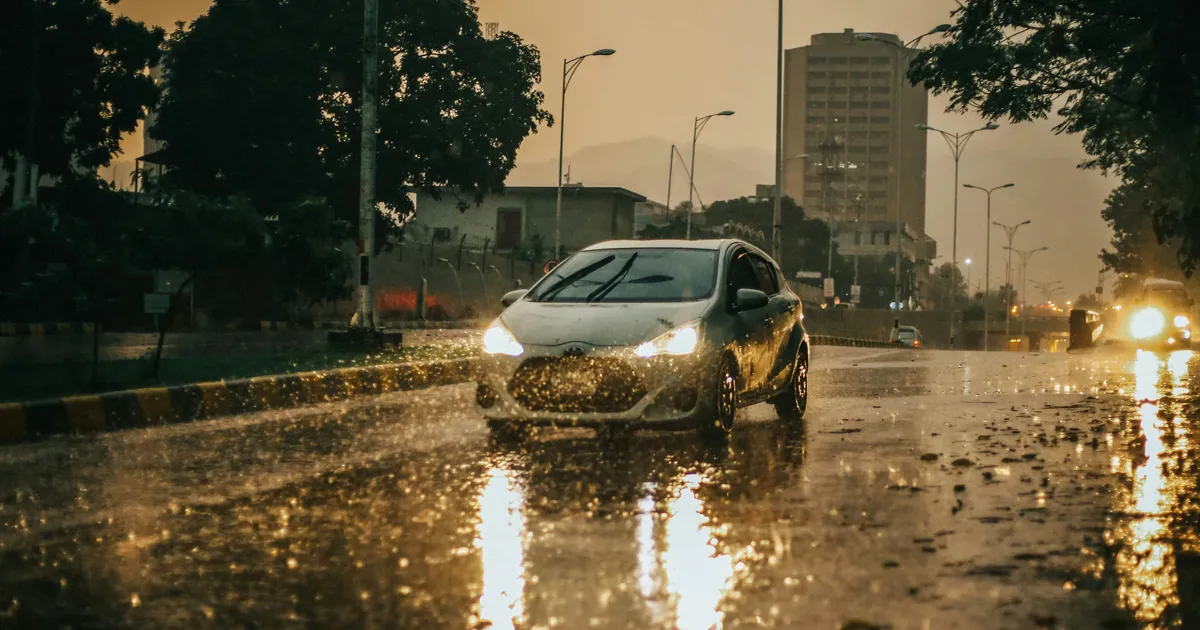
Driving in the rain can transform a routine commute into a high-stakes challenge, making understanding how to drive safely in rainy conditions absolutely crucial for every motorist. Wet roads drastically reduce tire traction, impair visibility, and increase accident risk, turning even a light drizzle into a potential hazard. This comprehensive guide equips you with the knowledge and practical steps needed to navigate various rainy scenarios confidently and securely. From pre-trip vehicle checks to advanced techniques for handling hydroplaning, we’ll cover essential strategies to ensure you and your passengers stay safe on slick surfaces, driving with greater peace of mind no matter the forecast.
Prepare Your Vehicle Before the Rain Hits
Before hitting the road in a downpour, ensuring your vehicle is rain-ready is the first and most critical step. Start by checking your tires; they are your primary contact with the road. Make sure they have adequate tread depth – a common recommendation is at least 4/32 of an inch – to effectively channel water away and maintain grip. Also, verify that your tire pressure is at the manufacturer’s recommended level, as under-inflated tires can increase the risk of hydroplaning. A quick visual inspection can save you from a dangerous situation when the weather turns.
Visibility is paramount, so next, inspect your windshield wipers. Worn-out blades can smear water rather than clear it, severely impairing your view. Replace them if they leave streaks or chatter across the glass. Don’t forget your lights: headlights, taillights, and turn signals must all be in perfect working order. Clean any grime off the lenses for maximum brightness. These simple maintenance checks, ideally performed as part of your regular vehicle upkeep well before the rain starts, form the foundation of safe wet-weather driving in 2026.
Adjust Your Driving Style for Wet Roads
Once the rain begins, the most significant adjustment you can make is to your driving habits. The golden rule is to slow down significantly. Wet roads mean longer stopping distances, so reducing your speed gives you more time to react to hazards and brake safely. Maintain a much greater following distance than you would on dry pavement – aim for at least double, perhaps even triple, the typical three-second rule. This extra space provides a critical buffer if the vehicle ahead suddenly stops or encounters an issue, preventing potential rear-end collisions.
Smoothness is key when accelerating, braking, and turning on slick surfaces. Avoid sudden, aggressive maneuvers that can cause your tires to lose traction. Accelerate gently to prevent wheel spin, and brake with light, consistent pressure rather than slamming the pedal. When turning, reduce your speed before entering the curve and steer smoothly through it. Imagine you have a glass of water on your dashboard that you don’t want to spill; this mindset helps promote the gentle inputs needed for safe rainy-day driving, minimizing the risk of skids.
Mastering Visibility and Lighting
Reduced visibility is one of the most immediate and dangerous consequences of driving in the rain. Always turn on your headlights, even in light drizzle during the day. This not only helps you see the road better but, crucially, makes your vehicle more visible to other drivers, especially those approaching from the opposite direction or from behind. Many modern vehicles automatically activate daytime running lights, but these often don’t include taillights, so manually switching on your low beams is a proactive safety measure that cannot be overlooked.
Using Fog Lights Appropriately
While headlights are essential, know when and how to use your fog lights. Fog lights are designed to cut through dense fog or heavy rain, illuminating the road directly in front of your vehicle without causing glare for oncoming traffic. They should be used only when visibility is severely limited, typically to less than 100 feet. Remember to turn them off once conditions improve, as using them unnecessarily can blind other drivers and is illegal in some areas. Their proper use can significantly enhance your immediate road view.
Dealing with Hydroplaning and Skids
Hydroplaning is a terrifying experience where your tires lose contact with the road surface due to a layer of water, causing your vehicle to slide uncontrollably. If you feel your car hydroplaning – often indicated by a sudden lightness in the steering or a sensation of floating – resist the urge to panic. Do not brake suddenly or make sharp turns. Instead, ease your foot off the accelerator gently and keep the steering wheel pointed straight in the direction you want to go. Allow your vehicle to slow down on its own until your tires regain traction with the pavement.
Regaining control after a skid requires a calm and measured response. If your vehicle begins to skid, turn the steering wheel gently in the direction the rear of your car is skidding. This is often referred to as “steering into the skid.” Avoid overcorrecting, which can lead to a secondary skid in the opposite direction. It’s crucial to look where you want the car to go, as your hands tend to follow your eyes. Practicing these techniques in a controlled environment, such as a driving school, can be invaluable, though hopefully, you won’t need them often.
Post-Rain Driving and Hazard Awareness
Even after the rain stops, hazards persist, and sometimes even worsen. Roads can remain slick from standing water, oil slicks brought to the surface, and debris washed onto the pavement. Be especially wary of puddles, as they can conceal potholes or other road damage, and driving through them quickly can lead to hydroplaning or unexpected splashes that reduce visibility for you and other drivers. Continue to drive cautiously, maintaining reduced speeds and increased following distances until the roads are completely dry. This vigilance is key to safe driving in 2026.
Pay close attention to potential hazards like fallen branches, leaves, or even power lines that might have come down during a storm. Flash flooding can occur rapidly, turning small streams into raging torrents and making underpasses impassable. Never attempt to drive through flooded roads; “turn around, don’t drown” is a critical safety mantra. Just six inches of moving water can sweep a car away. Staying informed about local weather alerts and road closures via sources like NHTSA or your local Department of Motor Vehicles is a smart move.
Key Takeaways
- Prepare Your Vehicle: Ensure tires have good tread and proper pressure, and wipers and all lights are fully functional before rain starts.
- Adjust Driving Habits: Reduce speed significantly, double your following distance, and make all inputs (steering, braking, accelerating) smooth and gentle.
- Maximize Visibility: Always use low beam headlights in the rain, and utilize fog lights only when visibility is severely impaired.
- Handle Hydroplaning Calmly: If hydroplaning, ease off the accelerator, keep the wheel straight, and avoid sudden braking or steering until traction returns.
Frequently Asked Questions
Is cruise control safe to use in the rain?
No, it is generally not safe to use cruise control in rainy conditions. Cruise control can maintain a consistent speed, but it cannot react quickly to sudden changes in traction or hydroplaning. If your car hydroplanes, the system might try to accelerate to maintain the set speed, which can worsen the skid and make it harder to regain control. Always keep full manual control of your speed adjustments on wet roads for optimal safety.
How do I know if my tires are good enough for rain?
To check if your tires are good enough for rain, assess their tread depth. A simple way is the “penny test”: insert a penny into a tread groove with Lincoln’s head upside down and facing you. If you can see the top of Lincoln’s head, your tread is too shallow (less than 2/32 inch) and tires should be replaced. For optimal rain performance, many experts recommend at least 4/32 inch tread depth, as water dispersion capabilities significantly decrease below this level. Regular checks are vital.
Should I use high beams in heavy rain?
No, you should never use high beams in heavy rain. High beams reflect off the raindrops, creating a glare that can significantly worsen your visibility, making it harder to see and potentially blinding oncoming drivers. Always stick to your low beam headlights in rainy conditions. These lights are angled downwards to illuminate the road surface without causing excessive reflection or glare, ensuring clearer vision for everyone on the road. Prioritizing low beams is a fundamental aspect of how to drive safely in rainy conditions.
What’s the best way to dry my brakes after driving through a deep puddle?
After driving through a deep puddle, your brakes may become wet and less effective. To dry them, gently and lightly apply pressure to the brake pedal for a few seconds while continuing to drive at a slow speed. You’ll feel the brakes respond as the friction generates heat, helping to evaporate the water from the pads and rotors. Repeat this a couple of times until you feel the brakes responding normally. This simple action helps restore full braking power quickly and safely. More tips on vehicle maintenance can be found on sites like AAA.
Conclusion
Mastering how to drive safely in rainy conditions is less about complex maneuvers and more about preparation, awareness, and making smart, gentle adjustments. By ensuring your vehicle is well-maintained, adopting a cautious driving style, and understanding how to react to unexpected situations like hydroplaning, you significantly reduce risks. Remember, patience and vigilance are your best allies on wet roads. Drive smart, stay safe, and arrive at your destination securely, even when the weather isn’t cooperating in 2026.