


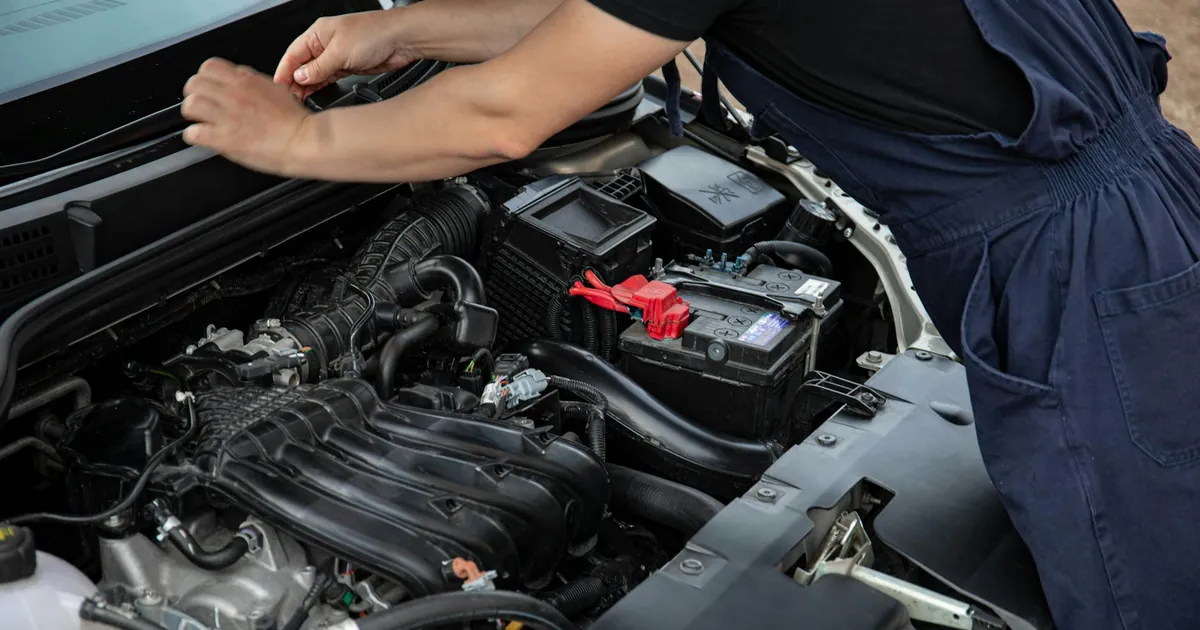
If your car battery keeps dying, you’re not alone—this frustrating issue plagues millions of drivers every year. A dead battery can leave you stranded at the worst possible moment, whether you’re rushing to work, heading out for a road trip, or simply trying to get home after a long day. While most people assume a dying battery is just a sign of old age, the truth is far more nuanced. From sneaky electrical drains to extreme weather conditions, there are dozens of hidden culprits that can sap your battery’s life without warning. Understanding these causes isn’t just about avoiding inconvenience; it’s about preventing costly repairs, extending your battery’s lifespan, and ensuring your vehicle runs reliably when you need it most. Let’s dive into the most common—and often overlooked—reasons why your car battery keeps dying, and what you can do to fix them before they leave you stuck.
What Exactly Causes a Car Battery to Keep Dying?
Before we explore the specific reasons, it’s helpful to understand what’s happening under the hood when your battery fails repeatedly. A car battery is essentially a chemical storage unit that converts stored energy into electrical power to start your engine and run accessories. When it “dies,” it means the battery can no longer hold enough charge to perform these tasks. While a single dead battery might be a fluke, repeated failures signal an underlying issue—whether it’s a problem with the battery itself, the vehicle’s electrical system, or external factors. Think of your battery like a water tank: if it’s constantly losing water (charge) faster than it can be refilled, something is draining it. The key is identifying whether the leak is coming from inside the tank (the battery) or outside (the car’s systems).
1. Parasitic Drain: The Silent Battery Killer
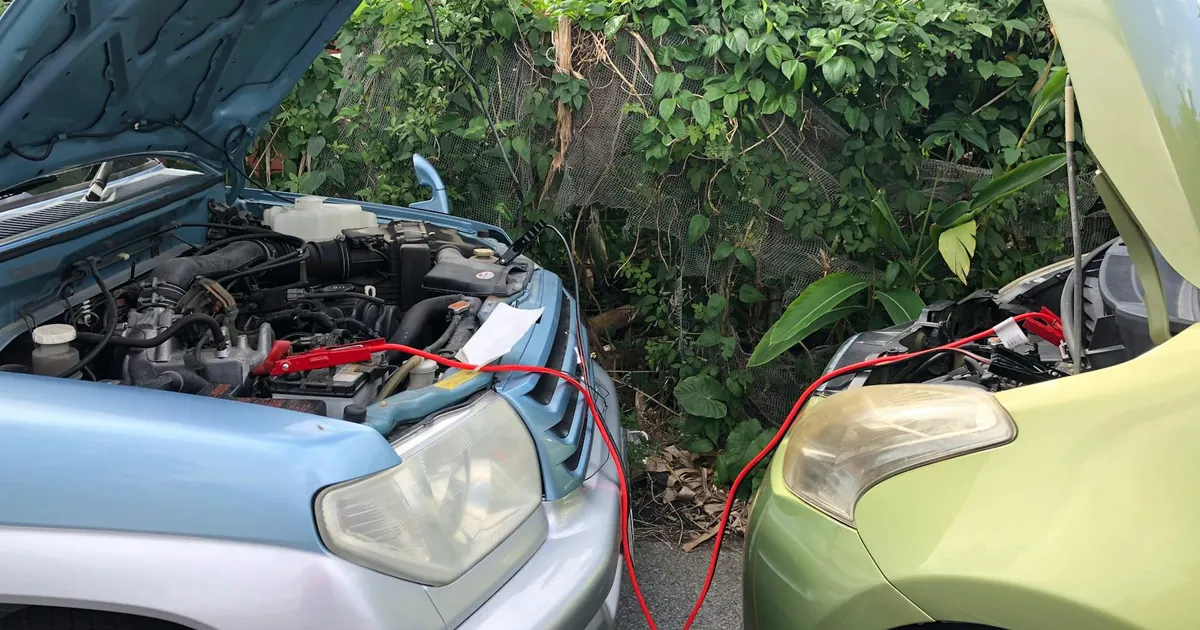
Parasitic drain is one of the most common—and sneaky—reasons your car battery keeps dying. This occurs when electrical components continue drawing power from the battery even after the engine is turned off. While some drain is normal (your car’s computer, clock, and security system need a small amount of power to stay active), excessive drain can flatten a battery overnight. The culprits? Faulty alternators, malfunctioning relays, or aftermarket accessories like dash cams, GPS trackers, or even poorly installed stereos. Even something as simple as a trunk light that stays on can drain your battery over time.
How to Detect Parasitic Drain
To diagnose parasitic drain, you’ll need a multimeter—a handy tool that measures electrical current. Start by disconnecting the negative battery terminal and connecting the multimeter in series between the terminal and the battery post. A healthy car should draw no more than 50 milliamps (mA) when everything is off. If your reading is significantly higher, you’ve found your problem. From there, you can systematically pull fuses to identify which circuit is the culprit. If you’re not comfortable doing this yourself, a mechanic can perform the test and pinpoint the exact component causing the drain.
Common Culprits Behind Parasitic Drain
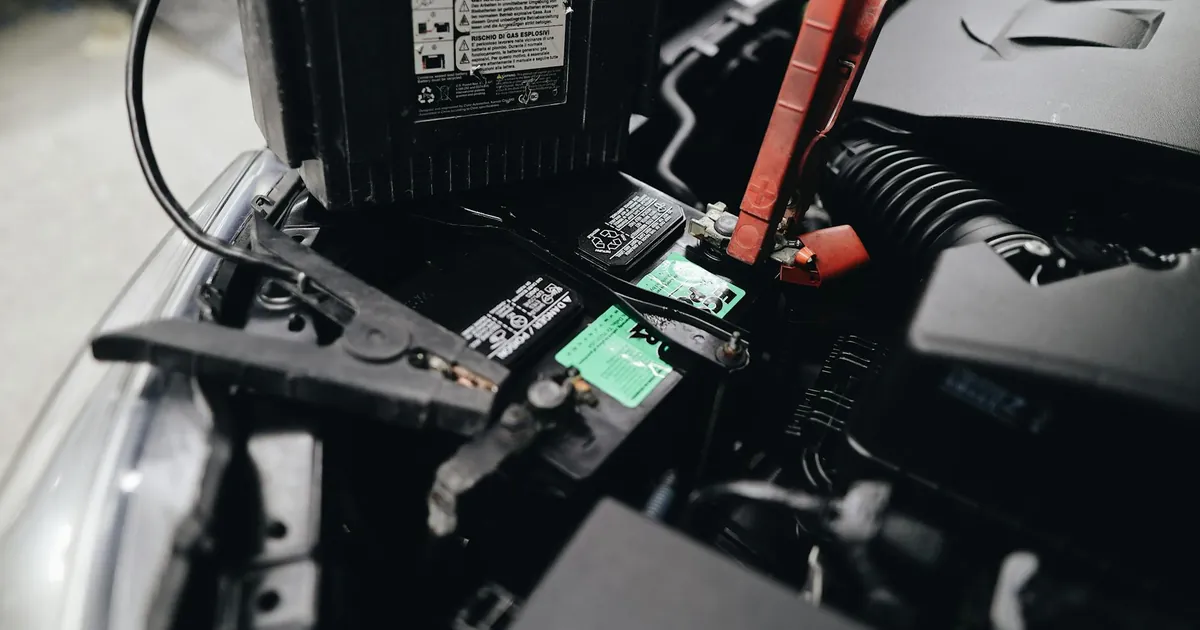
Some of the usual suspects include:
- Faulty alternators: If the alternator’s diode is bad, it can allow current to flow backward, draining the battery.
- Aftermarket electronics: Poorly installed stereos, amplifiers, or even USB chargers can create a constant draw.
- Stuck relays: A relay that fails to disengage (like the one for your fuel pump) can keep circuits active.
- Interior lights: Glove box, trunk, or dome lights that don’t turn off can drain the battery over time.
If you’ve recently added new electronics to your car, start there. Otherwise, a professional diagnostic may be needed to track down the issue.
2. Extreme Temperatures: The Invisible Battery Enemy
Your car battery doesn’t just struggle in the cold—it’s also vulnerable to extreme heat. Both freezing winters and scorching summers can wreak havoc on its performance and lifespan. In cold weather, the chemical reactions inside the battery slow down, reducing its ability to hold a charge. A battery that’s already weak may fail to start your car when temperatures drop below freezing. On the flip side, heat accelerates the evaporation of the battery’s internal fluids, leading to corrosion and internal damage. If you live in a region with extreme temperatures, your battery is fighting a constant battle just to stay functional.
How Cold Weather Affects Your Battery
When temperatures plummet, the oil in your engine thickens, making it harder for the starter motor to turn over. This forces your battery to work harder, often pushing it past its limits. A battery that’s already on its last legs may not have enough power to overcome this resistance. Additionally, cold weather reduces the battery’s capacity—sometimes by as much as 50%. If your battery is more than three years old, it’s especially vulnerable to cold-weather failure. Consider investing in a battery blanket or parking in a garage to minimize exposure to freezing temps.
How Heat Damages Your Battery
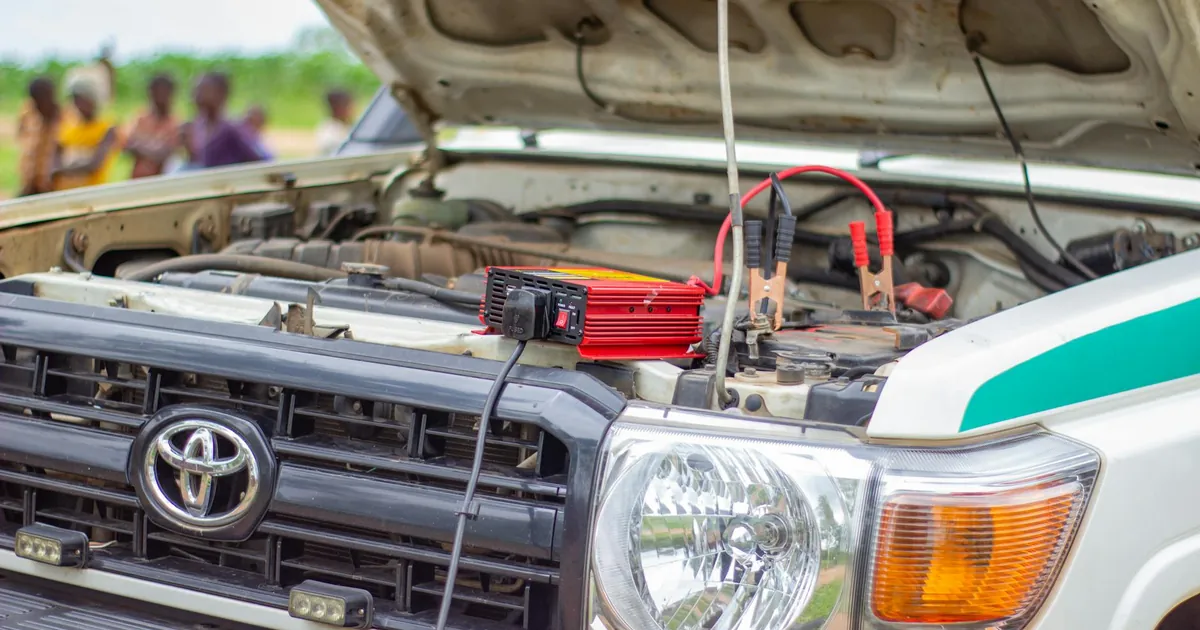
Heat is even more damaging than cold in the long run. High temperatures cause the water inside the battery to evaporate, which can expose the lead plates and lead to sulfation—a buildup of lead sulfate crystals that reduces the battery’s ability to hold a charge. Heat also accelerates corrosion on the battery terminals, which can create resistance and prevent proper charging. If you live in a hot climate, check your battery’s fluid levels regularly and consider a battery with a higher cold-cranking amp (CCA) rating to compensate for the heat’s effects.
3. Faulty Alternator: The Charging System Saboteur
Your alternator is the unsung hero of your car’s electrical system. Its job is to recharge the battery while the engine is running and power the vehicle’s electronics. If the alternator fails, your battery will eventually die—no matter how new or powerful it is. A bad alternator can manifest in several ways: dimming headlights, a whining noise from the engine, or a battery warning light on your dashboard. Sometimes, the alternator may appear to work but fail to charge the battery properly, leading to a slow drain over time.
One of the most frustrating aspects of a faulty alternator is that it can mimic other problems. For example, if your battery keeps dying but tests fine, the alternator might be the real issue. To check, start your car and use a multimeter to measure the voltage at the battery terminals. A healthy alternator should produce between 13.8 and 14.4 volts. If the reading is lower, your alternator isn’t doing its job. Replacing an alternator isn’t cheap, but it’s far less expensive than constantly replacing batteries or dealing with a car that won’t start.
4. Short Trips: The Battery’s Worst Enemy
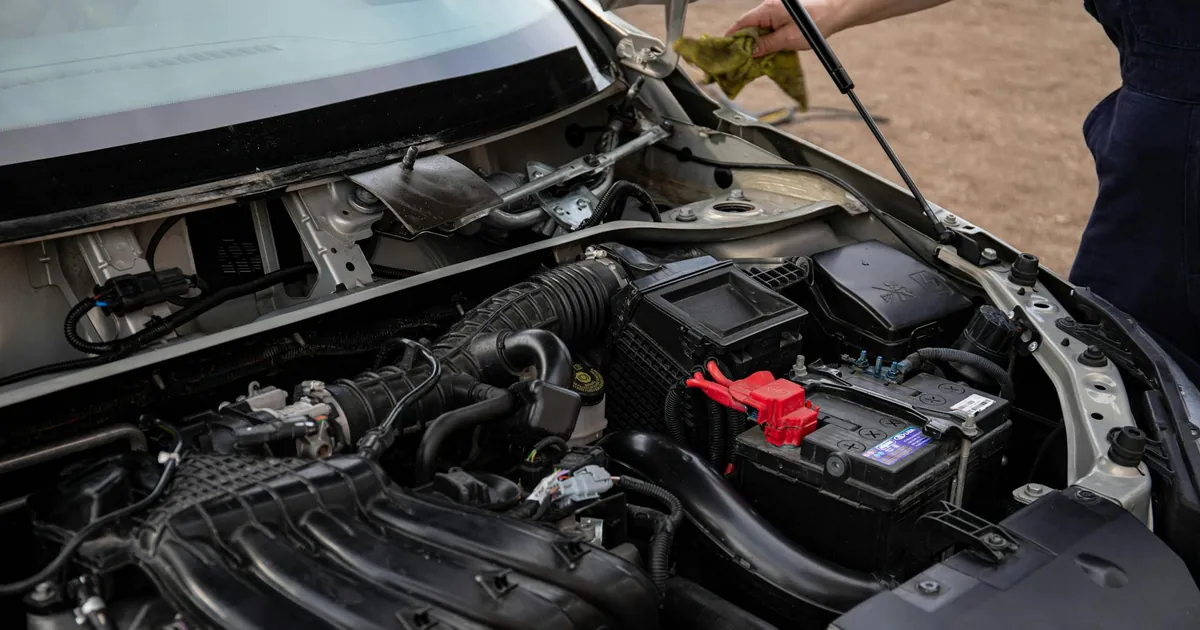
If you mostly take short trips—like driving to the grocery store a few blocks away or commuting a short distance to work—your battery may not be getting the chance to fully recharge. Starting your car requires a significant amount of power, and if you don’t drive long enough for the alternator to replenish that energy, your battery will gradually lose its charge. Over time, this can lead to a weakened battery that struggles to start your car, especially in cold weather.
Think of your battery like a phone: if you constantly drain it to 10% and only charge it to 50%, it won’t last long. The same principle applies to your car battery. To keep it healthy, aim for drives that last at least 20 minutes to give the alternator enough time to recharge the battery fully. If you can’t avoid short trips, consider investing in a battery maintainer or trickle charger to keep your battery topped up when the car isn’t in use.
How to Compensate for Short Trips
If short trips are unavoidable, here are a few strategies to protect your battery:
- Use a battery maintainer: These devices plug into your car’s electrical system and provide a small, steady charge to keep the battery at optimal levels.
- Drive longer routes occasionally: Once a week, take a longer drive to give the alternator time to fully recharge the battery.
- Turn off accessories: Minimize the use of power-hungry features like heated seats, high-powered stereos, or headlights when driving short distances.
- Check your battery’s health: If your battery is more than three years old, have it tested regularly to ensure it’s holding a charge.
5. Corroded or Loose Battery Connections
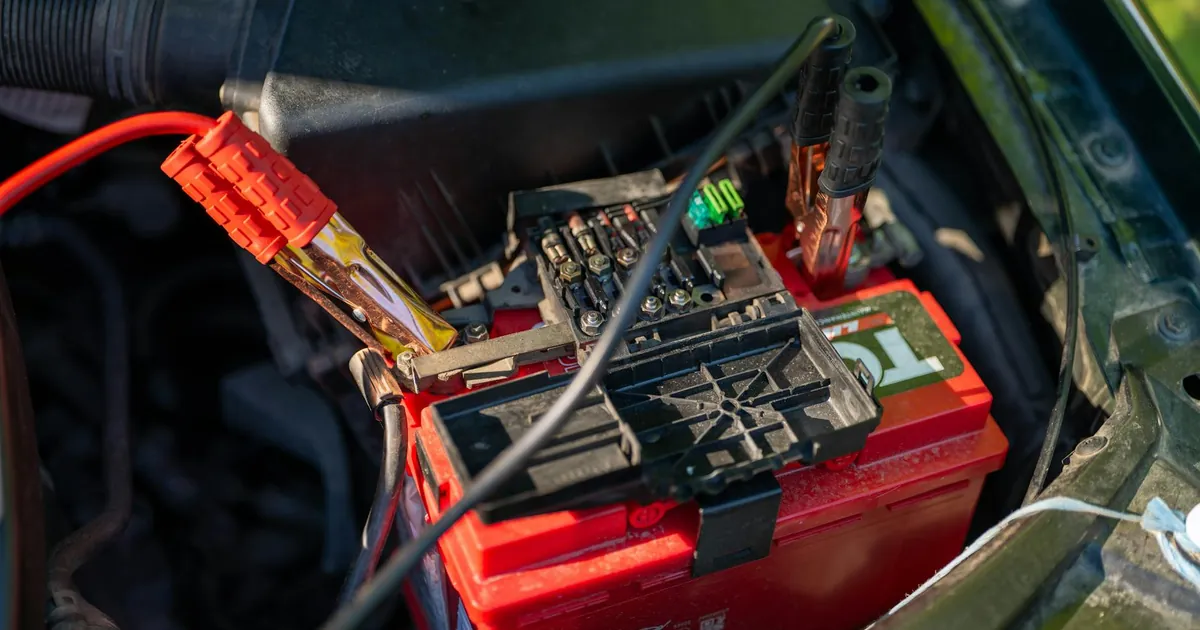
Even the best battery won’t perform well if its connections are dirty, corroded, or loose. Corrosion on the battery terminals creates resistance, which prevents the battery from charging properly and delivering power to the starter. This is a common issue, especially in older batteries or vehicles exposed to harsh conditions. Loose connections can also cause intermittent power loss, leading to starting problems or electrical gremlins like flickering lights.
Corrosion typically appears as a white, green, or blue powdery substance on the battery terminals. It’s caused by a chemical reaction between the battery acid and the metal terminals, and it can spread quickly if left unchecked. Fortunately, cleaning the terminals is a simple DIY job. Start by disconnecting the battery (always remove the negative terminal first), then scrub the terminals with a mixture of baking soda and water. A wire brush works well for stubborn corrosion. Once clean, reconnect the terminals and apply a thin layer of petroleum jelly or terminal protector to prevent future buildup.
How to Prevent Corrosion
Preventing corrosion is easier than cleaning it up. Here’s how to keep your battery terminals in top shape:
- Inspect regularly: Check your battery terminals every few months for signs of corrosion or loose connections.
- Use terminal protectors: Apply a corrosion inhibitor or dielectric grease to the terminals after cleaning.
- Avoid over-tightening: While loose connections are bad, over-tightening can damage the terminals or the battery posts.
- Check for leaks: If your battery is leaking acid, it’s time to replace it. Leaking acid accelerates corrosion and can damage other components.
6. Old or Weak Battery: The Inevitable Decline
No battery lasts forever. Most car batteries have a lifespan of three to five years, depending on usage, climate, and maintenance. Over time, the internal components degrade, reducing the battery’s ability to hold a charge. If your battery is more than three years old and keeps dying, it’s likely time for a replacement. Even if it seems to work fine most of the time, an aging battery is more susceptible to failure in extreme temperatures or when subjected to heavy loads (like starting the car on a cold morning).
One of the telltale signs of a weak battery is slow cranking. If your engine takes longer than usual to start, or if you hear a clicking sound when you turn the key, your battery may be on its way out. Another red flag is a battery that holds a charge for a few days but dies if the car sits unused for a week. If you suspect your battery is failing, have it tested at an auto parts store or mechanic. Most places offer free battery testing, and it’s a quick way to determine whether you need a replacement.
How to Extend Your Battery’s Lifespan
While you can’t stop your battery from aging, you can take steps to maximize its lifespan:
- Keep it clean: Regularly clean the terminals and check for corrosion.
- Avoid deep discharges: Try not to let your battery drain completely, as this can shorten its lifespan.
- Drive regularly: Long periods of inactivity can cause the battery to lose its charge and sulfate.
- Use a maintainer: If you don’t drive often, a battery maintainer can keep it charged and healthy.
- Park in the shade: Extreme heat accelerates battery degradation, so park in a garage or shaded area when possible.
Key Takeaways
- Parasitic drain is a common cause of repeated battery failures, often due to faulty alternators, aftermarket electronics, or stuck relays.
- Extreme temperatures—both hot and cold—can significantly reduce your battery’s performance and lifespan.
- A faulty alternator may prevent your battery from charging properly, leading to repeated failures even if the battery is new.
- Short trips don’t give your alternator enough time to recharge the battery, which can lead to a slow drain over time.
- Corroded or loose battery connections create resistance, preventing the battery from delivering power efficiently.
- Most car batteries last three to five years; if yours is older, it’s likely time for a replacement.
- Regular maintenance, like cleaning terminals and checking for corrosion, can extend your battery’s life and prevent unexpected failures.
“A car battery is like the heart of your vehicle’s electrical system—if it’s not healthy, nothing else will work properly. Many drivers assume a dead battery is just bad luck, but the reality is that most failures are preventable with proper care and attention. The key is to diagnose the root cause early, whether it’s a parasitic drain, a faulty alternator, or simply an old battery. Ignoring the problem will only lead to more frustration and costly repairs down the road.”
—Mark Johnson, ASE-Certified Master Technician and Automotive Columnist for MotorTrend
Frequently Asked Questions
Why does my car battery die overnight?
If your battery dies overnight, it’s usually due to parasitic drain—a component in your car is drawing power even when the engine is off. Common culprits include faulty alternators, aftermarket electronics, or interior lights that don’t turn off. Use a multimeter to test for excessive drain, or take your car to a mechanic for a diagnostic.
Can a bad alternator kill a new battery?
Absolutely. A faulty alternator can prevent your battery from charging properly, leading to repeated failures. Even a brand-new battery will die quickly if the alternator isn’t doing its job. If your battery keeps dying despite being new, have the alternator tested.
How do I know if my battery or alternator is bad?
The easiest way to tell is to test the battery and alternator with a multimeter. With the engine off, a healthy battery should read around 12.6 volts. With the engine running, the alternator should produce between 13.8 and 14.4 volts. If the battery tests fine but the alternator’s output is low, the alternator is likely the problem.
Does idling the car charge the battery?
Idling can charge the battery, but it’s not very efficient. The alternator produces less power at idle, so it takes much longer to recharge the battery than if you’re driving. If your battery is dead, idling for 10–15 minutes may give it enough charge to start the car, but a longer drive is better for a full recharge.
Can a jump start damage my car?
A jump start itself won’t damage your car if done correctly, but repeated jump starts can strain the battery and electrical system. If your battery keeps dying, it’s better to diagnose and fix the underlying issue rather than relying on jump starts. Always follow the correct procedure: connect the positive cables first, then the negative, and avoid touching the clamps together.
How often should I replace my car battery?
Most car batteries last three to five years, but this can vary based on climate, usage, and maintenance. If your battery is more than three years old, have it tested regularly. Signs it’s time for a replacement include slow cranking, dim headlights, or a battery warning light on your dashboard.
What’s the best way to store a car battery?
If you’re storing a car battery (or a car for an extended period), follow these steps:
- Fully charge the battery before storage.
- Store it in a cool, dry place away from direct sunlight.
- Use a battery maintainer or trickle charger to keep it topped up.
- Check the charge every few months and recharge if necessary.
Avoid storing a battery on concrete, as this can accelerate discharge. Instead, place it on a wooden pallet or shelf.
Dealing with a car battery that keeps dying is frustrating, but the good news is that most causes are preventable or fixable. Whether it’s a parasitic drain, a faulty alternator, or simply an old battery, identifying the root cause is the first step toward a reliable ride. Don’t wait until you’re stranded—take action today. Check your battery’s health, inspect your connections, and consider a professional diagnostic if the problem persists. Your future self (and your wallet) will thank you.