


Finding a budget-friendly car that doesn’t skimp on features feels like searching for a needle in a haystack—until you know exactly where to look. The modern automotive market is flooded with options, but not all affordable vehicles deliver the tech, safety, and comfort you deserve. Whether you’re a first-time buyer, a college student, or simply someone who wants to stretch their dollar without sacrificing quality, this guide will steer you toward the best budget-friendly cars packed with standout features. From fuel-efficient sedans to versatile hatchbacks, we’ll break down what makes these vehicles worth your hard-earned money and how to spot the hidden gems that others overlook.
What Makes a Budget-Friendly Car Truly Feature-Rich?
When we talk about budget-friendly cars with the best features, we’re not just referring to a low sticker price. A truly feature-rich budget car balances affordability with modern conveniences, safety tech, and reliability. Think of it as getting a smartphone with a premium camera and long battery life—without the flagship price tag. These cars often include advanced driver-assistance systems (ADAS), infotainment with smartphone integration, and fuel-efficient engines that save you money at the pump. The sweet spot lies in models that offer the most bang for your buck, often found in the $15,000–$25,000 range, where manufacturers compete fiercely to attract value-conscious buyers.
To identify these standout vehicles, focus on three pillars: safety, technology, and ownership costs. Safety features like automatic emergency braking and lane-keeping assist are no longer luxuries—they’re necessities. Meanwhile, tech like Apple CarPlay and Android Auto should come standard, not as pricey add-ons. Finally, consider long-term costs like fuel efficiency, insurance premiums, and maintenance. A car that’s cheap upfront but guzzles gas or requires frequent repairs will cost you more in the long run. For a deeper dive into evaluating used cars, check out this related article on what to inspect before making a purchase.
How to Spot a Value-Packed Budget Car
Not all budget cars are created equal. Some manufacturers cut corners by using cheap materials or omitting key features, while others prioritize value without sacrificing quality. Start by researching models with high safety ratings from the Insurance Institute for Highway Safety (IIHS) or the National Highway Traffic Safety Administration (NHTSA). Next, look for cars that offer the most standard features in their base trim. For example, a Honda Civic LX might include adaptive cruise control, while a similarly priced competitor forces you to upgrade to a higher trim for the same tech.
Another pro tip: pay attention to resale value. Some budget cars depreciate faster than others, which means you’ll lose more money when it’s time to sell or trade in. Brands like Toyota, Honda, and Subaru tend to hold their value better than most, making them smarter long-term investments. If you’re unsure which car aligns with your needs, this guide on choosing the right car can help narrow down your options.
Common Pitfalls to Avoid
One of the biggest mistakes budget-conscious buyers make is fixating on the monthly payment instead of the total cost of ownership. Dealers love to stretch out loan terms to make a car seem more affordable, but you’ll end up paying thousands in extra interest. Always aim for the shortest loan term you can comfortably afford—ideally 36 to 48 months. Another trap is ignoring hidden fees, like destination charges, dealer add-ons, or extended warranties that inflate the final price.
Also, be wary of “too good to be true” deals, especially on used cars. A suspiciously low price could signal a salvage title, odometer fraud, or mechanical issues. Always get a pre-purchase inspection from a trusted mechanic before committing. For more red flags to watch out for, this checklist covers everything from title history to under-the-hood checks.
Top 5 Budget-Friendly Cars with Premium Features
If you’re ready to see which cars deliver the most features for the least money, here are five standout models that punch above their weight. These picks were selected based on their standard equipment, safety ratings, and real-world ownership costs. Whether you prioritize tech, space, or fuel efficiency, there’s something here for every type of driver.
1. 2023 Hyundai Elantra
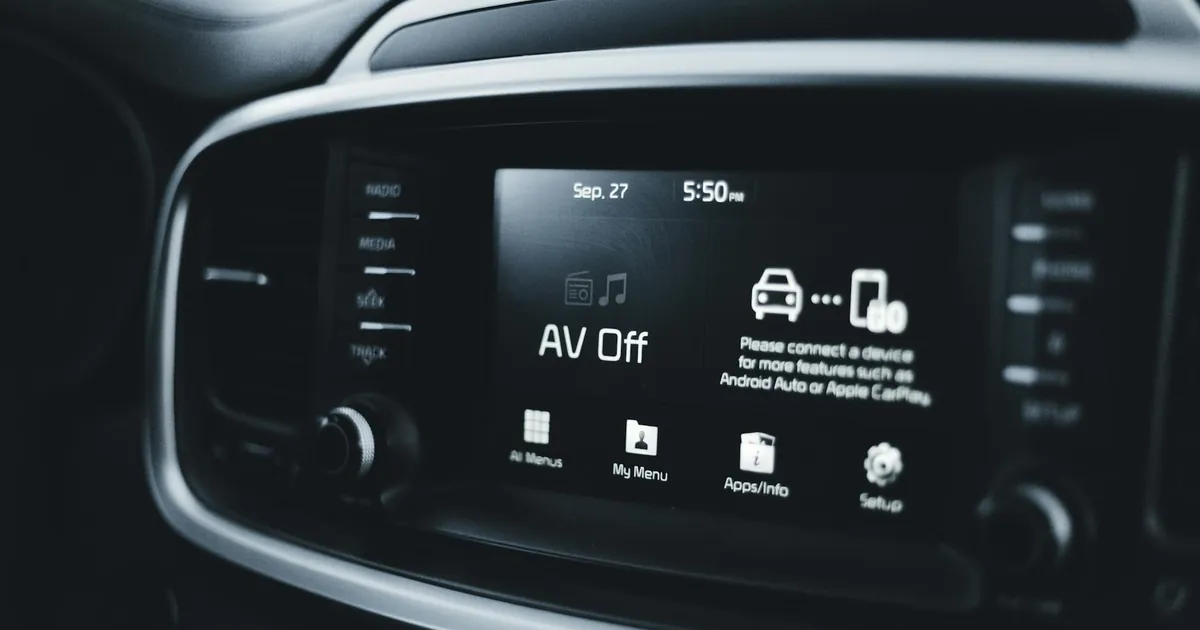
The Hyundai Elantra is a masterclass in stretching your dollar. Starting at around $21,000, the base SE trim comes loaded with a 147-horsepower engine, an 8-inch touchscreen with wireless Apple CarPlay and Android Auto, and a suite of safety features including forward collision warning and lane-keeping assist. What sets the Elantra apart is its bold styling and surprisingly spacious interior, which rivals cars costing thousands more. The available hybrid version further sweetens the deal, offering up to 54 mpg in the city—perfect for commuters looking to slash fuel costs.
Hyundai’s warranty is another major selling point. The Elantra comes with a 5-year/60,000-mile basic warranty and a 10-year/100,000-mile powertrain warranty, giving you peace of mind for years to come. If you’re torn between new and used, consider a lightly used 2020 or 2021 model, which often includes similar features at a fraction of the original price.
2. 2023 Kia Soul
The Kia Soul is the Swiss Army knife of budget cars—compact yet surprisingly roomy, quirky yet practical. With a starting price under $21,000, the Soul offers a boxy design that maximizes cargo space (up to 62.1 cubic feet with the seats folded) and a peppy 2.0-liter engine. Standard features include an 8-inch touchscreen, Apple CarPlay, Android Auto, and a six-speaker audio system. Higher trims add luxuries like a 10.25-inch touchscreen, wireless charging, and a Harman Kardon premium audio system—rare finds in this price range.
Safety is another strong suit. The Soul earned a Top Safety Pick+ award from the IIHS, thanks to its robust crash-test performance and standard forward collision warning with automatic emergency braking. The Soul’s tall ride height also gives it a commanding view of the road, making it feel more like a small SUV than a traditional hatchback. If you need a car that’s as versatile as it is affordable, the Soul should be at the top of your list.
3. 2023 Toyota Corolla
The Toyota Corolla has long been the gold standard for reliability, and the latest model proves you don’t have to sacrifice features for dependability. Starting at around $22,000, the Corolla comes standard with Toyota Safety Sense 3.0, which includes adaptive cruise control, lane departure alert, and road sign assist. The base L trim also includes a 7-inch touchscreen, Apple CarPlay, Android Auto, and a USB port—all for less than many competitors’ bare-bones models.
Fuel efficiency is another highlight. The Corolla’s 1.8-liter engine delivers up to 32 mpg in the city and 41 mpg on the highway, while the hybrid version jumps to an impressive 50 mpg combined. Toyota’s reputation for longevity means you’ll likely keep this car for years, further stretching your budget. If you’re considering a used Corolla, look for models from 2019 or newer, which introduced the current generation’s improved tech and safety features.
4. 2023 Honda Civic
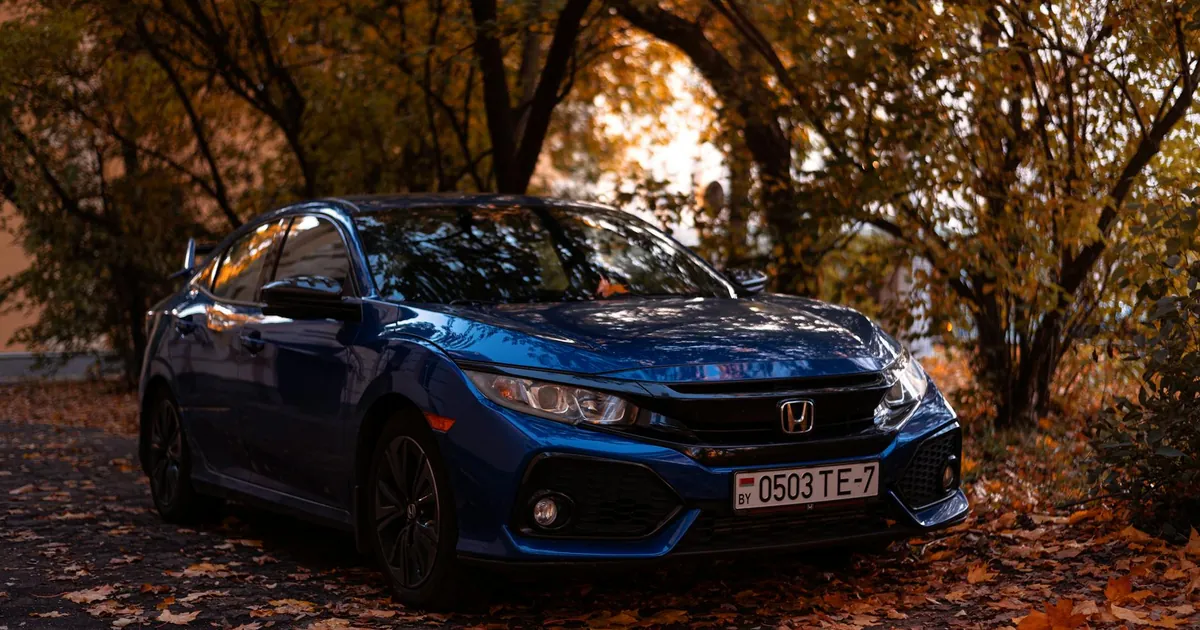
The Honda Civic is a perennial favorite for good reason. It blends sporty handling, a refined interior, and a long list of standard features into a package that’s hard to beat. The base LX trim starts at around $24,000 and includes a 7-inch touchscreen, Apple CarPlay, Android Auto, and Honda Sensing—a suite of safety features like collision mitigation braking and adaptive cruise control. The Civic’s 2.0-liter engine delivers 158 horsepower, which is more than enough for daily driving, while the available turbocharged 1.5-liter engine cranks out 180 horsepower for those who crave extra zip.
What truly sets the Civic apart is its upscale interior. Soft-touch materials and a clean, minimalist design make it feel more expensive than it is. The Civic also offers one of the most comfortable rides in its class, absorbing bumps and potholes with ease. If you’re torn between the Civic and the Corolla, this guide on choosing the right car can help you decide which one aligns better with your priorities.
5. 2023 Mazda3
The Mazda3 is the budget-friendly car for drivers who refuse to compromise on driving dynamics. Starting at around $23,000, the Mazda3 delivers a level of refinement and handling that rivals luxury brands. The base model comes with a 2.5-liter engine producing 191 horsepower, a 8.8-inch infotainment screen, and a host of standard safety features like blind-spot monitoring and rear cross-traffic alert. The interior is a standout, with premium materials and a driver-focused cockpit that makes every commute feel special.
Mazda’s i-Activsense safety suite is another highlight, offering features like adaptive headlights and traffic sign recognition. The Mazda3 also boasts one of the best warranties in its class, with a 3-year/36,000-mile basic warranty and a 5-year/60,000-mile powertrain warranty. If you’re looking for a car that’s fun to drive without breaking the bank, the Mazda3 is a top contender.
Hidden Costs of Budget Cars You Can’t Ignore
Buying a budget-friendly car is just the first step—owning one comes with its own set of expenses that can quickly add up if you’re not prepared. While the sticker price might look appealing, it’s the hidden costs that often catch buyers off guard. From insurance premiums to maintenance and depreciation, these expenses can turn a great deal into a financial burden if you’re not careful. The key is to anticipate these costs upfront and factor them into your budget before signing on the dotted line.
One of the biggest hidden costs is insurance. Some budget cars, especially those with high theft rates or poor safety ratings, come with sky-high insurance premiums. For example, a sporty compact car might be fun to drive, but it could cost significantly more to insure than a family sedan with a top safety rating. Before committing to a car, get insurance quotes for the exact make, model, and trim you’re considering. Websites like NerdWallet can help you compare rates and find the best coverage for your budget.
Depreciation: The Silent Budget Killer

Depreciation is the single largest expense of car ownership, yet most buyers overlook it entirely. On average, a new car loses about 20% of its value in the first year and up to 60% after five years. Some budget cars depreciate even faster, especially if they’re from brands with lower resale values. For example, a $20,000 car that loses 50% of its value in three years will cost you $10,000 in depreciation alone—not including fuel, insurance, or maintenance.
To minimize depreciation, focus on models with strong resale values. Brands like Toyota, Honda, and Subaru consistently rank at the top for holding their value, while luxury brands and some domestic models tend to depreciate faster. Buying a lightly used car (1–3 years old) can also help you avoid the steepest depreciation curve, as the previous owner has already absorbed the biggest hit. If you’re considering a used car, this checklist can help you avoid lemons and find a reliable ride.
Maintenance and Repairs: The Long-Term Costs
Even the most reliable cars require maintenance, and some budget models are cheaper to service than others. For example, a Toyota Corolla might cost less to maintain over five years than a European luxury car, but it could still set you back $1,000–$2,000 in routine services like oil changes, brake pads, and tires. Before buying, research the average maintenance costs for the models you’re considering. Websites like RepairPal provide estimates for common repairs and can help you budget accordingly.
Another factor to consider is the availability of parts. Some budget cars, especially those from niche brands, have parts that are harder to find or more expensive to replace. Stick with mainstream brands like Honda, Toyota, or Ford, which have widespread dealership networks and affordable parts. If you’re buying used, always check the car’s service history to ensure it’s been well-maintained. A car with a spotty maintenance record could end up costing you thousands in repairs down the road.
How to Negotiate the Best Deal on a Feature-Rich Budget Car
Walking into a dealership with a plan is the best way to secure a great deal on a budget-friendly car. Dealers are trained to maximize profits, but armed with the right knowledge, you can turn the tables and walk away with a feature-packed car at a price that fits your budget. The key is to approach the negotiation process strategically, focusing on the total cost of the car rather than the monthly payment. Here’s how to do it.
First, do your research. Know the exact make, model, and trim you want, as well as its fair market value. Websites like Kelley Blue Book and Edmunds provide pricing tools that show what others in your area are paying for the same car. This gives you a baseline for negotiation and prevents the dealer from overcharging you. If you’re trading in a car, get an independent appraisal beforehand so you know its true value. Dealers often lowball trade-in offers to pad their profits, so having your own appraisal gives you leverage.
Timing Is Everything
Believe it or not, the time of year you buy a car can significantly impact the price. Dealers are more motivated to move inventory at certain times, such as the end of the month, quarter, or year, when they’re trying to hit sales targets. Holiday weekends like Memorial Day, Labor Day, and Black Friday are also great times to score a deal, as dealers offer special promotions to attract buyers. If you’re flexible, consider shopping in December, when dealers are eager to clear out old inventory to make room for new models.
Another pro tip: shop on a weekday, preferably in the middle of the month. Dealerships are less crowded on weekdays, which means salespeople have more time to work with you and may be more willing to negotiate. Avoid weekends, when dealerships are packed with buyers and salespeople are less likely to budge on price.
Leverage Pre-Approved Financing
One of the biggest mistakes buyers make is walking into a dealership without financing lined up. Dealers make a significant portion of their profits from financing, so they’ll often try to steer you toward their in-house loans, which may come with higher interest rates. Instead, get pre-approved for a loan from your bank or credit union before you start shopping. This gives you a baseline for comparison and puts you in a stronger negotiating position.
When you’re at the dealership, let the salesperson know you’re pre-approved but open to their financing if they can beat your rate. This forces them to compete for your business, which can lead to a better deal. If the dealer’s financing is worse than your pre-approved loan, stick with your original offer. Just be sure to read the fine print—some loans come with hidden fees or prepayment penalties that can cost you more in the long run.
Key Takeaways
- Budget-friendly cars with the best features balance affordability with modern tech, safety, and reliability—look for models with high safety ratings and standard infotainment systems.
- Top picks like the Hyundai Elantra, Kia Soul, Toyota Corolla, Honda Civic, and Mazda3 offer premium features at competitive prices, often under $25,000.
- Hidden costs like insurance, depreciation, and maintenance can add thousands to the total cost of ownership—always research these expenses before buying.
- Negotiating the best deal requires preparation: know the car’s fair market value, shop at the right time, and secure pre-approved financing to avoid dealer markups.
- Buying used can save money, but always inspect the car thoroughly or get a pre-purchase inspection to avoid costly repairs down the road.
- Resale value matters—brands like Toyota, Honda, and Subaru hold their value better than most, making them smarter long-term investments.
- Focus on the total cost of the car, not just the monthly payment, to avoid stretching out loans and paying unnecessary interest.
“The best budget car isn’t the one with the lowest sticker price—it’s the one that delivers the most value over time. Look for models with strong safety ratings, low maintenance costs, and high resale value. A car that saves you money upfront but costs a fortune to own isn’t a bargain.”
— Mark Williams, Automotive Analyst at Forbes
Frequently Asked Questions
What’s the best budget-friendly car for families?
The Toyota Corolla and Honda Civic are excellent choices for families, thanks to their spacious interiors, top safety ratings, and fuel efficiency. Both cars offer ample rear legroom and large trunks, making them practical for road trips and daily errands. If you need more cargo space, the Kia Soul’s boxy design provides up to 62.1 cubic feet with the seats folded—perfect for strollers, groceries, or sports equipment.
Are budget-friendly cars safe?
Absolutely—many budget-friendly cars come with advanced safety features that were once reserved for luxury models. For example, the Hyundai Elantra and Honda Civic include standard forward collision warning, automatic emergency braking, and lane-keeping assist. Always check the safety ratings from the IIHS or NHTSA before buying, and prioritize cars with high scores in crash tests and standard safety tech.
Should I buy new or used to get the best features?
It depends on your budget and priorities. A new car comes with the latest features, a full warranty, and the peace of mind that no one else has driven it. However, a lightly used car (1–3 years old) can offer nearly the same features at a fraction of the price, as the previous owner has already absorbed the steepest depreciation. If you go the used route, always get a pre-purchase inspection and check the vehicle history report to avoid hidden issues.
How can I get the most features for my money?
Start by focusing on base trims that include the most standard features. For example, the Mazda3’s base model comes with blind-spot monitoring and a premium interior, while some competitors force you to upgrade to a higher trim for the same tech. Also, look for cars with strong resale values, as they’ll save you money in the long run. Finally, don’t overlook certified pre-owned (CPO) programs, which offer extended warranties and thorough inspections at a lower price than new.
What’s the cheapest car with Apple CarPlay and Android Auto?
The 2023 Hyundai Venue is one of the cheapest new cars with Apple CarPlay and Android Auto, starting at around $19,000. Other budget-friendly options include the Kia Rio and Nissan Versa, both of which offer smartphone integration in their base trims. If you’re open to used cars, models like the 2017–2020 Honda Fit or Toyota Yaris often include these features at even lower prices.
Do budget cars hold their value?
Some do, some don’t. Brands like Toyota, Honda, and Subaru are known for their strong resale values, while others depreciate quickly. For example, a Toyota Corolla retains about 50% of its value after three years, while a domestic brand might lose 60% or more in the same period. To maximize resale value, choose a car with a reputation for reliability, low maintenance costs, and high demand in the used market.
What’s the best budget car for long commutes?
For long commutes, you’ll want a car that’s fuel-efficient, comfortable, and packed with tech to keep you entertained. The Toyota Corolla Hybrid is a top pick, offering up to 50 mpg combined and a smooth ride. The Honda Civic is another great option, with a refined interior and available adaptive cruise control for highway driving. If you prefer an SUV, the Hyundai Kona or Kia Seltos offer excellent fuel economy and a comfortable ride for under $25,000.
Choosing the right budget-friendly car with the best features doesn’t have to be a compromise. By focusing on value, safety, and long-term costs, you can drive away in a car that meets your needs without breaking the bank. Whether you opt for a new Hyundai Elantra or a used Mazda3, the key is to do your research, negotiate smartly, and prioritize the features that matter most to you. Ready to start shopping? Head to your local dealership armed with this guide, and you’ll be well on your way to finding the perfect ride.