


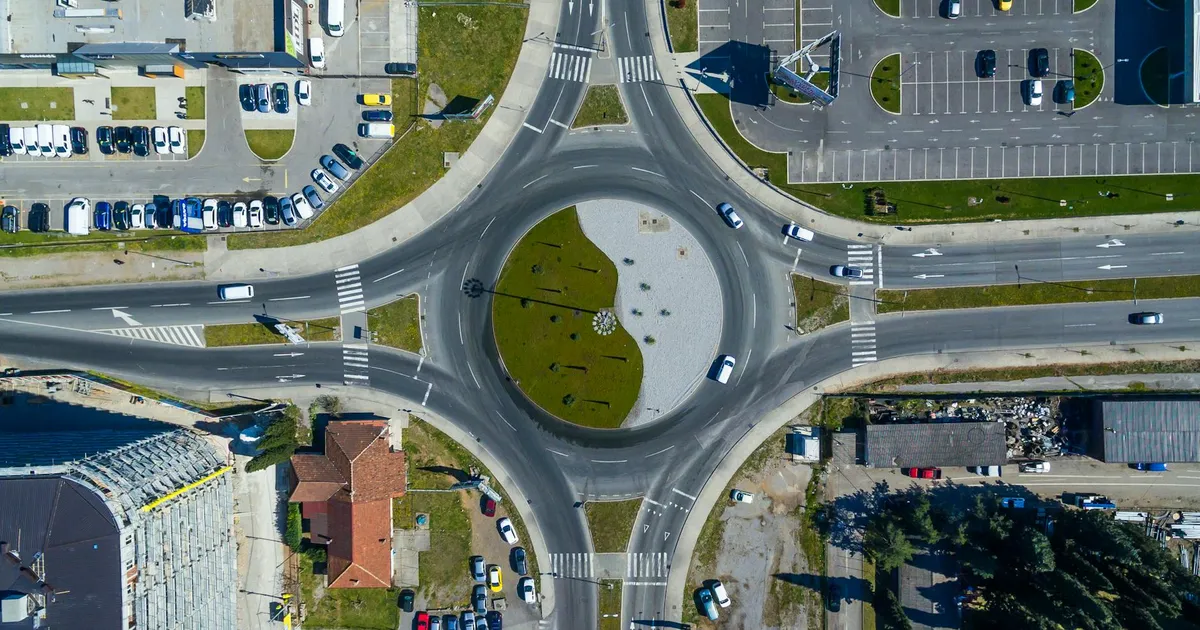
Mastering defensive driving strategies for navigating intersections and high-traffic roundabouts is essential for maintaining safety on modern roadways in 2026. Intersections remain the most common site for traffic accidents, as they involve converging flows of vehicles, pedestrians, and cyclists moving in multiple directions. To navigate these high-stakes environments, drivers must cultivate a heightened state of situational awareness, anticipating the mistakes of others rather than assuming universal compliance with traffic laws. By implementing proactive techniques—such as scanning far ahead, managing speed, and maintaining adequate following distances—you significantly reduce your risk profile. This guide explores the advanced defensive maneuvers necessary to handle complex junctions with precision, confidence, and safety, ensuring you arrive at your destination without incident during your daily commute.
The Art of Intersection Scanning
Effective intersection management begins long before you reach the stop line. As you approach, your eyes should be scanning the environment at least 15 seconds ahead to identify potential hazards such as changing traffic signals, stalled vehicles, or aggressive drivers attempting to beat a yellow light. Research from the National Highway Traffic Safety Administration emphasizes that failing to scan peripheral areas is a primary cause of intersection collisions. Develop the habit of looking left, right, and left again before entering any junction, even if you have the right of way. This rhythmic scanning pattern ensures that you remain cognizant of cross-traffic patterns and potential lane jumpers.
Furthermore, maintain a “ready-foot” position by hovering your foot over the brake pedal as you approach the intersection. This micro-adjustment in your driving posture reduces your reaction time by milliseconds, which can be the difference between a near-miss and a collision. In 2026, with the rise of distracted driving due to advanced in-vehicle technology, assume that other drivers are not paying attention to your presence. Avoid the temptation to rely solely on traffic control devices; always verify that oncoming traffic has actually come to a complete stop before you commit to a turn or crossing movement.
Navigating High-Traffic Roundabouts
Modern roundabouts are engineered to reduce high-speed, right-angle collisions, yet they remain intimidating for many motorists. The fundamental rule for success is to yield to traffic already inside the circle before entering. While waiting for a gap, position your vehicle to observe the flow of traffic, looking specifically for drivers who may be failing to signal their exit. By observing the position of vehicles within the circle, you can often predict their intentions even if they do not use turn signals. Maintain a steady, predictable speed once you enter, ensuring you stay within your lane and avoid sudden movements that could catch other drivers off guard.
When navigating multi-lane roundabouts, the complexity increases significantly. You must choose your lane based on your intended exit point well before you reach the entry. If you are taking the first or second exit, stay in the right lane; for third or fourth exits, utilize the left lane. Avoid changing lanes while inside the roundabout, as this is a frequent cause of sideswipe accidents. If you miss your exit, do not panic or stop; simply continue circling until you can safely exit at the next opportunity. For detailed safety standards regarding modern traffic flow, consult the resources provided by the Federal Highway Administration.
Comparing Traffic Control Methods
| Feature | Standard Intersection | Modern Roundabout |
|---|---|---|
| Conflict Points | High (up to 32) | Low (up to 8) |
| Speed Management | Relies on signals/signs | Inherent geometric design |
| Accident Severity | High (T-bone/Head-on) | Low (Sideswipe) |
| Flow Efficiency | Stop-and-go pattern | Continuous movement |
Managing Right-of-Way Ambiguity
Situations involving right-of-way ambiguity are common at four-way stops or uncontrolled intersections. The cardinal rule of defensive driving is that right-of-way is something you give, not something you take. If you find yourself in a situation where it is unclear who should proceed first, it is safer to yield and allow the other driver to pass. Using aggressive gestures or forcing your way into the flow creates unnecessary tension and significantly increases the probability of a collision. In 2026, maintaining a calm, cooperative attitude is a hallmark of a professional driver who prioritizes long-term safety over temporary convenience.
Always maintain eye contact with other drivers when possible, as this non-verbal communication can clarify intentions at busy junctions. If you observe a driver acting erratically or failing to signal, increase your following distance and allow them to move ahead of you. It is far better to be delayed by a few seconds than to be involved in an insurance claim or injury-related incident. Remember that defensive driving requires you to be the responsible party in every interaction, regardless of who technically holds the legal right of way at that moment.
Defending Against Distracted Drivers
Distraction is the single greatest threat to safety at intersections. Many drivers are preoccupied with mobile devices, navigation systems, or passengers, making them prone to running red lights or failing to yield. To defend against these individuals, treat every intersection as a potential hazard zone. Before entering a green light, perform a quick check to ensure that cross-traffic has actually stopped. Do not be the first vehicle to accelerate the moment the light changes; wait a heartbeat to ensure that no one is barreling through the intersection from the side. This brief pause is a vital defensive habit.
Furthermore, avoid being the source of distraction yourself. Ensure your route is planned before you depart, and keep your phone in a “Do Not Disturb” mode while driving. When you are stopped at a red light, keep your eyes on the road rather than on your dashboard or phone screen. By staying engaged with your surroundings, you can spot potential threats early. If you notice a vehicle drifting or failing to maintain a consistent speed, create as much physical space as possible between your vehicle and theirs, as they are likely distracted and unaware of your position.
The Importance of Lane Discipline
Proper lane discipline is critical for safety at complex junctions. Many drivers fail to maintain their lane through turns, often “cutting the corner” or drifting into adjacent lanes. This behavior is dangerous, especially in roundabouts or multi-lane intersections where vehicles are positioned side-by-side. Always follow the painted lane markings or the designated path through the intersection. If you are turning, stay within the lines of your lane throughout the entire maneuver. This predictability allows other drivers to anticipate your path, reducing the likelihood of accidental contact during high-traffic periods.
In addition to following lane lines, be mindful of blind spots. Before making a turn, always perform a shoulder check to ensure no cyclists or motorcyclists are filtering through traffic alongside you. These road users are particularly vulnerable at intersections and are often hidden by the “A-pillar” of your vehicle. By combining mirror checks with physical head turns, you eliminate the blind spots that often lead to tragic accidents. Consistent lane discipline, coupled with thorough visual checks, creates a safe environment for all road users, reflecting the high standards expected of drivers in 2026.
Anticipating Weather and Road Conditions
Environmental factors significantly impact how you should navigate intersections. Rain, snow, or even loose gravel can increase your stopping distance and reduce vehicle control. When approaching an intersection under adverse weather conditions, increase your following distance and reduce your speed significantly. Braking should be smooth and gradual to prevent skidding. If the intersection is icy, avoid sudden steering inputs, as these can cause your vehicle to lose traction and slide into the path of cross-traffic. Defensive driving means adjusting your technique to match the current road surface, not just the speed limit.
Additionally, be aware of how weather affects other drivers. When visibility is low, drivers are often more stressed and prone to making errors. They may brake harder, signal late, or struggle to see traffic signals. By anticipating these struggles, you can position yourself to avoid being part of their potential accidents. Keep your headlights on to ensure you are visible to others, and use your windshield wipers to maintain clear lines of sight. When you combine these environmental adjustments with the core principles of defensive driving, you become an expert at navigating any junction, regardless of the challenges presented by the elements.
Key Takeaways
- Always perform a rhythmic scan of left, right, and left again before entering any intersection.
- Yield to traffic already inside a roundabout and choose your lane based on your exit.
- Treat right-of-way as something you give to others to ensure safety, not something to force.
- Never be the first to accelerate at a green light; wait a moment to check for cross-traffic.
- Maintain strict lane discipline throughout turns to prevent sideswipe accidents in multi-lane zones.
- Adjust your driving speed and distance based on weather conditions to maintain vehicle control.
Frequently Asked Questions
What is the best way to enter a busy roundabout?
Slow down as you approach, scan for traffic already in the circle, and wait for a safe gap. Once the way is clear, enter the roundabout, stay in your lane, and signal your intent to exit.
Should I stop if the light is green but the intersection is blocked?
Yes. Never enter an intersection unless you have enough space on the other side to clear it completely. Blocking an intersection causes gridlock and puts you at risk of being struck by cross-traffic.
How do I handle an aggressive driver at a four-way stop?
Prioritize your safety by yielding. If they insist on going out of turn, let them pass. Engaging with an aggressive driver only increases the risk of road rage and potential accidents.
Why is it dangerous to change lanes inside a roundabout?
Roundabouts are designed for continuous, predictable flow. Changing lanes forces other drivers to react unexpectedly, which frequently leads to collisions in the tight confines of the circular roadway.
What should I do if I am unsure about the right-of-way?
When in doubt, yield. It is always better to wait an extra few seconds than to risk a collision. Defensive driving is built on caution, patience, and the assumption that others may make errors.
Conclusion
Navigating intersections and high-traffic roundabouts requires a combination of vigilance, technical skill, and emotional intelligence. By adopting a defensive mindset, you transform from a passive participant in traffic into an active manager of your own safety. Through consistent scanning, predictable lane discipline, and the willingness to yield, you mitigate the risks inherent in complex road environments. As we move further into 2026, the complexity of our road networks will only grow, making these habits more critical than ever. Stay alert, remain patient, and always prioritize the well-being of yourself and those sharing the road with you.