


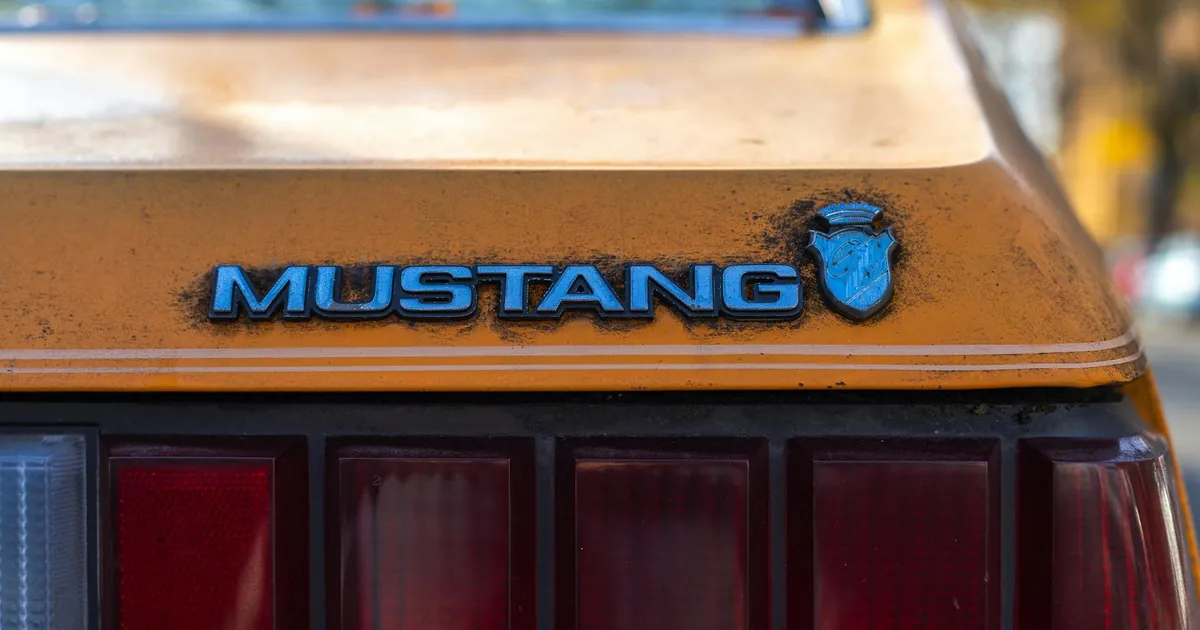
Choosing between a new vs used car for beginners isn’t just about price tags—it’s about balancing confidence, budget, and long-term goals behind the wheel. For first-time drivers, the decision can feel overwhelming, especially when weighing the allure of that fresh-off-the-lot smell against the practicality of a pre-owned vehicle with a proven track record. New cars offer cutting-edge safety features and warranty protection, but they also come with steep depreciation and higher insurance costs. Used cars, on the other hand, provide more bang for your buck but may hide maintenance surprises or lack the latest tech. The right choice depends on your driving habits, financial situation, and how much risk you’re willing to take. Let’s break down the pros and cons so you can make an informed decision that sets you up for success on the road.
What Defines New vs Used Cars for Beginners?
When comparing new vs used cars for beginners, the core difference lies in ownership history and condition. A new car is fresh from the factory, untouched by previous owners, and comes with the latest safety features, fuel efficiency, and infotainment systems. It’s a blank slate with no wear and tear, backed by a manufacturer’s warranty that typically covers repairs for at least three years or 36,000 miles. Used cars, however, have been driven before—some lightly, others extensively—and may lack the newest tech or have hidden mechanical issues. They’re often priced 20–50% lower than their new counterparts, making them an attractive option for budget-conscious beginners. The trade-off? You might inherit someone else’s maintenance habits or face higher repair costs down the line.
Upfront Costs: Where Your Budget Takes the First Hit
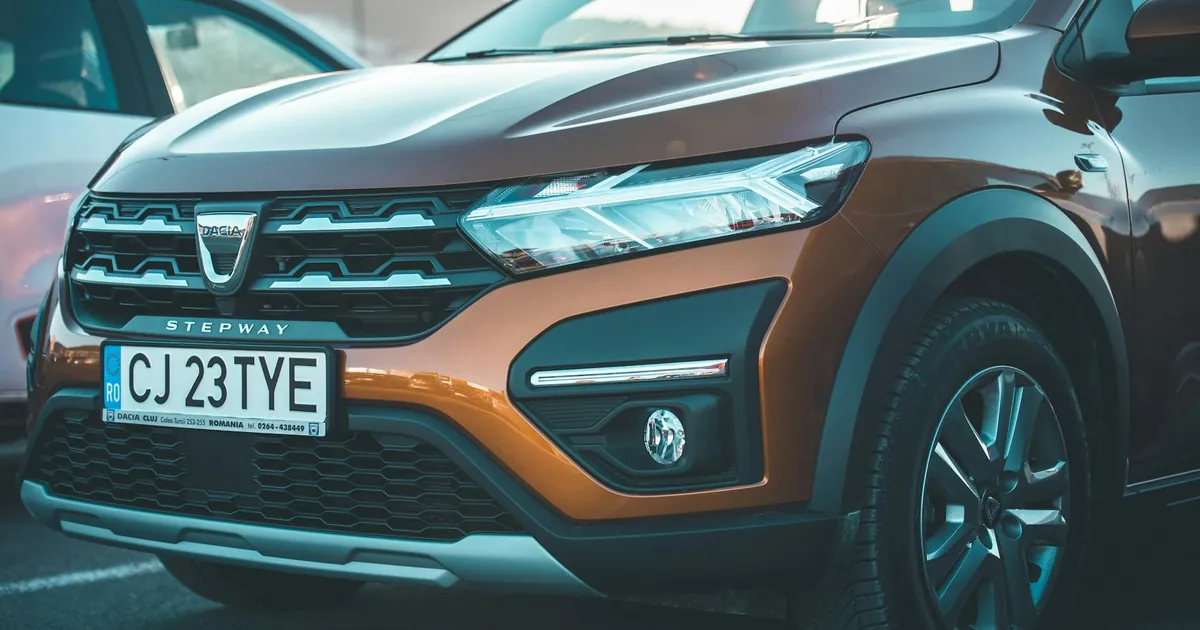
The sticker price is the most obvious difference between new and used cars, but it’s not the only cost to consider. New cars demand a higher initial investment, often requiring a larger down payment or financing over longer terms. For example, a 2024 Honda Civic might start at $24,000, while a 2020 model with 30,000 miles could sell for $18,000—a $6,000 gap that could cover insurance, gas, and maintenance for a year. However, new cars often come with low-interest financing deals or cash rebates, especially for first-time buyers. Used cars, while cheaper upfront, may require immediate repairs or upgrades, like new tires or brake pads, which can add hundreds or even thousands to the total cost. It’s also worth noting that some lenders charge higher interest rates for used cars, especially if they’re older than five years or have high mileage.
Hidden Fees That Catch Beginners Off Guard
Beyond the purchase price, new cars come with destination fees, dealer add-ons, and sometimes mandatory extended warranties that can inflate the final cost by $1,000 or more. Used cars, particularly those bought from private sellers, might skip some of these fees but could require a pre-purchase inspection, which typically costs $100–$200. Additionally, registration and title fees are often higher for new cars because they’re based on the vehicle’s value. For instance, in California, registering a $30,000 new car could cost over $500, while a $15,000 used car might only set you back $200. Always factor these expenses into your budget to avoid surprises at the dealership or DMV.
Financing Options: How Your Credit Score Plays a Role

Your credit score can make or break your financing terms, especially as a beginner with limited credit history. New cars often qualify for manufacturer-backed loans with interest rates as low as 0–3% for well-qualified buyers. Used cars, however, typically come with higher rates—sometimes 5–10% or more—because lenders view them as riskier investments. If your credit score is below 650, you might struggle to secure financing for a used car at all, forcing you to pay in cash or seek alternative lenders with less favorable terms. Some dealerships offer “first-time buyer” programs that include lower down payments or co-signer options, but these are usually reserved for new cars. Before visiting a dealership, check your credit score and get pre-approved for a loan to strengthen your negotiating position.
Depreciation: The Silent Budget Killer
Depreciation is the single biggest expense of owning a new car, and it hits hardest in the first year. On average, a new car loses 20–30% of its value the moment you drive it off the lot, and another 10–15% by the end of the first year. By the time it’s three years old, it may have lost 50% of its original value. For beginners, this means you could owe more on your loan than the car is worth—a situation called being “upside down”—if you finance for too long or put little money down. Used cars, however, depreciate much slower because the previous owner already absorbed the steepest losses. A five-year-old car might only lose 5–10% of its value annually, making it a smarter financial choice if you plan to sell or trade in within a few years.
How to Minimize Depreciation’s Bite

If you’re set on buying new, choose models known for holding their value, like the Toyota Tacoma, Subaru Outback, or Honda CR-V. These vehicles typically depreciate 30–40% over five years, compared to 50–60% for luxury brands like BMW or Mercedes. Another strategy is to buy a “certified pre-owned” (CPO) car, which is a used vehicle that’s been inspected, refurbished, and backed by a manufacturer’s warranty. CPO cars depreciate slower than regular used cars because they come with added peace of mind. Finally, consider leasing a new car instead of buying. Leasing lets you drive a new car every few years without worrying about depreciation, though you’ll never own the vehicle outright.
Safety and Technology: What’s Worth the Extra Cost?
New cars are packed with the latest safety features, like automatic emergency braking, lane-keeping assist, and blind-spot monitoring, which can be lifesavers for beginners still mastering the rules of the road. According to the Insurance Institute for Highway Safety (IIHS), vehicles with these technologies are 50% less likely to be involved in a crash. Used cars, especially those older than five years, may lack these advancements or have outdated systems that don’t perform as well. However, not all new tech is essential. Features like adaptive cruise control or 360-degree cameras are nice but won’t make or break your safety. If you’re buying used, prioritize models with a strong safety record and basic features like anti-lock brakes and electronic stability control, which have been standard since the mid-2000s.
Infotainment and Connectivity: More Than Just a Gimmick

Modern infotainment systems, like Apple CarPlay and Android Auto, have become must-haves for many drivers, especially younger beginners who rely on navigation and hands-free calling. New cars come with the latest versions of these systems, often integrated into large touchscreens with voice control. Used cars, particularly those from before 2016, may lack these features or have clunky, outdated interfaces that can be distracting to use while driving. If connectivity is important to you, look for used cars from 2017 or later, when these systems became more widespread. Some older models can be retrofitted with aftermarket solutions, but these often come with compatibility issues or higher costs. Weigh whether the convenience of a new car’s tech is worth the premium, or if a slightly older model with the basics will suffice.
Maintenance and Reliability: What to Expect Down the Road
One of the biggest advantages of buying new is the peace of mind that comes with a manufacturer’s warranty, which typically covers repairs for the first three years or 36,000 miles. For beginners, this means fewer unexpected expenses and less stress about breakdowns. Used cars, however, can be a mixed bag. A well-maintained used car with a detailed service history might run smoothly for years, while a neglected one could turn into a money pit. Before buying used, always check the vehicle’s maintenance records and get a pre-purchase inspection from a trusted mechanic. Some brands, like Toyota and Honda, are known for their reliability and can last 200,000 miles or more with proper care. Others, like certain European models, may require more frequent and expensive repairs. If you’re not mechanically inclined, a new car or a CPO vehicle might be the safer bet.
How to Extend Your Car’s Lifespan

Whether you buy new or used, proper maintenance is key to keeping your car running smoothly. Follow the manufacturer’s recommended service schedule, which usually includes oil changes every 5,000–7,500 miles, tire rotations, and brake inspections. For used cars, pay extra attention to fluids, belts, and hoses, as these components wear out over time. If you’re unsure where to start, check out this guide on basic car care tips to extend your engine’s life. Regular maintenance not only prevents costly repairs but also helps maintain your car’s resale value. For beginners, setting aside a small emergency fund for unexpected repairs can provide financial security, especially if you opt for a used car.
Insurance Costs: The Overlooked Expense
Insurance is one of the most overlooked costs when comparing new vs used cars for beginners, and it can vary dramatically between the two. New cars are more expensive to insure because they cost more to repair or replace. For example, insuring a $30,000 new car might cost $1,500–$2,000 per year, while a $15,000 used car could run $800–$1,200 annually. However, new cars often come with safety features that can lower premiums, like automatic braking or theft-deterrent systems. Used cars, especially older models, may lack these discounts but could qualify for lower rates if they’re considered “low-risk” by insurers. As a beginner, your age and driving record will also play a role—young drivers under 25 typically pay the highest rates, regardless of the car they drive. To save money, shop around for quotes, consider higher deductibles, and ask about discounts for good grades or completing a defensive driving course.
How to Lower Your Insurance Premiums
If you’re buying a used car, choose a model with a strong safety record and low theft rates, like the Subaru Outback or Honda Fit. Avoid high-performance or luxury vehicles, which are more expensive to insure. For new cars, opt for models with advanced safety features, as many insurers offer discounts for these. You can also bundle your auto insurance with other policies, like renters or homeowners insurance, to save 10–20%. Another tip is to maintain a clean driving record—even a single speeding ticket can raise your rates by 20% or more. Finally, consider usage-based insurance programs, which track your driving habits and offer discounts for safe behavior. These can be especially beneficial for beginners looking to prove their skills behind the wheel.
Key Takeaways
- New cars offer the latest safety tech and warranty protection but come with higher upfront costs and steep depreciation.
- Used cars are more affordable and depreciate slower, but they may require more maintenance and lack modern features.
- Financing terms are often better for new cars, especially for beginners with limited credit history.
- Insurance costs are typically higher for new cars, though safety features can offset some of the expense.
- Certified pre-owned (CPO) cars strike a balance between new and used, offering warranty coverage at a lower price.
- Always get a pre-purchase inspection for used cars and review maintenance records to avoid costly surprises.
- For beginners, prioritize reliability and safety over flashy features to build confidence and save money long-term.
“For first-time drivers, the best car is one that fits your budget while keeping you safe on the road. New cars offer peace of mind with warranties and the latest tech, but used cars can be just as reliable if you do your homework. The key is to balance cost, safety, and long-term value—don’t let the excitement of buying your first car cloud your judgment.”
— Sarah Johnson, Automotive Analyst at Edmunds
Frequently Asked Questions
Is it better to buy a new or used car as a first-time driver?
It depends on your budget and priorities. New cars offer the latest safety features and warranty protection, which can be reassuring for beginners. However, they’re more expensive upfront and lose value quickly. Used cars are cheaper and depreciate slower, but they may require more maintenance and lack modern tech. If you can afford a new car without stretching your budget, it’s a great option. Otherwise, a well-maintained used car or a certified pre-owned (CPO) vehicle can be a smarter financial choice.
How much should I spend on my first car?
A good rule of thumb is to spend no more than 10–15% of your annual income on a car, including insurance, gas, and maintenance. For example, if you earn $30,000 a year, aim for a car priced between $3,000 and $4,500. If you’re financing, keep your monthly payments under 10% of your take-home pay. For beginners, it’s wise to start with a modest budget and upgrade later as your driving skills and financial situation improve.
What are the best used cars for beginners?
Some of the best used cars for beginners include the Honda Civic, Toyota Corolla, Mazda3, and Subaru Impreza. These models are known for their reliability, fuel efficiency, and strong safety ratings. They’re also affordable to insure and maintain, making them ideal for first-time drivers. If you need more space, consider the Honda CR-V or Toyota RAV4, which offer SUV practicality without the high cost of a new vehicle.
Should I buy from a dealership or a private seller?
Buying from a dealership offers more protections, like warranties and financing options, but it’s usually more expensive. Private sellers often offer lower prices, but you’ll need to handle the paperwork and inspections yourself. For beginners, a dealership might be the safer choice, especially if you’re buying a certified pre-owned (CPO) car. If you go the private route, always get a pre-purchase inspection and verify the vehicle’s history using a service like Carfax or AutoCheck.
How do I avoid buying a lemon?
The best way to avoid a lemon is to do your research and get a pre-purchase inspection. Start by checking the vehicle’s history report for accidents, odometer fraud, or title issues. Next, take the car for a test drive and listen for unusual noises, like squeaks or rattles. Finally, have a trusted mechanic inspect the car before you buy. If the seller refuses to let you take the car for an inspection, walk away—it’s a red flag. For added protection, consider buying a certified pre-owned (CPO) car, which has been inspected and refurbished by the manufacturer.
What’s the difference between a used car and a certified pre-owned (CPO) car?
A used car is any vehicle that’s been owned before, while a certified pre-owned (CPO) car is a used car that’s been inspected, refurbished, and backed by a manufacturer’s warranty. CPO cars are typically newer (under five years old) and have lower mileage than regular used cars. They also come with perks like roadside assistance and extended warranties, making them a great middle ground between new and used. However, CPO cars are more expensive than regular used cars, so weigh the added cost against the benefits.
Can I negotiate the price of a new car?
Yes, you can—and should—negotiate the price of a new car. Dealerships often mark up prices to leave room for negotiation, so don’t be afraid to haggle. Start by researching the car’s invoice price (what the dealer paid for it) and use that as a baseline for your offer. You can also look for manufacturer incentives, like cash rebates or low-interest financing, to lower the price. If the dealer won’t budge on the price, try negotiating other perks, like free maintenance or extended warranties. For beginners, it’s helpful to bring a more experienced friend or family member to the dealership to help with negotiations.
Deciding between a new vs used car for beginners ultimately comes down to what you value most: peace of mind or affordability. If you prioritize safety, the latest tech, and warranty protection, a new car might be worth the extra cost. But if you’re looking to save money and don’t mind doing a little extra research, a well-maintained used car can be just as reliable and rewarding. Whichever path you choose, remember that your first car is more than just a purchase—it’s an investment in your independence and confidence on the road. Take your time, weigh your options carefully, and don’t rush into a decision. When you finally turn the key in the ignition, you’ll know you made the right choice for your journey ahead.