


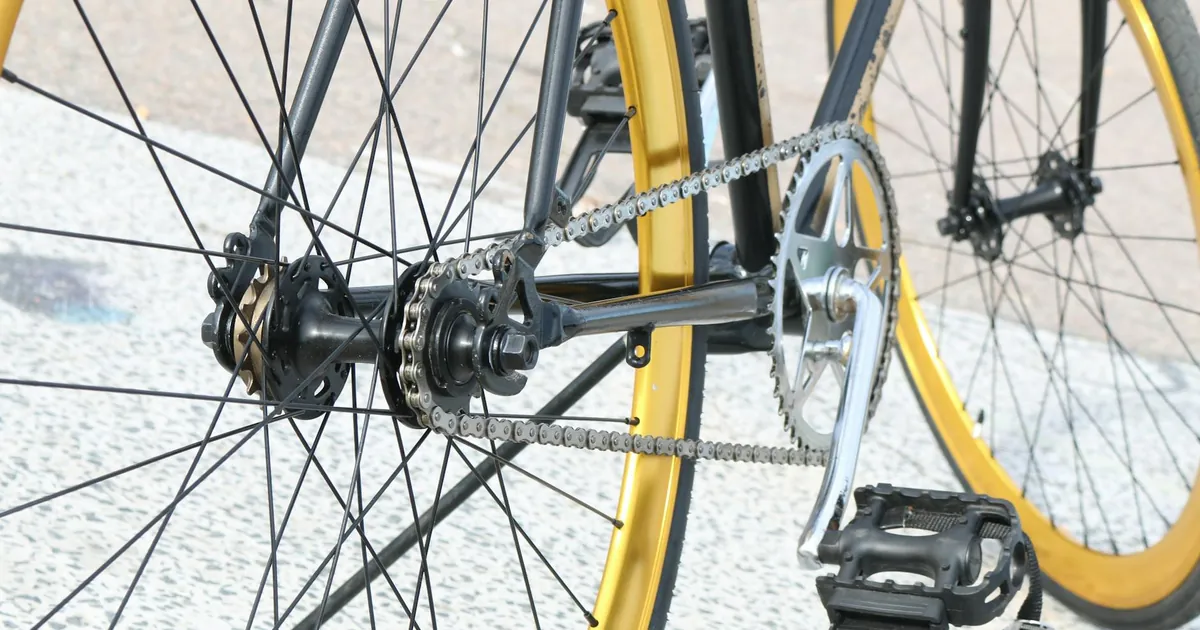
Cleaning and lubricating your bike chain properly isn’t just about keeping your ride looking sharp—it’s the secret to smoother pedaling, longer component life, and avoiding those dreaded mid-ride squeaks that make you feel like a rusty shopping cart. Whether you’re a weekend warrior tackling gravel trails or a daily commuter dodging potholes, a well-maintained chain can save you hundreds in replacement parts and hours of frustration. The process might seem intimidating at first, but with the right tools and a little know-how, you’ll transform this chore into a satisfying ritual that pays off every time you clip in. Let’s dive into the step-by-step science of chain care, from degreasing like a pro to choosing the perfect lube for your riding conditions.
What Does Proper Bike Chain Maintenance Really Mean?
Proper bike chain maintenance is the systematic process of removing built-up grime, old lubricant, and metal particles from your chain while applying fresh, condition-specific lubricant to reduce friction, prevent corrosion, and extend the lifespan of your drivetrain. A well-maintained chain should run silently, shift smoothly, and resist wear even after thousands of miles. The key lies in understanding that not all dirt is created equal—road grit, trail mud, and urban grime each require different cleaning approaches, just as wet-weather riding demands a different lube than dry desert conditions. This section breaks down the core principles that separate a hastily wiped chain from one that’s truly cared for.
Most cyclists underestimate how quickly a chain can degrade. A study by Sheldon Brown’s bicycle technical info found that a chain can stretch up to 1% in just 500 miles of riding, accelerating wear on your cassette and chainrings. That’s why proper maintenance isn’t just about aesthetics—it’s about preserving the entire drivetrain ecosystem. The process involves three critical phases: thorough cleaning, precise drying, and strategic lubrication. Skip any of these, and you’re essentially throwing money down the drain with every pedal stroke.
Why Chain Wear Accelerates Without Proper Care
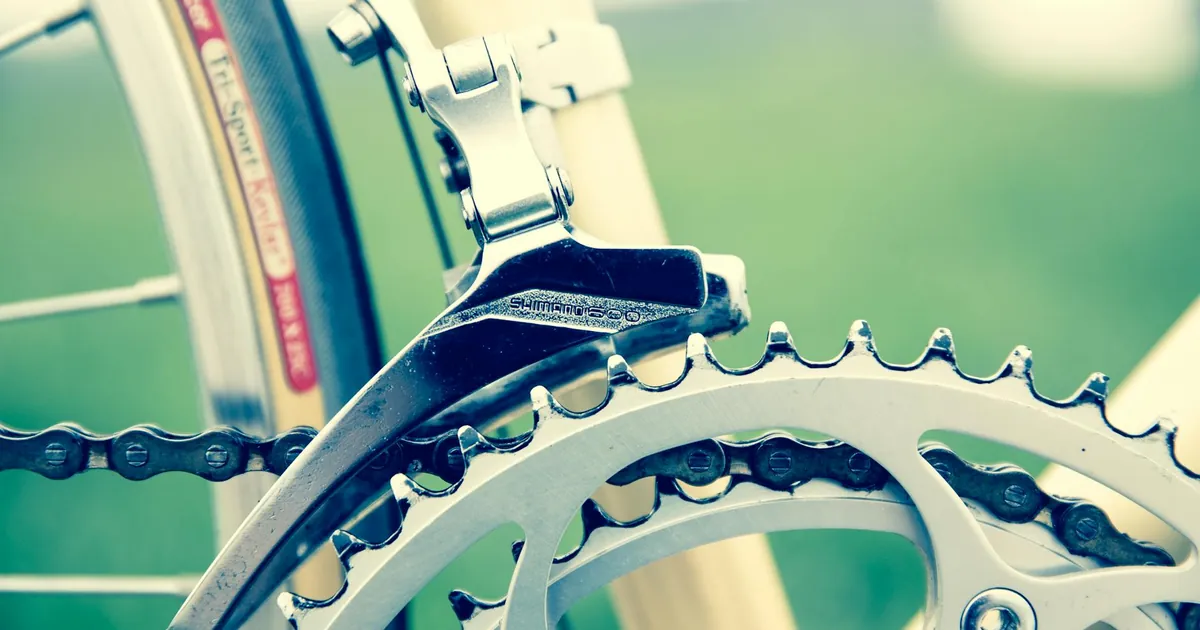
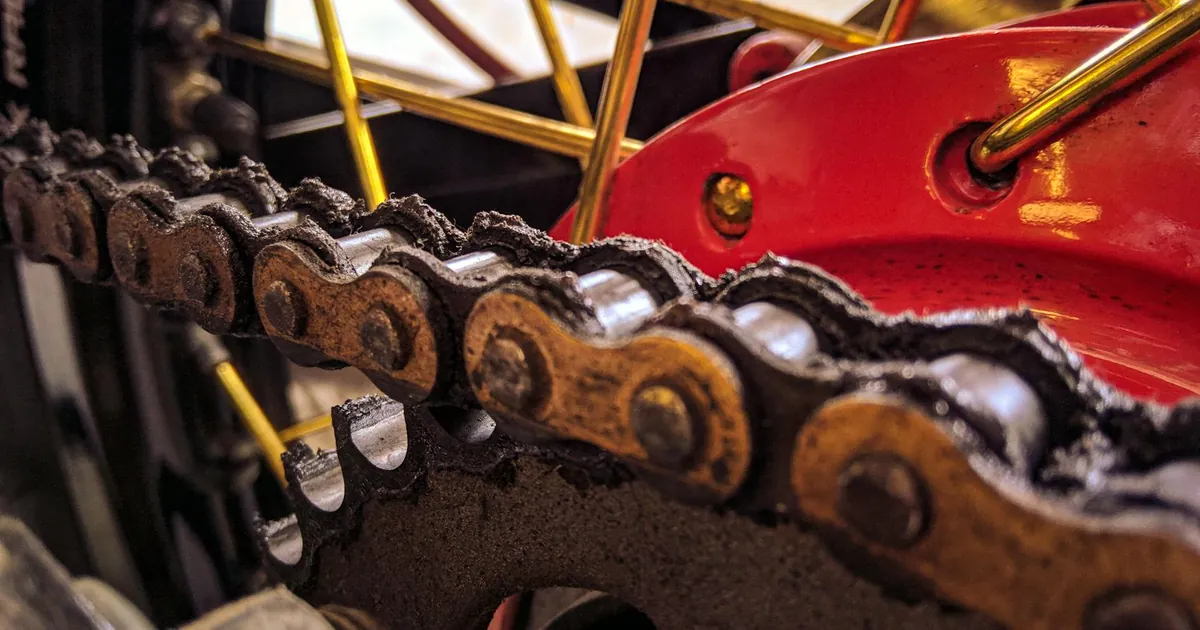
Your bike chain is a marvel of engineering, with over 100 tiny moving parts working in unison. Each link contains pins, rollers, and plates that must articulate smoothly under immense tension. When dirt and old lube accumulate, they act like sandpaper between these components, accelerating wear exponentially. The most insidious culprit? Metal particles from chain wear itself. These microscopic shards embed in the grime, creating a grinding paste that eats away at your chain’s internals. That’s why simply wiping your chain with a rag—while better than nothing—isn’t enough for serious riders.
Environmental factors play a huge role too. Riding in wet conditions washes away lubricant faster, while dry, dusty trails create a grinding compound that acts like liquid sandpaper. Even urban commuters face unique challenges: road salt in winter, automotive oils on city streets, and the constant stop-and-go motion that stresses the chain unevenly. Understanding these variables helps you tailor your maintenance routine to your specific riding conditions, rather than relying on a one-size-fits-all approach.
The Hidden Costs of Neglecting Your Chain
Many cyclists don’t realize that a poorly maintained chain doesn’t just wear itself out—it takes your entire drivetrain with it. A stretched chain skips over cassette teeth, wearing them down prematurely. This creates a domino effect: as the cassette wears, it accelerates chain wear, which in turn damages your chainrings. The result? A $20 chain replacement turns into a $200+ drivetrain overhaul. Professional mechanics often see bikes with perfectly good frames but trashed drivetrains simply because the owner neglected basic chain care.
Beyond the financial impact, there’s the performance cost. A dirty, dry chain can sap 5–10% of your pedaling efficiency, meaning you’re working harder for the same speed. For competitive riders, that’s the difference between a podium finish and an also-ran performance. Even casual riders will notice the difference: smoother shifting, less noise, and more consistent power transfer. The good news? With proper maintenance, you can extend your chain’s life by 50–100% while keeping your entire drivetrain in top shape.
Gathering the Right Tools for the Job
Before you start scrubbing, you’ll need to assemble the right toolkit. The difference between a frustrating, messy job and a quick, effective cleaning session often comes down to having the proper equipment. While you can get by with minimal tools, investing in a few key items will save you time and deliver better results. Here’s what you’ll need, ranked from essential to nice-to-have:
- Chain cleaning device (like the Park Tool CM-5.3 or Pedro’s Chain Pig) – These tools clamp onto your chain and use rotating brushes to scrub all sides simultaneously.
- Degreaser – A dedicated bike degreaser (such as Finish Line or Muc-Off) works better than household cleaners, which can damage seals in modern chains.
- Stiff-bristled brush – A dedicated bike brush or even an old toothbrush for getting into tight spots.
- Chain checker tool – Essential for monitoring wear (the Park Tool CC-3.2 is the industry standard).
- Lubricant – More on this later, but you’ll need a quality bike-specific lube.
- Clean rags – Old t-shirts or microfiber cloths work best.
- Gloves – Degreaser is harsh on skin, and chain grime is stubborn.
If you’re on a budget, you can substitute some items. A plastic bottle with a narrow spout can serve as a makeshift degreaser applicator, and a simple rag wrapped around the chain works for basic cleaning. However, for thorough maintenance, especially if you ride frequently, the dedicated tools are worth the investment. Remember, the goal isn’t just to clean the chain but to do it efficiently without damaging other components.
One often-overlooked tool is a chain keeper. This simple device holds your chain in place when you remove the rear wheel for deep cleaning. Without it, the chain can fall into the frame, making reassembly a hassle. For road bikes with quick-release wheels, this tool is a game-changer. If you don’t have one, you can improvise with a zip tie or a piece of wire, but a proper chain keeper makes the job much smoother.
Step-by-Step: How to Clean Your Bike Chain Like a Pro
Now that you’ve got your tools ready, let’s walk through the cleaning process. The key here is thoroughness—many riders rush this step and end up with a chain that’s still dirty in the nooks and crannies. Follow these steps, and you’ll remove every last bit of grime without damaging your chain or drivetrain.
Start by shifting your chain onto the smallest chainring and smallest cog. This gives you maximum slack, making it easier to work with. If you’re using a chain cleaning device, fill it with degreaser according to the manufacturer’s instructions. Most devices hold about 2–4 ounces of liquid. Clip the device onto your chain, ensuring the brushes make contact with all sides. Then, simply pedal backward for 30–60 seconds. The device will scrub the chain while containing the mess. If you don’t have a cleaning device, you’ll need to manually scrub the chain with a brush and degreaser.
Manual Cleaning Techniques for Stubborn Grime
For chains caked with mud or old lube, the chain cleaning device might not be enough. In these cases, you’ll need to get hands-on. Start by applying degreaser directly to the chain while pedaling backward. Let it soak for a minute to break down the grime. Then, use your stiff-bristled brush to scrub each link individually. Pay special attention to the rollers and side plates, where dirt tends to accumulate. For really stubborn grime, you can use a pick or small screwdriver to gently scrape out debris—but be careful not to damage the chain.
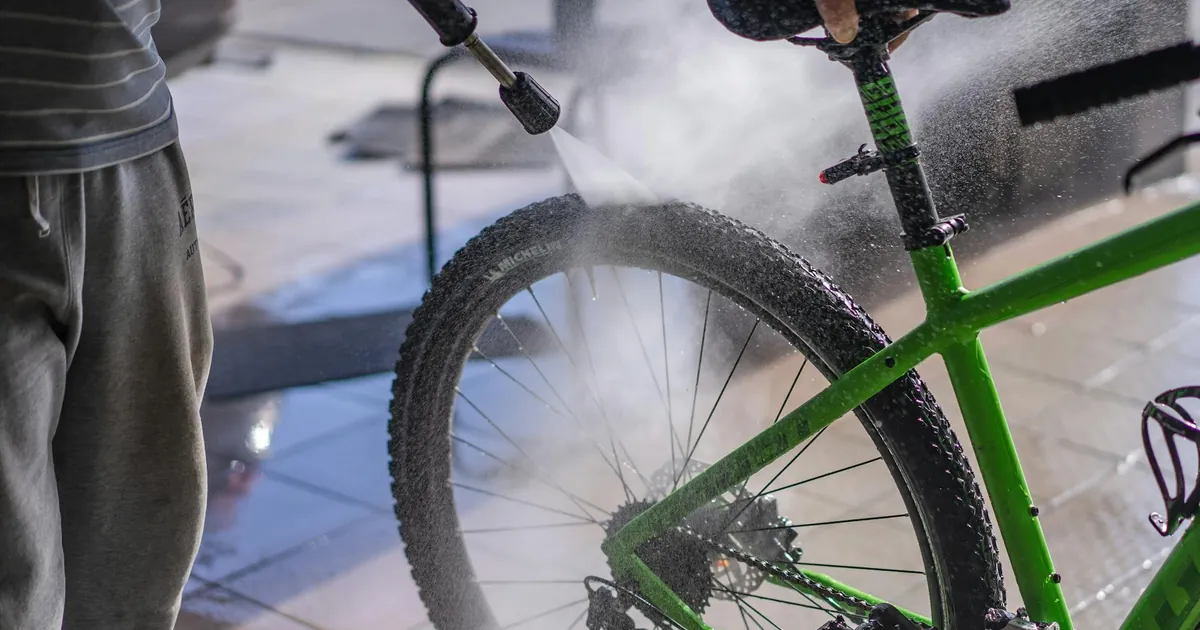
After scrubbing, rinse the chain with water. A low-pressure hose works best, but you can also use a damp rag. Avoid high-pressure washers, as they can force water into the chain’s internals, leading to rust. Once rinsed, dry the chain thoroughly with a clean rag. You can speed up the process by pedaling backward while holding the rag against the chain. The goal is to remove all moisture before applying lubricant, as water trapped inside the chain will cause corrosion.
Deep Cleaning: When and How to Remove Your Chain
For a truly deep clean, you’ll need to remove the chain from your bike. This is especially important if you’ve been riding in particularly dirty conditions or if your chain has never been properly cleaned. To remove the chain, you’ll need a chain breaker tool. Most modern chains use a quick-link (also called a master link), which makes removal easier. If your chain doesn’t have one, you’ll need to push out a pin with the chain breaker.
Once removed, place the chain in a container filled with degreaser. Let it soak for 10–15 minutes, then agitate it to loosen grime. You can use a brush to scrub the chain while it’s submerged. For extra stubborn grime, an ultrasonic cleaner (like those used for jewelry) works wonders, but these are more of a luxury than a necessity. After cleaning, rinse the chain thoroughly and dry it completely before reinstalling. This deep-cleaning method is overkill for regular maintenance but is invaluable for chains that have been neglected or exposed to extreme conditions.
Choosing the Right Lubricant for Your Riding Conditions
Not all chain lubes are created equal, and using the wrong type can do more harm than good. The ideal lubricant depends on your riding conditions, climate, and personal preferences. Broadly speaking, there are three main categories of bike chain lubricants: wet lubes, dry lubes, and wax-based lubes. Each has its strengths and weaknesses, and understanding these will help you make the right choice for your needs.
Wet lubes are thick, sticky, and designed to withstand wet conditions. They’re ideal for riders who frequently encounter rain, mud, or snow. The downside? They attract dirt and grime, which can accelerate wear if not cleaned regularly. Popular wet lubes include Finish Line Wet and Rock N Roll Extreme. Dry lubes, on the other hand, are lighter and less sticky. They’re perfect for dry, dusty conditions but wash away quickly in wet weather. Examples include Finish Line Dry and Squirt Dry Lube. Wax-based lubes, like Smoove or Silca Super Secret, offer the best of both worlds: they repel dirt and last longer than dry lubes but aren’t as messy as wet lubes. However, they require more frequent application and can be brittle in cold weather.
How to Apply Lubricant Correctly
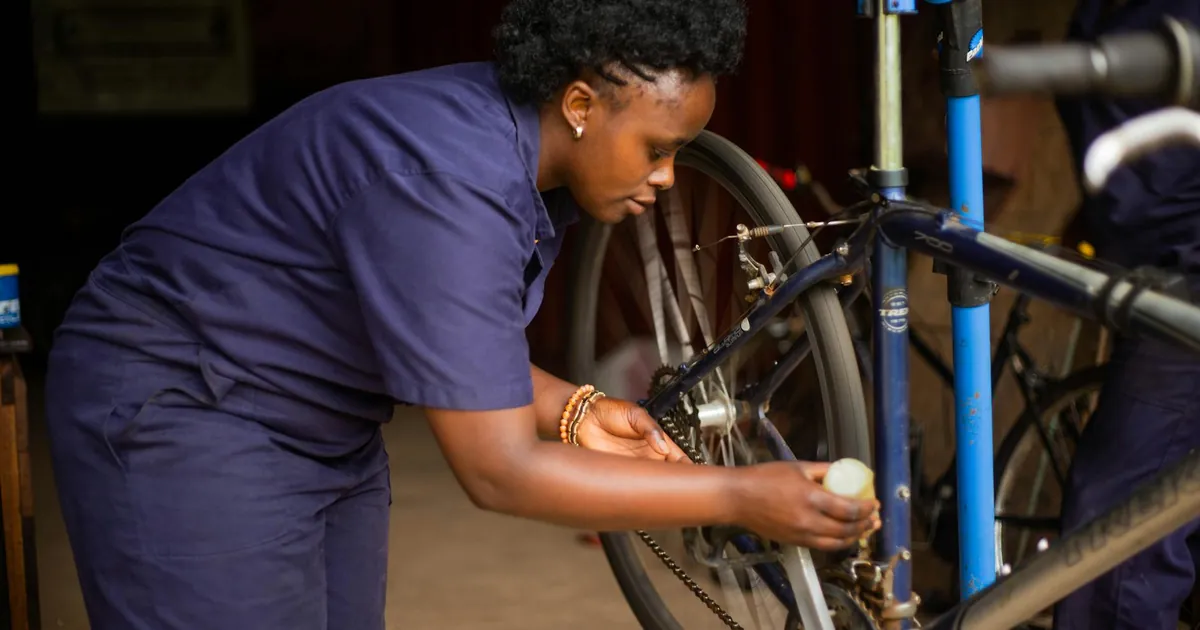
Applying lube might seem straightforward, but there’s a right way and a wrong way to do it. The key is to apply a small amount to each roller, not just the outer plates. Start by shifting your chain onto the smallest chainring and smallest cog. Apply one drop of lube to each roller while pedaling backward. Be careful not to over-lube—excess lube attracts dirt and creates a messy buildup. After applying, let the lube sit for a few minutes to penetrate the chain’s internals. Then, use a clean rag to wipe off any excess. This step is crucial: leaving excess lube on the chain will only attract more grime.
For wax-based lubes, the process is slightly different. These lubes often come in a drip bottle, but some require the chain to be completely dry before application. Follow the manufacturer’s instructions carefully. Wax lubes typically need to dry for several hours before riding, so plan accordingly. The payoff? A chain that runs cleaner and lasts longer than with traditional lubes.
When to Reapply Lubricant
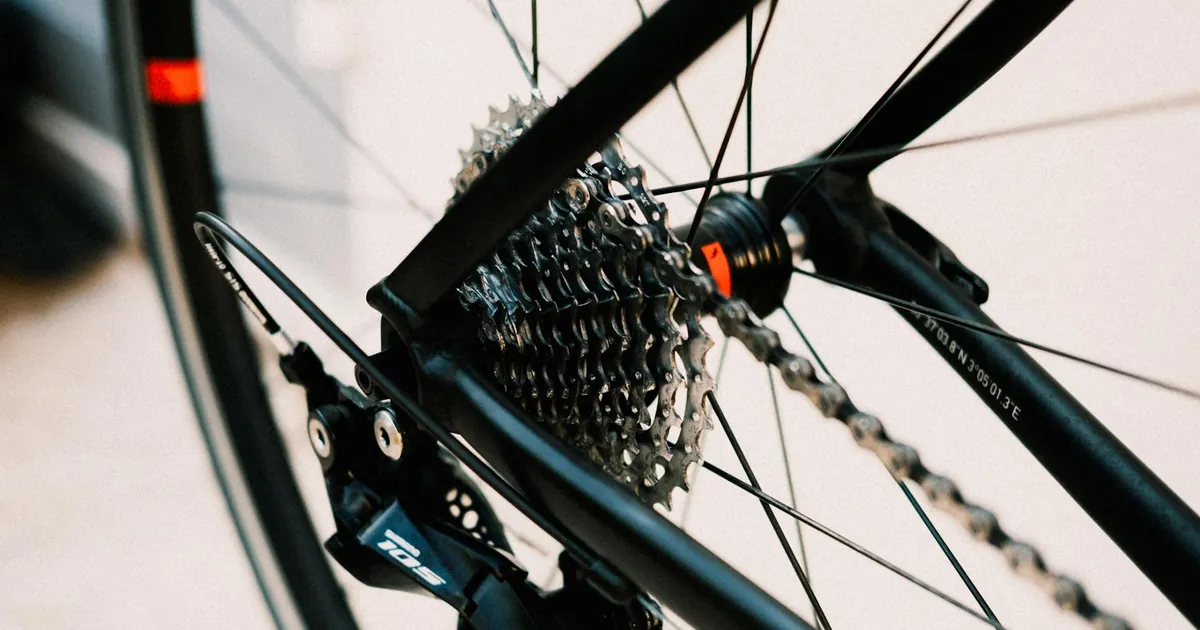
Knowing when to reapply lube is just as important as choosing the right type. A good rule of thumb is to relube your chain every 100–150 miles, but this varies depending on conditions. Wet weather, muddy trails, or dusty roads will require more frequent application. A simple way to check is to run your finger along the chain. If it feels dry or squeaks when you pedal, it’s time for more lube. Another sign is visible dirt buildup—if your chain looks dirty even after cleaning, it’s likely time for fresh lube.
For competitive riders or those who log high mileage, consider using a chain wear indicator tool to monitor your chain’s condition. These tools measure chain stretch, which is a sign of wear. If your chain is stretching beyond 0.75%, it’s time to replace it. Replacing your chain before it wears out your cassette and chainrings will save you money in the long run. For more tips on maintaining your bike’s drivetrain, check out this guide to easy bike maintenance for beginners.
Common Mistakes to Avoid When Cleaning and Lubing Your Chain
Even experienced cyclists make mistakes when it comes to chain maintenance. These errors can lead to premature wear, poor performance, or even damage to your drivetrain. Here are the most common pitfalls and how to avoid them:
- Over-lubing – More lube doesn’t mean better performance. Excess lube attracts dirt and creates a grinding paste that accelerates wear. Always wipe off excess after application.
- Using the wrong degreaser – Household cleaners like dish soap or WD-40 can damage your chain’s seals. Stick to bike-specific degreasers.
- Skipping the drying step – Applying lube to a wet chain traps moisture inside, leading to rust. Always dry your chain thoroughly before lubing.
- Ignoring chain wear – A stretched chain wears out your cassette and chainrings. Use a chain checker tool regularly and replace your chain before it’s too late.
- Using a pressure washer – High-pressure water can force dirt and moisture into your chain’s internals, causing corrosion. Stick to low-pressure rinsing.
Another common mistake is assuming that all chains are the same. Modern chains, especially those on high-end bikes, often have special coatings or seals that require specific care. For example, Shimano’s Sil-Tec coating is designed to reduce friction, but it can be damaged by harsh degreasers. Always check your chain manufacturer’s recommendations before cleaning. If you’re unsure, err on the side of caution and use a gentle degreaser.
Finally, don’t fall into the trap of thinking that more frequent cleaning is always better. Over-cleaning can strip away the chain’s natural lubrication, leading to premature wear. For most riders, a thorough cleaning every 200–300 miles is sufficient, with regular lubing in between. If you’re riding in particularly dirty or wet conditions, you may need to clean more often, but always listen to your chain—if it’s running smoothly and quietly, it’s probably fine.
Key Takeaways for Long-Lasting Chain Performance
- Clean your chain every 200–300 miles or when it looks visibly dirty to prevent accelerated wear.
- Use a bike-specific degreaser and chain cleaning device for thorough, efficient cleaning.
- Choose the right lubricant for your riding conditions: wet lube for rain, dry lube for dust, and wax for all-around performance.
- Apply lube sparingly to each roller, then wipe off excess to avoid attracting dirt.
- Dry your chain completely before applying lubricant to prevent rust and corrosion.
- Monitor chain wear with a chain checker tool and replace your chain before it stretches beyond 0.75%.
- Avoid common mistakes like over-lubing, using harsh degreasers, or skipping the drying step.
- For deep cleaning, remove the chain and soak it in degreaser to remove stubborn grime.
“A well-maintained chain is the unsung hero of a smooth ride. Many cyclists focus on flashy components like carbon wheels or electronic shifting, but neglecting your chain is like putting premium fuel in a car with a clogged air filter. The difference between a chain that’s cared for and one that’s ignored is night and day—both in performance and longevity. At our shop, we’ve seen chains last 5,000 miles with proper care and just 1,000 miles when neglected. The choice is yours.”
— Sarah Chen, Head Mechanic at Pedal Power Bike Shop and former pro mechanic for Team USA Cycling
Frequently Asked Questions
How often should I clean and lube my bike chain?
The frequency depends on your riding conditions. For most riders, cleaning every 200–300 miles and lubing every 100–150 miles is a good rule of thumb. If you ride in wet or muddy conditions, you’ll need to clean and lube more often—sometimes as frequently as every 50 miles. A dry, squeaky chain is a clear sign that it’s time for maintenance. For daily commuters, a quick wipe-down and relube once a week can keep your chain in top shape.
Can I use WD-40 to clean my bike chain?
No, WD-40 is not a suitable cleaner or lubricant for your bike chain. While it can help loosen grime, it’s not a degreaser and will leave a residue that attracts dirt. More importantly, WD-40 is not designed to lubricate moving parts under load—it’s primarily a water-displacing solvent. Using it as a lube will cause your chain to wear out faster. Stick to bike-specific degreasers and lubricants for the best results.
What’s the best way to dry my chain after cleaning?
The best way to dry your chain is to pedal backward while holding a clean, dry rag against it. This removes most of the moisture quickly. For thorough drying, you can use compressed air (if available) to blow out any water trapped in the rollers. Avoid using heat sources like hair dryers, as they can damage the chain’s seals. If you’re in a hurry, you can ride the bike for a few minutes to help evaporate any remaining moisture, but always ensure the chain is completely dry before applying lubricant.
Is it better to use wet or dry lube for my chain?
The choice between wet and dry lube depends on your riding conditions. Wet lube is ideal for wet, muddy, or snowy conditions because it’s thick and sticky, resisting water wash-off. However, it attracts dirt, so you’ll need to clean your chain more frequently. Dry lube is best for dry, dusty conditions because it’s lighter and less sticky, attracting less grime. However, it washes away quickly in wet weather. For most riders, a wax-based lube offers a good compromise, providing durability and cleanliness in a variety of conditions.
How do I know when my chain needs to be replaced?
The most accurate way to check chain wear is with a chain checker tool. These tools measure chain stretch, which is a sign of wear. If your chain stretches beyond 0.75%, it’s time to replace it. Riding with a stretched chain will accelerate wear on your cassette and chainrings, leading to costly replacements. Other signs that your chain needs replacing include frequent skipping, stiff links, or visible rust. If you’re unsure, take your bike to a local shop for a professional assessment. For more on maintaining your bike’s longevity, check out this guide to motorcycle maintenance, which shares many principles with bike care.
Can I use motor oil or other household lubricants on my bike chain?
No, you should never use motor oil or other household lubricants on your bike chain. These products are not designed for the high-speed, high-load conditions of a bicycle drivetrain. Motor oil, for example, is too thick and will attract dirt, creating a grinding paste that accelerates wear. Household oils like vegetable oil or sewing machine oil lack the additives needed to protect against corrosion and friction. Always use a bike-specific lubricant, as these are formulated to withstand the unique demands of cycling.
What’s the difference between a quick-link and a regular chain?
A quick-link (also called a master link) is a special link that allows you to remove and reinstall your chain without tools. It’s a convenience feature that makes deep cleaning and chain replacement much easier. Most modern chains come with a quick-link, but older chains or those on budget bikes may not. If your chain doesn’t have one, you can purchase a quick-link separately and install it yourself. Quick-links come in different sizes, so make sure to get one that matches your chain’s speed (e.g., 10-speed, 11-speed, etc.).
Proper chain maintenance doesn’t have to be complicated, but it does require consistency. By following these steps and avoiding common mistakes, you’ll keep your drivetrain running smoothly for thousands of miles. Remember, a little effort now saves you time, money, and frustration down the road. So grab your tools, set aside 20 minutes, and give your chain the care it deserves—your bike (and your legs) will thank you.
Now that you’re armed with the knowledge to clean and lube your bike chain like a pro, why not put it into practice? Your next ride will feel smoother, your components will last longer, and you’ll join the ranks of cyclists who truly understand the art of drivetrain care. Don’t wait until your chain starts squeaking—schedule your first maintenance session today and experience the difference for yourself.