


Keeping your bike in top shape doesn’t require a mechanic’s expertise or expensive tools—just a little know-how and regular attention. Whether you’re a weekend rider or a daily commuter, mastering easy bike maintenance tips for beginners can save you money, prevent breakdowns, and extend your bike’s lifespan. Imagine cruising down a scenic trail only to have your chain snap mid-ride, or discovering your brakes are squealing like a banshee just as you approach a steep hill. These frustrations are avoidable with simple, routine checks and adjustments. This guide will walk you through the essentials of bike care, from cleaning and lubrication to brake adjustments and tire pressure, so you can ride with confidence and keep your two-wheeled companion running smoothly.
What Is Basic Bike Maintenance for Beginners?
Basic bike maintenance for beginners is a set of simple, routine tasks that keep your bike safe, efficient, and enjoyable to ride. It includes cleaning, lubricating moving parts, checking tire pressure, inspecting brakes, and ensuring bolts are tight. These tasks don’t require advanced tools or mechanical skills—just a willingness to learn and a few minutes of your time. Think of it like giving your bike a quick health check before every ride. By staying on top of these small but critical tasks, you’ll prevent bigger issues down the road, like worn-out chains or flat tires, and avoid costly repairs. Plus, a well-maintained bike rides better, lasts longer, and keeps you safer on the road or trail.
Why Maintenance Matters More Than You Think
Many new cyclists underestimate how much a little maintenance can impact their riding experience. A bike that’s neglected will gradually lose performance, becoming harder to pedal, less responsive to brakes, and more prone to mechanical failures. For example, a chain that isn’t lubricated will wear out faster, leading to poor shifting and even damaging your gears. Similarly, underinflated tires increase rolling resistance, making your rides feel sluggish and increasing the risk of punctures. Regular maintenance isn’t just about fixing problems—it’s about preventing them before they start. It’s the difference between a bike that feels brand new and one that feels like it’s fighting you every pedal stroke.
Tools You’ll Need to Get Started
You don’t need a full workshop to perform basic bike maintenance, but a few essential tools will make the job easier. Start with a set of Allen keys (also called hex wrenches), which are used to tighten most bolts on modern bikes. A tire lever is indispensable for removing and installing tires, while a pump with a pressure gauge ensures your tires are always at the right PSI. A chain lubricant and degreaser will keep your drivetrain running smoothly, and a basic bike stand (or even a sturdy hook) can make tasks like cleaning and adjusting brakes much simpler. If you’re on a budget, many of these tools can be found in affordable starter kits, or you can borrow them from a friend until you’re ready to invest in your own set.
Cleaning Your Bike Like a Pro
Cleaning your bike isn’t just about aesthetics—it’s one of the most effective ways to prolong its life and performance. Dirt, grime, and road salt can accelerate wear on your bike’s components, especially the drivetrain (chain, cassette, and derailleur). A clean bike also shifts better, brakes more effectively, and looks great. The good news? You don’t need a pressure washer or fancy products to get the job done. A bucket of soapy water, a soft brush, and a rag are all you need to keep your bike sparkling. Start by rinsing off loose dirt with a hose or damp cloth, then scrub the frame, wheels, and drivetrain with a mild detergent. Avoid high-pressure water, as it can force grime into bearings and cause damage. Once clean, dry your bike thoroughly to prevent rust, and apply lubricant to the chain and other moving parts.
Step-by-Step Cleaning Process
Begin by placing your bike in a stable position, either on a stand or flipped upside down (if you don’t have a stand). Remove the wheels to make cleaning easier, especially if you’re dealing with a lot of mud or debris. Use a degreaser on the chain, cassette, and derailleur pulleys, letting it sit for a few minutes before scrubbing with a brush. For the frame, use a soft sponge or cloth with soapy water, paying extra attention to hard-to-reach areas like the bottom bracket and fork crown. Rinse with clean water, then dry with a towel or let it air-dry in the sun. Finally, apply a bike-specific lubricant to the chain, wiping off any excess to prevent attracting dirt. This process should take about 20–30 minutes and will leave your bike looking and performing like new.
Common Cleaning Mistakes to Avoid
While cleaning your bike is straightforward, there are a few pitfalls that can cause more harm than good. One of the biggest mistakes is using harsh chemicals or household cleaners, which can strip away lubricants and damage paint or anodized finishes. Stick to bike-specific cleaners or mild dish soap. Another common error is neglecting to dry your bike properly, which can lead to rust, especially on steel frames or components. Always dry your bike thoroughly, including hard-to-reach areas like the inside of the fork and seat tube. Finally, avoid over-lubricating your chain—too much lube attracts dirt and grime, which can accelerate wear. A thin, even coat is all you need, and always wipe off any excess with a clean rag.
Mastering Tire and Tube Care
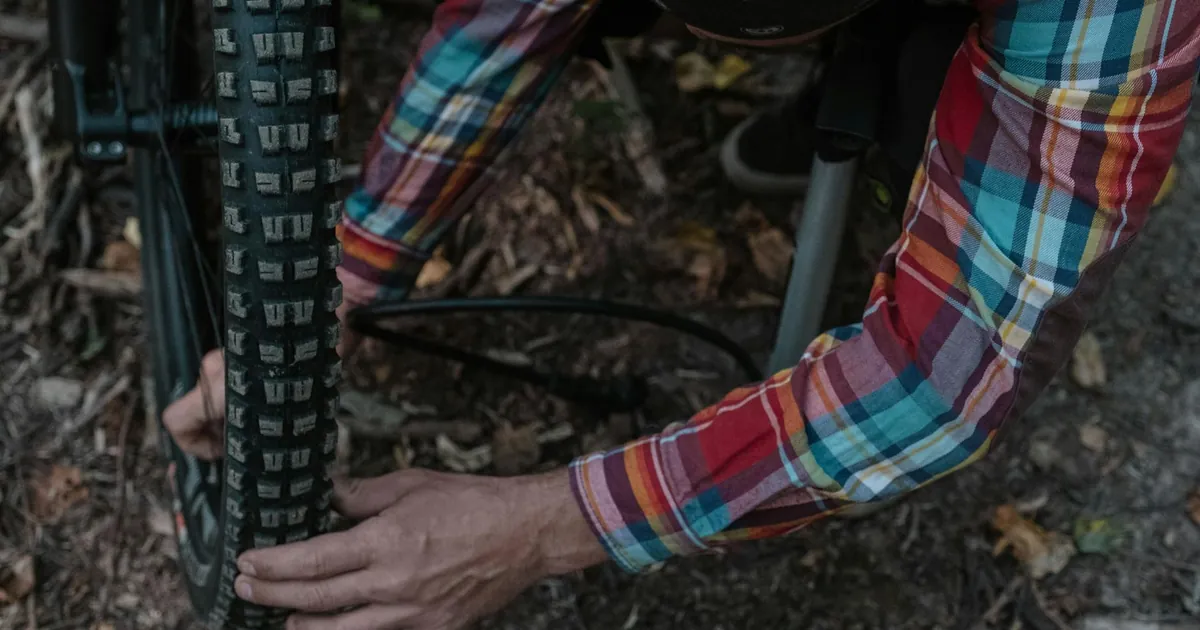
Your tires are the only part of your bike that touches the ground, so keeping them in good condition is crucial for safety and performance. Proper tire and tube care involves checking pressure regularly, inspecting for damage, and knowing how to fix a flat. Underinflated tires are more prone to punctures and can make your bike feel sluggish, while overinflated tires can burst or provide a harsh ride. Most tires have a recommended PSI range printed on the sidewall—use a pump with a gauge to ensure you’re within this range. Additionally, inspect your tires for cuts, embedded debris, or excessive wear, which can lead to flats or blowouts. If you do get a flat, don’t panic. With a little practice, you can change a tube in under 10 minutes, even on the side of the road.
How to Check and Adjust Tire Pressure
Tire pressure is one of the easiest things to check but one of the most overlooked aspects of bike maintenance. The right pressure depends on your tire size, riding style, and weight. For example, road bikes typically require higher pressure (80–130 PSI), while mountain bikes run lower (25–50 PSI) for better traction. Use a floor pump with a built-in gauge to check your pressure before every ride, or at least once a week if you ride regularly. If your tires feel too soft or too hard, adjust accordingly. Remember that temperature changes can affect pressure—cold weather can cause tires to lose PSI, so check them more frequently in winter. Properly inflated tires not only prevent flats but also improve handling, comfort, and efficiency.
Fixing a Flat Tire in Minutes
Flat tires are an inevitable part of cycling, but they don’t have to ruin your ride. The key to fixing a flat quickly is being prepared with the right tools: a spare tube, tire levers, and a pump or CO2 inflator. Start by removing the wheel from your bike, then use the tire levers to pry the tire off the rim. Once the tire is off, inspect the tube for the cause of the flat—look for sharp objects like glass or thorns that may have punctured it. If you find the culprit, remove it from the tire to prevent another flat. Next, insert the new tube, inflate it slightly to give it shape, and tuck it into the tire. Finally, use your hands to work the tire back onto the rim, being careful not to pinch the tube. Inflate the tire to the correct pressure, reattach the wheel, and you’re ready to ride. With practice, this process becomes second nature.
Keeping Your Chain Smooth and Efficient
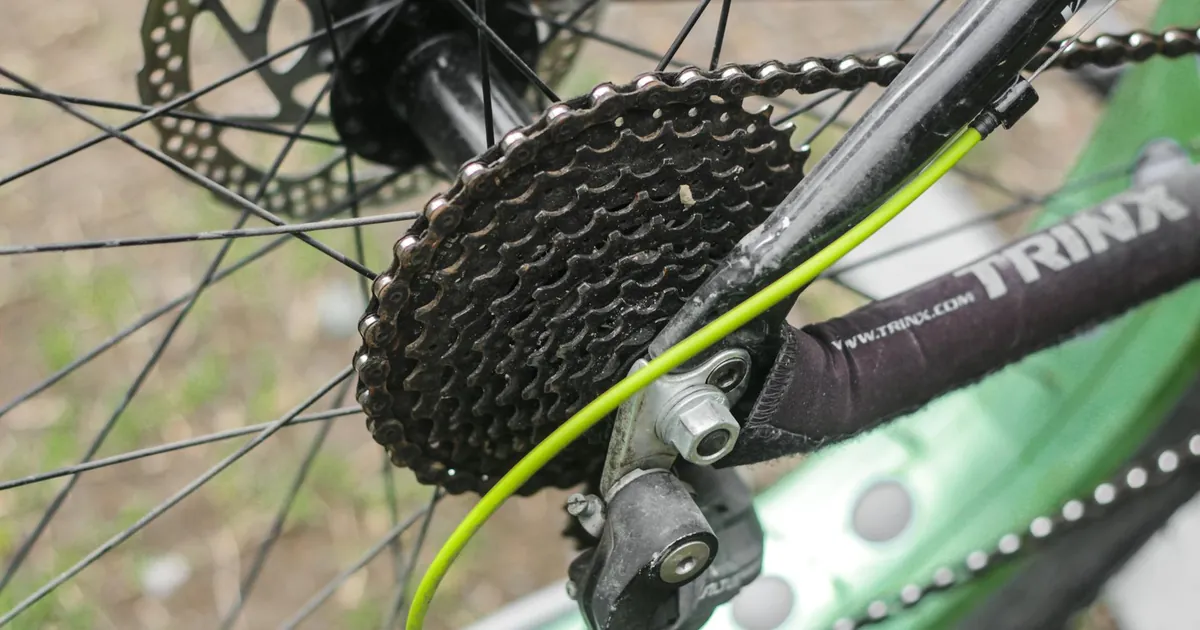
Your bike’s chain is the heart of its drivetrain, transferring power from your legs to the wheels. A well-maintained chain shifts smoothly, lasts longer, and makes your rides more enjoyable. Over time, chains accumulate dirt, grime, and old lubricant, which can cause them to wear out faster and affect shifting performance. The good news is that chain maintenance is simple and only takes a few minutes. Start by cleaning your chain regularly with a degreaser and a brush or rag to remove built-up gunk. Once clean, apply a bike-specific lubricant, letting it penetrate the chain’s rollers before wiping off any excess. This prevents dirt from sticking to the chain and keeps it running quietly and efficiently. A well-lubricated chain can last thousands of miles, while a neglected one may need replacing in just a few hundred.
Choosing the Right Lubricant
Not all chain lubricants are created equal, and using the wrong one can do more harm than good. There are two main types of lubricants: wet and dry. Wet lubricants are thicker and better suited for wet or muddy conditions, as they resist being washed away by rain. However, they can attract dirt and grime, so they require more frequent cleaning. Dry lubricants, on the other hand, are lighter and less likely to attract dirt, making them ideal for dry or dusty conditions. They don’t last as long in wet weather, though, so you’ll need to reapply more often. For most riders, a dry lubricant is a good all-around choice, but if you frequently ride in the rain, a wet lubricant may be worth the extra maintenance. Avoid using household oils like WD-40 or motor oil—they’re not designed for bike chains and can cause more problems than they solve.
How to Tell When Your Chain Needs Replacing
Chains wear out over time, and riding with a worn chain can damage your cassette and chainrings, leading to expensive repairs. The easiest way to check for chain wear is with a chain checker tool, which measures how much the chain has stretched. If your chain is stretched beyond 0.75%, it’s time to replace it. Without a tool, you can look for signs of wear, such as stiff links, skipping gears, or a chain that feels loose or sloppy. Another telltale sign is if your chain starts to look “shiny” or develops a polished appearance on the rollers—this indicates that the metal is wearing thin. Replacing a chain is relatively inexpensive and easy to do yourself. Simply remove the old chain with a chain breaker tool, size the new chain to match the old one, and install it using a quick link or master link. A fresh chain will make your bike feel like new and protect your drivetrain from premature wear.
Adjusting Brakes for Safety and Performance
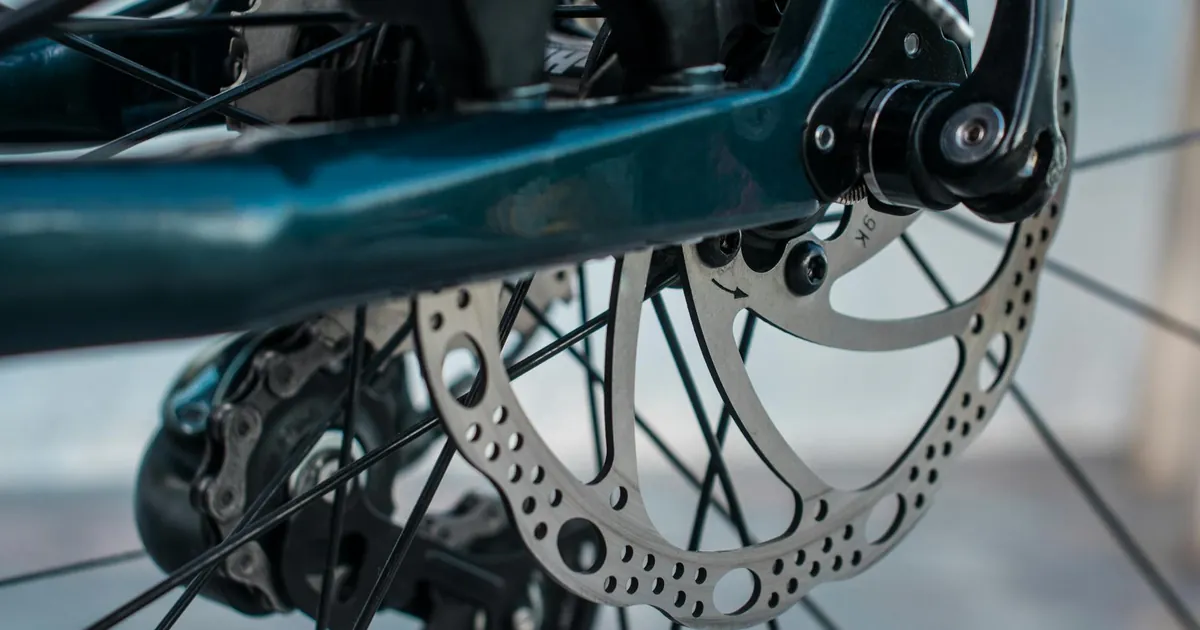
Your bike’s brakes are its most important safety feature, so keeping them in top condition is non-negotiable. Over time, brake pads wear down, cables stretch, and calipers can become misaligned, all of which can reduce stopping power and increase the risk of accidents. Fortunately, adjusting your brakes is a straightforward process that doesn’t require special tools. Start by checking your brake pads for wear—most have wear indicators that show when they need replacing. If your brakes feel spongy or require too much lever travel, it’s likely time to adjust the cable tension. For rim brakes, this involves tightening the barrel adjuster or loosening the cable anchor bolt and pulling the cable through. For disc brakes, you may need to realign the calipers or bleed the system if the levers feel soft. Regular brake checks take just a few minutes but can make a huge difference in your safety and confidence on the road.
How to Check Brake Pad Wear
Brake pads wear down with use, and riding with worn pads can damage your rims or rotors and reduce stopping power. Most rim brake pads have grooves or wear indicators that show when they’re due for replacement—if these grooves are no longer visible, it’s time for new pads. Disc brake pads are a little trickier to inspect, but you can usually see them through the caliper. If the pad material is less than 1–2mm thick, replace them. Another sign of worn pads is a squealing or grinding noise when you brake, which indicates that the pads are rubbing against the metal backing plate or rotor. Always replace brake pads in pairs to ensure even braking performance. If you’re unsure, take your bike to a shop for a professional inspection—it’s better to be safe than sorry.
Fine-Tuning Brake Cable Tension
If your brakes feel loose or require too much lever travel, adjusting the cable tension can restore their responsiveness. For rim brakes, start by squeezing the brake lever to see how much travel it has before the pads contact the rim. If there’s too much play, locate the barrel adjuster on the brake caliper or lever and turn it clockwise to tighten the cable. If the barrel adjuster is already fully extended, you’ll need to loosen the cable anchor bolt, pull the cable through slightly, and retighten the bolt. For disc brakes, cable tension is adjusted similarly, but hydraulic systems may require bleeding if the levers feel spongy. Always test your brakes after making adjustments to ensure they’re working properly. If you’re not comfortable doing this yourself, a bike shop can make the adjustments in just a few minutes.
Inspecting and Tightening Bolts
Loose bolts are one of the most common causes of bike problems, from annoying rattles to dangerous mechanical failures. Over time, vibrations from riding can cause bolts to loosen, especially on components like the stem, handlebars, seatpost, and wheels. A quick bolt check before every ride can prevent these issues and keep your bike running smoothly. Start by giving each bolt a gentle tug to see if it moves—if it does, tighten it with the appropriate tool. Pay special attention to critical areas like the stem (which connects the handlebars to the fork) and the seatpost clamp, as a failure here can cause a serious crash. Use a torque wrench if you have one, as overtightening bolts can strip threads or damage components. Most bolts have a recommended torque value printed on them or in your bike’s manual. If you’re unsure, err on the side of caution and tighten just enough to secure the bolt without overdoing it.
Critical Bolts to Check Regularly
Not all bolts are created equal—some are more critical to your bike’s safety and performance than others. Start with the stem bolts, which secure the handlebars to the fork. If these come loose, you could lose control of your bike. Next, check the seatpost clamp, which holds your saddle in place. A loose seatpost can slip mid-ride, causing discomfort or even a fall. Wheel axles are another critical area—if your wheels aren’t securely attached, they can wobble or come off entirely. For quick-release wheels, ensure the lever is tight and the skewer is properly engaged. For thru-axles, use a wrench to tighten them to the manufacturer’s specifications. Finally, check the crank bolts, which secure the pedals to the crank arms. Loose cranks can damage the bottom bracket or cause the pedals to fall off. A quick once-over with a hex wrench takes just a few minutes but can prevent major issues down the road.
How to Use a Torque Wrench
A torque wrench is a handy tool that ensures you tighten bolts to the correct specification, preventing overtightening or under-tightening. Many modern bikes, especially carbon fiber models, require precise torque settings to avoid damaging the frame or components. To use a torque wrench, set it to the recommended torque value (usually printed on the bolt or in your bike’s manual), then tighten the bolt until the wrench clicks. This indicates that the correct torque has been reached. If you don’t have a torque wrench, you can use a regular hex wrench, but be careful not to overtighten. As a general rule, tighten bolts until they’re snug, then give them an extra quarter-turn. If you’re unsure, consult your bike’s manual or take it to a shop for a professional check. Using a torque wrench may seem like overkill, but it’s a small investment that can save you from costly repairs.
Key Takeaways
- Regular cleaning prevents wear and keeps your bike running smoothly—use mild soap and a soft brush, and always dry thoroughly.
- Check tire pressure before every ride to improve efficiency, prevent flats, and enhance handling.
- Lubricate your chain regularly with a bike-specific lubricant to extend its life and improve shifting performance.
- Inspect brake pads for wear and adjust cable tension to ensure responsive, safe braking.
- Tighten bolts regularly, especially on critical components like the stem, seatpost, and wheels, to prevent mechanical failures.
- Learn to fix a flat tire quickly—it’s a skill every cyclist should master to avoid being stranded.
- Replace your chain when it shows signs of wear to protect your drivetrain and avoid costly repairs.
“A well-maintained bike is a happy bike. The small effort you put into regular maintenance pays off in smoother rides, fewer breakdowns, and a longer lifespan for your bike. Think of it as an investment in your safety and enjoyment—because nothing ruins a ride faster than a preventable mechanical issue.”
— Sarah Johnson, Certified Bike Mechanic and Founder of PedalPro Academy
Frequently Asked Questions
How often should I clean my bike?
It depends on how often you ride and the conditions you ride in. If you’re a daily commuter or ride in wet or muddy conditions, clean your bike at least once a week. For casual riders, a thorough cleaning every 2–3 weeks is sufficient. Always clean your bike after riding in the rain or on dirty trails to prevent grime from building up and causing wear. A quick wipe-down with a damp cloth after each ride can also help keep your bike looking and performing its best.
What’s the easiest way to prevent flat tires?
The best way to prevent flats is to keep your tires properly inflated and inspect them regularly for embedded debris. Check your tire pressure before every ride, as underinflated tires are more prone to punctures. Use puncture-resistant tires or tire liners if you frequently ride on rough roads or trails. Additionally, avoid riding over sharp objects like glass or thorns, and replace your tires when they show signs of excessive wear. Carrying a spare tube and a pump on every ride is also a good idea, just in case.
Can I use WD-40 on my bike chain?
No, WD-40 is not a suitable lubricant for bike chains. While it can help loosen rust or clean off old lubricant, it doesn’t provide the long-lasting protection that a bike-specific lubricant does. WD-40 is a water-displacing spray, not a lubricant, and it will evaporate quickly, leaving your chain dry and prone to wear. Instead, use a dedicated bike chain lubricant, either wet or dry, depending on your riding conditions. If you’ve already used WD-40 on your chain, clean it thoroughly with a degreaser and apply a proper lubricant.
How do I know if my brake pads need replacing?
Most brake pads have wear indicators, such as grooves or lines, that show when they’re due for replacement. If these indicators are no longer visible, it’s time for new pads. For disc brakes, you can usually see the pad material through the caliper—if it’s less than 1–2mm thick, replace them. Another sign of worn pads is a squealing or grinding noise when you brake, which indicates that the pads are rubbing against the metal backing plate or rotor. Always replace brake pads in pairs to ensure even braking performance. If you’re unsure, take your bike to a shop for a professional inspection.
What’s the best way to store my bike?
Proper storage can extend your bike’s lifespan and keep it in good condition. If possible, store your bike indoors in a dry, temperature-controlled environment. Avoid leaving it in direct sunlight or extreme temperatures, as this can damage the paint, tires, and components. If you must store your bike outside, use a waterproof cover to protect it from the elements. Hang your bike by the wheels or use a wall-mounted rack to save space and prevent damage. Before storing your bike for an extended period, clean it thoroughly, lubricate the chain, and inflate the tires to prevent flat spots. If you’re storing it for the winter, consider removing the battery if you have an e-bike.
Is it worth learning to do my own bike maintenance?
Absolutely. Learning basic bike maintenance saves you money, time, and hassle in the long run. Many common issues, like flat tires, loose bolts, or squeaky chains, can be fixed in minutes with a little know-how. Plus, understanding how your bike works gives you more confidence on the road and helps you spot potential problems before they become serious. While some tasks, like bleeding hydraulic brakes or overhauling a suspension fork, are best left to professionals, most routine maintenance is well within the reach of beginners. Start with simple tasks like cleaning, lubricating, and adjusting brakes, then gradually tackle more advanced projects as your skills improve.
What should I do if my bike makes a strange noise?
Strange noises are often the first sign that something is wrong with your bike. The key is to identify the source of the noise and address it before it becomes a bigger problem. Start by checking the most common culprits: a dry or dirty chain, loose bolts, or worn brake pads. If the noise persists, inspect the drivetrain, wheels, and bearings for signs of wear or damage. Squeaking or creaking noises often come from the bottom bracket, pedals, or saddle, while grinding or clicking noises may indicate a problem with the drivetrain or wheels. If you can’t identify the source of the noise, take your bike to a shop for a professional diagnosis. Ignoring strange noises can lead to more serious (and expensive) issues down the road.
Taking care of your bike doesn’t have to be complicated or time-consuming. With these easy bike maintenance tips for beginners, you’ll keep your ride in top shape, avoid costly repairs, and enjoy smoother, safer cycling. Start with the basics—cleaning, lubricating, and checking tire pressure—and gradually build your skills as you become more comfortable. Before you know it, you’ll be tackling more advanced tasks with confidence. So grab your tools, give your bike some love, and hit the road knowing your two-wheeled companion is ready for whatever lies ahead. Happy riding!