


The dreaded click, whir, or disheartening silence when you turn the key is a universal automotive nightmare. Understanding the car not starting common causes and fixes is not just about avoiding inconvenience; it’s about empowering yourself with knowledge to navigate these frustrating situations. Whether it’s a sudden no-start issue on a busy morning or a recurring problem, pinpointing the culprit can save you time, money, and a significant amount of stress. This comprehensive guide will delve into the most frequent reasons your car refuses to ignite, offering practical solutions and insights that can help you get back on the road. From a drained battery to more complex electrical gremlins, we’ll explore the anatomy of a non-starting vehicle and equip you with the understanding to diagnose and, in many cases, resolve the issue yourself, or at least have a more informed conversation with your mechanic.
Dead Battery: The Usual Suspect
When your car won’t start, the first thing most people suspect, and often with good reason, is a dead or weak battery. This is by far the most common culprit for a car not starting. A battery’s primary job is to provide the massive surge of electrical energy needed to crank the engine. Over time, batteries degrade. They can lose their ability to hold a charge due to age, extreme temperatures (both hot and cold can accelerate degradation), parasitic draws (where a component continues to drain power even when the car is off), or simply being left with the lights on or an accessory powered up too long. You might hear a rapid clicking sound when you turn the key, or perhaps nothing at all. A dim dashboard, flickering lights, and slow-moving power windows are also tell-tale signs of a struggling battery. Sometimes, a battery might still have enough juice to power the lights and radio but not enough to overcome the resistance of the starter motor. This crucial distinction is key in diagnosis. A healthy battery typically lasts between 3 to 5 years, but this can vary significantly based on driving habits and battery quality. Regular checks, especially before extreme weather hits, can prevent unexpected failures. If you suspect a dead battery, you’ll typically need a jump-start or a replacement. You can test a battery’s voltage with a multimeter, with a fully charged battery reading around 12.6 volts when the engine is off. Anything significantly below that indicates a problem requiring attention.
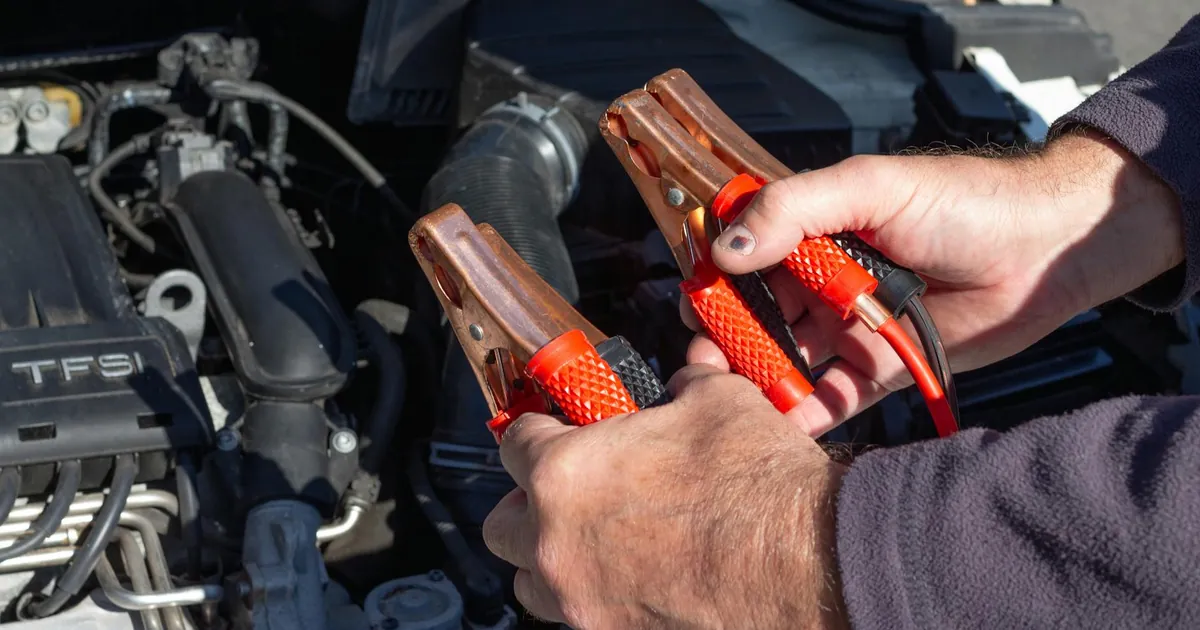
The jump-start procedure, while seemingly straightforward, requires careful execution to avoid damage to either vehicle’s electrical systems. Always connect the positive (+) cable to the positive terminal of the dead battery and then to the positive terminal of the good battery. Next, connect the negative (-) cable to the negative terminal of the good battery, and then to an unpainted metal surface on the engine block or chassis of the dead car, away from the battery itself. This grounding technique prevents potential sparks from igniting hydrogen gas emitted by the battery. After allowing the donor car to run for a few minutes, you can attempt to start the car with the dead battery. Once it starts, remove the cables in the reverse order of connection. If the car starts but dies again shortly after, it could indicate that the battery isn’t holding a charge, and the alternator may not be charging it properly. Another indicator to consider is the age of your battery; if it’s nearing the end of its typical lifespan, proactively replacing it might be a wise investment to avoid future headaches.
Faulty Alternator: Not Enough Charge
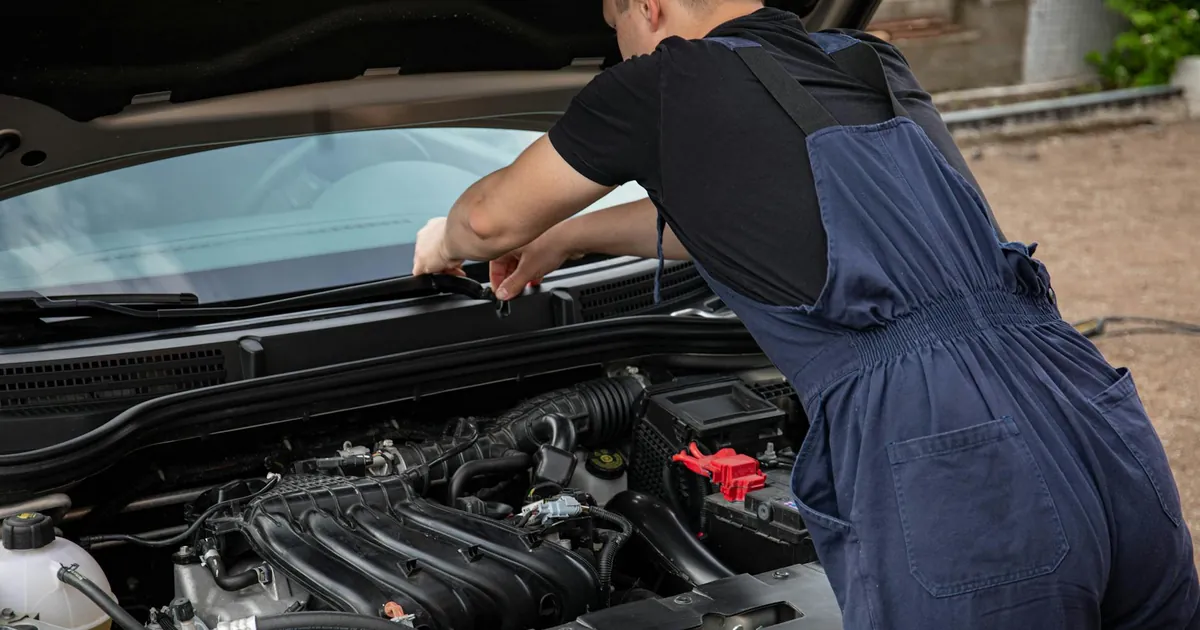
While a dead battery often presents itself as a sudden inability to start, an aging or failing alternator can lead to a gradual decline in battery performance and eventual starting issues. The alternator is the component responsible for recharging the battery while the engine is running and powering the vehicle’s electrical systems. If the alternator isn’t functioning correctly, the battery will gradually deplete, even while you’re driving. You might notice dashboard warning lights illuminating, often in the shape of a battery symbol or a red light, which indicates a charging system problem. Headlights might dim at idle or when accessories like the air conditioning are turned on. Other electrical components might also behave erratically. A symptom that’s particularly telling is your car starting fine after a jump-start but then dying a short while later – this strongly suggests the alternator isn’t doing its job of refilling the battery’s charge.
To diagnose an alternator issue, you can use a multimeter to check the voltage across the battery terminals while the engine is running. A healthy alternator should provide a charging voltage of roughly 13.8 to 14.5 volts. If the voltage reading is significantly lower than this range, or if it fluctuates wildly, it’s a strong indicator of an alternator problem. You might also hear a whining noise coming from the engine bay, which can sometimes be attributed to a failing alternator bearing or pulley. Ignoring an alternator problem will inevitably lead to a dead battery and a stranded vehicle, often at the most inconvenient times. Replacing an alternator is a more involved repair than a battery change and typically requires professional expertise, although some DIYers with mechanical aptitude may tackle it. It’s crucial to address this issue promptly, as a failing alternator can eventually lead to other electrical problems within the vehicle.
Corroded or Loose Terminals
Even with a perfectly healthy battery and alternator, poor electrical connections can prevent your car from starting. The battery terminals – the posts where the cables attach – can become corroded over time. This corrosion, usually a greenish-blue powdery substance, acts as an insulator, preventing the flow of electricity. Loose battery cables are another common issue. Vibrations from driving can cause the clamps that secure the cables to the battery posts to loosen, resulting in an inconsistent or complete loss of electrical connection. This can manifest as intermittent starting problems, or a sudden no-start situation. The fix is often simple: carefully disconnect the battery cables (always disconnect the negative terminal first), clean the battery posts and cable clamps with a wire brush or specialized terminal cleaner, and then reconnect them securely, ensuring a tight fit. Make sure to reattach the positive terminal first and then the negative. This simple maintenance can often resolve starting issues that might otherwise be mistaken for more serious electrical faults.
Ignition System Faults: No Spark
The ignition system is responsible for creating the spark that ignites the fuel-air mixture in your engine’s cylinders, ultimately bringing your car to life. If any part of this complex system fails, your car won’t start. This can range from a faulty spark plug to issues with the ignition coils, distributor (in older vehicles), or even the ignition control module. Spark plugs, for instance, can become fouled with carbon deposits, worn out, or damaged, preventing them from generating a strong, consistent spark. Ignition coils are essentially transformers that boost the battery’s voltage to the thousands of volts required for ignition. If a coil fails, the cylinder it serves won’t receive a spark. Older cars might have a distributor cap and rotor that can crack, wear out, or become contaminated, disrupting the timing and delivery of the spark to the correct cylinder. Diagnosing ignition system problems can be challenging without specialized tools and knowledge. Sometimes, a mechanic might listen for the distinct “whirring” of the fuel pump during the start sequence. If that’s present but there’s no ignition, it points to the ignition system.
Symptoms of ignition system problems can vary. You might experience misfires while the engine is running, rough idling, decreased fuel efficiency, or a distinct lack of power. In some cases, particularly with a complete failure of the ignition control module or distributor, the engine may crank but not fire up at all. A common diagnostic step for spark issues involves checking for spark by removing a spark plug, reinserting it into its wire, and grounding the plug against the engine block while someone else cranks the engine. If you see a strong blue spark, the ignition system is likely functioning. If there’s a weak yellow spark or no spark, there’s a problem. This requires careful work and can sometimes lead to other issues if done incorrectly, emphasizing why professional diagnosis is often recommended for ignition system components. Many modern vehicles have coil-on-plug systems, where each spark plug has its own individual coil, simplifying spark plug replacement but potentially making diagnosis more complex if one specific coil fails.
Clogged Fuel Filter
Fuel delivery is critical; without it, the engine simply won’t run, regardless of ignition. A clogged fuel filter is one of the most common reasons for a fuel starvation issue. The fuel filter’s job is to trap dirt, debris, and rust particles from the gasoline before it reaches the engine. Over time, these contaminants build up, restricting fuel flow. If the filter becomes severely blocked, the fuel pump may struggle to push enough fuel through it, leading to a no-start condition or stalling. You might experience symptoms like hesitation during acceleration, rough idling, or a loss of power, which can precede a complete refusal to start. If you can hear the fuel pump whirring for a few seconds when you turn the ignition key to the “on” position (before cranking), but the engine still won’t start, it might indicate a blockage downstream of the pump, such as in the fuel filter or fuel injectors.
The fuel filter is usually located along the fuel line, either under the vehicle or in the engine bay. Its lifespan varies greatly depending on fuel quality and driving conditions. Many manufacturers recommend replacing the fuel filter at specific mileage intervals (e.g., every 30,000 to 50,000 miles), but it’s wise to check your vehicle’s owner’s manual for the recommended schedule. Replacing a fuel filter is a moderately difficult DIY task, often requiring a fuel line disconnect tool and careful handling of residual fuel pressure. Failure to replace a clogged fuel filter can eventually strain the fuel pump, leading to a more expensive repair. Many motorists also overlook the importance of using quality fuel from reputable stations, as this can significantly reduce the buildup of contaminants and extend the life of the fuel filter and other fuel system components.
Starter Motor Problems: The Crank Failure
The starter motor is a small but powerful electric motor that engages the engine’s flywheel to begin the cranking process. When you turn the key, the starter solenoid engages, sending power to the starter motor itself. If the starter motor is faulty, you might hear a single, loud click when you turn the key, or perhaps a grinding noise. In some cases, nothing may happen at all, even though the battery has sufficient power. This is because the starter motor itself has failed and is unable to turn the engine over. Wear and tear, electrical shorts, or a faulty solenoid can all cause the starter to malfunction. A common symptom is that the starter only works intermittently before failing completely. This can be frustrating for drivers, as their car may start fine one moment and then refuse to turn over the next. The starter solenoid, which acts as a heavy-duty relay to power the starter motor, can also fail independently of the motor itself, producing a clicking sound but no cranking.
Diagnosing a starter motor issue often involves checking for electrical power at the starter solenoid and then at the starter motor itself when the key is turned to the start position. If power is present but the starter isn’t engaging or turning the engine, the starter motor or solenoid is likely the culprit. Starter motors are often located at the bottom of the engine, adjacent to the flywheel, making them somewhat difficult to access for inspection or replacement. Given their critical role and often challenging location, starter motor replacement is typically a job best left to experienced mechanics. A failing starter doesn’t usually provide many warning signs before it stops working entirely, but listening for unusual noises during cranking can sometimes be an early indicator. For older vehicles, corrosion on the starter connections can also be a contributing factor to poor performance.
Fuel Pump Failure: No Gas to Engine
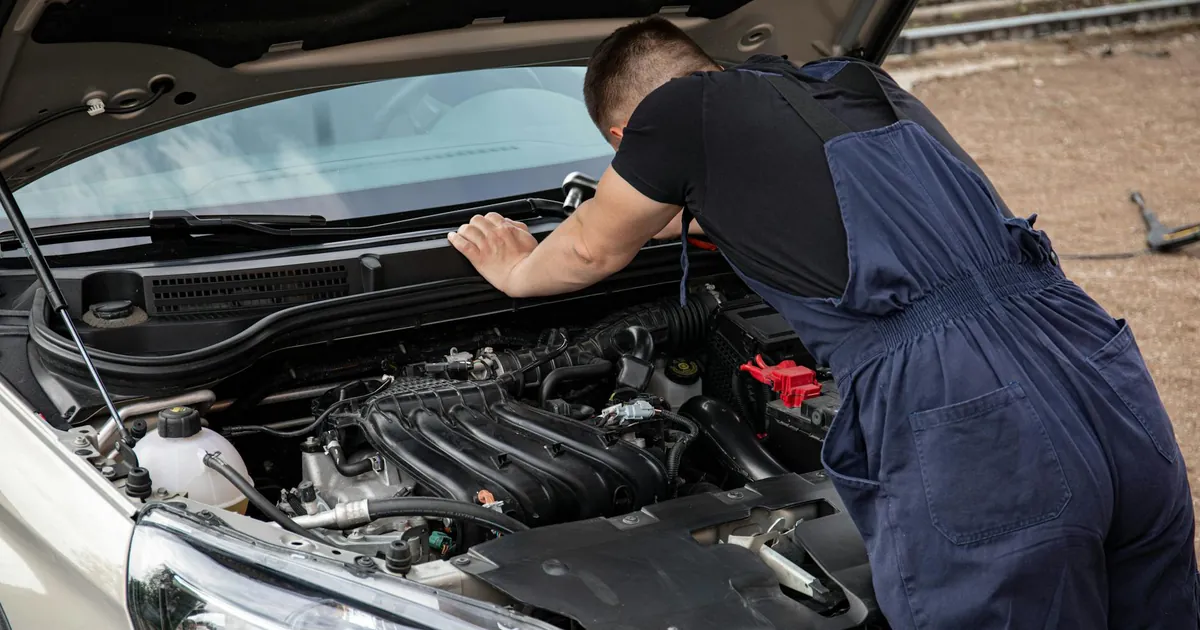
For your engine to run, it needs a continuous supply of fuel, pressurized and delivered in the correct amount. The fuel pump, typically located inside the fuel tank or along the fuel lines, is responsible for this crucial task. If the fuel pump fails, the engine will not receive the gasoline it needs to combust, resulting in a no-start condition. You might hear the fuel pump briefly hum or whine for a few seconds when you turn the ignition key to the “on” position before you try to start the engine. This is the pump priming the system. If you don’t hear this sound at all, or if it’s significantly weaker than usual, it could indicate a failing fuel pump. Other symptoms can include the engine sputtering and stalling while running, especially under load or at higher speeds, or a noticeable loss of power.
Diagnosing a fuel pump issue often involves checking fuel pressure at the fuel rail. This requires a fuel pressure gauge connected to a specific port on the fuel rail. If the pressure is below the manufacturer’s specifications, it strongly suggests a fuel pump problem. Sometimes, a fuel pump can be failing intermittently, working fine one day and then failing the next. This can be particularly frustrating to diagnose. Fuel pumps are generally reliable components, but they can fail due to age, electrical issues, or contamination in the fuel tank. In many modern vehicles, the fuel pump is integrated into a fuel pump module that also houses the fuel level sender and filter sock. If the fuel pump fails, it will require replacement, which can be a relatively involved job, especially if the pump is located inside the fuel tank, necessitating the removal of the fuel tank or access panel. This is a common problem that http://autolocalpulse.com/common-car-problems-and-how-to-fix-them-easily/ often touches upon when discussing drivability issues.
Electrical System Gremlins: Beyond the Battery
While the battery is a prime suspect, the entire electrical system can contribute to a car not starting. Complex wiring harnesses can develop shorts, open circuits, or corroded connections over time due to wear and tear, exposure to the elements, or rodent damage. A faulty ignition switch, the component you turn with your key, can fail to send the necessary signals to the starter and other systems. Fuses and relays, while designed to protect the electrical system, can also blow or fail, interrupting power flow to critical components like the fuel pump or starter solenoid. Modern vehicles are packed with complex electronics, including the engine control unit (ECU) and various sensors. A malfunction in one of these components, such as a crank position sensor or camshaft position sensor, can prevent the ECU from initiating the combustion cycle, even if the battery, starter, and fuel systems are in good working order. These sensors provide vital information to the ECU, allowing it to understand the engine’s state and timing.
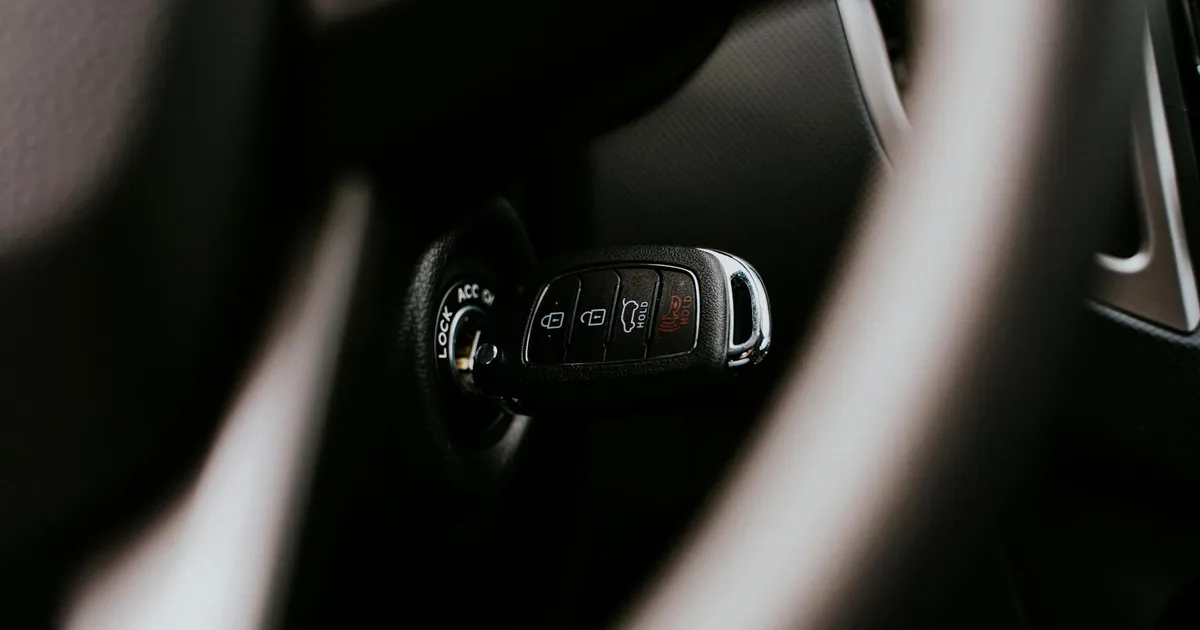
Diagnosing electrical gremlins can be the most challenging aspect of troubleshooting a no-start condition, often requiring specialized diagnostic equipment like an OBD-II scanner to read trouble codes from the ECU. These codes can provide valuable clues about which sensor or system is malfunctioning. A mechanic might also meticulously trace electrical circuits, checking continuity and resistance with a multimeter. Furthermore, issues with the immobilizer system, designed to prevent theft, can sometimes prevent a car from starting if there’s a problem with the key fob signal or the vehicle’s receiver. This can be indicated by a flashing security light on the dashboard. Addressing electrical issues often requires patience and a systematic approach to isolate the fault. Don’t underestimate the simpler checks like ensuring all fuses and relays are seated correctly and have not blown. A quick visual inspection of visible wiring can sometimes reveal obvious damage.
Key Takeaways
- The car not starting common causes include a dead battery, faulty alternator, ignition system problems, starter motor failure, fuel pump issues, and broader electrical system gremlins.
- A rapid clicking sound is a common symptom of a weak or dead battery, while a single click might point to a starter solenoid issue.
- The alternator recharges the battery; if it fails, the battery will eventually deplete, leading to starting problems.
- Ignition system faults prevent the spark needed for combustion, while fuel system issues mean the engine isn’t receiving gasoline.
- Electrical system problems, ranging from fuses to complex sensors, can also halt an engine’s ability to start.
- Regular maintenance, including battery checks and fuel filter replacements, can prevent many starting issues.
“The most complex automotive problems often have the simplest explanations. Before diving into expensive repairs, meticulously check the fundamentals – battery, connections, and basic fluid levels. A logical, step-by-step diagnostic process will save you time and money.”
Automotive Technician, [A well-known industry veteran]
Frequently Asked Questions
My car makes a clicking noise but won’t start. What does this mean?
A rapid clicking noise usually indicates a weak or dead battery that doesn’t have enough power to turn the starter motor. A single, loud click might suggest a problem with the starter solenoid or the starter motor itself.
Can I drive my car if the battery light is on?
If your battery light is illuminated, it signifies a problem with the charging system, most likely a failing alternator. You might be able to drive for a short period on battery power alone, but it’s not recommended. The battery will eventually drain, leaving you stranded. It’s best to address this issue immediately.
How often should I replace my car battery?
The lifespan of a car battery typically ranges from 3 to 5 years. However, this can be influenced by climate, driving habits, and battery quality. It’s wise to have your battery tested annually, especially before extreme weather seasons.
What is the difference between a fuel filter and an air filter?
The fuel filter cleans the gasoline before it reaches the engine, trapping contaminants. The air filter, on the other hand, cleans the air that enters the engine for combustion. Both are crucial for engine performance but serve very different functions.
My car starts but then stalls. What could be the cause?
If your car starts but then stalls, it could be a variety of issues, including a failing fuel pump, a clogged fuel filter, a vacuum leak, a faulty mass airflow sensor, or problems with the idle air control valve. Ensuring your http://autolocalpulse.com/common-car-problems-and-how-to-fix-them-easily/ are up-to-date can help preempt these.
Navigating the frustrating experience of a car not starting requires a methodical approach and a basic understanding of how your vehicle operates. By familiarizing yourself with these common causes and their potential fixes, you can often pinpoint the problem or at least have a more informed discussion with a qualified mechanic. Remember that preventative maintenance, like regular battery checks, fluid changes, and inspecting for wear and tear, is your best defense against unexpected breakdowns. If you’re ever in doubt, seeking professional advice from a trusted automotive technician is always the safest and most effective course of action. Don’t let a non-starting car sideline you; empower yourself with knowledge and get back on the road with confidence.