


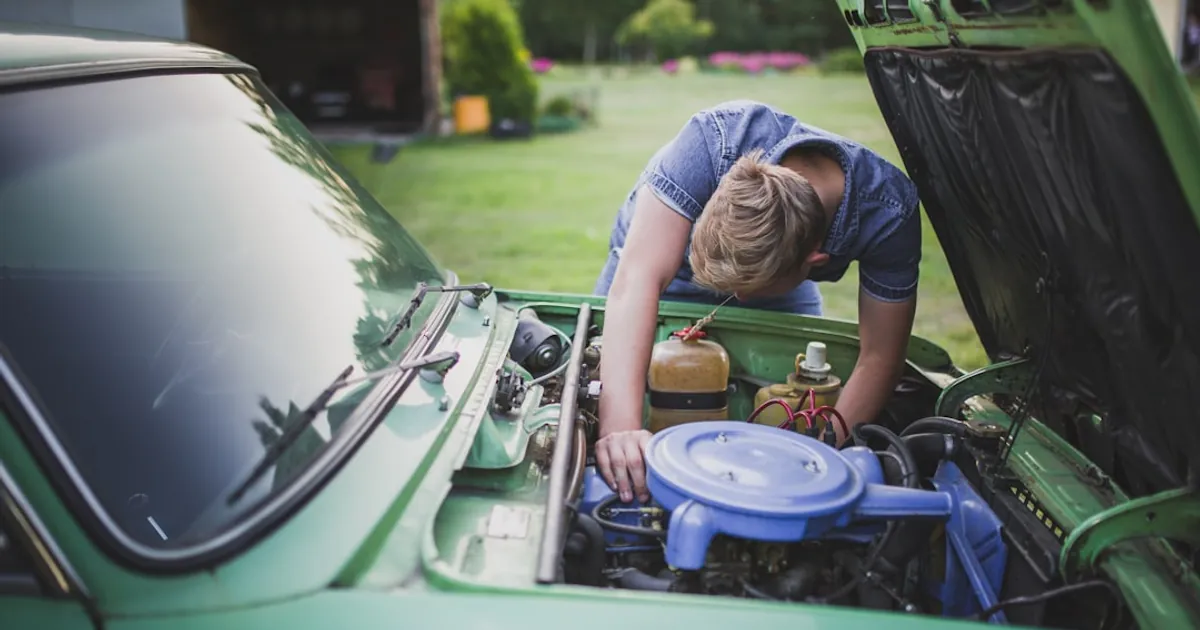
Learning simple car maintenance isn’t just about saving money—it’s about gaining confidence behind the wheel and avoiding those heart-stopping moments when your car sputters to a halt on a busy highway. For new drivers, the world of oil changes, tire rotations, and brake checks can feel overwhelming, but the truth is, most basic maintenance tasks are easier than parallel parking. With a straightforward checklist and a little know-how, you can keep your vehicle running smoothly, prevent costly repairs, and even extend its lifespan. Whether you’re driving a brand-new sedan or a hand-me-down hatchback, these essential tips will help you stay safe, save cash, and avoid the dreaded “check engine” light.
What Is a Simple Car Maintenance Checklist?
A simple car maintenance checklist is a curated list of routine tasks designed to keep your vehicle in optimal condition without requiring advanced mechanical skills. It covers the fundamentals—like checking fluid levels, inspecting tires, and monitoring brakes—that every driver should perform regularly. Think of it as a health checkup for your car, where small, consistent efforts prevent major breakdowns. For new drivers, this checklist acts as a roadmap to understanding how their car works and what it needs to run efficiently. By following it, you’ll not only avoid unexpected repairs but also build a habit of proactive care that pays off in the long run.
Why New Drivers Need a Maintenance Routine

When you’re new to driving, the last thing you want is to be stranded on the side of the road because of a preventable issue. A maintenance routine isn’t just about keeping your car running—it’s about safety, reliability, and peace of mind. Cars, like any machine, wear down over time, but regular checks can catch problems early, before they turn into expensive disasters. For example, ignoring low tire pressure might seem harmless until a blowout leaves you swerving on the freeway. Similarly, skipping oil changes can lead to engine damage that costs thousands to repair. By establishing a routine, you’re not just taking care of your car; you’re protecting yourself, your passengers, and your wallet.
Beyond safety, a maintenance routine helps new drivers build a relationship with their vehicle. The more you understand how your car operates, the more confident you’ll feel behind the wheel. You’ll start noticing subtle changes—like a strange noise or a slight pull to one side—that could signal a problem. This awareness is invaluable, especially when you’re still learning the nuances of driving. Plus, keeping up with maintenance can improve your car’s resale value, making it a smart financial move as well.
How Neglect Leads to Costly Repairs
It’s easy to put off maintenance when your car seems to be running fine, but neglect is the silent killer of vehicles. Small issues, like a slow coolant leak or worn brake pads, don’t always announce themselves with flashing lights or loud noises. Instead, they fester under the hood until they cause a catastrophic failure. For instance, driving with old brake fluid can lead to brake failure, while ignoring a squeaky belt might result in a snapped serpentine belt that leaves you stranded. The cost of repairing these issues after they’ve escalated is often double or triple what it would’ve been to address them early.
Consider the story of a friend who ignored his car’s “check engine” light for months. What started as a minor oxygen sensor issue turned into a full-blown catalytic converter failure, costing him over $2,000. Had he addressed the light when it first appeared, the repair would’ve been a fraction of the price. This isn’t an isolated case—most major car repairs stem from neglected maintenance. By sticking to a simple checklist, you’re not just avoiding inconvenience; you’re dodging a financial bullet.
Building Confidence Through Hands-On Care

There’s a unique satisfaction that comes from taking care of your car. For new drivers, performing basic maintenance tasks can demystify the machine they rely on daily. Checking your oil, for example, might seem intimidating at first, but once you’ve done it a few times, it becomes second nature. This hands-on experience builds confidence and reduces the anxiety that often comes with car ownership. You’ll no longer feel like a passive driver at the mercy of mechanics; instead, you’ll be an active participant in your car’s well-being.
Start small. Learn to check your tire pressure or top off your windshield washer fluid. As you become more comfortable, move on to tasks like inspecting your air filter or testing your battery. Each task you master makes you a more capable driver. Plus, the more you know about your car, the better you’ll be at spotting potential issues before they become serious. This proactive approach not only saves money but also makes you a safer, more informed driver.
Monthly Maintenance Tasks You Can’t Ignore
Some car maintenance tasks need to be done monthly to keep your vehicle in top shape. These aren’t time-consuming or complicated, but they’re crucial for preventing bigger problems down the road. Think of them as the “low-hanging fruit” of car care—easy to do, but easy to overlook if you’re not paying attention. By setting aside 30 minutes each month to tackle these tasks, you’ll catch issues early and keep your car running smoothly.
The first task on your monthly checklist should be checking your tire pressure. Underinflated tires reduce fuel efficiency, wear out faster, and can even lead to blowouts. Use a tire pressure gauge to check each tire, including the spare, and inflate them to the manufacturer’s recommended PSI (found in your owner’s manual or on the driver’s side door jamb). While you’re at it, inspect your tires for signs of uneven wear or damage, like cracks or bulges. If you notice anything unusual, it might be time for a rotation or alignment.
Checking Fluid Levels Like a Pro
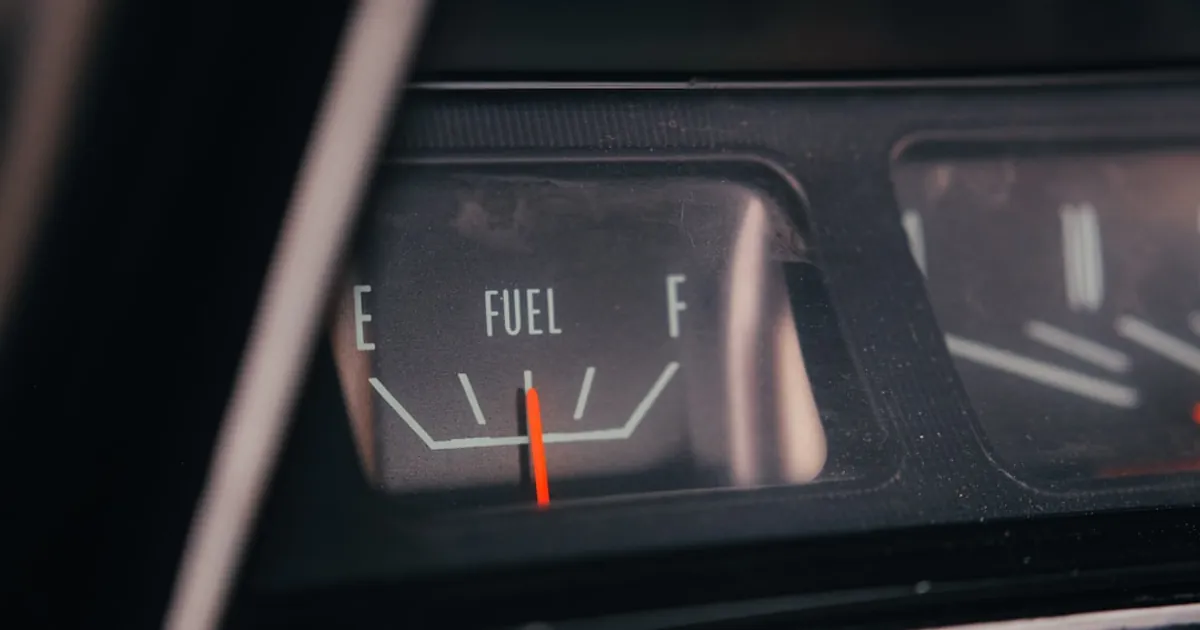
Fluids are the lifeblood of your car, and keeping them at the right levels is one of the simplest ways to prevent major issues. Start with engine oil—park on level ground, wait a few minutes after turning off the engine, then pull out the dipstick, wipe it clean, reinsert it, and check the level. If it’s low, top it off with the type of oil recommended in your owner’s manual. Next, check your coolant level in the translucent overflow tank. Never open the radiator cap when the engine is hot, as the pressurized coolant can cause serious burns.
Don’t forget about your brake fluid, power steering fluid, and windshield washer fluid. Brake fluid should be checked in the reservoir near the firewall, and it should be clear or light amber in color. If it’s dark or murky, it’s time for a flush. Power steering fluid is usually checked with a dipstick in the reservoir, and windshield washer fluid is as simple as topping off the tank under the hood. These fluids are often overlooked, but they play a critical role in your car’s performance and safety.
Inspecting Lights and Signals
Your car’s lights and signals are its way of communicating with other drivers, so it’s essential to keep them in working order. Walk around your car and check all the lights—headlights, taillights, brake lights, turn signals, and reverse lights. If you’re alone, use a reflective surface like a garage door or window to see if your brake lights are working when you press the pedal. Replace any burnt-out bulbs immediately, as driving with faulty lights is not only dangerous but can also earn you a ticket.
While you’re at it, check your horn and windshield wipers. A quick honk ensures your horn is functional, and a spray of washer fluid will confirm your wipers are clearing the windshield effectively. If your wipers leave streaks or make a squeaking noise, it’s time to replace the blades. These small checks take just a few minutes but can make a big difference in your safety on the road.
Quarterly Checks for Long-Term Reliability
While monthly tasks focus on the basics, quarterly checks dive a little deeper into your car’s health. These tasks are still simple enough for new drivers to handle, but they address components that don’t need as frequent attention. By performing these checks every three months, you’ll stay ahead of wear and tear and keep your car running reliably for years to come.
One of the most important quarterly tasks is inspecting your battery. A weak battery can leave you stranded at the worst possible moment, so it’s worth checking its health regularly. Start by cleaning any corrosion off the terminals with a mixture of baking soda and water. Then, use a multimeter to test the battery’s voltage—it should read around 12.6 volts when the car is off and 13.7 to 14.7 volts when the engine is running. If the voltage is low, it might be time for a new battery. While you’re under the hood, check the battery cables for signs of fraying or damage.
Air Filter and Cabin Filter Inspection
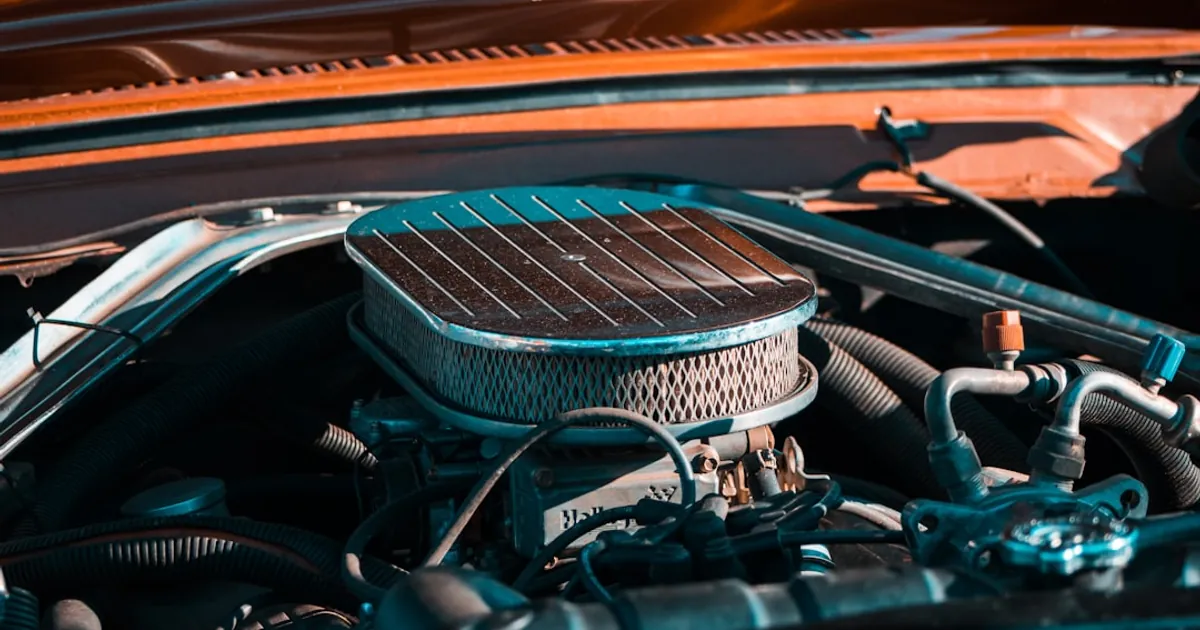
Your car’s air filter and cabin filter play a crucial role in keeping the engine and interior air clean. The air filter prevents dirt and debris from entering the engine, while the cabin filter ensures the air inside your car is free of pollutants. Over time, these filters can become clogged, reducing performance and air quality. Checking them quarterly is a simple way to maintain efficiency and comfort.
To inspect the air filter, locate the air filter housing under the hood (it’s usually a black plastic box with clips or screws). Open it up and remove the filter—if it’s covered in dirt or debris, it’s time to replace it. Cabin filters are often located behind the glove compartment or under the dashboard. Remove the old filter and hold it up to the light—if you can’t see through it, it’s time for a new one. Replacing these filters is usually a quick and inexpensive task, but it can make a big difference in your car’s performance and your driving comfort.
Brake System and Tire Rotation
Your brakes are one of the most critical safety systems in your car, so it’s important to inspect them regularly. Start by checking the brake fluid level in the reservoir—if it’s low, top it off with the recommended fluid. Next, listen for any unusual noises when you brake, like squeaking or grinding, which could indicate worn brake pads. If you notice any vibrations or pulling to one side when braking, it’s time to have your brakes inspected by a professional.
Tire rotation is another quarterly task that can extend the life of your tires. Rotating your tires ensures they wear evenly, which improves traction and handling. Most manufacturers recommend rotating your tires every 5,000 to 7,500 miles, but checking them quarterly is a good rule of thumb. If you’re not comfortable doing it yourself, most tire shops offer free or low-cost rotations. While you’re at it, check your tire tread depth using the “penny test”—insert a penny into the tread with Lincoln’s head upside down. If you can see the top of his head, it’s time for new tires.
Seasonal Maintenance for Year-Round Safety
As the seasons change, so do the demands on your car. Extreme temperatures, rain, snow, and even pollen can affect your vehicle’s performance, so it’s important to adjust your maintenance routine accordingly. Seasonal checks ensure your car is prepared for whatever Mother Nature throws your way, keeping you safe and comfortable no matter the weather.
In the spring and summer, focus on tasks that help your car handle heat and humidity. Check your coolant level and inspect the hoses for cracks or leaks, as overheating is a common issue in hot weather. Test your air conditioning to make sure it’s blowing cold air, and replace the cabin air filter if it’s clogged with pollen or dust. Summer is also a good time to inspect your tires for signs of dry rot or uneven wear, as hot pavement can accelerate tire damage.
Preparing for Winter Driving

Winter brings its own set of challenges, from icy roads to freezing temperatures. Before the cold weather hits, take the time to winterize your car. Start by checking your antifreeze level—it should be a 50/50 mix of coolant and water to prevent freezing. Inspect your battery, as cold weather can reduce its capacity, and consider having it tested if it’s more than three years old. Switch to winter tires if you live in an area with heavy snowfall, as they provide better traction on icy roads.
Don’t forget to check your windshield wipers and washer fluid. Winter wiper blades are designed to handle snow and ice, and using a winter-specific washer fluid will prevent it from freezing on your windshield. Keep an emergency kit in your car with items like a blanket, flashlight, jumper cables, and a small shovel. These preparations might seem like overkill, but they can make all the difference if you find yourself stranded in a winter storm.
Spring and Fall Tune-Ups
Spring and fall are the perfect times to give your car a thorough once-over. In the spring, focus on cleaning and inspecting your car after a long winter. Wash off any salt or grime that could cause rust, and check for any damage to the undercarriage. Inspect your brakes, as winter driving can wear them down faster, and check your suspension for any signs of damage from potholes or rough roads.
In the fall, prepare your car for the colder months ahead. Check your heater and defroster to make sure they’re working properly, and inspect your tires for adequate tread depth. Fall is also a good time to check your lights, as shorter days mean you’ll be driving in the dark more often. By performing these seasonal tune-ups, you’ll ensure your car is ready for whatever the weather throws at it.
When to Call a Professional Mechanic

While many maintenance tasks are simple enough for new drivers to handle, there are times when it’s best to leave it to the professionals. Knowing when to call a mechanic can save you time, money, and frustration. If you’re ever unsure about a task or notice something unusual with your car, it’s better to err on the side of caution and seek expert help. Mechanics have the tools, knowledge, and experience to diagnose and fix problems that might be beyond your skill level.
Some signs that it’s time to call a mechanic include strange noises, like grinding or squealing, that persist even after you’ve checked the obvious causes. If your car is pulling to one side, vibrating excessively, or emitting unusual smells, like burning rubber or rotten eggs, it’s time for a professional inspection. Warning lights on your dashboard, like the “check engine” light or “ABS” light, should never be ignored. While it might be tempting to reset the light and hope for the best, these warnings often indicate serious issues that need immediate attention.
Finding a Trustworthy Mechanic
Not all mechanics are created equal, so it’s important to find one you can trust. Start by asking friends, family, or coworkers for recommendations—personal experiences are often the best way to find a reliable mechanic. Look for shops that specialize in your car’s make or have certifications from organizations like the National Institute for Automotive Service Excellence (ASE). A good mechanic will be transparent about their work, provide detailed estimates, and explain any repairs in terms you can understand.
Before committing to a shop, ask about their warranty policies and whether they use OEM (original equipment manufacturer) parts. A reputable mechanic will stand by their work and offer warranties on both parts and labor. Don’t be afraid to ask questions or get a second opinion if something doesn’t feel right. Building a relationship with a trustworthy mechanic is one of the best things you can do for your car’s long-term health.
Understanding Repair Estimates
When you take your car to a mechanic, you’ll likely receive an estimate for the work needed. Understanding this estimate can help you avoid overpaying or being upsold on unnecessary repairs. A good estimate should include a breakdown of the parts and labor costs, as well as any additional fees, like shop supplies or disposal charges. If the estimate seems high, don’t hesitate to ask for a detailed explanation of each item.
It’s also a good idea to get estimates from multiple shops before committing to a repair. Prices can vary widely, even for the same service, so shopping around can save you money. However, be wary of estimates that are significantly lower than others—this could be a red flag for poor-quality work or hidden fees. Once you’ve chosen a shop, ask for a written estimate and make sure you understand the terms before authorizing any work. A reputable mechanic will be happy to provide this information and answer any questions you have.
Key Takeaways
- Simple car maintenance prevents costly repairs and keeps your vehicle running smoothly.
- Monthly tasks like checking tire pressure, fluid levels, and lights are quick but essential.
- Quarterly checks, such as inspecting the battery, air filters, and brakes, help catch issues early.
- Seasonal maintenance prepares your car for extreme weather and ensures year-round safety.
- Knowing when to call a professional mechanic can save you time and money in the long run.
- Building a relationship with a trustworthy mechanic is key to long-term car care.
- Understanding repair estimates helps you avoid overpaying or unnecessary repairs.
“A well-maintained car is a safe car. For new drivers, learning basic maintenance isn’t just about saving money—it’s about building confidence and ensuring reliability on the road. Start with the simple tasks, like checking fluids and tire pressure, and gradually take on more as you become comfortable. The more you know about your car, the better equipped you’ll be to handle whatever comes your way.”
— Sarah Johnson, ASE-Certified Master Technician
Frequently Asked Questions
How often should I change my car’s oil?
Most modern cars can go 5,000 to 7,500 miles between oil changes, but it’s best to check your owner’s manual for the manufacturer’s recommendation. If you drive in severe conditions—like extreme heat, cold, or stop-and-go traffic—you may need to change your oil more frequently. Regular oil changes are one of the simplest ways to extend your engine’s life, so don’t skip them.
What’s the easiest way to check my tire tread?
The “penny test” is the easiest way to check your tire tread. Insert a penny into the tread with Lincoln’s head upside down. If you can see the top of his head, your tread is too low, and it’s time for new tires. For a more precise measurement, use a tread depth gauge, which you can find at most auto parts stores. Proper tread depth is crucial for traction, especially in wet or icy conditions.
Why does my car’s “check engine” light come on?
The “check engine” light can come on for a variety of reasons, ranging from a loose gas cap to a serious engine problem. The only way to know for sure is to have the car scanned for trouble codes, which most auto parts stores will do for free. While it might be tempting to ignore the light, doing so can lead to more expensive repairs down the road. If the light is flashing, it indicates a severe issue that requires immediate attention.
How do I know if my brakes need to be replaced?
There are several signs that your brakes may need to be replaced. Listen for squeaking or grinding noises when you brake, as these often indicate worn brake pads. If you feel vibrations or pulling to one side when braking, it could be a sign of uneven wear or a problem with the brake system. You can also inspect your brake pads visually—if they’re less than 1/4 inch thick, it’s time for new ones. When in doubt, have a professional inspect your brakes.
What should I keep in my car’s emergency kit?
An emergency kit can be a lifesaver if you find yourself stranded on the side of the road. At a minimum, your kit should include a flashlight, jumper cables, a first-aid kit, a blanket, water, and non-perishable snacks. In winter, add items like a small shovel, ice scraper, and cat litter or sand for traction. It’s also a good idea to keep a basic toolkit, a tire pressure gauge, and a spare tire or tire repair kit in your car. Being prepared can make a stressful situation much more manageable.
Is it worth learning basic car maintenance, or should I just take it to a mechanic?
Learning basic car maintenance is absolutely worth it. Not only does it save you money, but it also gives you a better understanding of how your car works. Simple tasks like checking fluid levels, inspecting tires, and replacing air filters can be done at home with minimal tools. That said, there are times when it’s best to leave it to the professionals, especially for complex repairs or issues you’re not comfortable handling. The key is knowing your limits and building a relationship with a trustworthy mechanic for the bigger jobs.
How can I make my car last longer?
The best way to make your car last longer is to stay on top of maintenance. Follow the manufacturer’s recommended service schedule, and don’t ignore warning signs like strange noises or dashboard lights. Regular oil changes, tire rotations, and fluid checks are the foundation of long-term car care. Additionally, drive gently—avoid aggressive acceleration and braking, and don’t ignore small issues until they become big problems. With proper care, many cars can last well over 200,000 miles.
Owning a car is a big responsibility, but it doesn’t have to be overwhelming. By following this simple car maintenance checklist, you’ll keep your vehicle running smoothly, avoid costly repairs, and build the confidence you need to tackle the road ahead. Start with the basics, like checking your fluids and tire pressure, and gradually take on more tasks as you become comfortable. Remember, every minute you spend on maintenance is an investment in your car’s longevity and your safety. So grab your owner’s manual, roll up your sleeves, and get to work—your car (and your wallet) will thank you.