


Experiencing a hiccup with your car’s electrical system can be incredibly frustrating, but understanding how to diagnose car electrical problems at home easily empowers you to tackle many common issues yourself. From a dead battery to flickering lights or a mysterious dashboard warning, electrical woes often share similar root causes. With a few basic tools and a logical approach, you can save time, money, and gain a deeper understanding of your vehicle. This guide will walk you through the essential steps, helping you pinpoint problems and get your car running smoothly again, even for models well into 2026.
Understanding Your Car’s Electrical Backbone
Your car’s electrical system is a complex network designed to power everything from the engine’s ignition to the radio and headlights. At its core, it comprises three main components: the battery, the alternator, and the starter. The battery provides the initial surge to start the engine and powers accessories when the engine is off. Once the engine is running, the alternator takes over, generating electricity to run the car’s systems and recharge the battery. The starter motor, a powerful electric motor, is responsible for turning the engine over to get it started.
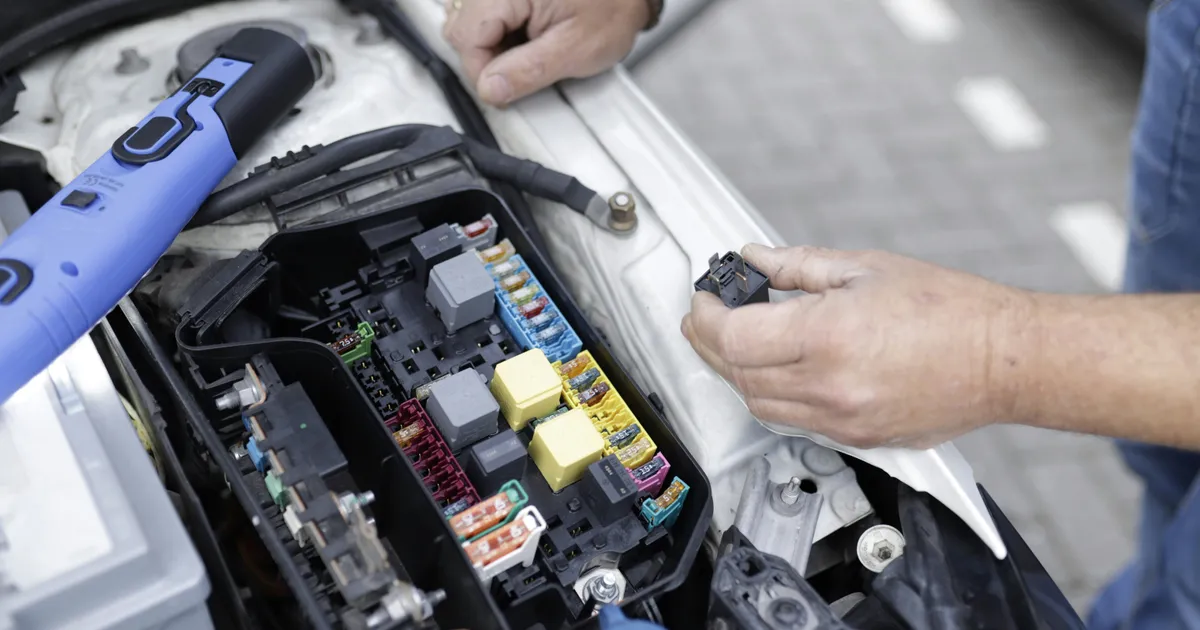
Beyond these primary components, a vast web of wiring, fuses, relays, and switches distributes power throughout the vehicle. Fuses act as safety devices, protecting circuits from overcurrents, while relays are electrically operated switches that allow a low-power signal to control a high-power circuit. Ground connections are equally crucial, providing the return path for electrical current. Understanding these basic elements is the first step in effectively diagnosing any electrical issue that might arise in your vehicle.
Common Symptoms and Initial Checks
When an electrical problem strikes, your car will often give you clear warning signs. Common symptoms include a vehicle that won’t start or crank, dim or flickering headlights, a dashboard warning light (like the battery light or check engine light), or accessories like the radio or power windows failing to operate. A burning smell, especially like burnt plastic, is another critical indicator of an electrical short or overload, demanding immediate attention to prevent further damage.
Before diving deep, always start with simple visual checks. Ensure your battery terminals are clean, tight, and free of corrosion. Loose or corroded connections are a leading cause of starting and charging problems. Inspect visible wiring for any signs of fraying, pinching, or melting. Sometimes, a simple loose wire or a disconnected plug is the culprit. Check the serpentine belt to ensure it’s not slipping, as this can affect alternator performance. These quick checks can often resolve issues without needing advanced tools.
Essential Tools for Diagnosis
To effectively diagnose car electrical problems at home easily, a few essential tools will be invaluable. A digital multimeter is your best friend for measuring voltage, current, and resistance, providing precise readings for various circuits. A 12-volt test light is simpler but excellent for quickly checking for power or ground in a circuit. Wire strippers, crimpers, and a basic set of wrenches and screwdrivers will also be necessary for accessing components and making minor repairs.
Another helpful item, especially for modern vehicles in 2026, is an OBD-II (On-Board Diagnostics II) scanner. While not strictly an electrical diagnosis tool, it can read trouble codes that often point to underlying electrical issues within specific sensors or circuits. Having access to your car’s wiring diagram, often found in a service manual or online resources like AllData or a manufacturer’s technical site, can also significantly speed up the diagnostic process by showing you exactly where wires run and what components they connect.
Using a Multimeter for Voltage Checks
A multimeter is indispensable for electrical diagnostics. To check your car battery’s static voltage, set the multimeter to DC Volts (usually represented by V with a straight line above it), typically around 20V. Place the red probe on the positive battery terminal and the black probe on the negative terminal. A healthy, fully charged battery should read around 12.6 volts. If it’s significantly lower (e.g., below 12.0V), your battery might be discharged or failing.
To test the alternator’s charging output, start the car and re-measure the battery voltage with the engine running. The reading should ideally be between 13.5 and 14.5 volts. If it remains at 12.6V or drops, the alternator might not be charging the battery correctly. You can also use the multimeter to check for continuity in fuses by setting it to the Ohms (Ω) or continuity setting and touching the probes to each side of the fuse. A good fuse will show a very low resistance or beep for continuity; a blown fuse will show no reading or no beep.
Troubleshooting Specific Components
When you suspect a specific component, a systematic approach is key. Fuses are often the easiest to check; visually inspect the filament for a break, or use your multimeter’s continuity setting. If a fuse is blown, replace it with one of the same amperage. If the new fuse blows immediately, there’s a short circuit in that component’s wiring or the component itself. Relays can be tested by swapping them with a known good, identical relay from another circuit, or by using a 12V power source and multimeter to check if they click and provide continuity.
Ground connections are frequently overlooked but critical. A poor ground can cause a variety of intermittent or seemingly unrelated electrical issues. Locate the ground straps and wires connecting the battery, engine, and chassis, and inspect them for corrosion, looseness, or damage. Clean any corroded areas with a wire brush and ensure all connections are tight. Similarly, switches can be tested for continuity when activated, ensuring they are properly opening and closing circuits. Don’t underestimate the impact of a faulty ground connection on your vehicle’s overall electrical health.
Advanced Tips and When to Seek Professional Help
For more complex issues, an OBD-II scanner can be a valuable asset. Even basic models provide generic trouble codes that can point you in the right direction. Remember to check for Technical Service Bulletins (TSBs) related to your vehicle’s year and model, as manufacturers often issue fixes for known electrical glitches. Intermittent electrical problems are notoriously challenging; they might require wiggling wires while monitoring a multimeter, or even driving the car with diagnostic tools connected to catch the fault as it occurs.
While diagnosing car electrical problems at home easily is empowering, knowing your limits is crucial. If you’ve performed basic checks, used your multimeter, and still can’t pinpoint the issue, or if the problem involves safety-critical systems like airbags or ABS, it’s time to call a professional mechanic. Electrical systems can be dangerous if mishandled, especially with modern high-voltage components in hybrid and electric vehicles. Prioritize your safety and the integrity of your vehicle’s complex systems.
Key Takeaways
- Always start with basic visual inspections and ensure battery terminals are clean and tight.
- A digital multimeter is an essential tool for accurately testing voltage, continuity, and resistance.
- Systematically check fuses, relays, and ground connections as they are common culprits for electrical faults.
- Know when to seek professional help, especially for complex or safety-critical electrical issues.
Frequently Asked Questions
Why are my lights dim but the car still starts?
Dim lights, even if the car starts, often indicate a weak battery, a failing alternator, or poor ground connections. The battery might have just enough power to crank the engine, but not enough to fully power all accessories. Check your battery voltage with the engine off and then running to assess the charging system.
Can a bad ground cause multiple electrical issues?
Absolutely. A poor ground connection is a common cause of seemingly unrelated electrical problems. It can lead to flickering lights, components working intermittently, or even multiple dashboard warning lights because various circuits rely on a clean return path to the battery.
What’s the most common electrical problem in cars?
The most common electrical problems usually revolve around the battery and its connections. A dead battery, corroded terminals, or a failing alternator are incredibly frequent issues that prevent a car from starting or cause various electrical glitches.
When should I give up and call a mechanic?
You should consider calling a mechanic if you’ve performed basic diagnostic steps, checked common components, and still can’t identify the source of the problem. Also, if the issue involves complex wiring, safety systems, or if you’re uncomfortable working with electrical components, professional assistance is always the safest route.
Conclusion
Diagnosing car electrical problems at home can be a rewarding experience, empowering you with knowledge and potentially saving you significant repair costs. By understanding the basics, using the right tools like a multimeter, and approaching issues systematically, you can confidently tackle many common electrical faults. Remember to always prioritize safety and know when to enlist the help of a professional. Staying proactive with maintenance and familiarizing yourself with your vehicle’s systems will serve you well for years to come, keeping your car reliable and responsive.