


Ensuring your vehicle’s stopping power is paramount for the safety of everyone on the road. Understanding how to maintain car brakes for long-term safety isn’t just about passing an inspection; it’s about preventing accidents and ensuring reliable performance every time you press the pedal. Your brake system is a complex network of components designed to bring thousands of pounds of metal to a safe stop, often under demanding conditions. Neglecting this crucial system can lead to compromised stopping distances, increased wear, and ultimately, a dangerous driving experience. This guide will walk you through essential maintenance practices, helping you keep your brakes in top condition for years to come.
Understanding Your Brake System
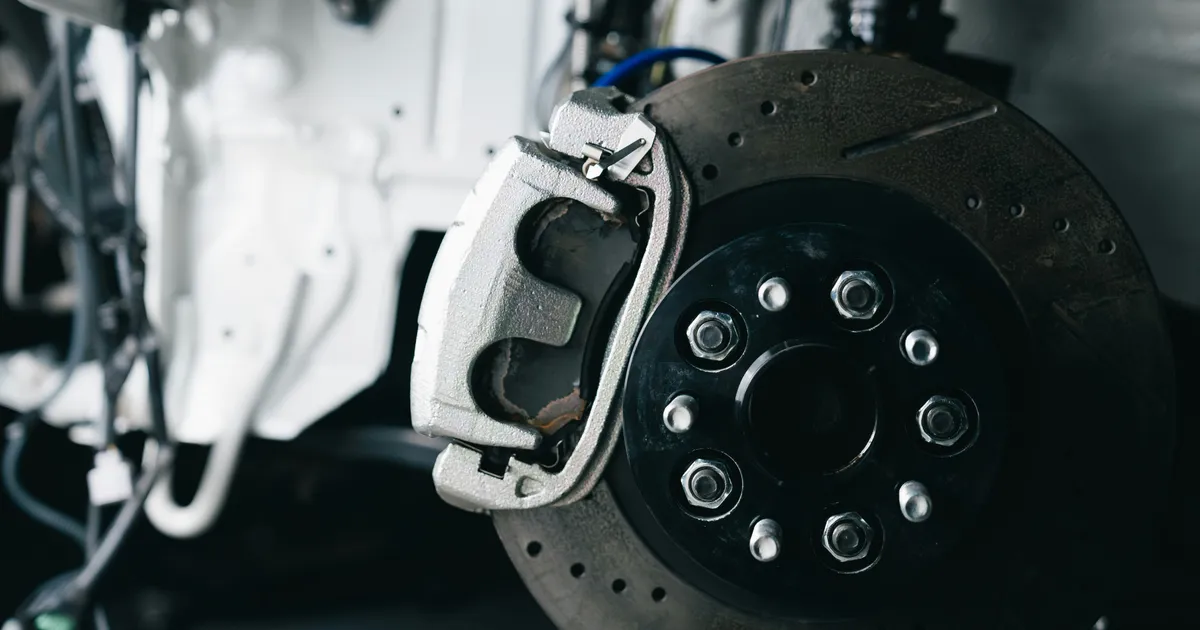
Your car’s braking system is far more intricate than just the pedal you press. It typically consists of brake pads, rotors, calipers, brake fluid, and lines, all working in harmony. When you step on the brake pedal, hydraulic pressure is transmitted through the brake fluid to the calipers, which then squeeze the brake pads against the rotors. This friction converts kinetic energy into heat, slowing your vehicle down. Each component plays a vital role, and a failure in any part can significantly impair your car’s ability to stop safely and efficiently.
The type of brakes your car uses, primarily disc brakes, relies heavily on the quality and condition of these parts. Disc brakes, common in modern vehicles, offer superior stopping power and heat dissipation compared to older drum brake systems. Understanding how these components interact helps you appreciate the importance of their upkeep. For instance, rotors, often visible through your wheels, can warp or wear thin over time, while brake pads, made from a friction material, are designed to gradually wear down and require regular replacement.
Regular Inspection and Early Detection
Proactive inspection is the cornerstone of long-term brake safety. You should aim for a professional brake check at least once a year, or every 12,000 miles, whichever comes first. However, between professional visits, it’s beneficial to conduct simple visual checks yourself. Look for visible signs of wear on your rotors, such as deep grooves or scoring, and listen for unusual noises like grinding or squealing, which are tell-tale signs of worn brake pads needing immediate attention.
Beyond visual and auditory cues, pay attention to the feel of your brake pedal. If it feels spongy, sinks too far, or requires excessive pressure, it could indicate issues with your brake fluid level, air in the hydraulic lines, or even a failing master cylinder. Vibrations through the pedal or steering wheel when braking often point to warped rotors. Addressing these symptoms promptly can prevent minor issues from escalating into expensive repairs or, more importantly, dangerous situations on the road. Consider checking resources like The Car Care Council for more self-inspection tips.
Driving Habits and Their Impact
Your driving style significantly influences the lifespan and performance of your brake system. Aggressive driving, characterized by rapid acceleration followed by hard braking, generates excessive heat and friction, accelerating the wear on your brake pads and rotors. This constant stress can lead to premature component failure and diminish your brakes’ effectiveness, especially in emergency situations. Smooth, gradual braking not only preserves your brake components but also contributes to better fuel efficiency and a more comfortable ride for passengers.
Anticipating traffic and road conditions allows for more controlled deceleration, reducing the need for sudden stops. Leaving ample space between your vehicle and the one ahead gives you more time to react and brake gently. Moreover, avoiding unnecessary braking, such as “riding the brakes” down hills, prevents overheating and uneven wear. Adopting these mindful driving habits can dramatically extend the life of your brake system, saving you money and enhancing overall vehicle safety for 2026 and beyond.
Gentle Braking Techniques
Mastering gentle braking techniques is a practical skill that pays dividends in brake longevity. Instead of pressing the pedal hard and fast, apply steady, increasing pressure as you approach a stop. Release the brake slightly just before coming to a complete stop to smooth out the final deceleration and reduce the jolt. When descending long hills, utilize your vehicle’s lower gears to engage engine braking. This reduces the strain on your friction brakes, preventing them from overheating and losing efficiency, a phenomenon known as “brake fade.”
Choosing the Right Components
When it comes to replacing brake components, quality matters immensely for long-term safety and performance. Opting for cheaper, inferior parts might save a few dollars upfront but can compromise stopping power, durability, and even vehicle warranty. High-quality brake pads, for example, are designed with advanced friction materials that offer better heat resistance, quieter operation, and a longer lifespan. Similarly, premium rotors are manufactured to tighter tolerances, reducing the likelihood of warping and vibrations.
Always consult your vehicle’s manufacturer recommendations or a trusted mechanic when selecting replacement parts. There are various types of brake pads—ceramic, semi-metallic, and organic—each with different characteristics suited for specific driving conditions and vehicle types. Investing in reputable brands ensures that your new components meet stringent safety standards and are engineered to perform optimally with your specific car model, providing reliable stopping power well into 2026 and beyond. For guidance on parts, check out resources like NHTSA.
Professional Maintenance and When to Seek It
While DIY checks are valuable, professional maintenance is indispensable for comprehensive brake care. A certified mechanic has the specialized tools and expertise to perform thorough inspections, diagnose complex issues, and execute precise repairs. They can accurately measure brake pad thickness, inspect caliper function, check brake fluid condition and levels, and bleed the brake lines if air has entered the system. Regular flushing and replacement of brake fluid, typically every two to three years, is also critical as brake fluid absorbs moisture over time, which can lead to corrosion and reduced braking efficiency.
Don’t hesitate to seek professional help if you notice any persistent brake issues or if your car is due for its scheduled brake service. Ignoring warning signs can lead to more extensive damage, such as rotor damage from metal-on-metal contact if pads are completely worn, or even brake failure. A professional will ensure all components are installed correctly, torqued to specification, and properly bedded in, guaranteeing your brake system operates at its peak performance for maximum safety.
Key Takeaways
- Regular professional inspections and self-checks are crucial for early detection of brake issues.
- Adopt gentle, anticipatory driving habits to significantly extend the life of your brake components.
- Always choose high-quality, manufacturer-recommended brake parts for optimal safety and performance.
- Schedule routine brake fluid flushes and replacements to prevent corrosion and maintain hydraulic integrity.
Frequently Asked Questions
How often should I replace my brake pads?
Brake pad life varies significantly based on driving habits, vehicle type, and pad material, typically ranging from 25,000 to 70,000 miles. It’s best to have them inspected during every oil change or at least annually. Your mechanic can advise you based on the remaining pad thickness and your driving patterns.
What does a “spongy” brake pedal mean?
A spongy brake pedal, where it feels soft or sinks too far, usually indicates air in the brake lines, low brake fluid, or a problem with the master cylinder. It’s a serious safety concern that demands immediate professional inspection to prevent potential brake failure.
Can I just replace brake pads, or do I need new rotors too?
While you can sometimes replace just the pads, it’s often recommended to at least resurface or replace rotors simultaneously. Rotors develop wear patterns matching the old pads, and installing new pads on uneven rotors can lead to premature wear, noise, and reduced braking effectiveness. Your mechanic will assess their condition.
How do I know if my brake fluid needs to be changed?
Brake fluid should ideally be changed every 2-3 years, regardless of mileage, as it absorbs moisture over time, which lowers its boiling point and can cause corrosion. A professional brake service will check its color and moisture content, recommending a flush if necessary to maintain optimal system performance.
Conclusion
Maintaining your car’s brakes for long-term safety is a fundamental aspect of responsible vehicle ownership. By combining regular inspections, smart driving habits, quality component choices, and timely professional service, you can ensure your braking system remains reliable and responsive. Investing in your brakes means investing in your peace of mind and the safety of everyone on the road. Don’t wait for warning signs to become critical issues; prioritize brake maintenance and enjoy confident, secure driving for many years to come.