


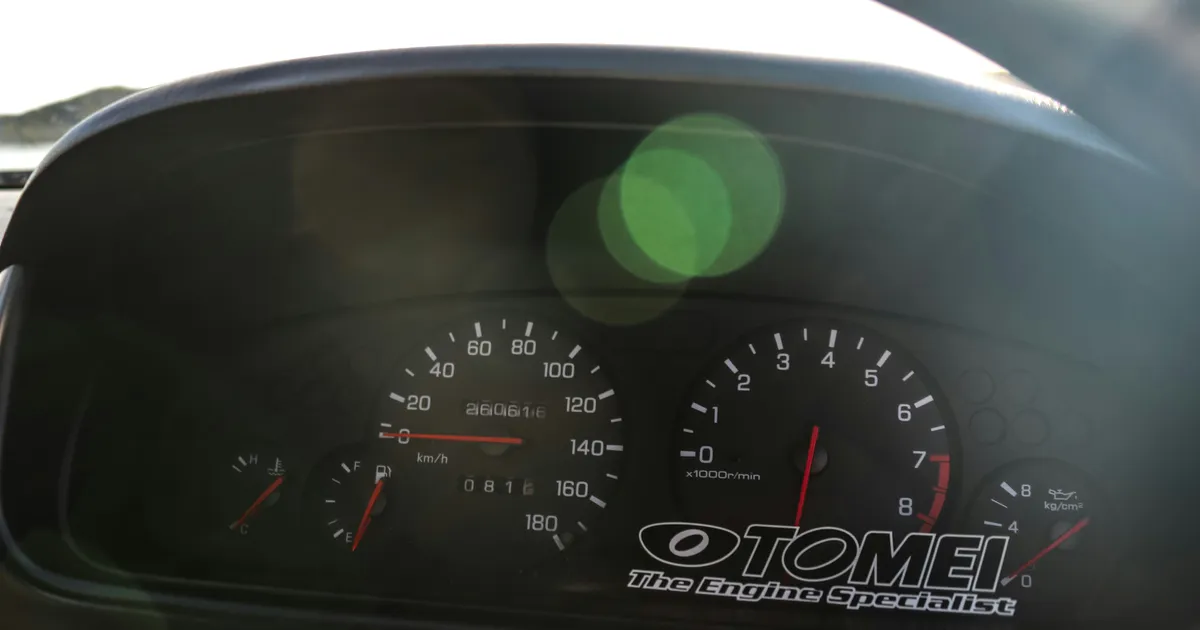
Learning how to assess vehicle interior wear to identify potential hidden odometer tampering is a critical skill for any prospective buyer in the 2026 pre-owned automotive market. While digital odometers are harder to roll back than mechanical ones, sophisticated software can still manipulate mileage data to artificially inflate a car’s resale value. Sellers may attempt to conceal the true history of a vehicle by cleaning or replacing high-touch components to make a high-mileage car appear gently used. By systematically evaluating the cabin, you can cross-reference physical aging signs against the digital readout. This forensic approach protects your investment and ensures the vehicle’s condition matches its reported usage, allowing you to walk away from fraudulent deals before finalizing any financial commitments.
The Driver Contact Points
The steering wheel, gear shifter, and ignition area serve as the primary indicators of a vehicle’s true life cycle. In a low-mileage car, the leather or synthetic material on the steering wheel should remain firm, with a consistent texture and minimal smoothing or peeling. If you notice significant wear, cracking, or a shiny, polished appearance on the wheel, this often contradicts a low odometer reading. Modern materials are engineered to withstand years of use, but they eventually degrade under the friction of constant contact. Professional detailers often attempt to re-dye these surfaces, so inspect the stitching closely for signs of overspray or unnatural color uniformity that suggests a recent cosmetic cover-up.
The gear shift lever and ignition switch are equally telling. A heavily worn gear selector knob with faded markings or loose movement suggests a vehicle that has spent significant time in stop-and-go traffic or long-term service. Furthermore, check the ignition area for deep scratches or worn plastic around the key slot. If the vehicle uses a start button, observe the wear patterns on the rubberized coating; excessive thinning or exposed base plastic is a red flag. For further guidance on vehicle history verification, consult the National Highway Traffic Safety Administration to understand common fraud tactics used by predatory sellers in 2026.
Upholstery and Seating Integrity
Vehicle seat wear provides a chronological map of a car’s usage that is difficult for dishonest sellers to replicate perfectly. Pay close attention to the driver’s side bolster, as this is the first area to show sagging, compression, or fabric thinning when a driver repeatedly enters and exits the vehicle. If the upholstery appears brand new while the seat frame feels loose or squeaky, you may be looking at a replacement seat sourced from a salvage yard. Genuine low-mileage seats should maintain their original firmness and structural integrity, with no significant difference in the cushion density between the driver and passenger sides.
When inspecting leather seating, look for deep creases or cracking that extend beyond the surface finish. While leather conditioning can hide minor wear, it cannot fix structural stretching. Additionally, check the seat adjustment controls for functional smoothness. Mechanical wear in the seat tracks or motor noises during adjustment can imply a much higher cycle count than the dashboard indicates. If the seat leather looks overly glossy, it may have been treated with heavy-duty silicone dressings intended to mask deep-seated wear patterns. Comparing the passenger seat to the driver seat is a standard technique; if the discrepancy is extreme, ask for documentation regarding any interior repairs or replacements.
Floor Mats and Pedal Pads
The floor mat and pedal assembly are often overlooked by scammers, yet they offer some of the most reliable data regarding a car’s actual mileage. A vehicle with low mileage should feature pedals with crisp, defined rubber ridges. If the brake or accelerator pedal pads are worn smooth or show uneven wear, the vehicle has likely traveled significantly further than stated. Be wary of brand-new pedal covers on an older car, as these are often installed to hide advanced degradation. Inspect the floor carpet beneath the pedals for thinning or holes; if the carpet is worn through, the vehicle has clearly seen years of heavy use.
Evaluating Mat Wear Patterns
Floor mats are easily replaced, but the underlying carpet reveals the truth. Remove the floor mats and inspect the carpet for matted textures, stains, or color fading. If the driver-side carpet is significantly more compressed than the passenger side, the vehicle has accumulated substantial road time. Sellers often buy generic aftermarket mats to cover up worn-out carpets, so do not be fooled by a clean set of floor mats alone. Always lift them to inspect the floor pan and carpet condition underneath, as this is a common area for masking high-mileage signs.
Dashboard and Button Texture
Plastic surfaces inside a vehicle undergo a predictable aging process that is difficult to reverse. Observe the buttons on the center console, climate control unit, and window switches. The icons and labels on these buttons should be sharp and clear; if they are blurry, faded, or show missing paint, the vehicle has likely seen extensive use. In 2026, many luxury vehicles feature high-quality soft-touch coatings that eventually peel or become tacky. If these surfaces look suspiciously pristine or have been stripped of their original coating, it suggests a recent attempt to make the cabin look factory-fresh to deceive potential buyers.
Check the dashboard for warping or inconsistent fitment, which can occur due to long-term sun exposure and thermal cycling. A vehicle that has spent a lifetime in the sun will often have brittle plastic components and a slightly faded dash color. Compare the texture of the dashboard to the glove box door; they should exhibit similar signs of aging. If the steering column plastic looks new while the dash shows signs of heat damage, the vehicle may have been subject to a partial interior swap. Trust your instincts—if the interior condition feels mismatched with the supposed low mileage, document these findings for your records.
Comparing Wear Indicators
Utilizing a structured comparison table can help you determine if the wear is consistent with the odometer reading. Use this guide when performing your physical inspection.
| Component | Low Mileage Expectation | High Mileage Indicators |
|---|---|---|
| Brake/Gas Pedals | Defined, crisp rubber ridges | Smooth surface, worn edges |
| Driver Seat Bolster | Firm, original upholstery | Sagging, worn fabric/leather |
| Steering Wheel | Matte finish, tight stitching | Shiny, peeling, loose threads |
| Window Switches | Sharp icons, clicky feedback | Faded paint, loose movement |
By filling out a mental or physical checklist based on these categories, you can identify discrepancies that warrant further investigation. If you find more than two items that suggest high mileage, proceed with extreme caution or request an official vehicle history report from services like Carfax. These reports provide a digital paper trail that can confirm if the odometer has been reported as tampered with in previous service logs. Never rely on the dashboard readout alone when purchasing a vehicle, as physical evidence provides the most reliable timeline of a car’s mechanical history.
Key Takeaways
- Always inspect the driver’s seat bolster for signs of compression or sagging.
- Check the brake and accelerator pedals for smoothed rubber ridges.
- Verify that the wear on the steering wheel matches the reported odometer reading.
- Lift floor mats to inspect the underlying carpet for thinning and matting.
- Compare the condition of the driver side to the passenger side for discrepancies.
- Use professional vehicle history reports to cross-reference mileage entries.
Frequently Asked Questions
Can digital odometers be tampered with?
Yes, modern digital odometers can be manipulated using specialized diagnostic software, making it easier for fraudulent sellers to hide the true mileage of a vehicle.
Why should I check under the floor mats?
Floor mats are easily replaced, but the carpet underneath reveals the actual wear and tear accumulated over the life of the vehicle, which is harder to fake.
What if the interior looks too perfect?
An interior that looks brand new on a vehicle several years old may indicate that the seller has replaced high-wear components to hide the vehicle’s true age.
Are pedal pads reliable indicators?
Pedal pads are excellent indicators because they are frequently neglected during cosmetic cleanings, often showing smooth wear even when the rest of the car looks clean.
How do I confirm mileage history?
You should cross-reference the physical wear signs with official vehicle history reports and service records provided by the manufacturer or professional maintenance shops.
Conclusion
Assessing vehicle interior wear is a vital investigative step that empowers buyers to identify odometer tampering before they finalize a purchase in 2026. By carefully inspecting high-touch areas like steering wheels, pedals, and seat bolsters, you gain an accurate understanding of a car’s true service life that a digital readout cannot fully convey. Combining these physical observations with official history reports ensures you are making an informed financial decision. Maintain a critical eye, trust your observations regarding material degradation, and always prioritize transparency to ensure you are getting exactly what you are paying for in the pre-owned market.