


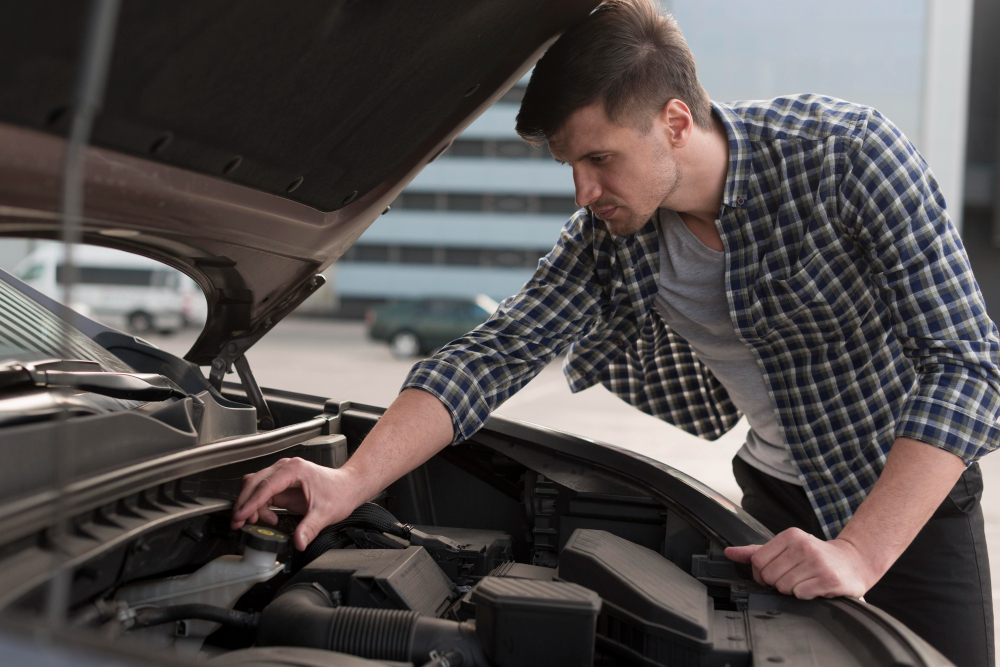
Learning how to properly flush and replace your car’s cooling system for engine longevity is one of the most vital maintenance tasks a vehicle owner can perform. Over time, the chemical inhibitors within your engine coolant break down, leading to increased acidity, rust, and scale buildup that can compromise your radiator, water pump, and heater core. By proactively managing this fluid exchange, you prevent the catastrophic overheating that frequently results in blown head gaskets or warped cylinder heads. As we move into 2026, modern cooling systems are more complex than ever, often utilizing specialized organic acid technology (OAT) formulations that demand strict adherence to manufacturer specifications. Consistent maintenance ensures that your engine operates at optimal thermal efficiency, ultimately extending the lifespan of your vehicle and saving you from expensive, premature mechanical repairs.
Understanding Cooling System Chemistry
The cooling system serves as the lifeblood of your engine, regulating temperatures to ensure combustion remains efficient and internal components do not weld themselves together. Modern coolants are sophisticated chemical cocktails designed to balance heat transfer, lubrication for the water pump, and corrosion protection for metals like aluminum, iron, and copper. When you neglect a flush, these additives deplete, leaving your cooling system vulnerable to cavitation and galvanic corrosion, which can eat through gaskets and cooling fins from the inside out. Understanding the specific type of coolant required for your engine is not optional; using the wrong chemistry can cause immediate gelling, which clogs narrow passages and destroys the entire system.
As we navigate automotive trends in 2026, many manufacturers have moved toward hybrid-OAT or proprietary long-life formulas that claim to last for over 100,000 miles. However, professional mechanics often suggest that these intervals are overly optimistic, especially for vehicles subjected to stop-and-go traffic or extreme temperature fluctuations. Performing a flush every 30,000 to 50,000 miles effectively removes particulate matter and acidic contaminants that standard drain-and-fill procedures often miss. By maintaining a clean system, you ensure that the heat transfer surfaces remain pristine, allowing the coolant to do its job without being insulated by layers of debris or mineral deposits that accumulate over years of operation.
Preparation and Safety Protocols
Before beginning the process of flushing your cooling system, safety must be your absolute priority. Never attempt to open the radiator cap or reservoir while the engine is hot, as the system is under high pressure and can cause severe thermal burns. Always allow the vehicle to sit for at least two hours until the engine block is cool to the touch. Ensure you have the necessary tools on hand, including a high-quality drain pan, a set of pliers for hose clamps, a funnel, and the correct specification of distilled water and coolant. Working on a level surface is essential to ensure that you can effectively drain the old fluid from the lowest point in the cooling loop.
Environmental responsibility is equally important when handling automotive chemicals. Spent coolant, often called antifreeze, is highly toxic to pets and wildlife due to its sweet taste and chemical composition. Always collect the old fluid in a secure, sealable container and transport it to a local hazardous waste collection center or an automotive parts store that offers recycling services. Check the official Environmental Protection Agency guidelines regarding the disposal of hazardous automotive fluids in your specific region. By following these rigorous safety and environmental standards, you protect both your personal well-being and the local ecosystem while performing professional-grade maintenance that keeps your vehicle running reliably for years to come.
Executing the System Flush
Once the engine is cool, locate the radiator drain plug, which is typically found at the bottom corner of the radiator assembly. Place your drain pan directly underneath and slowly loosen the valve to allow the old, contaminated coolant to evacuate completely. If your radiator lacks a dedicated drain plug, you may need to carefully remove the lower radiator hose, though this can be significantly messier. Once the initial flow stops, replace the plug or hose and fill the system with a dedicated cooling system flush agent mixed with water. This chemical cleaner is designed to break down sludge and mineral deposits that cling to the internal walls of the radiator and engine block.
Refining the Cleaning Process
To ensure a thorough cleaning, run the engine with the heater set to its maximum temperature for roughly ten to fifteen minutes. This allows the cleaning agent to circulate through the heater core, which is often a trap for debris. After the cycle is complete and the engine has cooled down again, drain the cleaning mixture. Repeat the process using only distilled water until the fluid draining from the radiator runs completely clear. Using tap water is strongly discouraged because the minerals in municipal water supplies can accelerate scale formation, effectively defeating the purpose of the flush. Thorough rinsing is the secret to a high-quality job that ensures the fresh coolant operates at peak performance.
Selecting the Correct Coolant
Choosing the right coolant is a critical decision that dictates the long-term health of your engine. Your owner’s manual will specify whether your vehicle requires Inorganic Additive Technology (IAT), Organic Acid Technology (OAT), or Hybrid Organic Acid Technology (HOAT). These are not interchangeable; mixing incompatible types can result in a chemical reaction that creates a sludge-like substance, potentially clogging your radiator and causing the engine to overheat. For a deeper dive into fluid specifications, consult technical resources like SAE International to understand how different chemical bases interact with engine materials. Always prioritize the manufacturer’s recommendations over generic “all-makes, all-models” fluids found on store shelves.
In addition to the chemical base, you must decide between pre-diluted 50/50 mixtures and concentrated formulas. Pre-diluted options are convenient and ensure that the water-to-coolant ratio is perfectly balanced, but they are generally more expensive per gallon. Concentrated coolants allow you to tailor the mixture to your specific climate, which is beneficial if you reside in regions with extreme sub-zero temperatures. Regardless of your choice, always mix concentrates with distilled water to prevent mineral contamination. By being selective and precise with your coolant purchase, you eliminate the risk of chemical breakdown and provide your cooling system with the exact protection it was engineered to receive throughout its functional life.
Bleeding the Cooling System
The final and most overlooked step in the flush process is bleeding the air from the cooling system. Air pockets trapped within the engine block or heater core can cause erratic temperature readings, poor cabin heat, and severe localized overheating. To bleed the system, leave the radiator cap or reservoir lid open while the engine idles. As the thermostat opens and the coolant circulates, you will likely see air bubbles rising to the surface. Top off the fluid as the level drops, ensuring that the cooling system remains full at all times. Some modern vehicles feature specific bleeder screws on the engine block or upper hoses that must be opened to release trapped air.
Monitoring the temperature gauge during this process is essential to ensure that the engine remains within its normal operating range. If the temperature begins to climb rapidly, turn the engine off immediately and allow it to cool, as this is a sign that a large air bubble is preventing proper circulation. Once the engine has reached operating temperature and no more bubbles are escaping, secure the cap and take the vehicle for a short test drive. After the engine cools down once more, check the reservoir levels and top off if necessary. This meticulous approach to air removal is what separates a novice repair from a professional-grade maintenance procedure that guarantees future engine longevity.
Comparison of Cooling System Maintenance
| Maintenance Type | Frequency | Effectiveness | Risk Level |
|---|---|---|---|
| Drain and Fill | Every 2 years | Low (Old fluid remains) | Low |
| Professional Flush | Every 4-5 years | High (Removes sludge) | Moderate |
| DIY Chemical Flush | Every 3-4 years | Very High | Moderate |
| No Maintenance | Never | None | Critical (Engine Failure) |
Key Takeaways
- Always prioritize the manufacturer’s coolant specification to avoid chemical incompatibility.
- Use only distilled water during the flushing process to prevent mineral scale buildup.
- Safety first: never open a pressurized cooling system while the engine is hot.
- Thoroughly bleed trapped air to prevent localized overheating and engine damage.
- Dispose of old coolant at certified recycling centers to protect the environment.
- Regular flushing extends the lifespan of the radiator, water pump, and heater core.
Frequently Asked Questions
Can I mix different colors of coolant?
No, you should never mix different colors of coolant unless the product explicitly states it is compatible with all types. Colors often indicate different chemical bases, and mixing them can cause fluid coagulation.
How often should I flush my system in 2026?
While some manufacturers claim “lifetime” fluid, most experts recommend a comprehensive flush every 30,000 to 50,000 miles to ensure optimal engine longevity.
What happens if I use tap water?
Tap water contains minerals like calcium and magnesium that can lead to internal corrosion and scale deposits, which eventually restrict flow and reduce cooling efficiency.
Why is my heater not blowing hot air after a flush?
This is usually caused by an air pocket trapped in the heater core. You may need to repeat the bleeding procedure or check if the heater control valve is functioning correctly.
Is a chemical flush safe for older engines?
It is generally safe, but if the cooling system is heavily corroded, a harsh cleaner might reveal leaks by removing the deposits currently plugging small pinholes in the radiator.
Conclusion
Mastering the process of flushing and replacing your cooling system is a hallmark of a responsible vehicle owner dedicated to engine longevity. By proactively managing the chemical integrity of your coolant, you mitigate the risks of corrosion, cavitation, and overheating that inevitably plague neglected engines. As we look toward the automotive standards of 2026, the complexity of these systems necessitates a disciplined, informed approach to maintenance. By following these professional guidelines, you ensure that your vehicle remains efficient, reliable, and capable of performing at its best for many miles to come, ultimately protecting your investment and ensuring a smoother driving experience.