


Learning how to inspect and clean mass airflow sensors is a fundamental skill for any automotive enthusiast looking to maintain optimal engine performance and fuel efficiency in 2026. The mass airflow (MAF) sensor serves as the primary gateway for your engine control unit (ECU), measuring the density and volume of air entering the combustion chamber to calibrate the ideal air-fuel mixture. Over time, these delicate electronic components can accumulate dirt, oil vapors, and debris, leading to inaccurate readings that manifest as rough idling, sluggish acceleration, or decreased gas mileage. By performing a routine inspection and cleaning, you can avoid the high costs of unnecessary part replacements while ensuring your vehicle operates at peak efficiency for many thousands of miles.
The Function of the MAF Sensor
The mass airflow sensor is a critical component of your vehicle’s intake system, typically located between the air filter box and the intake manifold. By utilizing a heated thin-film or hot-wire element, the sensor determines the mass of incoming air based on the current required to keep the wire at a constant temperature. As air flows over the wire, it cools, and the ECU monitors the change in electrical resistance to calculate the precise fuel injection timing. Without accurate data from this sensor, the engine management system defaults to a pre-programmed “limp mode,” which severely compromises performance and often triggers a check engine light on your dashboard.
In modern 2026 vehicle architectures, the precision of these sensors has increased significantly to meet stringent emission standards. Because the sensor relies on thermal conductivity, even a microscopic layer of dust or oil residue acts as an insulator, preventing the sensor from cooling correctly. This thermal interference forces the ECU to miscalculate the air density, resulting in a rich or lean fuel mixture. A lean mixture can cause engine knocking and potential internal damage, while a rich mixture leads to excessive fuel consumption and carbon buildup on spark plugs and oxygen sensors. Regular maintenance of this delicate sensor is therefore essential for long-term engine health.
Signs Your Sensor Needs Cleaning
Identifying when your MAF sensor requires attention is relatively straightforward if you know what symptoms to monitor. The most common indicator is a persistent check engine light (CEL) accompanied by diagnostic trouble codes related to the system being too rich or too lean. Drivers may also notice a significant drop in fuel economy, as the ECU compensates for faulty data by dumping more fuel into the cylinders than necessary. If your vehicle feels sluggish during acceleration or exhibits an erratic, surging idle, the sensor is likely contaminated with debris or oil blow-by from the PCV system.
Beyond performance issues, you might experience difficulty starting the engine or stalling when coming to a stop. These symptoms often worsen in cold weather or during high-load conditions, such as climbing steep inclines or towing heavy trailers. It is important to remember that these symptoms can also mimic other issues, such as a vacuum leak or a failing fuel pump. Therefore, a physical inspection is necessary before assuming the sensor is the sole culprit. Consulting resources like the Society of Automotive Engineers can provide further technical context on how intake sensors interact with modern engine management protocols to maintain emissions compliance.
Safe Inspection Procedures
Before beginning the inspection, ensure the engine is completely cool to prevent burns and to protect the sensitive electronics from thermal shock. Locate the MAF sensor housing, usually secured by a plastic or metal clamp on the intake ducting. Carefully disconnect the electrical harness by pressing the locking tab; avoid pulling on the wires themselves, as they are often brittle in older vehicles. Once disconnected, unscrew the housing from the intake tube or remove the sensor element if your vehicle utilizes a cartridge-style design. Always handle the unit with extreme care, as the internal wires are incredibly fragile and can snap if touched.
While the unit is removed, visually inspect the sensing elements for visible contaminants such as oil film, carbon soot, or debris. You may need a flashlight to properly illuminate the interior of the sensor housing. If you see a dark, oily sheen or large particles of dirt, cleaning is definitely required. Check the rubber O-ring or gasket for signs of cracking or hardening, as a leaking seal can bypass the air filter and introduce unfiltered air directly to the sensor, causing recurring contamination issues. If the seal is compromised, it must be replaced immediately to prevent further damage to the sensitive internal components.
Comparison of Cleaning Methods
| Method | Effectiveness | Risk Level | Recommendation |
|---|---|---|---|
| Specialized MAF Cleaner | High | Low | Use every 20k miles |
| Carburetor Cleaner | Moderate | High | Avoid entirely |
| Compressed Air | Low | Medium | Use only if low pressure |
| Mechanical Scrubbing | None | Critical | Never perform |
Cleaning the Sensor Properly
To clean the sensor effectively, you must use a dedicated mass airflow sensor cleaner spray, which is designed to evaporate completely without leaving any residue behind. Never substitute this with carburetor or brake cleaner, as the harsh solvents in those products can dissolve the protective coating on the sensor wire or damage the plastic housing. Hold the aerosol can several inches away from the sensor element and use short, controlled bursts to spray the cleaner directly onto the hot wire or thin-film plate. Allow the solvent to run off, effectively washing away the accumulated oil and dirt particles.
After the cleaning process, let the sensor air dry completely for at least 30 to 60 minutes. Reinstalling a sensor that is still damp with solvent can cause electrical shorts or inaccurate readings once the engine is started. Ensure the sensor is oriented correctly during reinstallation, as most units are directional and have specific airflow markers stamped on the housing. Once the sensor is secured and the electrical connector is firmly snapped back into place, reset the ECU by disconnecting the negative battery terminal for a few minutes or by using an OBD-II scanner to clear any existing trouble codes.
Common Mistakes to Avoid
One of the most frequent errors made by DIY mechanics is attempting to physically wipe the sensor wire with a cotton swab or cloth. The sensor element is often thinner than a human hair and extremely sensitive; even the slightest physical pressure can break the wire, rendering the entire unit non-functional. If you suspect the sensor is still dirty after a thorough chemical cleaning, do not attempt to scrub it. It is far safer and more cost-effective to replace the unit than to attempt a repair that could lead to a permanent failure of the engine management system.
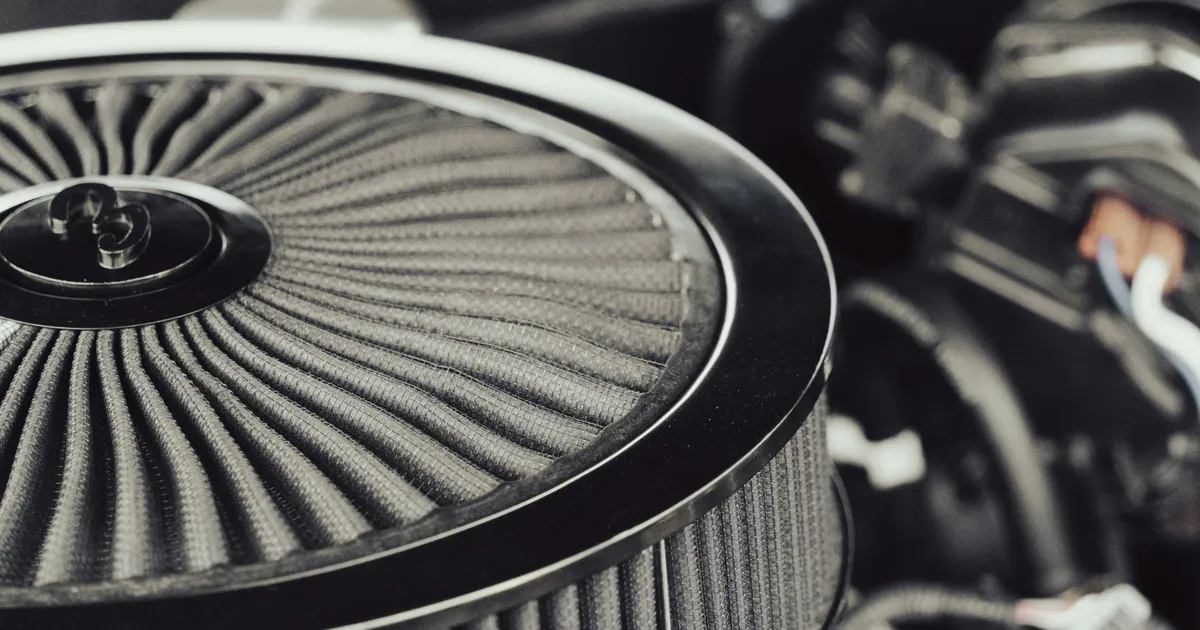
Another common mistake involves over-oiling aftermarket performance air filters. Many high-flow intake systems require a light coating of oil, but applying too much allows the oil to migrate into the intake stream, where it coats the MAF sensor wires. If you use a reusable filter, ensure you follow the manufacturer’s instructions for oiling precisely and allow it to dry for the full recommended time before installation. By controlling the amount of oil in your intake, you can extend the service interval of your MAF sensor significantly, ensuring your vehicle remains reliable throughout the 2026 model year and beyond.
When to Replace the Sensor
If you have performed a thorough cleaning and the check engine light persists, or if the engine symptoms do not improve, it is likely that the internal electronics have failed. Over time, the internal circuitry of the sensor can degrade due to heat cycling and vibration, leading to a permanent fault that no amount of cleaning can rectify. You can utilize a digital multimeter to test the voltage output of the sensor while the engine is running to confirm if it is operating within the manufacturer’s specified range. Resources from NHTSA provide guidelines on when failing sensors might impact safety-critical systems.
When purchasing a replacement, always opt for a high-quality OEM or reputable aftermarket unit. Cheap, unbranded sensors found on auction sites often lack the calibration precision required for modern engines, leading to poor performance even when new. A genuine sensor will ensure your vehicle meets its designed fuel economy and power output targets. Once installed, the ECU will typically perform a self-calibration, but you should still use an OBD-II scanner to clear any residual codes from the previous unit. This ensures the engine management system begins fresh with accurate data, allowing for optimal fuel trim adjustments.
Key Takeaways
- Always use dedicated MAF sensor cleaner to avoid damaging sensitive components.
- Never physically touch or wipe the delicate internal wires of the sensor.
- Allow the sensor to dry completely before starting the engine after cleaning.
- Over-oiled aftermarket air filters are a leading cause of premature sensor failure.
- Reset your ECU after cleaning or replacing the sensor to clear error codes.
- If symptoms persist after cleaning, the sensor likely requires full replacement.
Frequently Asked Questions
Can I use brake cleaner on my MAF sensor?
No, you should never use brake cleaner or carburetor cleaner on a mass airflow sensor. These products contain harsh solvents that can strip the protective coating off the sensor wires and damage the plastic housing, leading to permanent sensor failure.
How often should I clean the MAF sensor?
It is generally recommended to inspect and clean your MAF sensor every 20,000 to 30,000 miles, or whenever you perform a major air filter service. If you live in a dusty environment, you may want to check it more frequently.
Will cleaning the sensor fix a check engine light?
Cleaning the sensor will fix the check engine light if the cause was purely due to contamination or dirt buildup. If the sensor has suffered internal electrical failure, cleaning will not resolve the issue, and the part must be replaced.
Do I need to disconnect the battery?
While not strictly necessary for the cleaning process, disconnecting the negative battery terminal is a best practice. It helps reset the ECU’s fuel trim data and ensures the computer recognizes the “clean” sensor readings immediately upon startup.
Is it difficult to remove the MAF sensor?
In most vehicles, removing the sensor is a simple task that requires only a screwdriver or a socket wrench. However, always consult your owner’s manual or a repair guide for your specific vehicle model to locate the sensor and ensure you do not break any plastic clips.
Conclusion
Maintaining a clean mass airflow sensor is a simple yet high-impact maintenance task that preserves the longevity and performance of your vehicle. By routinely inspecting this component and using the correct cleaning methods, you ensure that your engine receives accurate data for precise fuel delivery. As we navigate the technical demands of 2026, keeping your intake system free of contaminants remains one of the most effective ways to optimize fuel economy and prevent costly repairs. Invest a small amount of time in this process, and your engine will reward you with smoother operation and improved reliability.