


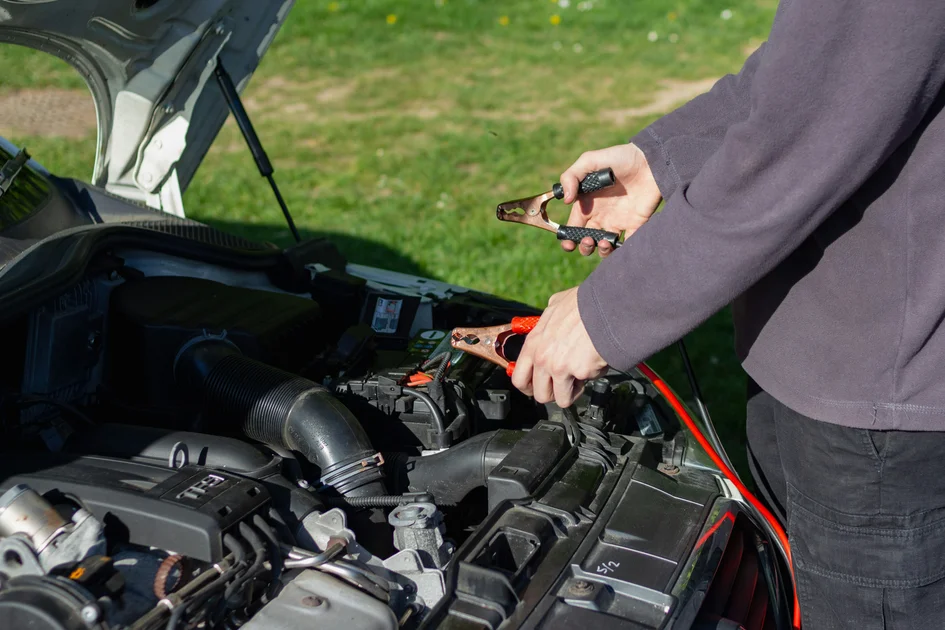
Understanding the common causes of car battery drain is akin to acknowledging the silent fragility of our modern mobility. In 2026, as our vehicles evolve into sophisticated networks of interconnected sensors and digital interfaces, the humble lead-acid or lithium-ion battery remains the singular heartbeat upon which every journey depends. When that pulse falters, we are not merely inconvenienced; we are untethered from the rhythm of our daily lives. To contemplate the reasons behind this depletion is to engage with the relationship between human reliance on technology and the physical limitations of energy storage. Whether through the oversight of an illuminated cabin light or the creeping erosion of parasitic draws in an aging electrical system, the failure of a battery serves as a poignant reminder that even the most complex machines require consistent, humble maintenance to remain viable in an unpredictable world.
The Persistence of Parasitic Draw
Parasitic drain represents the hidden thief of automotive energy, operating in the shadows long after the ignition has been extinguished. In the landscape of 2026, modern vehicles are equipped with an array of convenience features, from security systems to keyless entry modules, all of which demand a constant, albeit minuscule, supply of power. When these systems malfunction or fail to enter a low-power sleep mode, they begin to siphon energy at a rate that far exceeds the intended design parameters. This phenomenon often manifests as a vehicle that refuses to start after a weekend of inactivity, leaving the driver to grapple with the mystery of an invisible expenditure that slowly hollows out the battery’s capacity.
Addressing this issue requires a methodical approach, often involving the use of a multimeter to measure the amperage flowing through the battery terminals while the car is at rest. By systematically pulling fuses, one can isolate the specific circuit responsible for the excessive draw, effectively unmasking the culprit behind the depletion. This process is not merely a mechanical task but a meditative exercise in troubleshooting, requiring patience and a deep respect for the interconnectedness of the vehicle’s electrical architecture. By identifying and rectifying these parasitic leaks, we preserve the integrity of our travel vessels and ensure that the energy stored within remains ready for the demands of the road.
Human Error and Negligence

The most frequent contributors to battery failure are often the most mundane, rooted deeply in the fallibility of human habit. Leaving headlights on, failing to fully close a trunk, or neglecting an interior dome light are classic oversights that have persisted since the dawn of the automobile. Even with modern sensors and automatic shut-off systems, which have become standard in 2026, the potential for human error remains ever-present. These incidents remind us that even the most automated systems are still subject to the consequences of our occasional lapses in focus and situational awareness.
Beyond simple oversight, there is the matter of short-trip driving, which prevents the alternator from adequately recharging the battery. When we treat our cars as tools for brief, frequent bursts of movement, we deny the battery the time it needs to recover its chemical potential. This cumulative deficit eventually results in a state of chronic under-charging, leading to sulfation—a process where lead sulfate crystals harden on the battery plates, permanently reducing capacity. To combat this, one must cultivate a habit of longer, sustained drives or consider the use of intelligent battery maintainers, which act as a tether to a reliable energy source, ensuring the battery remains in a state of optimal readiness.
Environmental Factors and Temperature
The climate of 2026, with its fluctuating extremes, places a heavy burden on the electrochemical processes within a battery. Contrary to popular belief, it is often the intense heat of summer that initiates the damage, accelerating internal corrosion and causing the fluid within the battery to evaporate. This silent degradation often goes unnoticed until the arrival of the first cold snap, which demands a surge of current that the weakened battery can no longer provide. The physics of cold weather slows down the internal chemical reaction, effectively handicapping the battery at the very moment it is tasked with the most strenuous work of turning over a cold engine.
Understanding this duality is crucial for any conscientious vehicle owner. Protecting a battery from extreme thermal swings requires proactive care, such as utilizing insulated battery blankets in colder climates or ensuring that the battery mounting remains secure to prevent vibration-induced internal damage. By acknowledging how the external environment dictates the internal health of our machinery, we shift our perspective from passive users to active stewards of our vehicles. This awareness fosters a deeper connection to the physical reality of the machines we rely upon, encouraging us to anticipate environmental impacts before they manifest as a total system failure on a winter morning.
Pros and Cons Analysis
Evaluating the methods to mitigate battery drain involves a balanced assessment of various interventions and technologies. The primary benefit of using a high-quality battery maintainer is the extension of the battery’s lifespan, which provides both economic and ecological value by reducing the frequency of replacements. However, the drawback lies in the requirement for a stable power outlet near the vehicle, which is not always feasible for those living in dense urban apartments or relying on street parking. The trade-off is between the convenience of current, short-term usage and the long-term investment in vehicle longevity.
Furthermore, upgrading to an Absorbed Glass Mat (AGM) or Lithium-Ion battery offers significantly better resistance to deep discharge and faster recovery times, yet these options come with a higher initial financial outlay. While the performance gains are substantial for modern vehicles with high electrical loads, the necessity of such an upgrade must be weighed against the actual usage patterns of the owner. A professional assessment of one’s driving habits and vehicle requirements is essential to determine whether the cost of advanced technology is justified by the tangible benefits in reliability and performance.
Comparison Table / Specifications Table
| Feature | Standard Lead-Acid | AGM Battery | Lithium-Ion |
|---|---|---|---|
| Lifespan | 3-4 Years | 5-7 Years | 8-10+ Years |
| Deep Discharge Tolerance | Low | High | Very High |
| Weight | Heavy | Moderate | Lightweight |
| Cost | Budget Friendly | Mid-Range | Premium |
| Maintenance | High | Low | Negligible |
| Environmental Impact | High Recycling Rate | High Recycling Rate | Requires Specialized Disposal |
The Role of Alternator Health
The alternator is the unsung hero of the automotive electrical ecosystem, responsible for converting mechanical energy into the electrical current that powers the vehicle and replenishes the battery. In 2026, as vehicle electronics become increasingly power-hungry, the health of the alternator is more critical than ever. A failing voltage regulator or a worn-out belt can lead to insufficient charging, which creates the illusion of a faulty battery when the true culprit is the source of the power itself. Recognizing the signs of a failing alternator—such as flickering lights or dimming dashboard displays—is vital to maintaining a balanced system.
To ensure the longevity of both the alternator and the battery, regular inspections of the charging system are recommended. This includes checking the tension of the serpentine belt and verifying that the voltage output remains within the manufacturer’s specified range during operation. By treating the charging system as an integrated whole rather than a collection of separate components, we can preemptively address issues before they lead to strandings. This holistic view acknowledges that energy in an automobile is a fluid, dynamic process that requires constant oversight and a commitment to professional maintenance standards.
Key Takeaways
- Regularly inspect battery terminals for corrosion to ensure proper electrical connectivity and prevent resistance.
- Utilize a smart battery maintainer during periods of extended storage to prevent chronic deep discharge.
- Always turn off internal lights and accessories before exiting the vehicle to avoid unnecessary drain.
- Monitor the alternator’s performance as part of routine maintenance to ensure the battery receives a full charge.
- Consider upgrading to an AGM battery if the vehicle features advanced electronic systems or is used for short trips.
- Practice consistent, long-distance driving to allow the alternator to fully replenish the battery’s chemical capacity.
Frequently Asked Questions
How do I know if my battery is dead or if it’s the alternator?
If the vehicle starts with a jump but dies shortly after, the alternator is likely failing to provide power. If the car won’t start even with a jump, the battery is likely at the end of its life.
Can a cold climate actually kill a car battery?
Yes, cold weather slows down the chemical reaction inside the battery and increases the viscosity of engine oil, making the engine harder to turn over and straining the battery.
How often should I replace my car battery?
In 2026, most standard batteries last between 3 and 5 years, depending on climate, driving habits, and the type of battery installed in the vehicle.
Does leaving a phone charger plugged in drain the battery?
While the draw is minimal, leaving accessories plugged into an “always-on” 12V outlet can slowly drain a battery, especially if the vehicle remains parked for several weeks.
What is the best way to clean battery terminals?
A mixture of baking soda and water, applied with a wire brush, effectively neutralizes and removes acidic corrosion buildup, ensuring a solid connection for the electrical system.
Conclusion
In the final analysis, the health of our vehicle’s battery is a reflection of our own diligence and awareness. By understanding the common causes of drain—from the subtle creep of parasitic loads to the environmental pressures of 2026—we empower ourselves to take control of our mobility. Maintenance is not merely a chore; it is an act of respect for the engineering that carries us through the world. Through consistent observation and proactive care, we can ensure that our journeys remain uninterrupted, allowing us to focus on the road ahead rather than the silence of a failed ignition.