


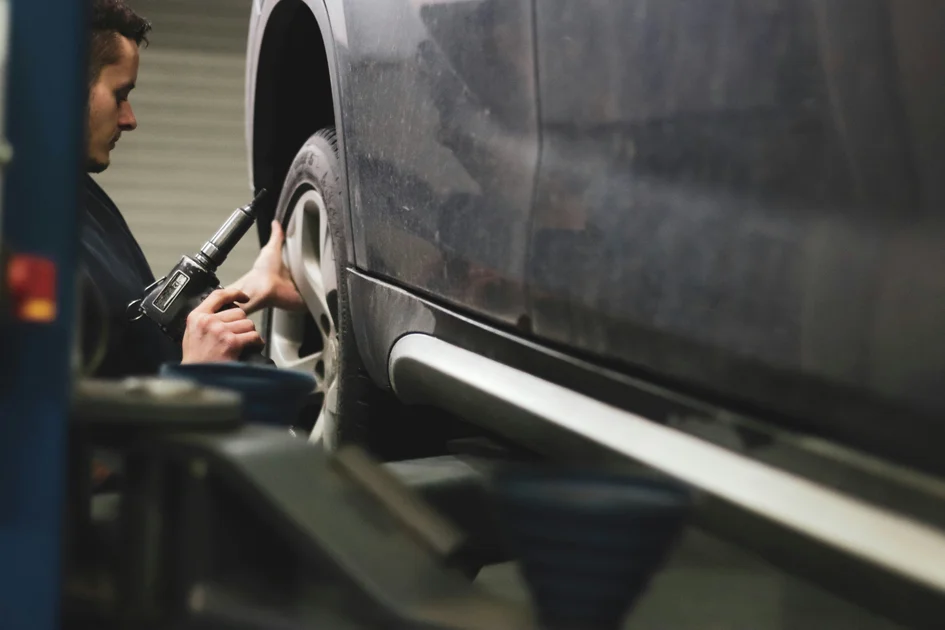
Performing a DIY vehicle inspection checklist before long trips is not merely a chore of maintenance; it is an act of existential stewardship. As we navigate the expansive highways of 2026, our machines serve as extensions of our own mobility, bridging the gap between the familiar safety of home and the unpredictable vastness of the horizon. By meticulously examining the mechanical pulse of your car, you engage in a dialogue with engineering, acknowledging that the journey ahead is fragile and contingent upon the integrity of hidden components. This preparatory ritual transforms the traveler from a passive passenger into an active guardian, ensuring that the rhythm of your travels remains uninterrupted by the avoidable failures that often stem from simple neglect or overlooked warning signs.
The Philosophy of Mechanical Readiness
To inspect one’s vehicle is to honor the relationship between human intention and mechanical capacity. In 2026, vehicles are increasingly sophisticated, yet the fundamental physics of friction, heat, and structural fatigue remain constant. When you crouch to examine a tire’s tread or check the viscosity of oil, you are participating in a timeless tradition of survival and foresight. A thorough assessment demands patience, requiring the traveler to quiet their mind and focus on the tactile reality of bolts, fluids, and rubber. This meditative process reveals the truth about your vehicle’s condition, stripping away the illusion of invincibility that modern automotive technology often projects to the unsuspecting driver.
Preparation is the ultimate form of respect for the time you intend to spend on the road. By investing these hours before departure, you purchase a sense of serenity that cannot be bought at a service station mid-journey. Consider the check as a conversation with your future self, who will be miles away from the comforts of a familiar workshop. If you identify a thinning brake pad or a fraying belt today, you are essentially saving your future self from the anxiety of a roadside breakdown. This proactive stance turns the daunting prospect of mechanical failure into a manageable set of variables, allowing you to focus on the landscape rather than the dashboard warning lights.
Tires and the Grounding Connection
Your tires are the singular point of contact between your ambitions and the earth’s surface. Before embarking on a long journey in 2026, it is imperative to move beyond a casual glance and engage in a rigorous evaluation of structural integrity. Check the tire pressure against the manufacturer’s specification—never the number printed on the sidewall—to ensure optimal fuel efficiency and handling. Look for uneven wear patterns, which often whisper secrets about misaligned suspension or improper inflation cycles. A tire that is compromised is a potential catastrophe waiting for the right moment of speed and heat to manifest.
The Ritual of Tread Depth and Sidewall Integrity
Beyond pressure, one must assess the physical state of the rubber itself. Use a depth gauge to measure the tread, ensuring that you have sufficient grip for the unpredictable weather patterns of the upcoming season. Examine the sidewalls for bubbles, cracks, or embedded debris that could lead to a rapid loss of pressure. In the modern era, high-speed travel generates immense friction, making any pre-existing weakness in the tire carcass a significant liability. Remember that a tire is a complex composite of materials; treat it with the care that its vital role in your safety deserves.
Fluids as the Lifeblood of Motion
The internal combustion engine, or the cooling systems of modern electric vehicles, relies upon a delicate balance of fluids to mitigate the destructive forces of friction and heat. Checking these levels is akin to monitoring one’s own vitality. Start with the engine oil, observing both its level and its clarity; dark, gritty oil is a sign of neglect that threatens the long-term longevity of your internal components. Ensure that coolant levels are sufficient to manage the thermal loads of long-distance cruising, as overheating remains a primary cause of engine failure in remote environments.
Do not neglect the peripheral systems that govern your ability to stop and steer. Brake fluid and power steering fluid should be within their designated reservoirs, showing no signs of contamination or leakage. If you are operating a 2026 model, consult the official NHTSA guidelines for specific maintenance intervals related to your vehicle’s advanced braking systems. Fluid leaks are often the first outward manifestation of failing seals or hoses; catching these before they become catastrophic is the hallmark of a diligent traveler. By ensuring these systems are properly nourished, you provide your vehicle with the resilience required to endure the rigors of the open road.
Comparison Table / Specifications Table
| Component | Standard Check | Professional Inspection | Notes |
|---|---|---|---|
| Tires | Pressure & Tread Depth | Alignment & Balancing | Rotate every 6k miles |
| Engine Oil | Level & Color | Analysis & Filter Swap | Use synthetic in 2026 |
| Brakes | Pad Thickness | Rotor Runout & Fluid | Check for squealing |
| Battery | Terminal Cleanliness | Load Testing | Check voltage output |
| Coolant | Reservoir Level | Pressure System Test | Never open hot |
| Lights | Visual Verification | Beam Alignment | Check all indicators |
Pros and Cons Analysis
The DIY approach to vehicle inspection carries distinct advantages and inherent risks that must be weighed carefully. On the positive side, the primary benefit is the deep, intimate knowledge of your vehicle’s specific quirks and history. When you perform the work yourself, you eliminate the ambiguity often found in third-party service centers and gain the confidence that the job was completed with genuine care. Furthermore, it is a significant cost-saving measure that encourages self-reliance. The process of inspecting your own car fosters a sense of agency that is increasingly rare in our modern, automated world, grounding you in the physical mechanics of your transport.
Conversely, the potential drawbacks include the risk of human error or the lack of specialized diagnostic tools required for modern electronic systems. While a DIY enthusiast can handle basic fluid checks and tire inspections, they may lack the high-end scanners necessary to interpret complex ECU error codes that are common in 2026 vehicles. If you are not confident in your ability to perform a specific task, attempting it can lead to complications that may void warranties or result in improper reassembly. It is essential to recognize the boundary between routine maintenance and professional-grade repair, ensuring that your passion for self-sufficiency does not compromise the overall safety of the vehicle.
The Electrical and Safety Systems
In our current year of 2026, the complexity of vehicle electronics has expanded, making the state of your battery and lighting systems more critical than ever before. A modern battery does not just start the engine; it powers a suite of driver-assistance technologies that demand consistent voltage. Check the terminals for oxidation, which can create resistance and lead to intermittent failures in communication between sensors. Ensure that all exterior lights, including blinkers and brake lights, are functional; these are your primary tools for communication with other drivers. An unseen burnt-out bulb is a breakdown in the social contract of the highway.
Beyond the battery, consider the state of your windshield wipers and washer fluid. Visibility is the most fundamental aspect of safe travel, and the ability to clear debris or rain during a storm is non-negotiable. Inspect your wiper blades for streaks or tears; if they do not provide a clean sweep, replace them immediately. These small, inexpensive components are often the difference between a minor nuisance and a hazardous situation during a sudden downpour. By auditing these secondary systems, you finalize the preparation of your vehicle, creating a holistic shield of readiness that protects you throughout the duration of your long-distance endeavor.
Key Takeaways
- Perform a comprehensive pressure and tread check on all tires before any long-distance travel.
- Monitor all essential fluids, including oil, coolant, and brake fluid, to ensure optimal performance.
- Verify the integrity of all electrical systems, specifically the battery terminals and exterior lighting.
- Understand the limitations of DIY maintenance and consult professionals for complex diagnostic tasks.
- Maintain a log of all inspections to track the health of your vehicle throughout the 2026 calendar year.
- Prioritize safety by ensuring visibility components like wiper blades are in peak condition.
Frequently Asked Questions
How often should I perform a full vehicle inspection?
For long-distance travel, a full inspection should be conducted at least one week prior to departure to allow time for any necessary professional repairs.
Can I rely on modern sensors to alert me to issues?
While 2026 vehicles have advanced monitoring systems, they cannot detect physical wear or fluid leaks as effectively as a visual and tactile human inspection.
What is the most common cause of roadside breakdowns?
Tire failure and cooling system issues remain the leading causes of preventable roadside emergencies for travelers on major highways.
Should I check my tire pressure when the tires are hot?
Always check tire pressure when the tires are cold, as heat causes air to expand and can lead to inaccurate, inflated readings that mask low pressure.
Where can I find specific maintenance intervals for my car?
Always refer to your official owner’s manual or visit the manufacturer’s digital portal to find the service schedule tailored to your specific model year.
Conclusion
The act of preparing your vehicle for the road is a profound expression of respect for the journey itself. By conducting a DIY inspection, you move beyond the role of a mere consumer and become a conscious traveler, intimately acquainted with the machine that carries you through the world. In 2026, where the pace of life seems to accelerate, taking the time to pause and ensure the integrity of your car is an act of defiance against negligence. May your preparations grant you the peace of mind to enjoy every mile, knowing you have done your part to ensure a safe and successful passage.