


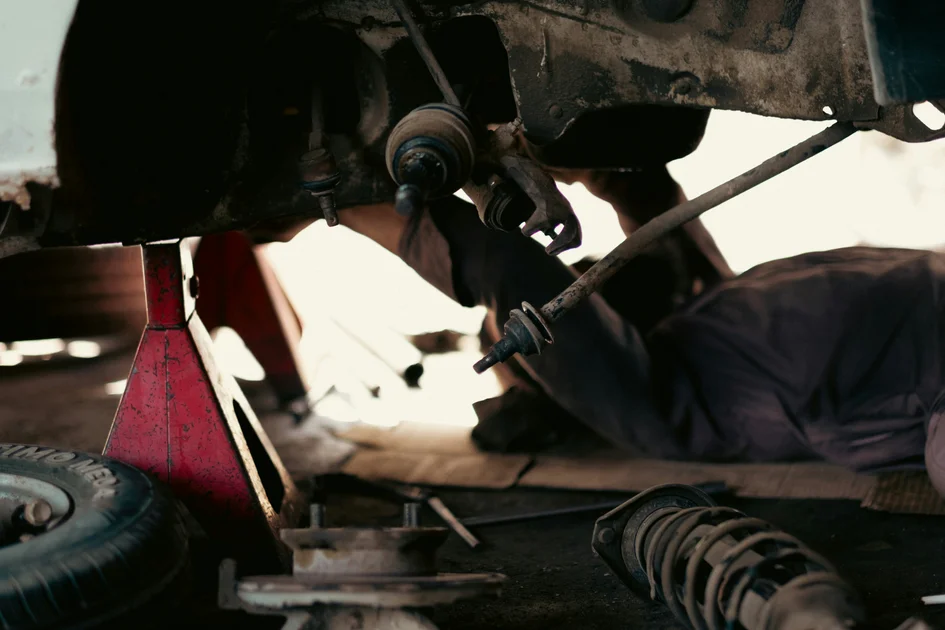
Learning how to prevent costly vehicle repairs with regular maintenance is more than a simple chore; it is an exercise in stewardship and foresight that defines the modern driver in 2026. We often perceive our machines as extensions of our own mobility, yet we frequently neglect the internal rhythms—the flow of oil, the tension of belts, and the integrity of seals—that keep these metal vessels alive. By shifting our perspective from reactive crisis management to proactive care, we honor the engineering marvels in our driveways while insulating our bank accounts from the shock of catastrophic failure. This guide explores the philosophical and practical dimensions of automotive preservation, ensuring that your vehicle remains a reliable companion rather than a source of unexpected financial anxiety in our fast-paced, high-tech world.
The Philosophy of Preventive Care
To understand the necessity of maintenance, one must appreciate the entropy that governs all mechanical systems. Every mile traveled in 2026 exacts a toll on the intricate choreography of gears, fluids, and electronic sensors that constitute a modern automobile. When we ignore the small, periodic requirements—like replacing a filter or checking brake fluid levels—we are effectively borrowing against the future health of the car. This debt eventually compounds, manifesting as a major transmission failure or a seized engine block. By embracing a rhythm of consistent inspection, we align ourselves with the natural lifecycle of the machine, allowing for subtle adjustments before minor wear transforms into a debilitating malfunction.
The act of checking your oil or rotating your tires is a meditative practice that fosters a deeper connection between driver and machine. In an era of autonomous features and digital dashboards, the physical act of inspecting your vehicle serves as an grounding experience. It is a moment of accountability where you acknowledge that your freedom of movement is contingent upon the care you provide. When you treat your vehicle as a partner rather than a mere utility, you cultivate a sense of responsibility that naturally leads to a more predictable and harmonious ownership experience, saving you significant capital in the long run.
Understanding the Mechanical Lifecycle

Every vehicle operates within a specific set of parameters dictated by its manufacturer, yet many owners view these guidelines as mere suggestions rather than essential roadmaps. In 2026, vehicle complexity has reached new heights, with sophisticated hybrid and electric powertrains requiring a different breed of vigilance. Understanding the mechanical lifecycle means acknowledging that components possess an expiration date determined by heat, friction, and environmental exposure. When you follow the service schedule provided in your owner’s manual, you are not just ticking boxes; you are actively mitigating the risk of total system collapse by addressing individual component fatigue before it cascades into a series of expensive cascading failures.
Consider the humble timing belt or the cooling system, both of which are often overlooked until disaster strikes. A failed timing belt can destroy a combustion engine in an instant, turning a simple maintenance item into a multi-thousand-dollar nightmare. By adhering to the recommended intervals, you transform a potentially chaotic event into a manageable, budgeted expense. This approach is the hallmark of financial wisdom in automotive ownership. When you prioritize the health of these vital systems, you extend the functional lifespan of your vehicle far beyond its projected depreciation curve, ensuring that your investment retains its utility and value for years to come.
The Role of Fluid Dynamics
Fluids are the lifeblood of your vehicle, serving as lubricants, coolants, and hydraulic mediums that enable every movement. Over time, these fluids degrade, losing their chemical properties and accumulating debris that can accelerate internal wear. Replacing your engine oil, transmission fluid, and brake fluid at the correct intervals is the single most effective way to prevent premature degradation. In 2026, synthetic fluids have improved significantly, offering longer protection windows, but they are not immortal. Ignoring the physical chemistry of your engine will inevitably lead to metal-on-metal contact, which remains the primary cause of engine block failure. Regular fluid analysis and prompt replacement remain the bedrock of long-term mechanical reliability.
Reddit & Expert Community Consensus
User ‘GearHead_88’ on a prominent automotive forum notes: “I see people skip oil changes for thousands of miles and then complain when their variable valve timing system fails. It is simple math; you pay for the oil now, or you pay for the engine later. The forums are full of people trying to diagnose complex electrical issues that were actually caused by a simple lack of basic maintenance.” Another expert contributor adds: “The most expensive repair is always the one you didn’t see coming because you skipped the inspection. Modern cars are incredibly reliable if you just follow the manual, but they are unforgiving of neglect.”
Pros and Cons Analysis
When considering the commitment to a rigorous maintenance schedule, it is helpful to weigh the advantages against the perceived drawbacks. While the initial investment of time and resources might seem daunting, the long-term benefits typically outweigh the costs by a significant margin.
| Factor | Proactive Maintenance | Reactive Repairing |
|---|---|---|
| Financial Cost | Predictable, lower cost over time | High, unpredictable, emergency costs |
| Vehicle Reliability | High; minimal risk of breakdown | Low; high risk of being stranded |
| Resale Value | Significantly higher due to records | Lower due to poor service history |
| Time Investment | Scheduled, manageable intervals | Disruptive, takes vehicle off-road |
The primary advantage of proactive maintenance is the preservation of your financial capital and the assurance of safety for you and your passengers. Conversely, the drawbacks are primarily related to the upfront cost and the discipline required to maintain a schedule. Some owners feel that modern cars are “disposable” and choose to ignore maintenance, but this mindset often leads to a cycle of poverty where the owner is constantly paying for repairs on a failing vehicle rather than investing in a sustainable one. By choosing the path of maintenance, you are choosing to invest in your own peace of mind and the continued performance of your mechanical asset.
The Impact of Environmental Factors
Your vehicle’s environment plays a critical role in how it ages and what specific maintenance it requires. In 2026, climate patterns and urban driving conditions have a profound effect on rubber seals, paint integrity, and battery performance. A vehicle driven in a high-heat, dusty climate requires different attention than one driven in a salty, cold coastal environment. Recognizing these external variables allows you to tailor your maintenance strategy, such as cleaning the undercarriage more frequently or opting for heavy-duty air filters. Failing to adjust your maintenance to your specific reality is a common mistake that leads to accelerated corrosion and premature component failure.
Furthermore, the way we drive—our habits, our acceleration patterns, and our braking intensity—acts as an environmental factor of its own. Aggressive driving puts immense strain on suspension components and tires, necessitating more frequent inspections. Conversely, gentle, consistent operation can extend the life of many systems. By paying attention to the unique demands of your specific driving environment, you can preemptively address wear points that are not always covered in the general maintenance schedule. This localized approach to vehicle care is what separates the casual owner from the true steward of their machine, ensuring longevity in any condition.
Digital Tools and Modern Stewardship
Technology in 2026 has provided us with unprecedented tools to manage our vehicle’s health. From sophisticated OBD-II scanners that can read real-time diagnostic data to mobile applications that track service intervals and remind you of upcoming needs, the modern driver has no excuse for ignorance. These digital companions can help you detect a failing sensor or a drop in battery voltage before it leaves you stranded on the roadside. Leveraging these tools transforms maintenance from an abstract concept into a data-driven process, allowing you to make informed decisions about when to seek professional help and when simple DIY tasks will suffice.
Despite the influx of digital assistance, the human element remains irreplaceable. No sensor can replace the intuition of a driver who notices a subtle change in the engine’s tone or a slight vibration in the steering wheel. These sensory cues are your earliest warnings of impending mechanical distress. By combining the precision of digital diagnostic tools with your own sensory awareness, you create a comprehensive safety net for your vehicle. This synergy of human perception and technological data is the gold standard for maintenance in the modern era, providing a level of reliability that was simply impossible to achieve only a few decades ago.
Key Takeaways
- Establish a strict adherence to the manufacturer’s recommended service intervals.
- Prioritize fluid health as the most critical aspect of engine and transmission longevity.
- Utilize modern diagnostic tools to monitor vehicle health in real-time.
- Adjust your maintenance schedule based on your specific driving environment and habits.
- Maintain detailed records of all services to ensure higher resale value.
- Treat vehicle maintenance as a proactive investment rather than a reactive expense.
Frequently Asked Questions
Is it really necessary to follow the service manual exactly?
Yes, the manual is written by engineers who understand the specific wear patterns of your vehicle. Deviating from it often leads to premature failure of complex systems that are costly to replace.
Can I perform maintenance tasks myself to save money?
Absolutely, many tasks like air filter changes, tire pressure checks, and oil changes are well within the reach of a dedicated owner. Ensure you document these tasks with receipts to maintain your warranty and value.
How does driving style affect maintenance costs?
Aggressive driving, including hard braking and rapid acceleration, significantly increases the wear on brakes, tires, and drivetrain components, leading to more frequent and costly repairs.
What is the most common reason for major engine failure?
Neglecting oil changes is the leading cause of catastrophic engine failure. When oil degrades, it loses its lubricating properties, leading to excessive friction and heat that destroys internal components.
Should I use aftermarket parts for repairs?
While some aftermarket parts are high quality, using Original Equipment Manufacturer (OEM) parts is generally safer for critical systems to ensure compatibility, performance, and long-term reliability.
Conclusion
Ultimately, the journey of preventing costly vehicle repairs is a testament to the power of consistent, mindful action. By embracing the necessity of maintenance, you protect your financial future and secure the reliability of your transportation. In 2026, we have the knowledge, the tools, and the resources to ensure our vehicles serve us faithfully for hundreds of thousands of miles. Let your commitment to care be an extension of your commitment to excellence in all areas of life, ensuring that every mile driven is a reflection of your wisdom and your dedication to the craft of ownership.