


Engine overheating is one of those car problems that can turn a smooth drive into a nightmare in minutes. Picture this: you’re cruising down the highway, music playing, windows down, when suddenly the temperature gauge spikes into the red. Your heart races as steam billows from under the hood, and you’re left wondering if you’ll make it to the next exit. Overheating isn’t just inconvenient—it can cause serious damage to your engine, leading to costly repairs or even total failure. The good news? Most overheating issues are preventable with the right knowledge and timely action. Whether you’re dealing with a minor coolant leak or a failing thermostat, understanding the root causes and solutions can save you time, money, and stress. In this guide, we’ll walk you through the most effective ways to diagnose, fix, and prevent engine overheating, so you can keep your car running smoothly no matter where the road takes you.
What Causes Engine Overheating? A Quick Overview
Before diving into fixes, it’s essential to understand what causes an engine to overheat in the first place. Think of your car’s cooling system like the body’s circulatory system—it keeps everything running at the right temperature. When something disrupts this balance, heat builds up, and trouble follows. Here’s a concise breakdown of the most common culprits:
An overheating engine typically results from a failure in the cooling system, which includes the radiator, water pump, thermostat, coolant, hoses, and fans. When any of these components malfunction, heat can’t escape efficiently, causing the engine to overheat. Low coolant levels, leaks, a faulty thermostat, or a broken water pump are the usual suspects. External factors like extreme weather, heavy traffic, or towing can also push an already struggling system over the edge.
For a deeper dive into common car problems and their solutions, check out this related article that covers everything from strange noises to electrical issues.
Internal vs. External Overheating Triggers
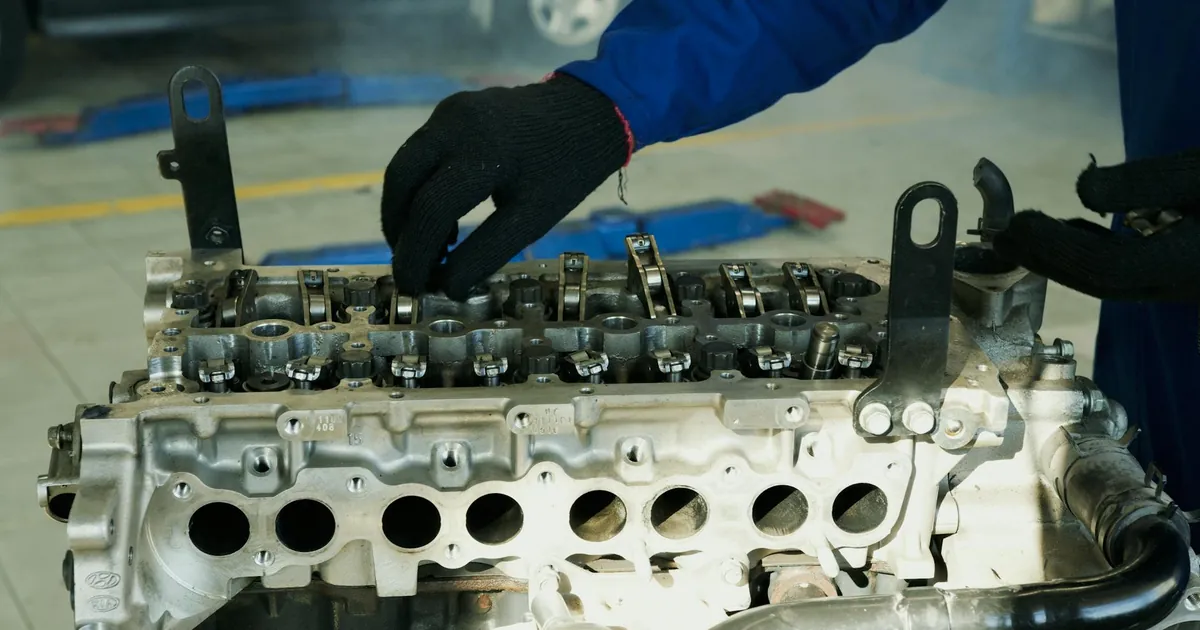
Not all overheating issues are created equal. Some stem from internal engine problems, while others are caused by external factors. Internal triggers include a blown head gasket, which allows coolant to mix with engine oil, or a cracked engine block, which disrupts the cooling system’s integrity. These are serious issues that often require professional intervention. On the other hand, external triggers are usually easier to diagnose and fix. These include a clogged radiator, a malfunctioning cooling fan, or a loose or damaged hose. Understanding whether the problem is internal or external can help you determine the urgency and complexity of the fix.
How Driving Habits Contribute to Overheating
Your driving habits play a bigger role in engine overheating than you might think. Aggressive driving, such as rapid acceleration and hard braking, forces the engine to work harder, generating more heat. Similarly, driving in stop-and-go traffic on a hot day can push the cooling system to its limits. Towing heavy loads or driving up steep inclines also increases the engine’s workload, raising the risk of overheating. If you frequently drive in these conditions, it’s especially important to keep an eye on your temperature gauge and perform regular maintenance to prevent issues before they start.
Step-by-Step Guide to Diagnosing Overheating
Diagnosing an overheating engine isn’t as daunting as it seems. With a systematic approach, you can pinpoint the issue and decide whether it’s something you can fix yourself or if you need to call in a professional. Start by checking the basics—coolant levels, hoses, and the radiator—before moving on to more complex components like the thermostat or water pump. Here’s how to tackle it step by step.
Checking Coolant Levels and Quality
The first thing you should do when your engine overheats is check the coolant level. Pop the hood and locate the coolant reservoir—it’s usually a translucent plastic tank with “min” and “max” markings. If the coolant is below the “min” line, you’ve likely found the problem. Top it off with a 50/50 mix of coolant and distilled water, but be cautious: never open the radiator cap while the engine is hot, as the pressurized system can release scalding steam. If the coolant looks dirty, rusty, or has debris floating in it, it’s time for a flush. Old or contaminated coolant loses its ability to regulate temperature effectively, so replacing it can often resolve overheating issues.
Inspecting Hoses and the Radiator for Leaks
Even if your coolant levels are fine, leaks can still cause overheating. Inspect the radiator and hoses for signs of wear, cracks, or leaks. Squeeze the hoses—if they feel brittle or overly soft, they may need replacing. Look for puddles of coolant under the car or white, crusty residue around hose connections, which indicate a leak. The radiator itself can also develop leaks, especially if it’s old or has been damaged by road debris. If you spot a leak, it’s best to address it immediately, as even a small one can lead to a sudden loss of coolant and rapid overheating.
Top 5 Quick Fixes for an Overheating Engine

Not all overheating issues require a trip to the mechanic. Some can be resolved with quick, DIY fixes that take less than an hour. If you’re stranded on the side of the road or just want to prevent further damage, these solutions can buy you time until you can perform a more thorough inspection. Here are the top five quick fixes to try when your engine starts overheating.
How to Safely Add Coolant on the Go
If your coolant is low and you’re nowhere near a service station, adding coolant (or even water in an emergency) can help you get to safety. First, turn off the engine and let it cool for at least 15 minutes. Once it’s safe, open the radiator cap slowly—use a rag to protect your hand from steam. Pour in a 50/50 mix of coolant and water until the radiator is full. If you don’t have coolant on hand, distilled water will do in a pinch, but avoid tap water, as minerals can cause corrosion. After topping off, start the engine and monitor the temperature gauge. If it stays in the normal range, you’ve likely bought yourself enough time to drive to a repair shop.
Temporary Solutions for a Faulty Thermostat
A stuck thermostat is a common cause of overheating. If the thermostat fails in the closed position, coolant can’t circulate through the engine, leading to rapid heat buildup. While the only permanent fix is to replace the thermostat, there are a couple of temporary workarounds. One method is to remove the thermostat entirely, which allows coolant to flow freely. However, this isn’t ideal for long-term use, as it can lead to inefficient engine warming and poor fuel economy. Another option is to tap the thermostat housing gently with a wrench—sometimes, this can jar the thermostat loose enough to allow coolant flow. Neither of these is a permanent fix, but they can help you limp to a repair shop.
Long-Term Solutions to Prevent Overheating
While quick fixes can get you out of a jam, long-term solutions are what keep your engine running cool and healthy. Preventing overheating requires regular maintenance and addressing underlying issues before they become major problems. From flushing the cooling system to upgrading components, these strategies will help you avoid overheating for good.
Flushing the Cooling System: A DIY Guide
Over time, coolant breaks down and accumulates debris, reducing its effectiveness. Flushing the cooling system every 30,000 to 50,000 miles (or as recommended by your vehicle’s manufacturer) removes old coolant, rust, and scale buildup, ensuring optimal heat transfer. Here’s how to do it yourself:
- Park your car on a level surface and let the engine cool completely.
- Place a drain pan under the radiator and open the drain valve to empty the old coolant.
- Close the drain valve and fill the system with a flushing agent mixed with water. Run the engine for 10–15 minutes to circulate the solution.
- Drain the flushing agent, then refill the system with fresh coolant and distilled water in a 50/50 ratio.
- Start the engine, let it reach operating temperature, and check for leaks. Top off the coolant if needed.
Flushing the system is a straightforward process, but if you’re not comfortable doing it yourself, most repair shops offer this service for a reasonable price.
Upgrading Your Radiator or Cooling Fans
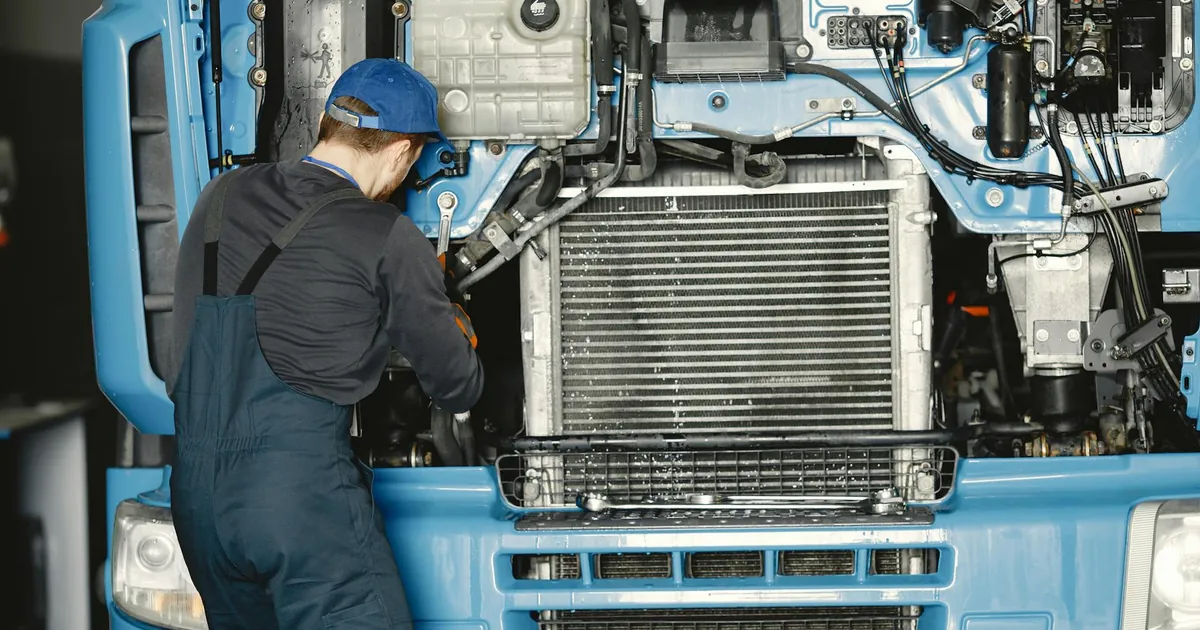
If your car frequently overheats, especially in hot weather or under heavy loads, it might be time to upgrade your cooling system. A larger or more efficient radiator can improve heat dissipation, while high-performance cooling fans can provide better airflow. Electric fans are particularly effective, as they can be controlled independently of the engine’s speed. Upgrading to a dual-fan setup or a fan with a higher CFM (cubic feet per minute) rating can make a significant difference in keeping your engine cool. If you’re unsure which upgrades are right for your vehicle, consult a mechanic or check your car’s manual for recommendations.
When to Call a Professional Mechanic
While many overheating issues can be resolved with DIY fixes, some problems require the expertise of a professional mechanic. Knowing when to call in the pros can save you from causing further damage to your engine. If you’ve tried the quick fixes and the problem persists, or if you suspect a more serious issue like a blown head gasket or a cracked engine block, it’s time to seek help. Here’s what to look for and what to expect when you take your car to the shop.
Signs of a Blown Head Gasket
A blown head gasket is one of the most serious causes of engine overheating. The head gasket seals the engine block and cylinder head, preventing coolant and oil from mixing. When it fails, coolant can leak into the combustion chamber, leading to white smoke from the exhaust, milky oil, or bubbles in the coolant reservoir. If you notice any of these symptoms, stop driving immediately and have your car towed to a mechanic. Repairing a blown head gasket is labor-intensive and expensive, but ignoring it can lead to catastrophic engine damage.
What to Expect During a Professional Diagnosis
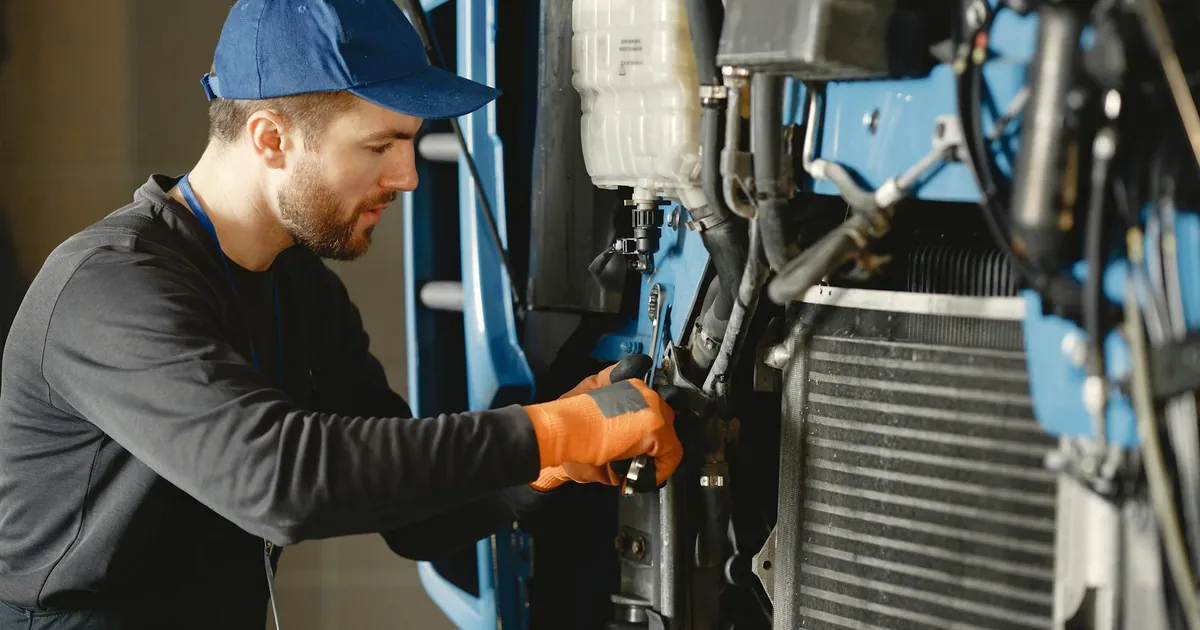
When you take your car to a mechanic for overheating, they’ll start with a visual inspection of the cooling system, checking for leaks, damaged hoses, and proper coolant levels. They may also perform a pressure test to identify leaks that aren’t visible. If the issue isn’t immediately apparent, they might use a diagnostic tool to check for error codes or perform a compression test to assess the engine’s health. The mechanic will then provide a detailed report of their findings and recommend the necessary repairs. While it might be tempting to skip the diagnosis and jump straight to repairs, a thorough inspection can save you money in the long run by ensuring the root cause is addressed.
Key Takeaways for Preventing Engine Overheating
Engine overheating is a problem you can’t afford to ignore, but with the right knowledge and maintenance, it’s also one you can prevent. Here’s a quick recap of the most important takeaways to keep your engine running cool:
- Check your coolant levels regularly and top off as needed with a 50/50 mix of coolant and distilled water.
- Inspect hoses, the radiator, and the water pump for leaks or damage, and replace them if necessary.
- Flush your cooling system every 30,000 to 50,000 miles to remove debris and old coolant.
- Monitor your temperature gauge, especially in hot weather or when driving under heavy loads.
- Address overheating issues immediately—ignoring them can lead to serious engine damage.
- Upgrade your cooling system if your car frequently overheats, especially if you drive in extreme conditions.
- Know when to call a professional, particularly if you suspect a blown head gasket or other internal engine problems.
For more tips on maintaining your car, check out this simple car maintenance checklist for new drivers to keep your vehicle in top shape.
Expert Insights on Engine Overheating
“Overheating is often a symptom of a larger issue in the cooling system, and it’s one of the most common reasons for engine failure. The key is prevention—regular maintenance, like checking coolant levels and inspecting hoses, can save drivers thousands in repairs. If your car starts overheating, don’t ignore it. Pull over, let the engine cool, and diagnose the problem before driving again. In many cases, a simple fix like adding coolant or replacing a hose can prevent a minor issue from becoming a major disaster.”
— John Davis, ASE-Certified Master Technician and Host of MotorWeek
Frequently Asked Questions
Why does my car overheat only in traffic?
If your car overheats only in traffic, it’s likely due to insufficient airflow through the radiator. In stop-and-go traffic, the cooling fan may not be spinning fast enough to pull air through the radiator, especially if it’s hot outside. This can also happen if the cooling fan is faulty or if the radiator is clogged. To diagnose the issue, check if the fan is working when the engine is hot. If it’s not, you may need to replace the fan or its relay. If the fan is working but the car still overheats, the radiator may need cleaning or replacing.
Can I drive my car if it’s overheating?
Driving an overheating car is risky and can cause serious damage to your engine. If the temperature gauge is in the red or you see steam coming from under the hood, pull over immediately and turn off the engine. Continuing to drive can warp the cylinder head, blow the head gasket, or even crack the engine block. If you must drive a short distance to a repair shop, turn off the air conditioning and turn on the heater to help dissipate heat. However, it’s always safer to have the car towed if you suspect a serious issue.
How often should I replace my coolant?
Most manufacturers recommend replacing your coolant every 30,000 to 50,000 miles, but this can vary depending on the type of coolant and your driving conditions. Some long-life coolants can last up to 100,000 miles. Check your owner’s manual for the recommended interval. Over time, coolant breaks down and loses its ability to protect against corrosion and overheating, so regular replacement is crucial for maintaining your cooling system’s efficiency.
What’s the difference between coolant and antifreeze?
Coolant and antifreeze are often used interchangeably, but they’re not exactly the same. Antifreeze is a concentrated liquid, usually made of ethylene glycol or propylene glycol, that’s mixed with water to create coolant. The coolant is what circulates through your engine to regulate temperature. Pure antifreeze can actually cause overheating because it doesn’t transfer heat as effectively as a water-antifreeze mix. Always use a 50/50 mix of antifreeze and distilled water for optimal performance.
Is it safe to use water instead of coolant in an emergency?
In an emergency, you can use distilled water to top off your coolant, but it’s not a long-term solution. Water doesn’t have the same heat-transfer properties or corrosion inhibitors as coolant, so it can lead to rust and scale buildup in your cooling system. If you must use water, replace it with a proper coolant mix as soon as possible. Never use tap water, as the minerals can cause deposits that clog the radiator and reduce cooling efficiency.
How do I know if my water pump is failing?
A failing water pump can cause your engine to overheat quickly. Common signs include coolant leaks near the front of the engine, a whining noise from the pump, or steam coming from the radiator. You might also notice the temperature gauge fluctuating or the engine overheating at idle. If you suspect a failing water pump, have it inspected immediately. Replacing a water pump is a labor-intensive job, so it’s best to address it before it fails completely.
What should I do if my car overheats on the highway?
If your car overheats on the highway, the first thing to do is stay calm. Turn off the air conditioning and turn on the heater to full blast—this helps pull heat away from the engine. If the temperature gauge doesn’t drop, pull over to a safe location and turn off the engine. Let it cool for at least 15 minutes before opening the hood. Check the coolant level and top it off if needed. If you’re unsure about the cause, call for roadside assistance or have the car towed to a repair shop. Driving an overheating car, even for a short distance, can cause severe damage.
Engine overheating is a problem that demands attention, but with the right approach, it’s one you can manage effectively. Whether you’re dealing with a minor leak or a more serious issue, understanding the causes and solutions empowers you to take action before small problems become big headaches. Regular maintenance, like checking coolant levels and inspecting hoses, goes a long way in preventing overheating. And if you ever find yourself stranded with an overheating engine, knowing how to respond can save you from costly repairs.
Don’t wait until your temperature gauge is in the red—take proactive steps today to keep your engine cool and your drives stress-free. For more beginner-friendly car maintenance tips, explore this step-by-step guide to maintaining your car. Your engine (and your wallet) will thank you.