


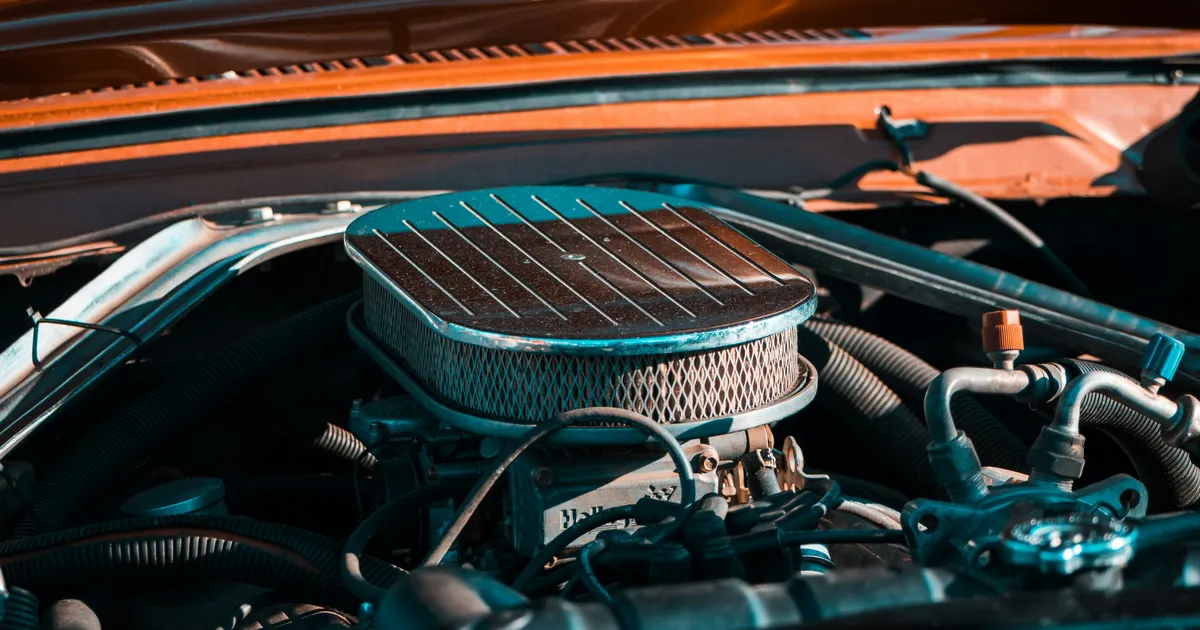
Understanding your car’s maintenance needs can feel daunting, but tackling essential tasks like car air filter cleaning and replacement is simpler than you might think and incredibly beneficial for your vehicle. This guide is designed to empower beginners, demystifying the process and explaining why a healthy air filter is crucial for everything from engine performance to fuel economy. Think of your air filter as your engine’s lungs; just like us, engines need clean air to breathe efficiently and perform at their best. Let’s dive into how you can keep your car running smoothly and extend its lifespan with this straightforward maintenance.
Why Your Air Filter Matters So Much
Your car’s engine is a combustion machine, meaning it needs a constant supply of air mixed with fuel to create power. The air filter acts as a crucial barrier, preventing dirt, dust, pollen, insects, and other airborne contaminants from entering the engine. Without a functioning air filter, these particles would directly enter the engine’s cylinders, causing abrasive wear on internal components like pistons and cylinder walls, leading to significant and costly damage over time. This protective role is paramount for the longevity and health of your vehicle.
Beyond protection, a clean air filter directly impacts your car’s performance and fuel efficiency. A clogged filter restricts airflow to the engine, forcing it to work harder to pull in the necessary oxygen. This struggle can manifest as reduced horsepower, slower acceleration, and, most noticeably, a drop in your miles per gallon. Regularly inspecting and addressing your car air filter cleaning and replacement needs ensures your engine gets the clean, unrestricted airflow it requires to operate efficiently, saving you money at the pump and maintaining optimal driving dynamics.
When to Inspect and Replace Your Air Filter
Knowing when to check your air filter is key to proactive maintenance. A good rule of thumb is to inspect it every 12,000 to 15,000 miles, or at least once a year. However, if you frequently drive in dusty conditions, on gravel roads, or live in an area with high pollen counts, you might need to check and potentially replace it more often, perhaps every 5,000 to 7,000 miles. Always refer to your car’s owner’s manual for specific recommendations tailored to your make and model, as these guidelines are the most accurate for your vehicle.
There are several tell-tale signs that your air filter might need attention, even before hitting a mileage milestone. A noticeable decrease in fuel economy is a common indicator, as is sluggish acceleration or a general loss of power. If your “Check Engine” light illuminates, a restricted air filter could be one of the culprits, though it’s always wise to get a diagnostic scan. Furthermore, a visible layer of dirt and debris on the filter itself, or a dark, grimy appearance compared to a new, white filter, clearly signals it’s time for a car air filter cleaning or replacement. Don’t wait for these issues to worsen; address them promptly.
Choosing the Right Air Filter for Your Car
When it comes to air filters, you’ll primarily encounter two main types: disposable paper filters and reusable cotton gauze filters. Disposable filters are the most common, made from pleated paper or synthetic fibers designed to trap contaminants effectively. They are inexpensive, easy to replace, and are meant to be discarded once they become dirty. For most drivers, sticking with a high-quality OEM (Original Equipment Manufacturer) or equivalent aftermarket disposable filter is the simplest and most cost-effective option, offering excellent filtration and performance for everyday driving conditions.
Reusable filters, often referred to as performance filters (like those from K&N or aFe), are typically made from cotton gauze layered between wire mesh. These filters are designed to be cleaned, re-oiled, and reinstalled, potentially lasting for the lifetime of the vehicle. While they have a higher initial cost, they can offer long-term savings and often boast slightly improved airflow, which some enthusiasts believe translates to marginal horsepower gains. When making your choice for 2026, consider your budget, environmental preferences, and how often you’re willing to perform the cleaning and re-oiling process.
Special Considerations for K&N Style Filters
If you opt for a reusable cotton gauze filter, it’s crucial to understand their specific maintenance requirements. Unlike disposable filters, these require a cleaning kit, which typically includes a special cleaning solution and an oil designed for the filter. Over-oiling is a common mistake that can contaminate your Mass Air Flow (MAF) sensor, leading to engine performance issues and even triggering a check engine light. Always follow the manufacturer’s instructions precisely for cleaning and re-oiling to ensure proper filtration and prevent potential engine problems, maintaining their effectiveness for years to come.
Step-by-Step Guide to Air Filter Replacement
Replacing your car’s air filter is one of the easiest DIY maintenance tasks, requiring minimal tools and time. First, locate your air filter housing, which is usually a large black plastic box connected to the engine’s intake hose. It’s typically found under the hood, often near the front of the engine bay. Once located, release the clips or unscrew the fasteners holding the housing cover in place. Some models may require a screwdriver to loosen a hose clamp before the cover can be lifted. Take note of how the old filter is seated before removing it.
Carefully lift out the old, dirty filter. Before inserting the new filter, take a moment to wipe out any debris or dust that may have collected inside the air filter housing with a clean cloth. This ensures that the new filter starts in a clean environment. Place the new filter into the housing, ensuring it sits snugly and correctly without any gaps. Finally, reattach the housing cover, securing all clips or screws firmly. Double-check that all connections are tight to prevent unfiltered air from bypassing the filter. This simple car air filter replacement can significantly improve your engine’s health.
Cleaning Reusable Air Filters Properly
Cleaning a reusable air filter is a straightforward process, but precision is key to avoid damaging the filter or your engine. Start by removing the filter from its housing, just as you would for a replacement. Gently tap the filter against a hard surface to dislodge loose debris. Avoid using compressed air, as this can damage the filter’s media. Next, apply the specialized cleaning solution (usually part of a cleaning kit) generously to both sides of the filter and let it soak for the time recommended by the manufacturer, typically 10-15 minutes, allowing the solution to break down grime.
After soaking, thoroughly rinse the filter from the clean side (the side that faces the engine) to the dirty side with low-pressure water until all traces of the cleaning solution and dirt are gone. Allow the filter to air dry completely, which can take several hours or even overnight; never use heat to speed up the drying process as it can damage the filter material. Once completely dry, apply the specialized filter oil evenly to all pleats, following the manufacturer’s instructions carefully to avoid over-oiling. Your newly cleaned and oiled filter is now ready for reinstallation, offering continued protection for your engine in 2026 and beyond.
Key Takeaways
- Regular air filter inspection and replacement are vital for engine health and fuel efficiency.
- Know the signs of a dirty filter, such as reduced power or poor fuel economy, and address them promptly.
- Choose between disposable paper filters for simplicity or reusable cotton gauze for long-term savings and specific maintenance.
- DIY air filter replacement is a quick, easy task, saving you money on mechanic fees.
Frequently Asked Questions
How often should I really replace my car’s air filter?
For most drivers, a general guideline is to replace your air filter every 12,000 to 15,000 miles or once a year. However, if you drive frequently on dirt roads, in heavy traffic with lots of dust, or through areas with high pollen counts, you might need to inspect it more often and replace it every 5,000 to 7,000 miles. Always check your car’s owner’s manual for the most accurate and specific recommendations for your vehicle model.
Can a dirty air filter really affect my gas mileage?
Absolutely, a dirty air filter can significantly impact your car’s fuel economy. When the filter is clogged with dirt and debris, it restricts the amount of air flowing into the engine. The engine then has to work harder to pull in enough air for combustion, leading to less efficient burning of fuel. This reduced efficiency directly translates to poorer gas mileage, costing you more at the pump over time.
Is it worth buying a reusable air filter instead of a disposable one?
The value of a reusable air filter depends on your priorities. They have a higher initial cost but can save money in the long run since they are cleaned and re-oiled instead of replaced. They also often claim to offer slightly better airflow. However, they require careful cleaning and re-oiling procedures. For the average driver, a high-quality disposable filter is often the most convenient and equally effective choice for optimal filtration and engine protection.
What happens if I don’t replace my car’s air filter?
Neglecting your car air filter cleaning and replacement can lead to several problems. A severely clogged filter restricts airflow, leading to reduced engine performance, sluggish acceleration, and decreased fuel efficiency. More critically, it can allow dirt and debris to bypass the filter and enter your engine, causing premature wear on internal components, potentially leading to costly engine damage down the line. It’s a small task with big preventative benefits.
Conclusion
Mastering car air filter cleaning and replacement is a fundamental step in becoming a more confident car owner. This simple maintenance task offers immense benefits, from protecting your engine and enhancing fuel efficiency to improving overall vehicle performance. By incorporating these checks into your routine, you’re not just saving money on potential repairs; you’re actively contributing to a healthier, more responsive car for years to come. Take pride in knowing you’re providing your engine with the clean air it needs to thrive, ensuring smooth journeys ahead.