


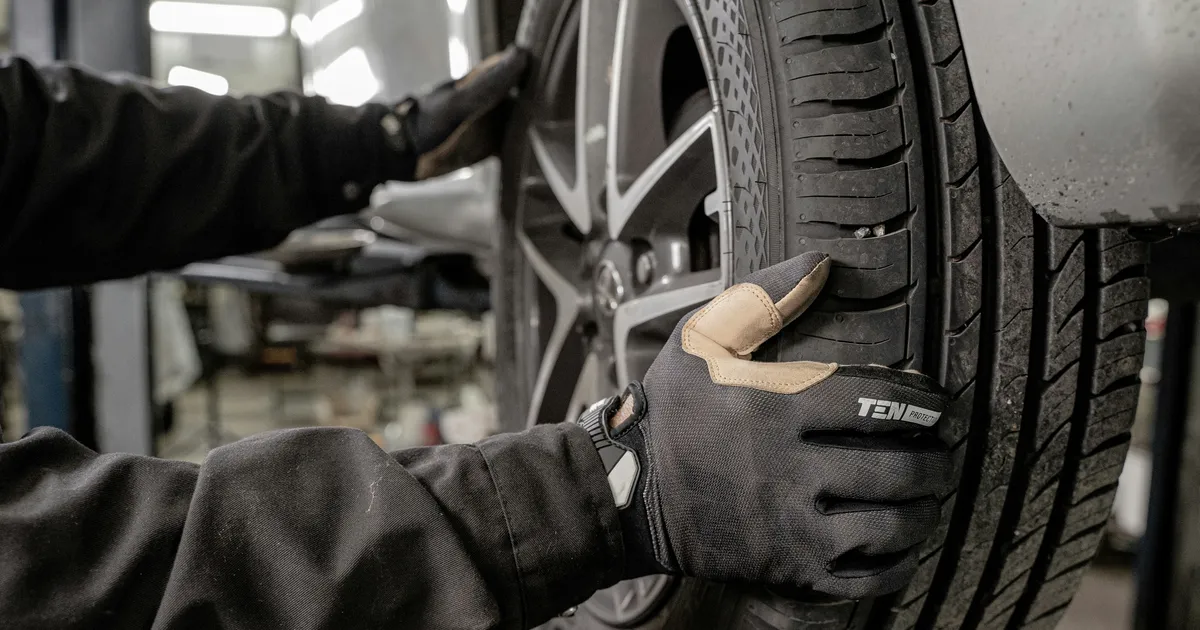
Mastering essential tire rotation and alignment checks is the single most effective way to maximize the lifespan of your vehicle’s rubber while ensuring optimal road safety. Many drivers overlook these maintenance tasks until they notice uneven tread wear, yet professional mechanics emphasize that proactive care is far more cost-effective than premature tire replacement. As we move into 2026, vehicle engineering continues to prioritize handling precision, making it vital for owners to understand how tire positioning influences overall mechanical health. By adhering to a strict schedule, you preserve the structural integrity of your tires and maintain the manufacturer-specified grip levels required for wet and dry conditions. This comprehensive guide will detail why these routine inspections are non-negotiable for any responsible car owner aiming to extend the longevity of their automotive investment.
The Science of Tire Rotation
Tire rotation involves moving your tires from one position on the vehicle to another to ensure that each tire experiences a similar workload over its lifetime. Because front tires typically handle steering duties and heavier braking loads, they often wear down faster than rear tires, particularly in front-wheel-drive platforms. By cycling them regularly, usually every 5,000 to 8,000 miles, you effectively equalize the wear patterns across all four contact patches. This practice prevents localized degradation that can lead to hazardous blowouts or diminished traction during emergency maneuvers. Industry standards from organizations like the U.S. Tire Manufacturers Association suggest that consistent rotation is the primary defense against irregular tread depletion.
There are several rotation patterns, including front-to-back, cross-rotation, and side-to-side, depending on your vehicle’s drivetrain and whether you are using directional or non-directional tires. For instance, high-performance vehicles equipped with staggered tire sizes often require a side-to-side swap if the tires are not directional. Failure to rotate tires according to your owner’s manual can lead to excessive noise, vibration, and a rougher ride quality that worsens over time. In 2026, modern tire pressure monitoring systems (TPMS) provide extra convenience, but they cannot replace the mechanical necessity of moving tires to distribute stress evenly across the entire tread surface, thereby maintaining consistent handling characteristics throughout the life of the rubber.
Understanding Wheel Alignment
Wheel alignment is a precise mechanical adjustment that ensures your tires meet the road at the correct angle. Unlike rotation, which is a maintenance task, alignment is a corrective procedure performed when the vehicle’s suspension components deviate from factory specifications. Over time, hitting potholes, curbs, or simply experiencing normal wear in bushings and ball joints can cause your wheels to lose their intended geometry. When your alignment is off, the tires are effectively dragged sideways against the asphalt, which causes rapid, uneven wear on the inner or outer shoulders of the tread. This misalignment not only ruins tires prematurely but also increases rolling resistance, which negatively impacts your vehicle’s fuel economy.
A professional alignment check involves adjusting the camber, caster, and toe settings to ensure the wheels are parallel to each other and perpendicular to the ground. If you notice your car pulling to one side while driving on a flat road, or if the steering wheel sits off-center when you are driving straight, it is a clear indicator that your alignment is compromised. Neglecting these adjustments can lead to severe handling issues, making the vehicle unpredictable in high-speed corners or during sudden stops. By investing in an alignment check at least once a year or whenever new tires are installed, you ensure that your vehicle tracks straight, responds accurately to steering inputs, and avoids unnecessary financial strain from premature tire replacement.
Comparing Rotation and Alignment
| Feature | Tire Rotation | Wheel Alignment |
|---|---|---|
| Purpose | Equalize tread wear | Correct suspension geometry |
| Frequency | Every 5k-8k miles | Annually or as needed |
| Primary Benefit | Extended tire life | Improved handling/fuel efficiency |
| Complexity | Simple labor task | Technical adjustment with lasers |
Identifying Irregular Wear Patterns
Visually inspecting your tires is a critical skill for any driver who wants to stay ahead of potential mechanical failures. Common wear patterns, such as cupping, feathering, or shoulder wear, tell a specific story about what is happening beneath the chassis. Cupping, which looks like small scoops or dips in the tread, often points to issues with shock absorbers or suspension components. Feathering, where the tread edges feel sharp in one direction but smooth in the other, usually suggests an alignment issue involving excessive toe-in or toe-out. Learning to identify these patterns early allows you to address the root cause before the tire becomes structurally unsound or reaches a point where it is no longer safe to drive.
Furthermore, checking your tire pressure alongside visual inspections is paramount for maintaining consistent tread wear. Under-inflated tires will show heavy wear on the outer edges, while over-inflated tires will show excessive wear in the center of the contact patch. In 2026, many high-end vehicles feature advanced sensor suites that alert drivers to pressure drops, but manual gauge checks remain the gold standard for accuracy. If you observe any of these irregular patterns, it is imperative to visit a certified service center. Resources like the SAE International provide detailed technical papers on how suspension geometry directly impacts rubber longevity, reinforcing why you should never ignore these visual warning signs.
The Role of Suspension Components
Your vehicle’s suspension system acts as the intermediary between the road and the chassis, and its condition is inextricably linked to tire health. Worn struts, shocks, control arm bushings, and tie rods all contribute to how your tires interact with the pavement. When these components lose their damping capability or develop excessive play, the tires begin to bounce or oscillate uncontrollably, leading to rapid and uneven tread depletion. A professional tire shop will typically inspect these suspension parts during an alignment check because they know that trying to align a vehicle with damaged components is a futile effort that will not yield lasting results.
Maintaining these parts is just as vital as rotating your tires. If you frequently drive on rough, unpaved roads or in areas with significant winter freeze-thaw cycles, your suspension components may degrade faster than average. Replacing a worn tie rod end is significantly cheaper than replacing a set of four high-performance tires that were destroyed by the resulting misalignment. By prioritizing suspension health, you ensure that the alignment adjustments remain stable, allowing your tires to wear evenly and perform to their intended specifications. This holistic approach to vehicle maintenance ensures that your car remains reliable, safe, and cost-efficient, preventing secondary damage that often stems from ignoring minor mechanical issues over long periods.
Impact on Safety and Performance
Tire condition is perhaps the most significant factor in your vehicle’s overall safety profile, as the tires are the only point of contact with the road. Worn-out tires, or those with uneven tread, have a drastically reduced ability to displace water, which significantly increases the risk of hydroplaning during heavy rain. Furthermore, unevenly worn tires exhibit unpredictable cornering behavior, as the contact patch is no longer uniform across all four wheels. When you invest in regular rotation and alignment, you are essentially investing in your ability to brake, steer, and accelerate with confidence in all weather conditions. This is not merely about saving money; it is about ensuring that your car reacts exactly as expected during an emergency.
Performance enthusiasts understand that even minor deviations in alignment can result in massive losses of grip on the track. For the average commuter, the difference might be more subtle, but it remains a critical factor in collision avoidance. Modern driver-assistance systems, such as Electronic Stability Control (ESC) and Anti-lock Braking Systems (ABS), rely on accurate wheel speed and traction data to function effectively. If your tires are wearing unevenly or the alignment is skewed, these systems may receive inconsistent data, potentially leading to delayed or incorrect interventions. Keeping your tires in peak condition ensures that all safety electronic systems function precisely as the engineers intended, providing the highest possible level of protection for you and your passengers.
Key Takeaways
- Consistent rotation every 5,000 to 8,000 miles is essential for uniform tread depletion.
- Wheel alignment corrects suspension geometry, preventing rapid shoulder wear and handling issues.
- Visual inspections for cupping or feathering can help identify suspension problems early.
- Proper tire pressure is equally important to avoid center-tread or edge-tread wear.
- Suspension health directly dictates how long your alignment settings will remain stable.
- Prioritizing these maintenance tasks enhances vehicle safety and improves overall fuel economy.
Frequently Asked Questions
How often should I have my alignment checked?
Generally, you should have your alignment checked once a year or every 12,000 miles. However, if you hit a deep pothole, strike a curb, or notice the vehicle pulling to one side, you should get it checked immediately.
Can I rotate my tires myself at home?
Yes, you can rotate your tires at home if you have a reliable floor jack, jack stands, and a torque wrench. Ensure you follow the specific rotation pattern recommended in your owner’s manual for your vehicle’s drivetrain.
Why does my car pull to the right after a rotation?
This is often caused by tire conicity or uneven wear that was previously hidden. If the pull is severe, you may need to re-balance the tires or check if your suspension has an underlying alignment issue that the rotation has exposed.
Do I need an alignment every time I buy new tires?
It is highly recommended to perform an alignment when installing new tires. This ensures that your investment is protected from the start and that the new rubber wears evenly from the very first mile.
What are the signs of bad suspension affecting my tires?
Look for cupping wear patterns on the tread, excessive bouncing after driving over bumps, or a vehicle that feels “loose” or unstable when navigating corners at highway speeds.
Conclusion
Maintaining even tire wear is a cornerstone of responsible vehicle ownership that pays dividends in both safety and long-term savings. By integrating regular tire rotation into your maintenance schedule and addressing alignment needs promptly, you effectively shield your vehicle from the cascading effects of mechanical neglect. As we continue through 2026, the complexity of modern chassis systems makes these checks more critical than ever for optimal performance. Do not wait for the warning signs of uneven tread to appear; take a proactive stance today to ensure your vehicle remains safe, efficient, and ready for the road ahead. Your tires are the foundation of your journey, so treat them with the care they deserve.