


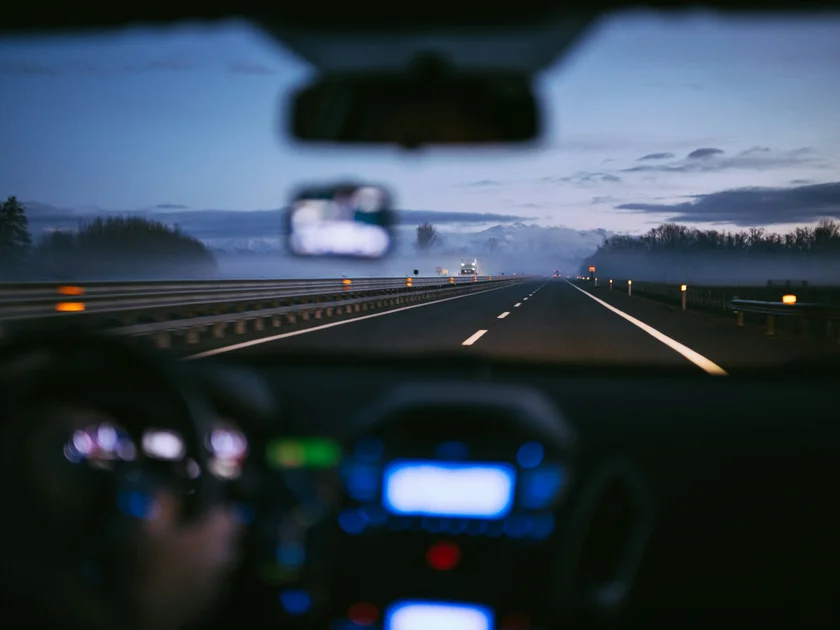
Mastering night driving safety tips for beginner drivers is a rite of passage that transcends the mere mechanical act of operating a vehicle. As the sun retreats beneath the horizon in 2026, the world shifts into a monochromatic landscape where perception becomes a curated experience rather than an objective reality. For the novice, the road at night is a profound exercise in humility and heightened awareness, demanding a synchronization between human intuition and vehicular technology. While daylight grants us the luxury of expansive peripheral sight, the nocturnal environment forces us to narrow our focus, turning the act of commuting into a meditative practice of vigilance. Embracing these challenges requires not only technical knowledge of your vehicle’s lighting systems but also a psychological commitment to patience, foresight, and a deep respect for the unpredictable nature of the shadows that dance across the asphalt.
Understanding The Nocturnal Horizon
The transition from day to night alters our depth perception and color recognition, creating a sensory environment that can easily overwhelm an inexperienced driver. In 2026, modern vehicles are equipped with sophisticated sensors, yet the human eye remains the primary instrument for navigating the complexities of the road. When the light fades, the pupil dilates to capture what little illumination exists, yet this biological adaptation makes us exceptionally vulnerable to glare. A sudden burst of high-beam light from an oncoming vehicle can temporarily blind a driver, leading to a phenomenon known as recovery time, where the retina struggles to recalibrate to the surrounding darkness. Understanding this physiological limitation is the first step toward internalizing safety.
To mitigate these risks, beginners should prioritize the cleanliness of their windshields and headlights. A hazy lens or a streaked pane of glass acts as a prism, scattering incoming light and turning potential clarity into a blur of distracting halos. By maintaining a pristine field of vision, you allow your eyes to focus on the essential task of monitoring the road rather than battling artificial distortions. Furthermore, adjusting your interior lighting to a dimmer setting prevents the dashboard from creating a distracting reflection against the glass. By honoring the darkness rather than trying to overpower it with excessive interior brightness, you maintain the natural night vision required to spot hazards long before they enter your immediate path of travel.
Mastering Lighting Technology
The evolution of automotive lighting in 2026 has provided us with tools that were once the purview of luxury vehicles. Adaptive LED headlights and laser-assisted long-range beams now automatically adjust to the curvature of the road and the presence of other travelers. However, reliance on these systems can lead to a false sense of security. A beginner must master the manual override of their lighting systems, knowing exactly when to switch from high beams to low beams to avoid dazzling others. This interaction is a silent social contract among drivers, predicated on the mutual desire to ensure everyone reaches their destination without the impairment of blinding light.
The Ethics of Illumination
Beyond the technical operation of switches and knobs lies the ethical dimension of night driving. Using high beams in urban areas or when trailing another vehicle is more than just a nuisance; it is a disregard for the safety of fellow road users. As a philosopher of the road, I encourage you to view your headlights as a communicative tool. They signal your presence and your intent, serving as the bridge between your intentions and the reality of the traffic flow. By being proactive and disciplined with your light usage, you contribute to a culture of safety that benefits the entire community, transforming the highway into a more harmonious and predictable space for all.
Environmental Awareness and Hazards
When the sun sets, the road becomes a theater of unexpected movements. Nocturnal wildlife, such as deer or smaller mammals, often become active, and their reflective eyes are frequently the only warning a driver receives before a potential collision. A seasoned driver knows that a pair of glowing embers in the distance is not a static object but a living entity that may bolt across the path at any moment. By reducing your speed, you increase the temporal window available for reaction, effectively buying yourself the time needed to navigate these sudden intrusions. Constant scanning of the road shoulders, rather than just the center line, is a vital habit for any beginner.
Furthermore, the road surface itself changes character at night. Potholes, debris, or slick patches of oil become invisible in the absence of sunlight, hidden beneath the veil of shadow. Developing a heightened sense of kinesthetic awareness—feeling the subtle vibrations of the steering wheel and the pitch of the vehicle—allows you to perceive road conditions that your eyes might miss. Treat the pavement as a living entity that changes its temperament as the temperature drops and the dew settles. By cultivating a calm, observant mindset, you transform the act of driving from a mindless chore into a deliberate, focused engagement with the physical world that surrounds your vehicle.
Comparison Table of Night Driving Tools
| Feature | Halogen Lighting | Adaptive LED/Laser | Night Vision Systems |
|---|---|---|---|
| Illumination Range | Moderate (Standard) | Excellent (Long-range) | Superior (Thermal) |
| Glare Potential | High (Yellow hue) | Low (Dynamic dip) | N/A (Screen based) |
| Power Efficiency | Low (High heat) | High (Energy saving) | Moderate |
| Cost of Repair | Low | High | Very High |
| Best Use Case | Budget Vehicles | General Highway | Rural/Wildlife Areas |
| Maintenance | Bulb replacement | Professional service | Sensor calibration |
Reddit & Expert Community Consensus
“The most critical advice I give to new drivers is that your eyes are not cameras; they are flawed instruments. Don’t stare at the headlights coming at you. Look toward the white line on the right side of the road to keep your lane discipline while the glare passes. Also, if you feel your eyelids getting heavy, no amount of caffeine or loud music will save you. Pull over. The road will still be there in the morning, but you might not be if you push through that fatigue.” — Excerpt from a top-rated r/DrivingTips thread, 2026.
Strategic Defensive Driving
Defensive driving at night is predicated on the principle of space management. Because your ability to judge distance is compromised in the dark, increasing your following distance is not merely a suggestion, but a necessity. Aim for a four-second gap instead of the standard three-second rule taught for daylight hours. This additional time provides a buffer for the inevitable delays in human perception and the physical lag of braking systems. When you provide yourself with more space, you are effectively lowering the stakes of every encounter, allowing for a smoother, more calculated flow of movement that respects the limitations of the environment.
Additionally, remain hyper-aware of the drivers around you who may not be as diligent. A vehicle drifting slightly or driving without lights activated is a signal of a distracted or impaired operator. By identifying these patterns early, you can adjust your position to create a wider berth, ensuring that your own journey remains unaffected by the lapses of others. Remember, the road is a collective experience where your safety is inextricably linked to the behavior of those around you. Being a defensive driver means acting as a guardian of your own trajectory, anticipating the errors of others before they manifest into a crisis that threatens your wellbeing.
Key Takeaways
- Prioritize visibility by keeping your headlights and windshield impeccably clean at all times.
- Maintain a four-second following distance to compensate for reduced night-time reaction times.
- Avoid staring directly at oncoming headlights; focus your gaze on the right-hand shoulder.
- Recognize the signs of driver fatigue and prioritize rest over reaching your destination quickly.
- Regularly inspect your vehicle’s lighting systems to ensure all signals and beams are functional.
- Stay alert for reflective eyes on road shoulders, which often indicate the presence of wildlife.
Frequently Asked Questions
Is it safer to use high beams constantly?
No. Using high beams in traffic can blind other drivers and lead to accidents. Only use them on empty, dark roads where no other cars are present.
How do I deal with glare from modern headlights?
If a driver behind you is blinding you, adjust your rearview mirror to the night setting or shift your side mirrors slightly to redirect the light away from your eyes.
Are night-driving glasses effective?
Most optometrists agree that yellow-tinted glasses do not improve night vision and can actually reduce the amount of light reaching your eyes, making it harder to see.
What should I do if I feel drowsy?
Drowsiness is as dangerous as impairment. You must pull over at a safe, well-lit location or rest area and take a nap or walk to regain your alertness.
Does 2026 vehicle tech replace the need for skill?
Technology like automatic braking and lane assist is a safety net, not a replacement for your focus. Always remain the primary pilot of your vehicle.
Conclusion
Navigating the roads after dark is an art form that requires patience, respect for the unknown, and a commitment to perpetual vigilance. As you embark on your journey as a driver in 2026, remember that the goal is not merely to arrive, but to arrive with the wisdom gained through careful practice. By integrating these safety habits into your routine, you transform the night from a source of anxiety into a peaceful, controlled experience. Stay alert, respect the boundaries of your vision, and always prioritize the safety of yourself and others above the urgency of your schedule.