


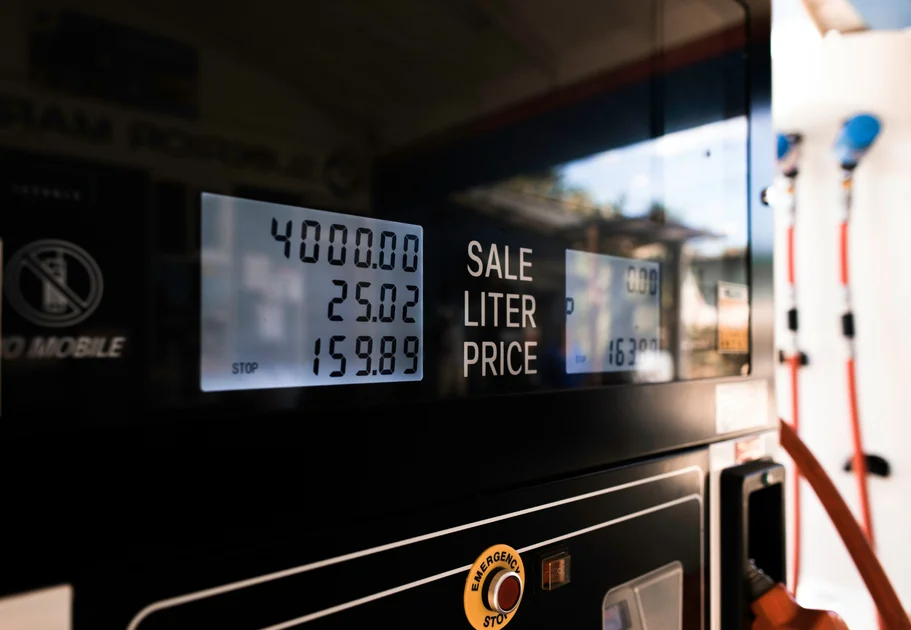
To improve fuel efficiency through better driving habits is to engage in a profound dialogue between human intention and mechanical conservation. In this year of 2026, as our relationship with mobility shifts toward greater environmental consciousness, the way we handle our vehicles serves as a mirror to our own discipline. Driving is no longer merely a means of transit; it is an act of stewardship over limited resources and a testament to one’s awareness of the kinetic world. By moderating our velocity and refining our interaction with the accelerator, we not only reduce our carbon footprint but also cultivate a meditative state of focus on the road. Understanding the physics of motion allows us to transform the mundane act of commuting into a deliberate practice of efficiency, balance, and environmental respect.
The Philosophy of Momentum
Modern vehicles in 2026 are marvels of engineering, yet they remain bound by the fundamental laws of thermodynamics. When we drive with aggressive acceleration, we are essentially converting precious energy into heat and noise rather than forward progress. The philosophical driver understands that momentum is a gift—once earned, it should be preserved rather than squandered through panicked braking. By maintaining a constant speed and anticipating the flow of traffic, we avoid the wasteful cycles of stop-and-go energy dissipation. This approach requires a detachment from the frantic pace of the highway, encouraging us to see the road as a fluid environment where harmony, rather than speed, dictates success.
Cultivating this habit requires a shift in perception. Instead of viewing the red light ahead as an obstacle, see it as an opportunity to let gravity and friction do the work for you. By lifting your foot from the accelerator well before an intersection, you allow the vehicle to glide, reducing the load on the drivetrain and saving fuel. This practice, often called coasting or hypermiling, is the ultimate expression of mechanical empathy. When we respect the machine, the machine rewards us with increased longevity and lower consumption. It is a symbiotic relationship that turns the road into a classroom for patience and technical precision.
The Anatomy of Resistance

Aerodynamic drag and rolling resistance are the silent antagonists in our quest for fuel economy. As we push our vehicles through the air at high speeds, the energy cost increases exponentially, not linearly. Driving at eighty miles per hour is significantly more taxing on your fuel reserves than maintaining a steady sixty-five, a reality that every conscious driver must acknowledge. In 2026, many vehicles feature active grille shutters and intelligent aerodynamics, yet these systems cannot compensate for the sheer brute force of pushing through air at excessive speeds. Keeping your windows closed at high speeds and removing unnecessary roof racks can drastically alter your vehicle’s profile, making it a more efficient vessel for travel.
Beyond aerodynamics, the contact point between rubber and asphalt plays a critical role in efficiency. Maintaining proper tire pressure is perhaps the most overlooked aspect of vehicle maintenance, yet it is foundational to optimal performance. Under-inflated tires increase rolling resistance, forcing the engine to work harder just to maintain a baseline speed. Regularly checking your tire pressure with a digital gauge ensures that your vehicle is not fighting against itself on every mile traveled. This simple, tactile interaction with your car reinforces the connection between the driver’s actions and the vehicle’s output, grounding our driving habits in tangible, physical reality.
Comparison of Fuel Saving Strategies
| Strategy | Impact Level | Difficulty | Notes |
|---|---|---|---|
| Smooth Acceleration | High | Low | Avoids wasted torque energy. |
| Maintaining Tire Pressure | Medium | Very Low | Check monthly for best results. |
| Speed Moderation | High | Medium | Reduces aerodynamic drag significantly. |
| Weight Reduction | Low | Medium | Remove heavy items from the trunk. |
| Engine Idling Control | Medium | Low | Stop engine if idling over 60 seconds. |
| Cruise Control Use | Medium | Very Low | Best on flat, consistent terrain. |
Technology as a Guide
Modern dashboards in 2026 are equipped with sophisticated telematics that provide real-time feedback on fuel consumption. These digital interfaces are not merely distractions; they are pedagogical tools that educate the driver on the immediate consequences of their right foot’s behavior. By monitoring your instantaneous fuel economy, you can experiment with different throttle inputs and gear selections to find the “sweet spot” of your vehicle’s engine. This data-driven approach turns driving into a game of optimization, where the goal is to maximize the distance traveled per unit of energy. It is a transition from intuitive driving to informed, calculated transit.
The Role of Predictive Analytics
Many modern navigation systems now integrate predictive algorithms that account for elevation changes and traffic patterns. By leveraging these technologies, you can choose routes that minimize uphill climbs or avoid high-congestion areas that force inefficient idling. Following the guidance of an intelligent navigation system is a form of surrender—yielding your ego to the superior calculations of a machine that knows the topography of the land. This allows for a more relaxed driving style, as you are no longer fighting the terrain, but moving with it. Embracing these digital assistants is a key pillar of the modern, fuel-efficient lifestyle.
Reddit & Expert Community Consensus
“I started treating my fuel gauge like a bank account. Once I stopped racing to every red light, I noticed my average MPG jumped by nearly 15% in just a few weeks. The secret isn’t the car; it’s the lack of urgency you bring to the driver’s seat.” — User: EcoDrive_2026, r/AutomotiveInsights
“Industry experts agree that the ‘Golden Rule’ of efficiency is distance management. If you are close enough to see the brake lights of the car in front of you, you are already wasting energy. Maintain a three-second gap to allow for smooth, predictable speed adjustments.” — Senior Engineer, Automotive Efficiency Forum
Maintenance and Longevity
A well-maintained vehicle is inherently more efficient than one that has been neglected. Regular oil changes with high-quality, low-viscosity synthetic lubricants reduce internal engine friction, allowing components to move with less resistance. In 2026, the shift toward electric and hybrid platforms has changed the maintenance landscape, but the principle remains: a machine that runs smoothly consumes less energy. Whether it is keeping air filters clean to allow for optimal combustion or ensuring that fuel injectors are free of deposits, every maintenance task is an investment in your vehicle’s future efficiency. Think of it as preventative medicine for your car.
Furthermore, the health of your vehicle’s battery and electrical system can impact overall consumption. A struggling alternator places a parasitic load on the engine, forcing it to burn more fuel to compensate for the electrical demand. By ensuring that your vehicle’s electrical connections are clean and that your battery is in peak condition, you eliminate hidden sources of inefficiency. These small, meticulous actions are the hallmark of a driver who understands that efficiency is not a single event, but a continuous process of refinement. When you treat your car with care, it returns the favor with consistent, reliable performance.
The Psychology of the Commute
Why do we drive the way we do? Often, our driving style is a manifestation of our psychological state—our stress, our impatience, and our desire for control. When we are late, we speed, which paradoxically makes us more stressed and less efficient. Improving fuel efficiency requires us to confront these internal drivers. By planning our trips and allowing extra time for the journey, we remove the pressure to push the vehicle to its limits. A calm mind leads to a calm foot on the pedal. This internal transformation is perhaps the most difficult, yet most rewarding, aspect of becoming a more efficient driver.
As we navigate the roads of 2026, we must recognize that our driving habits have ripple effects. Every gallon of fuel saved is a reduction in the demand for extraction and processing, a small but significant contribution to a larger goal of sustainability. When we choose to drive efficiently, we are voting for a future where technology and human behavior align in service of the planet. It is an act of quiet rebellion against the culture of excess, proving that we can reach our destinations while leaving a smaller mark on the world. This is the true essence of the mindful, modern driver.
Key Takeaways
- Smooth, gradual acceleration preserves kinetic energy and prevents fuel waste.
- Maintaining correct tire pressure reduces rolling resistance and improves safety.
- Avoid high speeds, as aerodynamic drag increases energy consumption exponentially.
- Use real-time dashboard data to monitor and adjust your driving style.
- Anticipate traffic flow to maximize coasting and minimize harsh braking.
- Regular vehicle maintenance ensures all systems operate at peak efficiency.
Frequently Asked Questions
Does cruise control really save fuel?
Yes, on flat terrain, cruise control is excellent at maintaining a constant speed, which prevents the unnecessary fluctuations in throttle that waste fuel.
How much does tire pressure affect mileage?
Under-inflated tires can reduce your fuel economy by as much as 3% per PSI drop, making regular checks essential for efficiency.
Is it better to turn the engine off at red lights?
If you are waiting for more than 60 seconds, turning off the engine is generally more efficient than idling, as idling consumes fuel without moving the car.
Does the type of motor oil impact fuel economy?
Using the manufacturer-recommended, low-viscosity synthetic oil reduces internal engine friction, which can lead to measurable improvements in fuel efficiency.
How does weight affect fuel consumption?
Every extra 100 pounds in your vehicle can reduce your fuel economy by 1% to 2%, so keep your trunk clear of unnecessary heavy items.
Conclusion
Improving fuel efficiency through better driving habits is a journey of continuous refinement and self-awareness. In 2026, we have the tools and the knowledge to transform how we interact with our vehicles, turning every trip into an opportunity for conservation. By embracing smooth acceleration, respecting the laws of aerodynamics, and prioritizing regular maintenance, we can achieve a higher standard of travel. It is a practice that honors both the machine and the environment, reflecting our commitment to a more sustainable future. As you take to the road, remember that the most efficient component of any vehicle is the one behind the wheel.