



Navigating the landscape of common motorcycle problems and easy fixes requires more than just mechanical aptitude; it demands a philosophical alignment between rider and machine. As we journey through the 2026 riding season, the intimacy of the mechanical bond remains the bedrock of safety and performance. A motorcycle is not merely a tool for transit but a living, breathing entity that communicates its distress through vibrations, sounds, and subtle shifts in handling. When we approach maintenance as a dialogue rather than a chore, we transform the garage into a space of profound understanding. This guide seeks to illuminate the path toward self-reliance, ensuring that when your mount falters, you possess the wisdom to restore its equilibrium. Mastery over these common issues elevates the rider from a mere passenger to a guardian of the road.
The Battery and Electrical Paradox
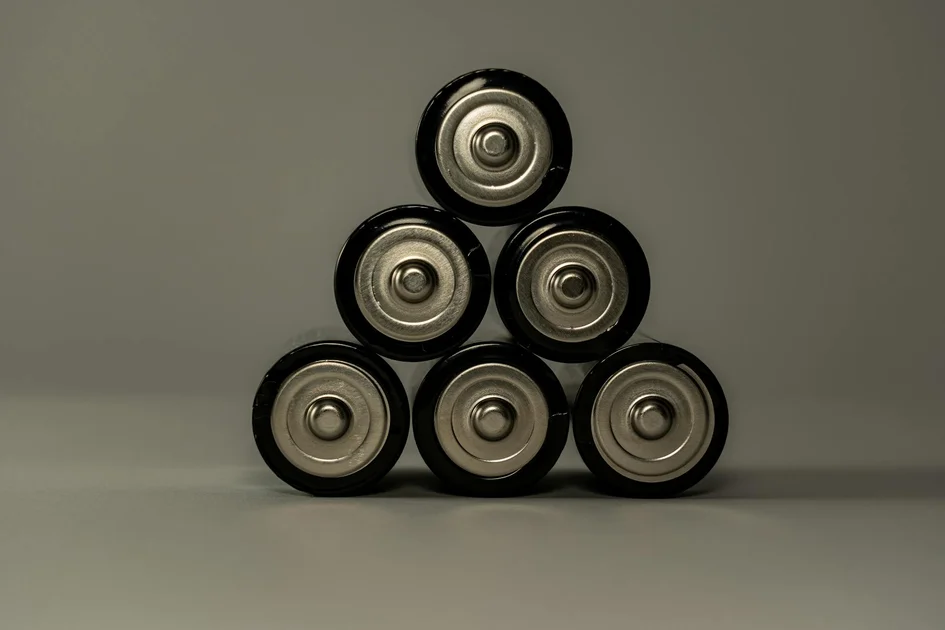
The most frequent ailment in our 2026 reality is the silent failure of the electrical system, often stemming from a neglected battery. Modern motorcycles, laden with sophisticated sensors and security systems, possess a parasitic draw that can deplete a battery during short periods of inactivity. When the ignition produces nothing but a hollow click, the rider is invited to pause and evaluate their commitment to the machine. Frequently, the culprit is not the battery itself but the terminals, which may suffer from oxidation or loose connections that disrupt the flow of vital current.
To address this, one must cultivate the habit of routine inspection. Ensure the terminal bolts are tightened to factory specifications, as vibration is the enemy of continuity. If the voltage drops below the functional threshold, a smart charger is your most reliable companion. By keeping the battery topped up during the off-season or long periods of storage, you prevent the chemical degradation that leads to premature failure. Treating your battery with respect ensures that the spark of life is always ready to ignite the engine when you demand it.
Fuel System Integrity
Fuel serves as the lifeblood of our machines, and its degradation is a common source of frustration. In 2026, the prevalence of ethanol-blended fuels necessitates a heightened level of vigilance. When a motorcycle hesitates or fails to start after sitting, the fuel lines or the internal filter are often partially obstructed by varnish deposits. This is a reminder that stagnation is antithetical to the nature of a machine designed for motion. A simple fix involves using high-quality fuel stabilizers and ensuring the tank is filled to the brim during storage to minimize condensation and subsequent corrosion within the fuel system.
If the engine continues to sputter, checking the fuel flow is essential. A blocked filter acts as a barrier to performance, choking the engine’s ambition. Replacing a filter is a meditative task, requiring patience and a clean workspace. By maintaining the purity of the fuel delivery system, you ensure that the power generated is consistent and reliable. For those interested in the technical nuances of fuel injection systems, visiting the RevZilla Gear Guide provides excellent insights into modern component maintenance, ensuring your machine operates at its absolute peak efficiency throughout the year.
Tire Dynamics and Safety
Pressure and Wear Analysis
Tires are the singular point of contact between your philosophy of motion and the reality of the asphalt. Maintaining correct air pressure is not just a safety requirement; it is a fundamental aspect of bike geometry and handling. An under-inflated tire alters the contact patch, leading to sluggish steering and unpredictable behavior in corners. Conversely, over-inflation compromises grip and comfort. Regularly checking pressures with a digital gauge is a ritual that honors the physics of the ride, allowing you to sense the subtle changes in how the bike tracks through sweeping curves or tight urban maneuvers.
Beyond pressure, visual inspection for uneven wear patterns reveals how the machine is being utilized. Scalloping or cupping often points toward suspension imbalances or incorrect damping settings. In 2026, tire technology has advanced significantly, offering compounds that balance longevity with extreme grip, yet no rubber can compensate for neglect. If you notice the tread depth approaching the indicators, resist the temptation to delay replacement. A fresh set of tires provides a renewed sense of confidence, allowing you to lean into the future with complete trust in your machine’s ability to hold the line.
Comparison Table / Specifications Table
| Component | Fix Difficulty | Primary Tool | Frequency |
|---|---|---|---|
| Battery Terminal | Low | Wrench Set | Quarterly |
| Fuel Filter | Medium | Pliers | Annually |
| Tire Pressure | Low | Digital Gauge | Weekly |
| Chain Tension | Medium | Tension Tool | Monthly |
| Spark Plugs | Medium | Socket Wrench | Bi-Annually |
| Oil Change | Medium | Drain Pan | Every 5k miles |
Pros and Cons Analysis
Engaging in DIY motorcycle maintenance offers a profound sense of accomplishment and a deeper understanding of mechanical systems. The primary advantage is the intimacy developed with your bike, which directly translates to improved safety and situational awareness. When you know exactly how the clutch cable adjusts or how the brake fluid color indicates its health, you become an extension of the machine. Furthermore, the cost savings are significant over the lifetime of ownership, allowing you to invest in better gear or performance enhancements that enrich your riding experience. It is a path toward self-sufficiency that removes the anxiety of being stranded.
However, one must acknowledge the potential drawbacks. Mechanical tasks require a dedicated space, time, and the right set of tools, which can be an initial barrier for many. There is also the inherent risk of improper assembly or maintenance; a mistake made in the garage can have serious consequences on the road. It is essential to consult the service manual—the bible of your specific model—before attempting any intervention. If a task exceeds your current expertise, seeking professional assistance is not a failure but a prudent decision. Balancing ambition with humility ensures that your machine remains a source of joy rather than a liability.
Drive Train and Clutch Health
The transmission of power from the engine to the rear wheel is a dance of tension and friction. A loose drive chain can cause snatching during acceleration, while a chain that is too tight places excessive stress on the output shaft bearings. Maintaining the correct slack is a fundamental skill that every rider should master. Regular lubrication keeps the rollers moving freely, extending the life of both the chain and the sprockets. This maintenance is a rhythmic process, echoing the cyclical nature of the ride itself, and serves as a tactile check on the machine’s overall mechanical health.
The clutch, conversely, is the bridge between stationary potential and kinetic freedom. If your clutch begins to slip or the engagement point feels vague, the cable tension or fluid levels are likely the culprits. Adjusting the cable is often an easy fix that restores the crispness of your shifts. For those riding in heavy traffic, the clutch is subject to immense wear, making periodic inspection a necessity. Understanding the tension in your hands as you operate the lever is a form of sensory feedback that informs you about the health of your drivetrain, fostering a deeper connection to the mechanics of motion.
Key Takeaways
- Consistent battery maintenance prevents unexpected electrical failure and prolongs component life.
- Fuel system integrity is paramount, especially when utilizing ethanol-blended fuels in modern engines.
- Tire pressure monitoring is the most critical factor for maintaining handling and safety on the road.
- Regular chain lubrication and tensioning ensure efficient power delivery and reduced mechanical wear.
- Consulting the official service manual for your 2026 model is non-negotiable for safe repairs.
- Developing a personal connection to your motorcycle transforms maintenance from a chore into a rewarding practice.
Frequently Asked Questions
Why does my motorcycle struggle to start after sitting for a month?
The most common cause is battery discharge or fuel degradation. Ensure your battery is on a tender and use a fuel stabilizer during periods of inactivity.
How often should I check my chain tension?
You should inspect and adjust your chain tension every 500 to 1,000 miles or whenever you notice excessive slack or noise during acceleration.
Can I use automotive oil in my motorcycle?
It is generally not recommended. Motorcycle engines often share oil with the wet clutch, requiring specific additives found in motorcycle-rated JASO oils.
What is the most important tool for a beginner mechanic?
A high-quality torque wrench is essential. It prevents the common mistake of over-tightening bolts, which can lead to stripped threads or cracked engine cases.
How do I know if my brake pads are worn out?
Most pads have a wear indicator groove. If the friction material is thinner than 2mm or you hear a metallic scraping sound, replace them immediately.
Conclusion
The journey of maintaining your motorcycle is an ongoing education in patience and precision. By addressing common problems with a methodical approach, you not only ensure the longevity of your machine but also cultivate a mindset that values preparation and presence. As we ride through 2026, let the maintenance of your bike serve as a reflection of your own path—always moving, always evolving, and always seeking harmony with the road ahead. Embrace the wrench, trust the manual, and enjoy the profound satisfaction that comes from knowing your machine as well as you know yourself. Your ride is a reflection of your dedication.