


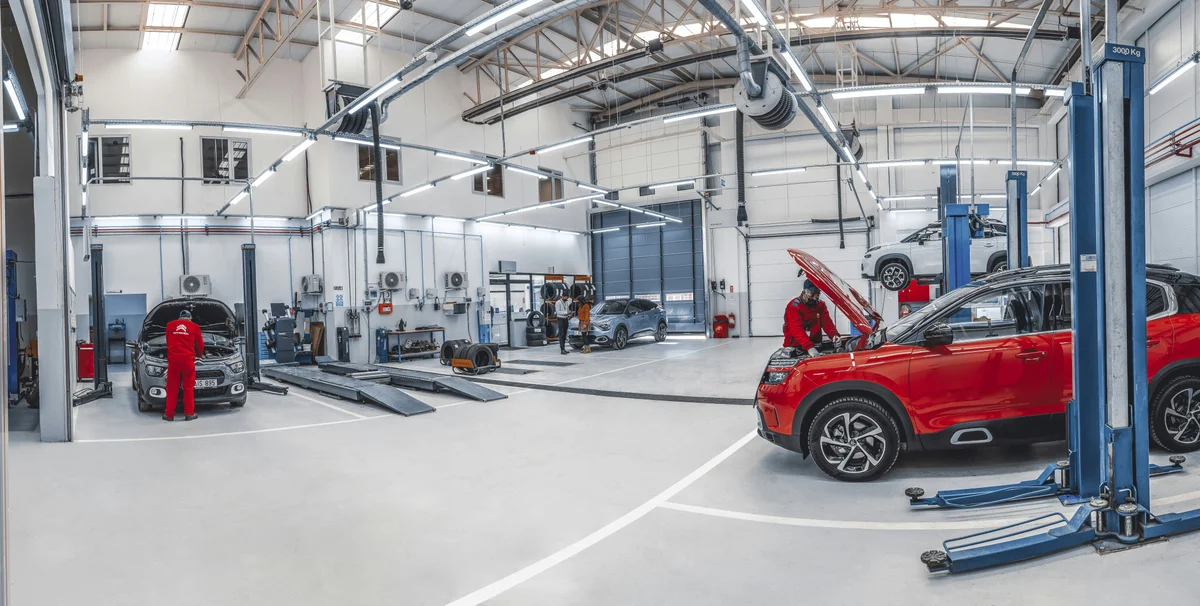
Adhering to a complete car maintenance schedule for vehicle owners is not merely a chore of mechanical preservation; it is a profound exercise in stewardship and foresight. In the year 2026, as our vehicles evolve into complex ecosystems of software and kinetic energy, the relationship between driver and machine demands a higher level of conscious attention. By treating your car as an extension of your own mobility, you transcend the mundane act of oil changes and tire rotations, transforming them into rituals of reliability. This guide serves as a philosophical and practical compass, ensuring that your journey remains uninterrupted by the entropy that naturally seeks to reclaim all man-made objects. Embracing this disciplined approach to automotive care protects your investment while fostering a deeper connection to the technology that carries you through life.
The Philosophy of Preventative Care
Preventative maintenance is the art of anticipating the future by observing the subtle language of the present. When we ignore the rhythmic hum of an engine or the tactile feedback of the steering wheel, we invite chaos into a system designed for order. In 2026, modern diagnostic tools provide us with unprecedented clarity, yet the human element remains the ultimate sensor. A disciplined maintenance schedule acts as a buffer against the unpredictability of the road, allowing you to intercept failure before it manifests as a stranded reality. True stewardship requires us to look beyond the immediate convenience of the moment and prioritize the long-term integrity of our mechanical companions.
Consider the engine oil, the lifeblood of your vehicle, which carries away the impurities of friction. Regularly scheduled changes are not just recommendations; they are promises kept to the internal components working in harmony. As we navigate the complexities of 2026, where vehicle hardware is increasingly integrated with cloud-based software updates, the foundational mechanical needs of the automobile remain constant. By committing to a routine, you cultivate a mindset of resilience. This proactive stance ensures that you are never caught off guard, transforming the potential for mechanical tragedy into a predictable cycle of restoration and renewal that keeps your vehicle performing at its peak potential.
Establishing Your Routine

To master the upkeep of your vehicle, one must first establish a cadence that aligns with your specific driving patterns and environmental stressors. A car subjected to the harsh, salty winters of the north or the unrelenting heat of a desert climate requires a more rigorous schedule than one driven in temperate, predictable zones. We must acknowledge that the owner’s manual is not merely a suggestion, but a blueprint for longevity. By logging every service event, you create a narrative of care that adds significant value to the vehicle’s history, demonstrating to any future custodian that this machine was handled with respect and intellectual rigor.
The Vital Fluids and Filters
Fluids are the silent workers of your automotive system, facilitating everything from thermal regulation to hydraulic force. Beyond engine oil, one must vigilantly monitor brake fluid, coolant levels, and transmission fluid to ensure hydraulic integrity. Filters, often overlooked, act as the lungs and kidneys of the car, straining out the particulate matter that would otherwise accelerate internal wear. Replacing these components at prescribed intervals is a fundamental act of maintenance that prevents the accumulation of sludge and debris. By keeping these systems pristine, you allow the vehicle to breathe and flow with the efficiency intended by its original engineers, preserving the machine’s spirit for years to come.
Comparison Table / Specifications Table
| Maintenance Task | Conventional Engine | Electric Vehicle | Notes |
|---|---|---|---|
| Oil Change | Every 5k-7k miles | N/A | Essential for internal combustion. |
| Coolant Flush | Every 30k-50k miles | Every 60k-100k miles | Critical for thermal management. |
| Brake Inspection | Every 10k miles | Every 15k miles | EVs use regenerative braking. |
| Cabin Air Filter | Every 15k miles | Every 15k miles | Improves air quality for passengers. |
| Tire Rotation | Every 5k-8k miles | Every 5k-8k miles | Promotes even tread wear. |
| Battery Health | Check terminals | Software analysis | EV batteries require thermal monitoring. |
Pros and Cons Analysis
A rigorous maintenance regime offers undeniable advantages, primarily in the form of safety, reliability, and long-term financial preservation. By catching minor issues like a fraying belt or a thinning brake pad early, you avoid the compounding costs of catastrophic failure. Furthermore, a well-maintained vehicle retains a significantly higher resale value, reflecting its documented history of care. This peace of mind is invaluable, as it transforms the act of driving from a gamble into a calculated, secure experience. You are essentially paying a small premium today to avoid a potentially devastating financial or safety crisis in the future, which is the hallmark of a sophisticated vehicle owner.
However, one must be honest about the drawbacks, which include the expenditure of both time and capital. Maintaining a strict schedule requires a commitment to appointments and a willingness to invest in quality parts and professional labor. Some may feel that the frequency of these checks is excessive, particularly when the car appears to be functioning perfectly. It is easy to fall into the trap of believing that silence is synonymous with health, yet this is a dangerous fallacy in the world of mechanical engineering. The cost of maintenance is an inescapable reality of vehicle ownership, and one must weigh the inconvenience against the necessity of avoiding systemic breakdown.
The Digital Integration of 2026
In the current technological landscape of 2026, the car has become a data-driven entity. Modern vehicles now alert us to their own deficiencies, utilizing sensors that track everything from tire pressure to the health of the electrical grid. This digital evolution does not replace the human responsibility of maintenance; rather, it elevates it. We are now tasked with interpreting the data provided by our vehicles and acting upon it with urgency. By integrating these digital insights into your physical maintenance schedule, you achieve a level of precision that was impossible only a decade ago, ensuring your vehicle remains optimized for every mile traveled.
One must be careful, however, not to rely solely on the dashboard warning lights. These systems are indicators, not replacements for tactile inspection and professional diagnostic expertise. A true steward learns to recognize the early signs of wear before the software even registers a fault. By combining the digital convenience of 2026 with the traditional, hands-on approach to vehicle care, you create a dual-layered defense against neglect. This synthesis of old-world mechanical intuition and modern technological precision is the defining characteristic of the successful, conscientious vehicle owner in our contemporary age.
Safety and the Ethical Drive
Your vehicle is not an isolated unit; it exists within a broader social context. When you maintain your car, you are not just preserving your property; you are fulfilling an ethical obligation to the safety of your fellow travelers. A vehicle with failing brakes or worn tires is a hazard to every person on the road. Consequently, adhering to a complete car maintenance schedule is a communal act, an unspoken agreement to contribute to the collective safety of our shared infrastructure. We have a moral imperative to ensure our machines are worthy of the speed and power they possess, minimizing the risk of preventable accidents through diligent, consistent mechanical oversight.
Furthermore, consider the environmental impact of a poorly maintained machine. Engines that are not tuned correctly consume more fuel and emit higher levels of pollutants, violating the delicate balance of our ecosystem. By ensuring your vehicle operates at peak efficiency, you reduce your carbon footprint and minimize the waste associated with early parts failure. Every time you choose to replace a filter or check your alignment, you are making a small but significant choice in favor of sustainability. Responsibility, in this light, is the cornerstone of modern automotive ownership, and it is a commitment that defines the integrity of the driver.
Key Takeaways
- Understand that maintenance is an investment in your safety and the longevity of your vehicle.
- Follow the manufacturer’s service schedule as the foundational guide for your specific model.
- Integrate digital diagnostic alerts with manual inspections to catch potential issues early.
- Prioritize high-quality fluids and OEM parts to ensure the integrity of the system.
- Recognize that your vehicle’s condition affects the safety of everyone on the road.
- Maintain detailed records to preserve the financial and mechanical history of your car.
Frequently Asked Questions
Why is the owner’s manual so important?
The manual is the specific blueprint designed by the engineers who built your car, detailing the exact requirements for its health and longevity.
How does 2026 technology affect maintenance?
Modern vehicles use advanced sensors to track performance, allowing for predictive maintenance that addresses issues before they become critical failures.
Can I perform maintenance myself?
Yes, many routine tasks like air filter changes are accessible, but complex work should be left to certified professionals to maintain your warranty.
How often should I rotate my tires?
Generally every 5,000 to 8,000 miles, which helps ensure even tread wear and maintains optimal traction for your specific driving environment.
Is high-mileage oil worth the cost?
For older vehicles, high-mileage oil contains additives that help swell seals and reduce leaks, providing significant benefits for long-term engine health.
Conclusion
Maintaining a vehicle is a journey that mirrors the miles we travel. By embracing a disciplined schedule, we protect our investments and ensure our safety while contributing to the well-being of the broader community. In 2026, the fusion of traditional mechanical care and advanced digital diagnostics offers us the best opportunity in history to keep our machines in peak condition. Let your maintenance habits be a reflection of your commitment to excellence, foresight, and ethical stewardship. As you move forward, remember that every hour spent in the garage or at the service center is a testament to the longevity of your mechanical life partner.