


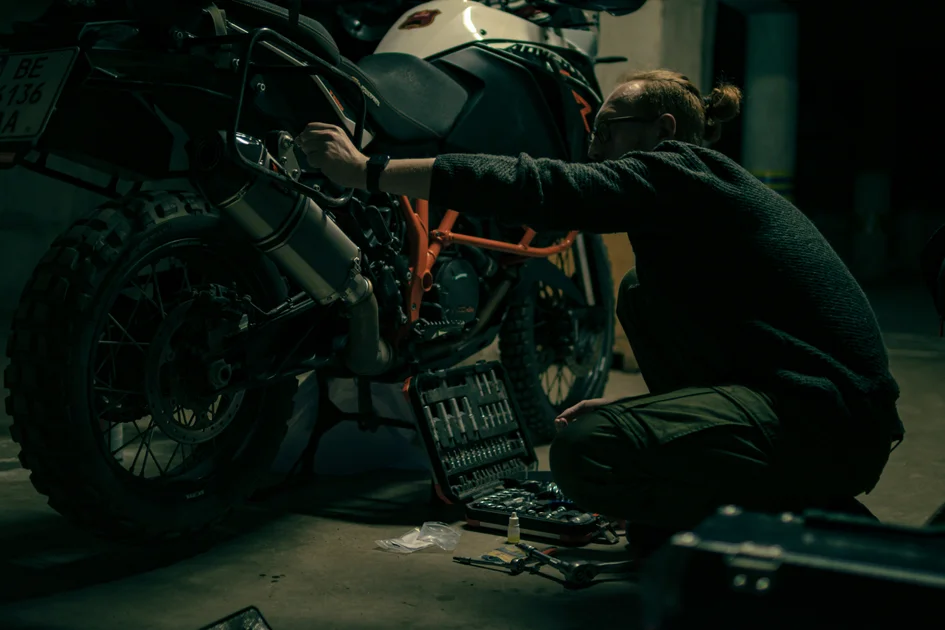
To maintain a motorcycle for long-term reliability in 2026, one must cultivate a philosophy of stewardship rather than mere ownership. A machine is not a static object but a dynamic system of thermal, kinetic, and chemical interactions that mirror the biological rhythms of life itself. When you approach your bike with the intention of longevity, you are participating in a dialogue between human intelligence and mechanical precision. By understanding the friction, heat, and wear that define the mechanical existence of your ride, you transition from a passive operator to a guardian of the machine’s legacy. This reflective approach ensures that your motorcycle remains a reliable companion through the shifting seasons of the road, demanding only consistent mindfulness and a commitment to the fundamental principles of mechanical preservation in an era of rapid technological change.
The Philosophy of Preventative Care

Preventative maintenance is the highest form of respect one can offer to a mechanical heart. In 2026, the complexity of electronic fuel injection and ride-by-wire systems has increased, yet the core requirement for oil, air, and structural integrity remains unchanged. By adhering to a rigorous schedule, you preempt the cascading failures that plague neglected machines. It is far better to replace a small gasket or an aging seal today than to face a catastrophic engine failure tomorrow. This discipline requires a shift in perspective, viewing the service manual not as a suggestion, but as a sacred text that guides the preservation of your investment and your safety.
Consistency is the bedrock upon which reliability is constructed. Every time you inspect your chain tension or check your tire pressures, you are gathering data about the health of your motorcycle. These small, ritualistic acts of care build a subconscious intimacy with the bike, allowing you to detect subtle anomalies in performance before they manifest as costly repairs. When you treat maintenance as a meditative practice, you remove the burden of labor and replace it with the satisfaction of craftsmanship. This approach ensures that your motorcycle remains not just operational, but optimized for the long journey ahead, regardless of the miles accumulated on the odometer.
Understanding Fluid Dynamics and Lubrication
The lifeblood of any internal combustion engine is its oil, a substance that fights the relentless entropy of friction. Modern synthetic lubricants have reached unprecedented levels of sophistication by 2026, offering thermal stability that was unimaginable only a decade ago. However, no oil can overcome the presence of microscopic metal particulates or the breakdown of chemical additives that occurs over thousands of miles. Regularly draining the old fluid is akin to a renewal of the machine’s spirit, flushing away the debris of intense combustion and preparing the internal surfaces for another cycle of high-stress operation. Always utilize the manufacturer-recommended viscosity to ensure the oil pump functions at peak efficiency.
The Crucial Role of Cooling Systems
Beyond lubrication, the cooling system represents the boundary between longevity and thermal exhaustion. In 2026, liquid-cooled engines rely on complex radiator arrays and high-pressure pumps to maintain an ideal operating temperature. Over time, coolants can become acidic, eating away at aluminum housings and rubber hoses from the inside out. Flushing the system every two years is a non-negotiable requirement for those who demand decades of service from their motorcycles. By preserving the integrity of the cooling circuit, you protect the cylinder head gaskets and maintain the narrow tolerances required for high-performance efficiency, ultimately preventing the warping and seizing that claim so many neglected powerplants.
Pros and Cons Analysis
Adopting a meticulous maintenance regimen requires a balance of time, financial investment, and mechanical effort. Understanding the trade-offs is essential for any serious rider.
Pros: A well-maintained motorcycle offers unparalleled reliability, ensuring you are never stranded far from home. It also preserves the resale value, as buyers in 2026 prioritize detailed service logs. Furthermore, the act of maintaining the bike fosters a deep understanding of its systems, which translates to a more confident and intuitive riding experience. You save significant costs over the long term by avoiding major repairs that result from systemic neglect.
Cons: The primary drawback is the significant time commitment required to perform regular inspections and services. Specialized tools and high-quality fluids add to the cost, which can be perceived as an upfront burden. There is also a risk of error for those attempting complex repairs without proper training or documentation. Finally, the physical effort required for heavy maintenance tasks can be demanding, necessitating a dedicated space and the right equipment to perform the work safely and correctly.
Comparison Table / Specifications Table
| Feature | Standard Maintenance | Long-Term Stewardship | Notes |
|---|---|---|---|
| Oil Change Intervals | Every 5,000 miles | Every 3,000 miles | Synthetic is mandatory |
| Coolant Replacement | Every 4 years | Every 2 years | Prevent internal corrosion |
| Chain Maintenance | Lubrication only | Clean, Lube, and Align | Extend sprocket life |
| Tire Pressure Check | Monthly | Before every ride | Essential for safety |
| Air Filter Service | Replacement only | Clean/Inspect regularly | Depends on environment |
| Brake Fluid Flush | Every 3 years | Every 2 years | Prevents moisture buildup |
The Importance of Structural Integrity
A motorcycle is a chassis designed to manage the stresses of gravity and momentum, and the structural integrity of the frame and suspension is paramount. Over years of riding, vibrations can cause fasteners to loosen, while exposure to the elements can initiate subtle corrosion in hidden joints. In 2026, many high-end motorcycles utilize advanced composite materials and lightweight alloys that require specific torque settings. Using a calibrated torque wrench is not merely a suggestion; it is a critical safeguard against stripping threads or failing to secure components under load. Regularly checking the torque on critical bolts ensures the skeleton of your machine remains rigid and responsive.
Suspension components often fall victim to neglect, yet they are the primary interface between the rider and the road surface. Fork seals, shock linkages, and pivot bearings should be inspected for signs of weeping or excessive play. In 2026, suspension technology has become increasingly integrated with electronic damping, which requires clean, uncontaminated fluid to function properly. By servicing the suspension at prescribed intervals, you ensure the bike maintains its handling characteristics, preventing the degradation of tires and the development of unpredictable handling traits. A motorcycle that handles well is a motorcycle that is safer to operate, further contributing to its longevity and your enjoyment.
Electrical Systems and Modern Electronics
In the modern landscape of 2026, the motorcycle’s electrical system is its central nervous system. Modern bikes are increasingly reliant on ECU sensors, complex wiring harnesses, and high-performance lithium-ion batteries. Ensuring the health of these components requires keeping connections clean and free of corrosion, especially in humid climates. Periodically inspecting the battery terminals for oxidation and ensuring the charging system is providing a steady voltage are simple tasks that prevent the most common cause of roadside failure: the electrical short. When electrical integrity is compromised, the diagnostic process becomes exponentially more difficult, making preventative cleanliness a vital strategy.
Furthermore, firmware updates have become a reality for the modern rider. Many manufacturers now release software enhancements that optimize fuel mapping or traction control parameters. Checking with official service centers or using authorized diagnostic tools to keep your bike’s software current is an often-overlooked aspect of long-term reliability. By keeping the digital brain of your machine as updated as its mechanical components, you ensure that the engine operates within the latest parameters designed by engineers to maximize efficiency and longevity. This synergy between the mechanical and the digital is the hallmark of the modern, well-maintained motorcycle in the current year.
Key Takeaways
- Consistency is the primary driver of long-term mechanical health and reliability.
- Treat maintenance as a reflective, meditative practice rather than a chore.
- Use high-quality fluids and follow manufacturer torque specifications precisely.
- Monitor the electrical system to prevent modern electronic failure points.
- Document all service history to preserve the motorcycle’s value and legacy.
- Prioritize the cooling and suspension systems to protect the engine and handling.
Frequently Asked Questions
How often should I change my synthetic oil in 2026?
While some manuals suggest longer intervals, changing your oil every 3,000 miles is the gold standard for long-term engine health, especially in stop-and-go traffic.
Is it necessary to use a torque wrench for all bolts?
Using a torque wrench on critical fasteners like engine mounts, axles, and brake calipers is essential to prevent mechanical failure and thread damage.
What is the most common cause of electrical failure?
The most common cause is corrosion at battery terminals or loose connections caused by vibration, which can be prevented with regular inspections and dielectric grease.
How do I know if my suspension needs service?
Look for oil weeping from fork seals, listen for clunking noises in the rear linkage, and monitor for a loss of damping or “bouncy” handling during corners.
Should I perform my own maintenance or visit a shop?
If you have the tools and patience, DIY maintenance is rewarding, but complex electronic diagnostics or internal engine work should be entrusted to certified professionals.
Conclusion
Maintaining a motorcycle for long-term reliability is an act of commitment that transcends the simple utility of transportation. By embracing the principles of preventative care, respecting the fluid and structural requirements of your machine, and staying informed through the lens of 2026 technology, you ensure that your motorcycle remains a dependable partner. The miles you accumulate are not merely a measure of distance, but a testament to the bond between rider and machine. May your maintenance routine be as rewarding as the road itself, preserving the joy of the ride for many years to come.