



Understanding the warning signs your vehicle needs immediate service is akin to deciphering the silent language of a complex companion that carries us through the modern 2026 landscape. Much like the human body, a machine broadcasts distress signals long before it reaches a point of catastrophic failure. We often treat our cars as mere appliances, yet they are intricate systems of thermodynamics, fluid dynamics, and electronic logic. When a dashboard light flickers or a strange vibration resonates through the chassis, it is not merely a mechanical nuisance; it is an invitation to pause and acknowledge our interdependence with the tools we utilize. Neglecting these signals is a form of cognitive dissonance, where we prioritize the convenience of the present over the inevitable reality of entropy that governs all physical existence.
The Language of Dashboard Indicators
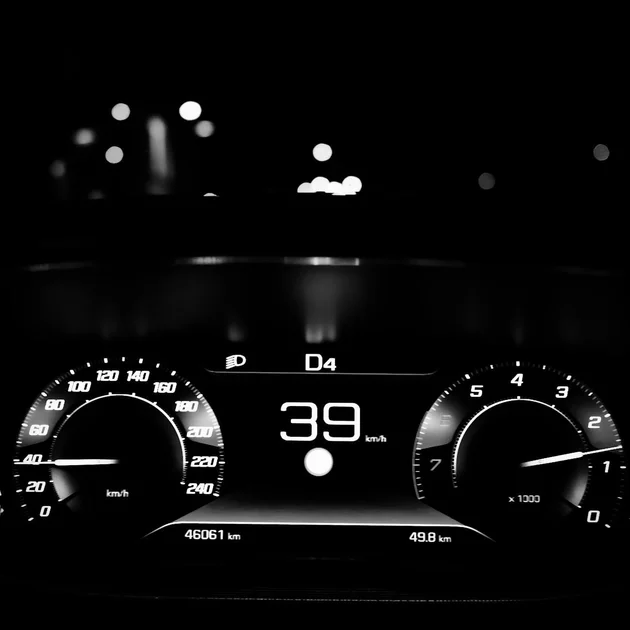
The illuminated icons on your instrument cluster serve as the primary interface between the vehicle’s internal nervous system and the driver. In 2026, modern diagnostics have become incredibly precise, turning the check engine light from a vague mystery into a specific data point. When this light remains steady or begins to flash, it suggests a disruption in the combustion cycle or an emissions discrepancy that demands professional attention. Ignoring these electronic warnings is akin to disregarding a persistent cough; the underlying issue rarely resolves itself and often compounds into a much larger, more expensive ailment.
Beyond the engine light, the oil pressure and temperature gauges provide a real-time narrative of the vehicle’s vital signs. If your oil pressure drops, the friction within the engine block increases exponentially, leading to accelerated wear on internal components. Similarly, a temperature gauge creeping into the red zone indicates a failure in the cooling loop, which can cause warping of the cylinder head within minutes. Recognizing these signs requires a calm, observant mindset that prioritizes long-term mechanical health over the fleeting desire to arrive at a destination a few minutes faster.
Decoding Auditory Anomalies
Sound is often the first messenger of mechanical fatigue. A high-pitched squeal upon starting the car might signal a loose serpentine belt, while rhythmic grinding during braking points toward worn pads that have reached their wear indicators. These auditory cues are the vehicle’s way of expressing physical stress before total failure occurs. By tuning into these subtle variations in road noise and engine hum, a mindful driver can preemptively intervene, saving both the integrity of the vehicle and the safety of those on the road.
Comparison Table of Diagnostic Symptoms
| Symptom | Potential Culprit | Risk Level | Recommended Action |
|---|---|---|---|
| Check Engine Light | Sensor Failure/Misfire | Moderate | OBD-II Scan Immediately |
| Grinding Brakes | Worn Brake Pads | High | Replace Pads and Rotors |
| Steering Vibration | Wheel Alignment/Balance | Low | Tire Rotation/Alignment |
| Sweet Engine Smell | Coolant Leak | Critical | Inspect Cooling System |
| Black Exhaust Smoke | Fuel Mixture Imbalance | High | Professional Diagnostics |
| Soft Brake Pedal | Hydraulic Fluid Leak | Extreme | Immediate Towing/Service |
Pros and Cons Analysis
Proactive vehicle maintenance is a philosophy of stewardship. The primary advantage of addressing service needs early is the preservation of capital; a small repair today prevents a total engine or transmission overhaul tomorrow. Furthermore, a well-maintained vehicle offers a predictable driving experience, reducing the existential anxiety associated with the fear of being stranded in remote or unsafe environments. We foster a relationship of trust with our machines when we respect their limitations and provide them with the care they require, ultimately extending their operational lifespan significantly beyond the industry average.
Conversely, the drawback of constant vigilance is the perceived inconvenience and the immediate financial outlay. Many drivers feel the sting of a service bill and wonder if the warning signs were exaggerated by a mechanic or a sensitive sensor. There is also the cognitive load of scheduling appointments and navigating the logistics of alternate transportation. However, when we weigh these temporary burdens against the potential for a catastrophic breakdown on a highway or the loss of vehicle resale value, the logic of immediate service becomes undeniably clear. It is a trade-off between short-term comfort and long-term security.
The Physics of Braking and Steering
The steering and braking systems are the primary conduits of control between the driver and the road surface. In 2026, advancements in electronic stability control and brake-by-wire systems have made these interactions smoother, yet they remain vulnerable to the laws of friction and wear. If your steering wheel pulls to one side or the vehicle requires more distance to come to a full stop, the geometry of your suspension or the state of your hydraulic lines may be compromised. These are not mere adjustments; they are safety imperatives that define the boundary between a controlled journey and a loss of agency.
We often underestimate the strain placed on these systems during daily commutes. Every turn, every stop, and every pothole contributes to the gradual degradation of tie rods, bushings, and rotors. To maintain a vehicle is to acknowledge the physical forces of the world and to prepare the machine to navigate them with resilience. When these systems show signs of fatigue, they are asking for a realignment with the standards of safety that were engineered into the vehicle at the factory. Do not treat these components as invincible; treat them as the finite assets they truly are.
Fluid Dynamics and Thermal Management
A vehicle is fundamentally a vessel for fluids that regulate heat and facilitate motion. From the engine oil that lubricates the pistons to the coolant that carries heat away from the core, these liquids are the lifeblood of automotive performance. When you notice a puddle beneath your car, it is a visual warning that the vessel is leaking its vitality. Determining the origin—whether it is dark, viscous oil or bright, translucent coolant—is a vital task for any owner. This discovery is a moment of truth where you must decide whether to continue or to seek professional assistance.
Thermal management is equally critical in the heat of a 2026 summer. Modern engines are designed to operate within a specific temperature window to maximize efficiency and minimize wear. If the cooling system is compromised, the engine enters a state of thermal stress that can cause permanent damage to metal components. By monitoring fluid levels and ensuring that radiator fans are operational, you are participating in the ongoing maintenance of the thermal equilibrium that keeps your vehicle moving. Never ignore a change in the color or consistency of your fluids, as these are often the first signs of internal degradation.
Key Takeaways
- Dashboard lights are actionable data points, not suggestions to be ignored.
- Unusual noises and vibrations are the primary indicators of structural or mechanical fatigue.
- Fluid leaks should be identified and addressed immediately to prevent catastrophic engine failure.
- Proactive maintenance significantly lowers long-term ownership costs compared to reactive repairs.
- Safety-critical systems like brakes and steering require professional inspection at the first sign of deviation.
- Stewardship of your vehicle reflects a commitment to personal safety and environmental responsibility.
Frequently Asked Questions
Why does my car vibrate at highway speeds?
Vibrations at high speeds are typically caused by unbalanced tires or alignment issues, which can lead to uneven tire wear and reduced handling precision.
Can I ignore a check engine light if the car feels fine?
You should never ignore this light, as it often indicates an emissions issue that could degrade your fuel economy or cause long-term damage to the catalytic converter.
How often should I check my vehicle fluids?
It is recommended to perform a visual inspection of your oil, coolant, and brake fluid levels at least once a month or before any long road trip.
What does a sweet smell inside the car mean?
A sweet, syrupy smell is often a sign of a coolant leak, which can lead to overheating; you should have your cooling system inspected by a professional immediately.
Are high-mileage vehicles more prone to these warning signs?
Yes, as components age, they become more susceptible to wear and tear, necessitating more frequent check-ups to ensure the vehicle remains reliable and safe to operate.
Conclusion
The journey of vehicle ownership is one of constant learning and careful attention. By staying attuned to the subtle shifts in your car’s performance, you transition from a passive operator to a conscious steward of your machine. In 2026, we have more tools than ever to monitor our vehicles, yet the most important tool remains our own awareness and willingness to act. When you heed the warning signs of mechanical distress, you are not just repairing a car; you are preserving your mobility, your safety, and your peace of mind. Treat your vehicle with the respect it deserves, and it will continue to carry you forward with reliability and grace.