


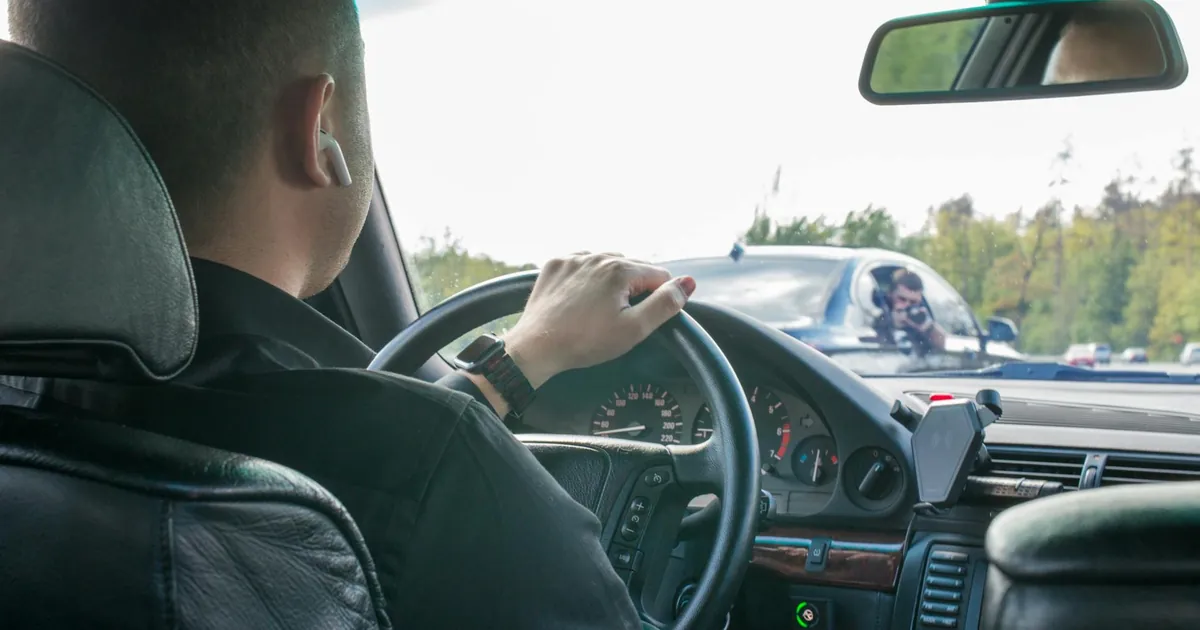
Defensive driving techniques for beginners aren’t just about following traffic rules—they’re about anticipating danger before it happens, turning every trip into a controlled, stress-free experience. Imagine cruising down a busy highway when suddenly, a distracted driver swerves into your lane. Your heart races, but because you’ve mastered defensive driving, you calmly adjust your speed, check your mirrors, and avoid a collision without breaking a sweat. That’s the power of proactive driving. Whether you’re a new driver or looking to sharpen your skills, these techniques will transform you from a reactive motorist into a confident, safety-conscious road user. From scanning the road like a chess player to handling aggressive drivers with ease, this guide covers everything you need to know to stay safe, reduce risks, and even save money on insurance.
What Is Defensive Driving? A 40-Word Definition
Defensive driving is a set of skills that help drivers predict hazards, control their vehicle, and avoid accidents—even when others make mistakes. It combines awareness, anticipation, and safe driving habits to minimize risks on the road, turning potential dangers into manageable situations before they escalate.
Master the Art of Situational Awareness
Situational awareness is the backbone of defensive driving. It’s not just about watching the car in front of you—it’s about seeing the entire road as a dynamic puzzle. Start by scanning your surroundings every 5 to 8 seconds, checking mirrors, blind spots, and the road ahead. Look for brake lights two or three cars ahead, not just the one directly in front of you. This gives you extra time to react if traffic suddenly slows.
Pay attention to road signs, weather conditions, and even pedestrians or cyclists who might dart into your path. For example, if you’re approaching a school zone, slow down and watch for children crossing unexpectedly. Similarly, if you spot a driver swerving or speeding, create extra space between your vehicle and theirs. The goal is to identify potential threats before they become immediate dangers.
How to Scan the Road Like a Pro
Effective scanning involves a systematic approach. Use the “12-second rule”: identify a point 12 seconds ahead of your vehicle (about a city block) and note any potential hazards. This could be a car merging aggressively, a pothole, or a traffic light turning yellow. Adjust your speed or position accordingly. Additionally, check your mirrors every 5 to 8 seconds to stay aware of vehicles approaching from behind or changing lanes.
Reading Traffic Patterns and Predicting Moves
Traffic moves in patterns, and learning to read them can give you a huge advantage. For instance, if you notice a cluster of cars braking frequently, it’s a sign of congestion or an upcoming obstacle. Similarly, if a driver in the left lane is tailgating a slower car, they might suddenly swerve into your lane. Anticipate these moves by positioning your vehicle where you have an escape route—like leaving space on either side of your car in case you need to maneuver quickly.
Keep a Safe Following Distance
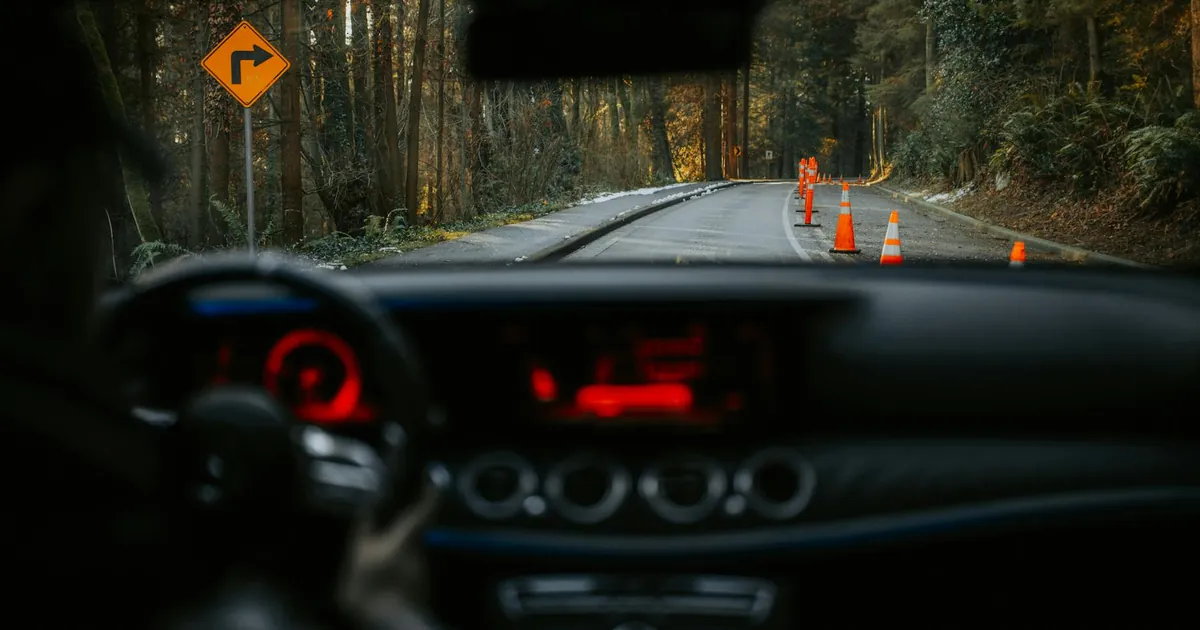
Tailgating is one of the most common causes of rear-end collisions, yet it’s entirely preventable. The “three-second rule” is a simple but effective way to maintain a safe following distance. Pick a stationary object, like a sign or a tree, and count the seconds between when the car in front passes it and when you do. If it’s less than three seconds, slow down. In bad weather or heavy traffic, increase this to four or five seconds for extra safety.
Why does this matter? It gives you enough time to react if the car ahead stops suddenly. For example, if a driver slams on their brakes to avoid hitting a deer, your three-second cushion could be the difference between a near-miss and a costly accident. Remember, the faster you’re going, the more distance you need to stop safely. At 60 mph, your car travels about 88 feet per second—so even a split-second delay in reaction time can be disastrous.
Adjusting for Weather and Road Conditions
Rain, snow, and ice reduce traction, making it harder to stop quickly. In wet conditions, increase your following distance to at least four seconds. If the roads are icy, aim for six seconds or more. Also, be extra cautious on bridges and overpasses, which freeze before other parts of the road. If visibility is poor due to fog or heavy rain, slow down and use your low beams to improve your view without blinding other drivers.
Dealing with Tailgaters Behind You

Even if you’re following the three-second rule, you might encounter a tailgater. Instead of braking suddenly (which could cause a collision), gently slow down to encourage them to pass. If they don’t, move to another lane when it’s safe. Avoid the temptation to speed up to “teach them a lesson”—this only increases the risk of an accident. Stay calm, focus on your own driving, and let aggressive drivers pass you by.
Control Your Speed and Avoid Aggressive Driving
Speeding is a leading cause of accidents, but defensive driving isn’t just about obeying speed limits—it’s about adjusting your speed to match the conditions. For example, driving the speed limit in a heavy rainstorm can still be dangerous if the roads are slick. Similarly, in dense traffic, maintaining a steady, moderate speed is safer than constantly accelerating and braking.
Aggressive driving behaviors like rapid lane changes, honking, or cutting off other drivers increase the risk of collisions. Instead, focus on smooth, predictable movements. Signal early before turning or changing lanes, and avoid sudden stops unless absolutely necessary. If another driver is aggressive, don’t engage—let them pass and maintain your composure. Remember, defensive driving is about staying in control, not winning a race.
How to Handle Speeding Temptations
It’s easy to speed when you’re running late or caught up in the flow of traffic. To resist the urge, give yourself extra time for your trip. If you’re consistently rushing, adjust your schedule to leave earlier. Another trick is to use cruise control on highways to maintain a steady speed. If you find yourself speeding out of habit, remind yourself that the few minutes you save aren’t worth the risk of a ticket or an accident.
Navigating High-Risk Areas Safely
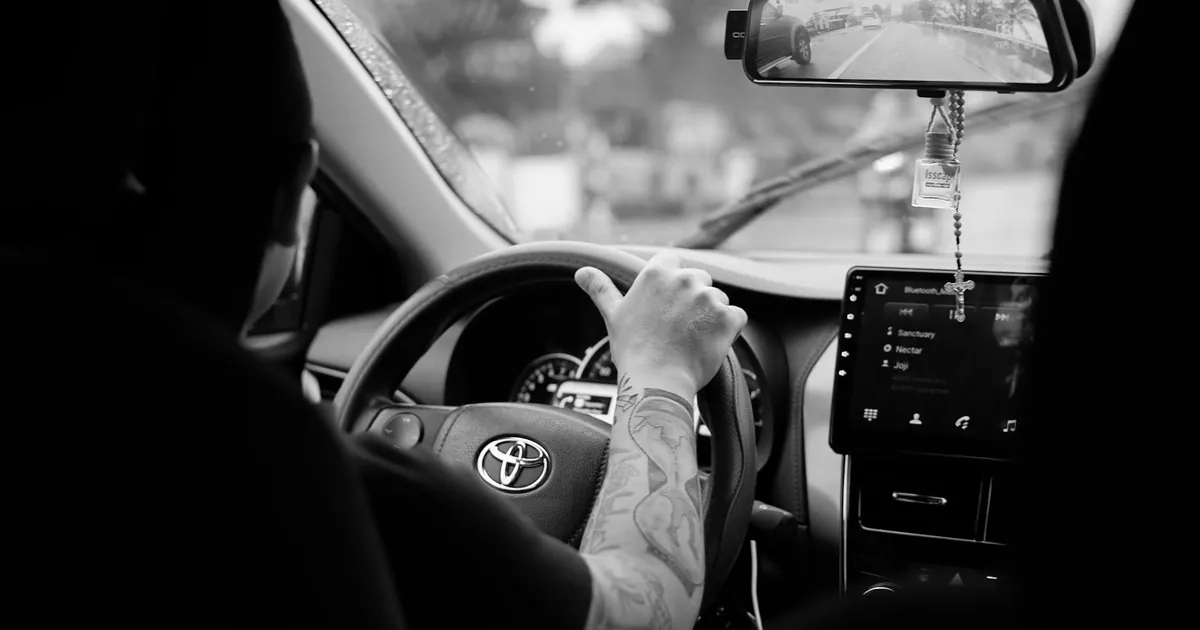
Certain areas, like school zones, construction sites, and busy intersections, require extra caution. In school zones, reduce your speed and watch for children who might dart into the road. Near construction sites, follow posted signs and be prepared for sudden lane shifts or stopped traffic. At intersections, even if you have the right of way, double-check for drivers running red lights or pedestrians crossing against the signal. Defensive driving means never assuming others will follow the rules.
Master the Use of Mirrors and Blind Spots
Your mirrors are your best friends on the road, but they’re only effective if you use them correctly. Adjust your side mirrors so you can just barely see the side of your car—this minimizes blind spots. Your rearview mirror should give you a clear view of the road behind you. Even with properly adjusted mirrors, blind spots still exist, especially for larger vehicles like trucks or SUVs. Always turn your head to check your blind spot before changing lanes or merging.
Here’s a pro tip: when driving on a multi-lane highway, position your car so you can see the headlights of the car behind you in your rearview mirror. This ensures you’re not in their blind spot. If you can’t see their headlights, they can’t see you, and they might merge into your lane without warning. Also, avoid lingering in other drivers’ blind spots—either speed up or slow down to get out of them.
How to Check Blind Spots Without Distraction
Checking blind spots doesn’t have to be a distraction. Develop a habit of glancing over your shoulder quickly and decisively. For example, when changing lanes, signal first, then take a quick look over your shoulder to confirm it’s safe. Avoid staring—just a quick glance is enough. If you’re driving a vehicle with large blind spots, like a truck or van, consider installing blind-spot mirrors for extra visibility.
Using Mirrors to Monitor Surroundings
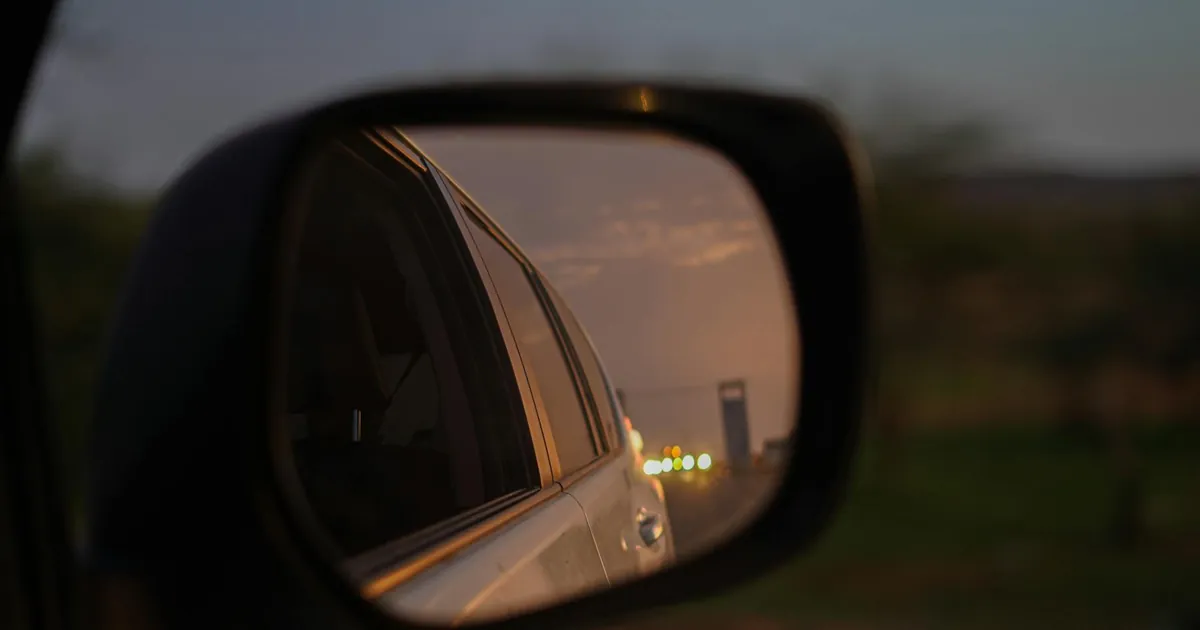
Your mirrors aren’t just for checking blind spots—they’re also tools for monitoring your surroundings. Use them to keep track of vehicles approaching from behind, especially when slowing down or stopping. If you notice a car tailgating you, check your mirrors frequently to stay aware of their position. Similarly, if you’re driving in heavy traffic, use your mirrors to anticipate lane changes or sudden stops from other drivers.
Handle Distractions and Stay Focused
Distracted driving is a growing epidemic, and even a split-second of inattention can lead to disaster. Common distractions include texting, eating, adjusting the radio, or even daydreaming. To stay focused, keep your phone out of reach—preferably in the glove compartment or trunk. If you need to use GPS, set it up before you start driving. If you’re traveling with passengers, ask them to help with navigation or other tasks so you can keep your eyes on the road.
Even hands-free devices can be distracting. Studies show that conversations, even over Bluetooth, reduce your brain’s ability to process driving-related information. If you must take a call, keep it brief and avoid emotional or complex discussions. Remember, your primary job behind the wheel is to drive—everything else can wait.
Managing In-Car Distractions
In-car distractions go beyond phones. Eating, drinking, or adjusting the climate controls can take your focus off the road. To minimize these, set your temperature and music before driving. If you need to eat, pull over to a safe spot. Even something as simple as reaching for a dropped item can be dangerous—wait until you’re stopped to retrieve it.
Staying Mentally Engaged While Driving
Boredom can be just as dangerous as distraction. Long drives, especially on highways, can lull you into a state of mental autopilot. To stay engaged, vary your focus. For example, practice “commentary driving” by narrating what you see: “Car merging ahead, checking mirrors, slowing down.” This keeps your brain active and helps you anticipate hazards. If you feel your mind wandering, take a break—pull over at a rest stop and stretch your legs.
Prepare for Emergencies and Unexpected Situations
No matter how skilled you are, emergencies can happen. The key to handling them is preparation. Start by keeping an emergency kit in your car, including items like a first-aid kit, flashlight, jumper cables, and a blanket. Know how to change a tire and check your oil and coolant levels. If you’re driving in winter, carry chains or a shovel in case you get stuck in snow.
If you’re involved in an accident, stay calm and follow these steps: move to a safe location if possible, check for injuries, and call emergency services. Exchange information with the other driver, but avoid admitting fault or arguing. If your car breaks down, pull over to the side of the road, turn on your hazard lights, and call for assistance. The more prepared you are, the less stressful these situations will be.
What to Do If Your Brakes Fail
Brake failure is rare but terrifying. If it happens, stay calm and take these steps: pump the brake pedal rapidly to build pressure, downshift to a lower gear to slow the car, and use the emergency brake gently. If you’re on a highway, signal and move to the shoulder as quickly and safely as possible. Avoid slamming on the brakes or turning the wheel sharply, as this can cause a skid.
Handling a Tire Blowout
A tire blowout can feel like your car is pulling to one side. If this happens, grip the wheel firmly and keep the car straight. Avoid braking suddenly—instead, let the car slow down gradually. Once you’re under control, pull over to a safe spot and change the tire or call for help. To prevent blowouts, check your tire pressure regularly and replace worn tires.
Key Takeaways
- Defensive driving is about anticipating hazards before they become threats, not just reacting to them.
- Use the three-second rule to maintain a safe following distance, and adjust for weather or traffic conditions.
- Scan the road every 5–8 seconds and use the 12-second rule to spot potential dangers early.
- Control your speed and avoid aggressive driving—smooth, predictable movements reduce risks.
- Check your blind spots before changing lanes, and avoid lingering in other drivers’ blind spots.
- Eliminate distractions by keeping your phone out of reach and staying mentally engaged.
- Prepare for emergencies with a car kit and know how to handle situations like brake failure or a blowout.
“Defensive driving isn’t just a skill—it’s a mindset. The best drivers aren’t the fastest or the most aggressive; they’re the ones who stay calm, anticipate risks, and make smart decisions before others even see the danger. It’s the difference between reacting to an accident and avoiding it altogether.”
—Sarah Johnson, Senior Driving Instructor at the National Safety Council
Frequently Asked Questions
Is defensive driving the same as regular driving?
No, defensive driving goes beyond basic traffic rules. While regular driving focuses on following laws, defensive driving emphasizes anticipation, awareness, and proactive safety measures. It’s about predicting what other drivers might do and preparing for the unexpected, not just reacting to it.
How can I practice defensive driving in heavy traffic?
In heavy traffic, focus on maintaining a safe following distance, scanning the road ahead for brake lights or sudden stops, and avoiding aggressive maneuvers. Use your mirrors frequently to monitor surrounding vehicles, and leave yourself an escape route—like space in the next lane—in case you need to maneuver quickly.
What’s the most common mistake new drivers make?
The most common mistake is fixating on the car directly in front instead of scanning the entire road. New drivers often fail to anticipate hazards two or three cars ahead, which reduces their reaction time. Defensive driving teaches you to look further ahead and adjust your speed or position before problems arise.
Can defensive driving lower my insurance rates?
Yes! Many insurance companies offer discounts for completing a defensive driving course. These courses teach advanced safety techniques, and insurers view graduates as lower-risk drivers. Check with your provider to see if they offer discounts for certified defensive driving programs.
How do I stay calm when other drivers are aggressive?
Aggressive drivers can be frustrating, but the key is to avoid engaging. Don’t make eye contact, don’t honk or gesture, and don’t speed up to “teach them a lesson.” Instead, let them pass and focus on your own driving. If they’re tailgating, slow down slightly to encourage them to overtake you. Staying calm keeps you in control and reduces the risk of an accident.
What should I do if I feel drowsy while driving?
Drowsy driving is just as dangerous as drunk driving. If you feel tired, pull over at the next safe spot and take a 15–20 minute nap. If you can’t stop, open the windows for fresh air, turn up the radio, or talk to a passenger to stay alert. Avoid relying on caffeine—it’s a temporary fix and can lead to a crash when it wears off.
Are there defensive driving techniques for night driving?
Night driving requires extra caution. Reduce your speed, increase your following distance, and use your low beams in oncoming traffic to avoid blinding other drivers. Watch for pedestrians, cyclists, and animals, which are harder to see in the dark. If you’re feeling fatigued, pull over and rest—night driving is already more challenging without added exhaustion.
Defensive driving isn’t just a set of techniques—it’s a way of thinking that keeps you and others safe on the road. By mastering these skills, you’ll not only reduce your risk of accidents but also become a more confident, stress-free driver. Start practicing today, and make every trip a safer one. Ready to take your driving to the next level? Sign up for a certified defensive driving course and put these techniques into action.