



Common driving mistakes can turn a routine commute into a dangerous situation in seconds. Whether you’re a new driver still getting comfortable behind the wheel or a seasoned motorist who’s developed some bad habits over the years, recognizing and correcting these errors is crucial for safety. From distracted driving to poor vehicle maintenance, these slip-ups contribute to thousands of accidents annually. The good news? Most are entirely preventable with awareness and practice. This guide dives deep into the most frequent driving mistakes, offering practical solutions to help you become a safer, more confident driver on the road.
What Are Common Driving Mistakes?
Common driving mistakes are habitual errors or oversights that compromise safety, efficiency, or vehicle longevity. These range from minor infractions like improper mirror adjustments to serious violations such as speeding or driving under the influence. According to the National Highway Traffic Safety Administration (NHTSA), human error accounts for over 90% of all traffic accidents. Understanding these mistakes is the first step toward preventing them and reducing your risk on the road.
Many drivers fall into the trap of overconfidence, assuming their experience makes them immune to errors. However, studies show that even seasoned drivers develop complacency over time. For example, failing to check blind spots before changing lanes is a mistake that both beginners and veterans make. The key difference between a safe driver and a reckless one often comes down to mindfulness and proactive habits.
Why These Mistakes Happen

Most driving mistakes stem from three root causes: distraction, lack of knowledge, or poor judgment. Distractions like smartphones, loud music, or even daydreaming divert attention from the road. Meanwhile, gaps in knowledge—such as not understanding how anti-lock brakes work—can lead to panic in emergencies. Poor judgment, like misjudging stopping distances in bad weather, often results from overestimating one’s skills or underestimating risks.
Another contributing factor is the “autopilot” effect, where drivers operate on muscle memory without actively engaging their brains. This is why you might arrive at your destination with no memory of the last few miles. Breaking this cycle requires intentional focus, especially in high-risk situations like merging onto highways or navigating construction zones.
How to Identify Your Own Mistakes
Self-awareness is the first step toward improvement. Start by asking yourself: Do I tailgate? Do I signal before turns? Do I check my mirrors every 5–8 seconds? Recording your drives (with a dash cam or smartphone) can reveal habits you didn’t realize you had. Alternatively, ask a trusted passenger for feedback. Many drivers are shocked to learn how often they speed or fail to yield when they review their own behavior objectively.
For a more structured approach, consider taking a defensive driving course. These programs, like the ones covered in our guide to defensive driving techniques, teach you to anticipate hazards and correct common mistakes before they lead to accidents.
Distracted Driving: The Silent Killer
Distracted driving is one of the most dangerous—and most common—mistakes on the road today. It’s not just about texting; anything that takes your eyes, hands, or mind off driving counts as a distraction. Eating, adjusting the radio, or even arguing with a passenger can impair your reaction time as much as alcohol. The NHTSA reports that distracted driving claimed 3,142 lives in 2020 alone, making it a leading cause of accidents.
The rise of smartphones has exacerbated this issue. A study by the Insurance Institute for Highway Safety (IIHS) found that drivers are four times more likely to crash when using a phone, even hands-free. The problem isn’t just the physical act of holding the device; it’s the cognitive load of carrying on a conversation. Your brain can’t fully process both the road and the conversation simultaneously, leading to delayed reactions.
Common Distractions and How to Avoid Them
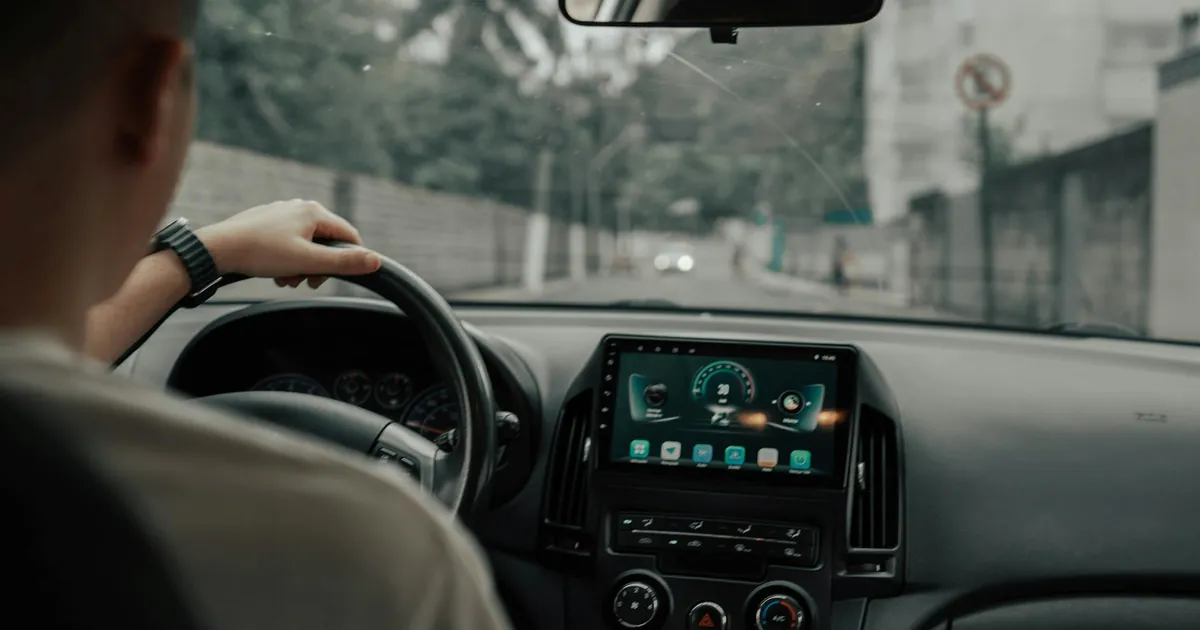
Here are the most frequent distractions and strategies to eliminate them:
- Smartphones: Use “Do Not Disturb While Driving” mode (available on iOS and Android) to silence notifications. If you must use your phone, pull over safely first.
- Eating/Drinking: Finish meals before driving or wait until you reach your destination. Spills can cause sudden, dangerous reactions.
- Passengers: Set ground rules for backseat drivers or rowdy passengers. If they’re distracting, ask them to quiet down or reschedule deep conversations.
- GPS/Navigation: Program your route before starting the car. If you need to adjust it, pull over or use voice commands.
For parents, children can be one of the biggest distractions. Keep them occupied with books, tablets, or snacks before driving. If they need attention, find a safe place to stop rather than turning around while moving.
Tech Tools to Reduce Distractions
Modern technology can also help combat distractions. Apps like DriveIDLE block incoming calls and texts while you’re driving. Some newer cars come with built-in systems that disable certain features (like touchscreens) when the vehicle is in motion. If your car doesn’t have this, consider aftermarket solutions like a phone mount that keeps your device in view but out of reach.
Another useful tool is a dash cam with driver-assistance features. These devices can alert you if you’re drifting out of your lane or following too closely, giving you a chance to correct your behavior before it becomes dangerous.
Speeding: More Than Just Breaking the Law
Speeding is often dismissed as a minor offense, but it’s a leading cause of fatal crashes. The faster you drive, the less time you have to react to hazards, and the longer it takes to stop. According to the Forbes Advisor, speeding contributes to nearly one-third of all traffic fatalities in the U.S. Yet, many drivers speed without realizing the risks, especially on highways where it feels “normal.”
The problem isn’t just about exceeding the posted limit. It’s also about driving too fast for conditions. For example, going 55 mph on a dry road might be safe, but the same speed on a wet or icy road can be deadly. Speed limits are set based on ideal conditions, so adjusting your speed for weather, traffic, and visibility is critical.
Why Drivers Speed (And How to Stop)

Drivers speed for a variety of reasons, some of which are psychological. Here are the most common triggers and how to overcome them:
- Running Late: Plan ahead to leave 10–15 minutes early. If you’re consistently late, reassess your schedule or wake-up time.
- Peer Pressure: If passengers encourage you to speed, politely remind them that safety comes first. If they persist, consider finding new friends.
- Habit: Many drivers speed without realizing it. Use cruise control on highways to maintain a steady, legal speed.
- Aggression: Road rage often leads to speeding. Practice deep breathing or listen to calming music to stay relaxed behind the wheel.
Another effective strategy is to reframe speeding in your mind. Instead of thinking, “I’ll save a few minutes,” remind yourself that speeding only saves seconds—while increasing your risk of a crash by 50%. Is that worth it?
How Speeding Affects Your Car
Speeding doesn’t just endanger lives; it also takes a toll on your vehicle. High speeds increase wear and tear on your engine, brakes, and tires. For example, braking from 70 mph requires nearly twice the stopping distance as braking from 50 mph, putting extra stress on your brake pads and rotors. Over time, this can lead to costly repairs.
Tires are another victim of speeding. The faster you drive, the hotter your tires get, increasing the risk of a blowout. This is especially true in hot weather or on long trips. To extend your tire life, stick to the speed limit and check your tire pressure regularly. For more tips on vehicle maintenance, check out our beginner’s guide to car maintenance.
Poor Vehicle Maintenance: A Ticking Time Bomb
Neglecting your car’s maintenance is like playing Russian roulette with your safety. Worn-out brakes, bald tires, or a failing engine can turn a minor issue into a major disaster. Yet, many drivers ignore warning signs until it’s too late. The Cars.com survey found that 25% of drivers delay maintenance due to cost, but the long-term expenses of a breakdown or accident far outweigh the upfront savings.
Common maintenance mistakes include ignoring strange noises, skipping oil changes, and neglecting tire rotations. For example, driving with low tire pressure reduces fuel efficiency and increases the risk of a blowout. Similarly, old brake pads can fail when you need them most, like during sudden stops in heavy traffic.
Essential Maintenance Checks You’re Probably Skipping
Here are the most overlooked maintenance tasks and why they matter:
- Tire Pressure: Check monthly. Underinflated tires reduce fuel efficiency and increase stopping distances. Use a digital gauge for accuracy.
- Brake Pads: Listen for squealing or grinding noises. Replace them if they’re thinner than 1/4 inch.
- Oil Changes: Follow your manufacturer’s recommended interval (usually every 5,000–7,500 miles). Old oil can cause engine sludge and reduce performance.
- Windshield Wipers: Replace them every 6–12 months. Streaky or noisy wipers reduce visibility in rain or snow.
- Battery Health: Test your battery annually, especially before winter. Cold weather can kill weak batteries.
If you’re unsure about performing these checks yourself, most auto shops offer free or low-cost inspections. For a step-by-step guide, refer to our car maintenance for beginners article.
How to Create a Maintenance Schedule
Consistency is key to vehicle maintenance. Start by checking your owner’s manual for the manufacturer’s recommended service intervals. Then, create a schedule based on your driving habits. For example:
- Every Month: Check tire pressure, lights, and fluid levels (oil, coolant, brake fluid).
- Every 3 Months: Rotate tires, inspect belts and hoses, and check battery terminals.
- Every 6 Months: Change oil and filter, inspect brakes, and check alignment.
- Annually: Replace air filters, inspect suspension, and test battery health.
Use a calendar app or set reminders on your phone to stay on track. Some newer cars even have built-in maintenance alerts that notify you when it’s time for service.
Improper Lane Changes and Blind Spots
Lane changes might seem simple, but they’re a leading cause of sideswipe accidents. The problem? Many drivers fail to check their blind spots or signal properly before merging. A study by the AAA Foundation for Traffic Safety found that improper lane changes contribute to 10% of all crashes. The good news is that this mistake is entirely preventable with the right techniques.
Blind spots are areas around your vehicle that aren’t visible in your mirrors. For most cars, these are located just behind the rear doors on both sides. Failing to check them before changing lanes can result in colliding with a vehicle you didn’t see. Even experienced drivers can miss blind spots if they rely solely on mirrors.
How to Check Blind Spots Correctly
Here’s a step-by-step guide to safe lane changes:
- Signal Early: Turn on your blinker at least 3–5 seconds before changing lanes to alert other drivers.
- Check Mirrors: Look at your rearview and side mirrors to assess traffic around you.
- Shoulder Check: Turn your head to look over your shoulder and check the blind spot. Do this quickly but thoroughly.
- Merge Smoothly: Accelerate slightly to match the speed of traffic in the new lane, then merge gradually.
- Cancel Signal: Turn off your blinker once you’ve completed the lane change.
For added safety, adjust your mirrors to minimize blind spots. The Car and Driver recommends positioning your side mirrors so you can just see the edge of your car in them. This expands your field of view and reduces reliance on shoulder checks.
Common Lane Change Mistakes
Avoid these frequent errors when changing lanes:
- Cutting Off Other Drivers: Never merge in front of a vehicle that’s too close. Leave at least 3–4 seconds of following distance.
- Changing Lanes in Intersections: This is illegal in most states and increases the risk of collisions.
- Ignoring Motorcycles: Motorcycles are harder to see and can hide in blind spots. Double-check for them before merging.
- Overcorrecting: If you drift out of your lane, steer gently back into position. Jerking the wheel can cause a loss of control.
Practice makes perfect. The next time you’re on the highway, focus on making smooth, deliberate lane changes. For more tips on improving your driving skills, check out our guide to improving driving skills quickly.
Tailgating: The Danger of Following Too Closely

Tailgating is one of the most frustrating—and dangerous—driving habits. Following too closely reduces your reaction time and increases the risk of rear-end collisions. According to the NHTSA, rear-end crashes account for nearly 30% of all accidents, and tailgating is a major contributing factor. Yet, many drivers tailgate without realizing the risks, often because they’re in a hurry or misjudge stopping distances.
The three-second rule is a simple way to maintain a safe following distance. Pick a fixed object (like a sign or overpass) and count the seconds between when the car in front of you passes it and when you do. If it’s less than three seconds, slow down. In bad weather or heavy traffic, increase this to four or five seconds for extra safety.
Why Tailgating Doesn’t Save Time
Many drivers tailgate because they believe it will help them reach their destination faster. In reality, it doesn’t. Traffic flows in waves, and tailgating only creates stop-and-go patterns that slow everyone down. A study by the Massachusetts Institute of Technology (MIT) found that aggressive driving (including tailgating) increases travel time by up to 10% due to the ripple effect it creates.
Tailgating also increases stress and fatigue. Constantly braking and accelerating is mentally exhausting, and it puts unnecessary wear on your car’s brakes and transmission. Instead of tailgating, focus on maintaining a steady speed and leaving plenty of space. You’ll arrive at your destination just as quickly—and with less stress.
How to Deal with Tailgaters
If someone is tailgating you, resist the urge to brake suddenly or retaliate. Instead, follow these steps:
- Stay Calm: Don’t let the tailgater’s behavior affect your driving. Focus on the road ahead.
- Increase Your Following Distance: Leave extra space in front of you so you can brake gradually if needed.
- Change Lanes: If it’s safe, move to the right lane and let the tailgater pass.
- Avoid Eye Contact: Don’t engage with the tailgater, as this can escalate the situation.
If the tailgater is persistent or aggressive, consider pulling over to let them pass. Your safety is more important than “teaching them a lesson.”
Ignoring Traffic Signs and Signals
Traffic signs and signals exist for a reason: to keep everyone safe. Yet, many drivers ignore them, whether out of impatience, distraction, or sheer disregard. Running red lights, rolling through stop signs, or speeding in school zones are all common mistakes that can have deadly consequences. The IIHS reports that red-light running alone causes hundreds of deaths and tens of thousands of injuries each year.
The problem isn’t just about breaking the law; it’s about predictability. Traffic signs and signals create a shared set of rules that all drivers follow. When you ignore them, you create chaos and increase the risk of collisions. For example, failing to yield at a four-way stop can lead to a T-bone accident, while ignoring a “Do Not Enter” sign can result in a head-on collision.
Commonly Ignored Signs and What They Mean
Here are some of the most frequently ignored traffic signs and their meanings:
- Stop Signs: Come to a complete stop, even if no one is around. Rolling stops are illegal and dangerous.
- Yield Signs: Slow down and be prepared to stop if necessary. Yield to pedestrians and other vehicles with the right of way.
- Speed Limit Signs: Adjust your speed, even if the limit seems too low. Speed limits are set based on road conditions and traffic patterns.
- No Turn on Red: Some intersections prohibit right turns on red. Ignoring this can result in a ticket or collision.
- School Zone Signs: Slow down to the posted speed limit during school hours. Children are unpredictable and may dart into the road.
If you’re unsure about a sign’s meaning, take a moment to look it up. The Manual on Uniform Traffic Control Devices (MUTCD) provides a comprehensive guide to all traffic signs and their meanings.
How to Stay Alert to Traffic Signs
Staying aware of traffic signs requires focus and practice. Here are some tips to help:
- Scan Ahead: Look 10–15 seconds ahead of your vehicle to spot signs early. This gives you time to react.
- Reduce Distractions: Avoid using your phone, eating, or adjusting the radio while driving. These activities divert your attention from the road.
- Use Landmarks: Associate signs with landmarks (e.g., “The stop sign is just past the big oak tree”). This helps you remember them on future trips.
- Practice Defensive Driving: Assume other drivers will ignore signs and be prepared to react. For example, slow down when approaching a green light in case someone runs the red.
For more defensive driving techniques, check out our guide to defensive driving for beginners.
Key Takeaways
- Distracted driving is a leading cause of accidents. Eliminate distractions by using “Do Not Disturb” mode and pulling over to use your phone.
- Speeding increases crash risk and wear on your vehicle. Follow posted limits and adjust for weather conditions.
- Poor vehicle maintenance can lead to breakdowns or accidents. Create a maintenance schedule and stick to it.
- Improper lane changes and blind spots cause sideswipe accidents. Always signal, check mirrors, and perform shoulder checks before merging.
- Tailgating reduces reaction time and increases stress. Use the three-second rule to maintain a safe following distance.
- Ignoring traffic signs and signals creates chaos on the road. Stay alert and follow all posted signs to keep yourself and others safe.
- Defensive driving techniques can help you anticipate and avoid hazards. Practice them regularly to become a safer driver.
Expert Insights
“Most drivers don’t realize how much their habits contribute to accidents until it’s too late. The key to safer driving isn’t just skill—it’s mindfulness. Before you start the car, ask yourself: Am I focused? Am I prepared for the unexpected? Small adjustments, like checking blind spots or leaving extra space, can make a huge difference in preventing crashes. Remember, the goal isn’t just to avoid tickets; it’s to arrive alive.”
Frequently Asked Questions
What is the most common driving mistake?
The most common driving mistake is distracted driving, particularly phone use. Texting or talking on the phone reduces reaction time by up to 35%, making it as dangerous as driving drunk. Other frequent mistakes include speeding, tailgating, and failing to check blind spots before changing lanes.
How can I avoid making driving mistakes?
Start by identifying your bad habits, such as speeding or neglecting maintenance. Use tools like dash cams or driving apps to monitor your behavior. Practice defensive driving techniques, like scanning the road ahead and leaving extra space between vehicles. Taking a refresher course can also help reinforce safe habits.
Is it safe to drive with one hand on the wheel?
No, driving with one hand reduces control and reaction time. Always keep both hands on the wheel, especially in emergencies. The 9-and-3 hand position (like a clock) is recommended for optimal control and airbag safety.
How often should I check my mirrors while driving?
Check your mirrors every 5–8 seconds to stay aware of your surroundings. This includes rearview and side mirrors. Adjust them before driving to minimize blind spots, and always perform a shoulder check before changing lanes.
What should I do if I realize I’ve made a driving mistake?
Stay calm and correct the mistake safely. For example, if you realize you’re tailgating, slow down and increase your following distance. If you’ve missed a turn, don’t make a sudden lane change—continue to the next safe opportunity to turn around. Avoid panicking or overcorrecting, as this can make the situation worse.
How can I improve my reaction time while driving?
Improving reaction time starts with staying alert and minimizing distractions. Practice scanning the road ahead to anticipate hazards. Regular exercise and good sleep also help, as fatigue slows reaction time. For targeted improvement, try reaction-time games or simulators designed for drivers.
Are there any apps that can help me avoid driving mistakes?
Yes! Apps like DriveSafe.ly read texts aloud so you don’t have to look at your phone, while EverDrive tracks your driving habits and provides feedback. Some insurance companies also offer apps that reward safe driving with discounts. Always use these tools responsibly and never interact with them while driving.
Becoming a safer driver isn’t about perfection—it’s about progress. Start by tackling one or two mistakes at a time, like reducing distractions or improving your following distance. Over time, these small changes will add up to a significant improvement in your driving skills. Remember, every trip is a chance to practice and refine your habits. The next time you get behind the wheel, ask yourself: What’s one thing I can do better today? Your answer could save a life—maybe even your own.
For more tips on becoming a better driver, explore our guide to improving driving skills quickly and safely. Safe driving starts with you.