


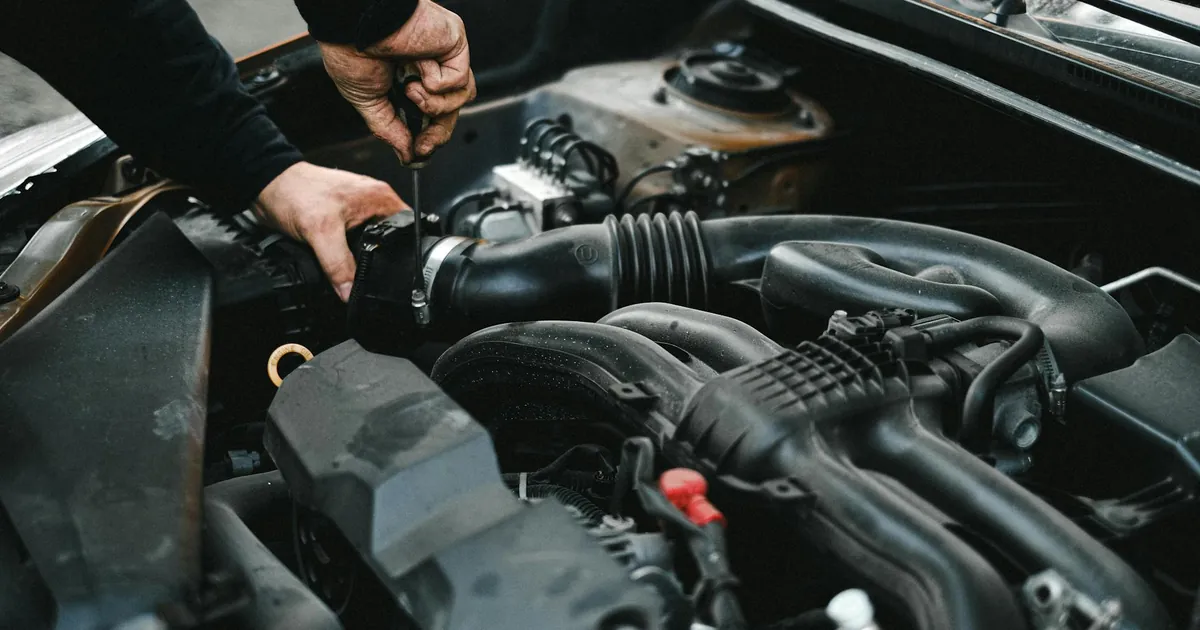
Your car speaks to you in ways you might not always notice—until it’s too late. Those warning signs your car needs immediate repair aren’t just minor annoyances; they’re urgent messages from your vehicle’s mechanical heart, begging for attention before a small issue snowballs into a costly breakdown. Ignoring them could leave you stranded on the side of the road, facing hefty repair bills, or worse, compromising your safety. But how do you distinguish between a harmless quirk and a red flag that demands immediate action? The truth is, many drivers overlook critical symptoms until it’s too late, assuming that strange noises or dashboard lights are just part of the car’s “personality.” This guide will help you decode those warning signs, so you can act before your car’s minor hiccup turns into a full-blown disaster.
What Are Warning Signs Your Car Needs Immediate Repair?
Warning signs your car needs immediate repair are abnormal behaviors, sounds, or visual cues that indicate a serious underlying issue requiring urgent attention. These can range from unusual noises like grinding or squealing to dashboard warning lights, fluid leaks, or performance problems such as stalling or reduced power. Unlike routine maintenance needs, these signs suggest a failure in critical systems—engine, transmission, brakes, or electrical—that could lead to breakdowns, safety hazards, or irreversible damage if ignored. Recognizing them early can save you time, money, and stress.
Unusual Noises That Demand Your Attention
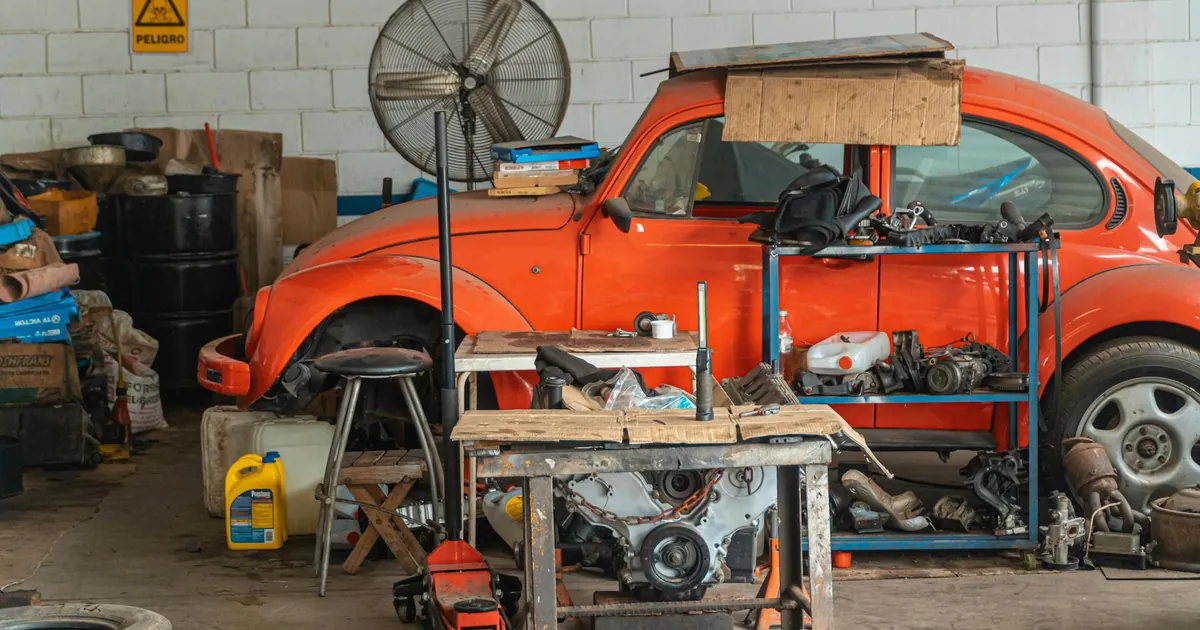
Your car shouldn’t sound like a percussion section in a rock band. If you hear grinding when braking, it’s not just annoying—it’s a cry for help from your brake pads. Worn pads expose metal to metal contact, damaging rotors and compromising stopping power. Similarly, a high-pitched squeal when starting the engine or accelerating often points to a failing serpentine belt, which can snap without warning, leaving you without power steering, cooling, or charging. Don’t dismiss these sounds as “normal” aging; they’re your car’s way of saying, “Fix me now.”
Other noises, like knocking from the engine or a whining transmission, are even more alarming. A persistent knock could signal rod bearing failure, a problem that can destroy your engine if left unchecked. Transmission whining, especially when shifting gears, might indicate low fluid levels or internal wear. These aren’t issues you can “drive through” until your next paycheck. Addressing them immediately could mean the difference between a $200 repair and a $2,000 replacement.
When to Worry About Engine Noises
Not all engine noises are created equal. A ticking sound might be harmless, like a valve lifter needing adjustment, but a deep, rhythmic knock is a ticking time bomb. This often means your engine is running on borrowed time due to low oil pressure or excessive wear. If you hear this, pull over safely and check your oil level. If it’s low, top it off and head straight to a mechanic. Running an engine with low oil is like running a marathon without water—it won’t end well.
Brake Noises You Should Never Ignore
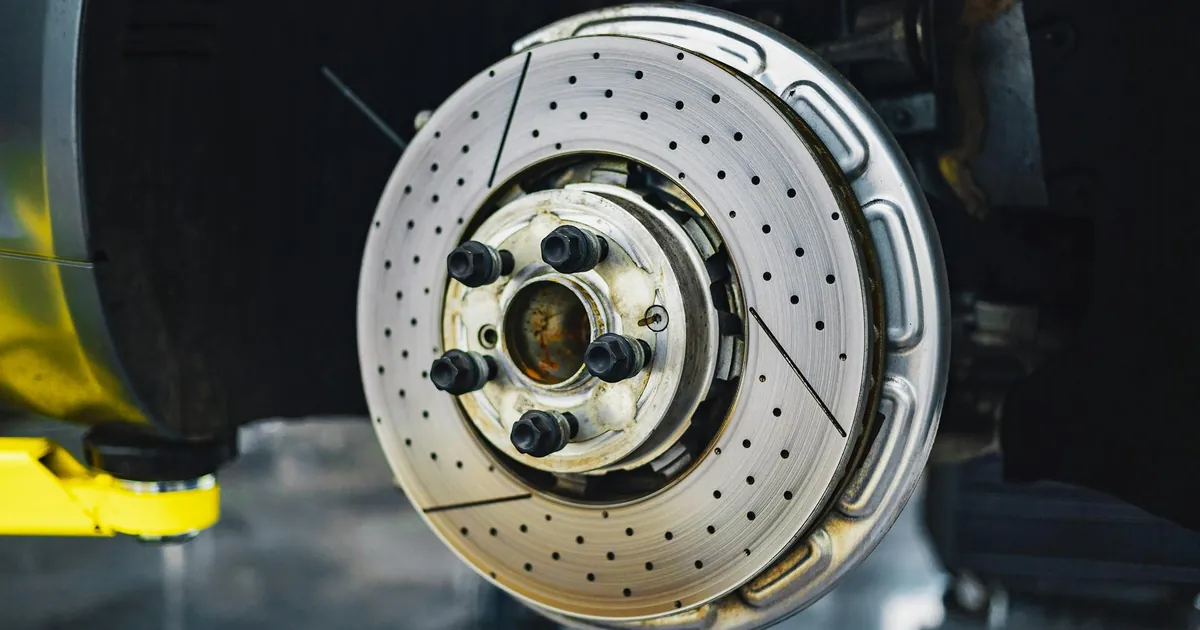
Brakes are your car’s most critical safety feature, and their noises are non-negotiable warning signs. A grinding sound when braking means your pads are completely worn, and metal is scraping against metal. This not only damages rotors but also drastically increases stopping distances. Squeaking or squealing, while less urgent, still indicates pad wear or contamination. If you hear either, schedule a brake inspection within the week. Waiting could turn a $150 pad replacement into a $500 rotor job.
Dashboard Warning Lights: Your Car’s SOS Signals
Modern cars are smarter than ever, and their dashboard warning lights are your first line of defense against major repairs. The check engine light, for example, can illuminate for hundreds of reasons, from a loose gas cap to a failing catalytic converter. While some issues are minor, others—like a misfiring engine—can cause permanent damage if ignored. If your check engine light is flashing, that’s an emergency; it means your engine is misfiring severely, which can overheat and destroy your catalytic converter in minutes.
Other lights, like the battery warning or oil pressure light, are even more critical. A battery light doesn’t just mean your battery is dying; it could indicate a failing alternator, which can leave you stranded when it stops charging. The oil pressure light is a direct threat to your engine’s life. If it comes on, stop driving immediately and check your oil level. Low oil pressure can seize your engine in seconds, turning a simple repair into a total loss.
Decoding the Check Engine Light
The check engine light is notoriously vague, but it’s not a mystery you can afford to ignore. A steady light usually means a non-emergency issue, like a faulty oxygen sensor or evaporative emissions leak. However, a flashing light signals a severe misfire, which can melt your catalytic converter—a repair that often costs over $1,000. If you see this, reduce your speed and avoid heavy acceleration until you can get to a mechanic. Many auto parts stores offer free code scans, which can give you a head start on diagnosing the problem.
When the Battery Light Isn’t Just About the Battery
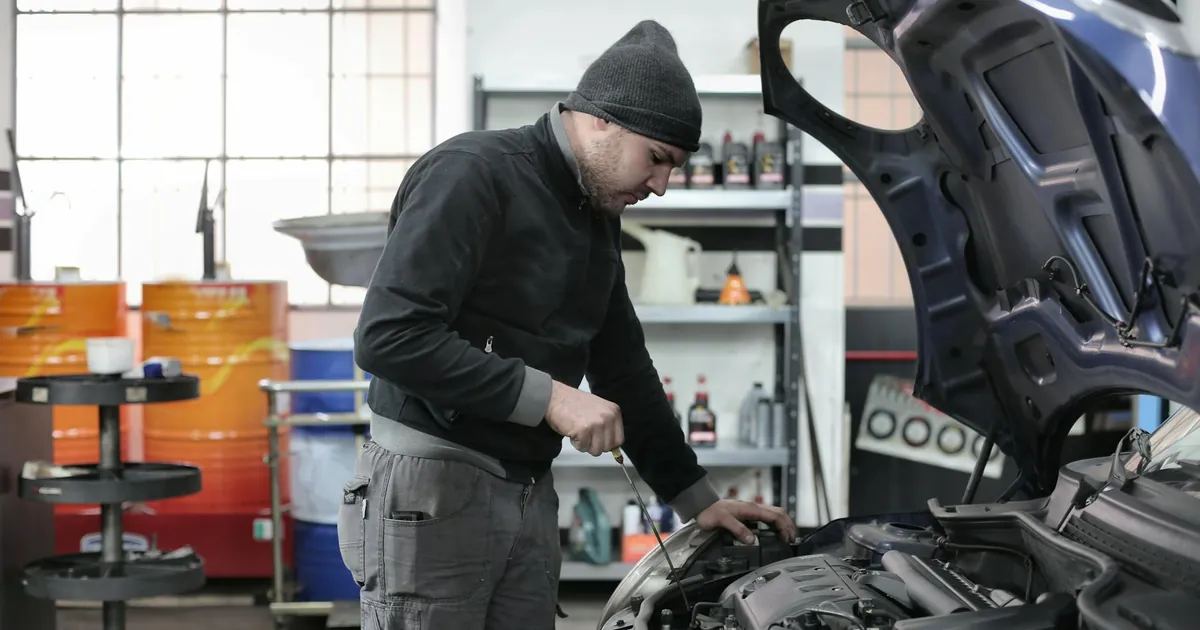
A glowing battery light doesn’t always mean your battery is dead. More often, it indicates a problem with your charging system, like a failing alternator or loose belt. The alternator is responsible for keeping your battery charged and powering your car’s electrical systems. If it fails, your car will run on battery power alone, which typically lasts only 20–30 minutes before stalling. If this light comes on, turn off non-essential electronics (like the radio or A/C) and head to a repair shop immediately. Driving with a failing alternator can damage your battery and other electrical components.
Fluid Leaks: The Silent Killers of Your Car
Puddles under your car aren’t just an eyesore—they’re a sign of trouble. Different fluids have distinct colors and smells, and identifying them can help you pinpoint the issue. Bright green or orange fluid is usually coolant, which could indicate a leaking radiator or hose. Coolant leaks can lead to overheating, which can warp your engine’s cylinder head or blow a head gasket. If you see this, check your coolant level and top it off if needed, but don’t delay repairs. Overheating is one of the fastest ways to destroy an engine.
Dark brown or black fluid is likely engine oil, which could mean a failing gasket or seal. Oil leaks aren’t just messy; they can starve your engine of lubrication, leading to catastrophic failure. Transmission fluid is usually red or brown and has a sweet, slightly burnt smell. A leak here could mean a failing transmission pan or cooler line, both of which can cause your transmission to slip or fail entirely. If you spot any of these leaks, don’t wait—get your car to a mechanic before the problem escalates.
How to Identify Common Fluid Leaks

Not all leaks are created equal, and knowing what you’re dealing with can save you time and money. Here’s a quick guide:
- Coolant: Bright green, orange, or pink; sweet smell. Leaks often come from the radiator, hoses, or water pump.
- Engine Oil: Dark brown or black; slick texture. Common sources include the oil pan gasket, valve cover gasket, or oil filter.
- Transmission Fluid: Red or brown; sweet, slightly burnt smell. Leaks often originate from the transmission pan or cooler lines.
- Brake Fluid: Light yellow or brown; oily texture. Leaks can occur in the brake lines, calipers, or master cylinder.
- Power Steering Fluid: Light brown or red; oily texture. Leaks typically come from the power steering pump or hoses.
If you’re unsure what’s leaking, place a clean piece of cardboard under your car overnight. The color and location of the fluid can help you or your mechanic diagnose the issue quickly.
Why Ignoring Leaks Can Cost You Thousands
Leaks might seem like a minor inconvenience, but they’re often symptoms of larger problems. For example, a small coolant leak can lead to overheating, which can warp your engine’s cylinder head or blow a head gasket. A head gasket repair alone can cost $1,500–$2,500, while a warped cylinder head might require a full engine replacement. Similarly, ignoring a transmission fluid leak can cause your transmission to slip or fail, leading to a repair bill of $2,000–$4,000. The moral? Don’t wait until your car leaves you stranded—address leaks as soon as you spot them.
Performance Issues That Spell Trouble
Your car should accelerate smoothly, shift gears seamlessly, and handle like it did the day you bought it. If it doesn’t, something is wrong. Hesitation or stumbling during acceleration could indicate a failing fuel pump, clogged fuel filter, or dirty fuel injectors. These issues can cause your engine to run lean (too much air, not enough fuel), which can lead to overheating and internal damage. If your car feels sluggish or jerks when accelerating, don’t ignore it—get it checked out before you’re left with a dead engine.
Transmission problems are another major red flag. If your car hesitates or jerks when shifting gears, or if you hear a whining noise from the transmission, it could be a sign of low fluid levels or internal wear. Automatic transmissions are complex and expensive to repair, so catching issues early can save you thousands. Manual transmissions aren’t immune, either; grinding gears or difficulty shifting can indicate a failing clutch or synchro, both of which require immediate attention.
Why Your Car Might Be Stalling or Misfiring

Stalling or misfiring can be caused by a variety of issues, from a faulty spark plug to a failing ignition coil. A misfire occurs when one or more cylinders fail to ignite properly, which can cause your engine to run rough, lose power, or even stall. If left unchecked, misfires can damage your catalytic converter, leading to a costly repair. Stalling, on the other hand, can be caused by a failing fuel pump, clogged fuel filter, or even a bad sensor. If your car stalls frequently, especially at stoplights or when idling, it’s a sign that something is seriously wrong. For more details on common causes and fixes, check out this related article.
Transmission Problems You Can’t Afford to Ignore
Your transmission is one of the most complex and expensive components in your car, and ignoring problems can lead to catastrophic failure. Signs of transmission trouble include slipping gears, delayed engagement, or a burning smell. If your car hesitates when shifting from park to drive, or if it jerks when accelerating, it’s time to see a mechanic. Low fluid levels are a common cause of transmission problems, but if topping off the fluid doesn’t help, you could be looking at internal damage. Transmission repairs can cost thousands, so don’t wait until your car refuses to move—address issues as soon as they arise.
Strange Smells and What They Mean

Your car’s interior should smell like, well, a car—not a chemistry lab. Strange odors are often the first sign of a serious problem, and ignoring them can lead to costly repairs or even safety hazards. A sweet, syrupy smell usually indicates a coolant leak, which can cause your engine to overheat. If you notice this smell, check your coolant level and look for leaks under the car. Coolant leaks can come from the radiator, hoses, or water pump, and they should be addressed immediately to prevent engine damage.
A burning smell, on the other hand, can indicate a variety of issues, from an overheating engine to a failing clutch or brake pads. If the smell is accompanied by smoke, pull over immediately and turn off the engine. Burning rubber or plastic could mean a failing belt or electrical issue, both of which can cause fires if left unchecked. Don’t assume the smell will go away on its own—it’s your car’s way of telling you something is wrong.
When to Worry About Burning Smells
Burning smells can be tricky because they can originate from multiple sources. A burning oil smell often means oil is leaking onto hot engine components, like the exhaust manifold. This can cause smoke and, in extreme cases, a fire. If you smell burning oil, check your oil level and look for leaks. A burning rubber smell could indicate a slipping serpentine belt or failing pulley, while a burning plastic smell might mean an electrical issue, like a short circuit. Both require immediate attention to prevent further damage.
Sweet Smells and Coolant Leaks
A sweet, syrupy smell inside or outside your car is a classic sign of a coolant leak. Coolant, also known as antifreeze, is essential for regulating your engine’s temperature. If it leaks, your engine can overheat, leading to warped cylinder heads, blown head gaskets, or even a seized engine. If you notice this smell, check your coolant level and look for leaks under the car. Common sources include the radiator, hoses, or water pump. If you find a leak, top off the coolant and get your car to a mechanic as soon as possible.
Key Takeaways
- Unusual noises like grinding, squealing, or knocking are urgent warning signs your car needs immediate repair. Ignoring them can lead to costly damage.
- Dashboard warning lights, especially the check engine, battery, or oil pressure lights, should never be ignored. They’re your car’s way of signaling serious problems.
- Fluid leaks, whether coolant, oil, or transmission fluid, can cause catastrophic damage if left unchecked. Identify the fluid and address the leak immediately.
- Performance issues like stalling, misfiring, or transmission problems indicate serious mechanical failures. Don’t wait until your car breaks down to address them.
- Strange smells, like burning oil or sweet coolant, are often the first sign of a major problem. Investigate them right away to prevent further damage.
- Regular maintenance, like oil changes and brake inspections, can help you catch issues early. For more tips, check out this related article on extending your engine’s life.
- When in doubt, consult a professional. Delaying repairs can turn a minor issue into a major expense.
“Cars don’t break down overnight—they give you plenty of warning signs, but most drivers ignore them until it’s too late. The key to avoiding costly repairs is paying attention to the little things: strange noises, dashboard lights, fluid leaks, and performance issues. Addressing these early can save you thousands and keep you safe on the road. Regular maintenance is the best way to catch problems before they escalate, so don’t skip those oil changes or brake inspections. Your car—and your wallet—will thank you.”
— John Davis, ASE-Certified Master Technician and Host of MotorWeek
Frequently Asked Questions
How do I know if my car needs immediate repair?
Your car needs immediate repair if you notice any of the following: unusual noises (grinding, knocking, squealing), dashboard warning lights (especially flashing check engine, oil pressure, or battery lights), fluid leaks, performance issues (stalling, misfiring, transmission problems), or strange smells (burning, sweet, or chemical odors). These signs indicate serious problems that can lead to breakdowns or safety hazards if ignored.
Can I drive my car with the check engine light on?
It depends on whether the light is steady or flashing. A steady check engine light usually indicates a non-emergency issue, like a faulty oxygen sensor or loose gas cap. You can drive short distances, but get it checked soon. A flashing check engine light, however, signals a severe misfire, which can damage your catalytic converter. If you see this, reduce your speed and avoid heavy acceleration until you can get to a mechanic.
What should I do if my car starts making a grinding noise when braking?
If your car makes a grinding noise when braking, it means your brake pads are completely worn, and metal is scraping against metal. This damages your rotors and increases stopping distances. Stop driving immediately and have your brakes inspected. Continuing to drive can turn a $150 pad replacement into a $500 rotor job. For more on common brake issues, check out this related article.
Why is my car leaking fluid, and what should I do?
Fluid leaks can indicate serious problems, depending on the type of fluid. Coolant leaks (bright green or orange) can cause overheating, while oil leaks (dark brown or black) can starve your engine of lubrication. Transmission fluid leaks (red or brown) can lead to transmission failure. If you spot a leak, identify the fluid and check its level. Top it off if needed, but don’t delay repairs. Driving with a leak can cause irreversible damage.
How often should I check my car for warning signs?
You should check your car for warning signs regularly, ideally every time you drive. Pay attention to unusual noises, dashboard lights, fluid levels, and performance issues. Additionally, perform a quick visual inspection under the hood and under the car at least once a month. For a comprehensive maintenance schedule, refer to this related article on how often to service your car.
What’s the most dangerous warning sign to ignore?
The most dangerous warning sign to ignore is the oil pressure light. This light indicates that your engine isn’t receiving proper lubrication, which can cause it to seize in seconds. If this light comes on, stop driving immediately and check your oil level. Low oil pressure can destroy your engine, turning a simple repair into a total loss. Other critical signs include a flashing check engine light, grinding brakes, and coolant leaks.
Can I fix warning signs myself, or should I see a mechanic?
Some warning signs, like a loose gas cap or low fluid levels, can be fixed yourself. However, most issues—like grinding brakes, transmission problems, or engine noises—require professional diagnosis and repair. Attempting DIY fixes without the right tools or knowledge can worsen the problem. When in doubt, consult a mechanic. For basic car care tips, check out this related article.
Your car is more than just a machine—it’s your lifeline to work, family, and freedom. Ignoring warning signs your car needs immediate repair isn’t just risky; it’s a gamble with your safety, your wallet, and your peace of mind. The next time you hear a strange noise, see a dashboard light, or spot a leak, don’t brush it off. Take action before a small problem becomes a major headache. Schedule that inspection, top off those fluids, or call a mechanic. Your future self—and your car—will thank you. And remember, regular maintenance isn’t just about avoiding repairs; it’s about keeping your car running smoothly for years to come. So, what’s the first warning sign you’ll address?