


Mastering an essential bike maintenance checklist for new riders is more than a technical requirement; it is an act of communion between the cyclist and the machine. In 2026, as urban mobility shifts toward sustainable autonomy, understanding the mechanical heartbeat of your bicycle allows for a deeper connection to the road beneath your wheels. When you maintain your bike, you are not merely tightening bolts or cleaning chains; you are practicing a form of mindfulness that ensures your safety and elevates your performance. By learning to look closely at the components that propel you forward, you transform from a passive user into an active pilot. This guide serves as your foundational philosophy for long-term mechanical reliability and the sustained joy of cycling.
The Ritual of the Pre-Ride Check
The pre-ride inspection is the most sacred habit a cyclist can cultivate. Before you even mount your saddle, take a moment to survey the integrity of your tires. In 2026, modern tire compounds offer incredible grip, yet they remain vulnerable to the invisible debris of the city. Use your thumb to apply pressure to the sidewall, ensuring the rubber feels firm and resilient rather than soft or spongy. A well-inflated tire is the primary interface between your kinetic energy and the asphalt, and neglecting this pressure is a slight against the efficiency of your ride. Check for embedded glass or thorns that might wait patiently for the moment you gain momentum.
Beyond the tires, engage your braking system with a firm squeeze. You should feel a progressive resistance that brings the wheel to a complete stop before the lever touches the handlebar. If the travel feels excessive, it is a sign that your cable tension or hydraulic fluid levels require immediate attention. This sensory feedback loop is your first line of defense against the unpredictability of transit. By ritualizing this scan, you develop an intuitive sense of your machine’s health, allowing you to catch minor anomalies before they manifest as mechanical failures during a commute. Consistency here is the hallmark of a rider who respects the journey.
Understanding Drivetrain Health

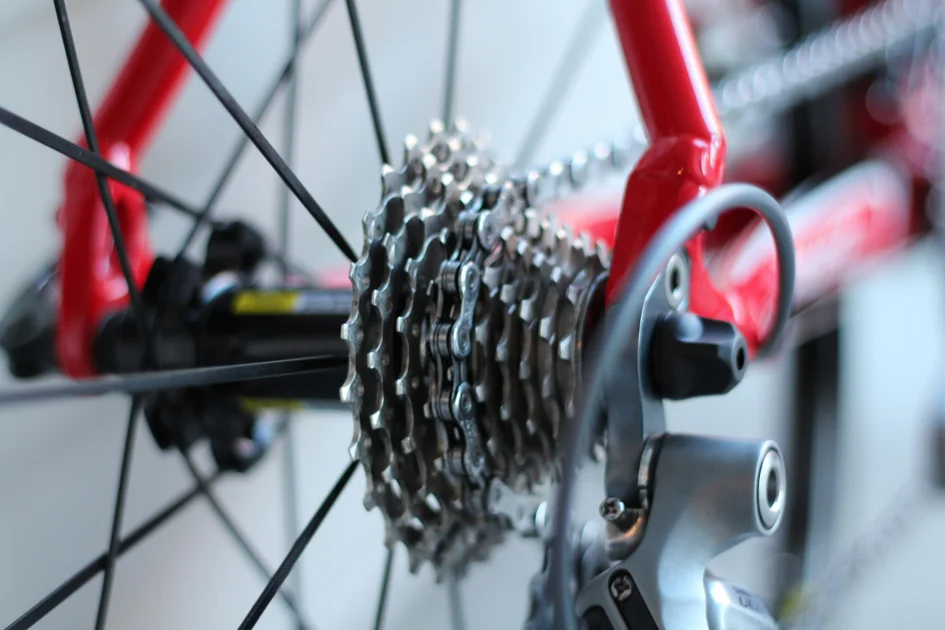
The drivetrain is the engine of your bicycle, a complex assembly of teeth and links that translates your human effort into fluid motion. Keeping your chain clean and lubricated is perhaps the most vital task on any essential bike maintenance checklist for new riders. A dry or rusted chain creates friction, which not only wastes your energy but accelerates the wear on your cassette and chainrings. In the current year of 2026, specialized dry and wet lubricants are engineered for specific climates; choosing the right one for your environment is an act of environmental mastery. Use a clean rag to wipe away the spent grit after every few rides to ensure the metal surfaces remain protected.
When cleaning the drivetrain, observe the movement of the derailleur as you shift through the gears. The transition should be crisp and silent, without the stuttering or grinding that signals poor indexing. If the chain hesitates to climb or drop, the tension in your shift cables has likely drifted. Learning to adjust the barrel adjuster on your rear derailleur is a rite of passage for every cyclist. This simple turn of a plastic dial is your first step toward true mechanical independence. By keeping your drivetrain pristine, you ensure that every watt of power you produce is transferred directly into the road, rewarding you with a smooth, whisper-quiet experience.
Comparison of Maintenance Components
| Component | Entry-Level Option | High-Performance Option | Key Maintenance Note |
|---|---|---|---|
| Chain Lubricant | Standard Mineral Oil | Wax-Based Dry Lube | Clean before re-applying |
| Tire Sealant | Basic Latex Fluid | Fiber-Reinforced Sealant | Refresh every 6 months |
| Brake Pads | Resin/Organic Pads | Metallic/Sintered Pads | Check for pad thickness |
| Tire Pressure | Manual Floor Pump | Digital Pressure Gauge | Check weekly for safety |
| Multi-Tool | Basic Hex Set | Integrated Torque Tool | Use proper torque specs |
The Geometry of Comfort
Ergonomics and Bolt Integrity
A bicycle is only as comfortable as its fit, and your fit is maintained through the integrity of your hardware. Over time, the vibrations of the road can cause bolts to loosen, particularly those holding your handlebars, seat post, and pedals. Every month, perform a comprehensive sweep of these contact points with a set of metric hex keys. Ensure that every bolt is tightened to the manufacturer’s specified torque, which is often printed directly on the component. This prevents the dangerous scenario of a slipping seat post or a shifting handlebar while you are in motion, ensuring your geometry remains stable throughout your ride.
Adjusting your saddle height and handlebar reach is a dynamic process that evolves with your body’s needs. As you grow stronger and more flexible, you may find that subtle changes in your position can alleviate knee pain or wrist fatigue. Do not be afraid to experiment with small, incremental adjustments of only a few millimeters at a time. The goal is to create a seamless extension of your own anatomy, where the bike disappears beneath you. By maintaining these settings with precision, you avoid the long-term strain that often plagues riders who ignore the nuances of ergonomic alignment, fostering a healthier cycling life.
Quick Facts & Statistical Insights
Industry data from 2026 indicates that 70 percent of roadside mechanical failures are preventable with a simple weekly inspection of tire pressure and chain lubrication. Furthermore, riders who perform their own basic maintenance report a 40 percent higher satisfaction rate with their equipment longevity. Expert mechanics suggest that replacing your chain every 1,500 to 2,000 kilometers can save you over 200 dollars in long-term drivetrain replacement costs. Proper tire pressure also decreases rolling resistance by up to 15 percent, significantly improving your overall power efficiency during long-distance rides.
Managing Wear and Tear
Every mechanical system eventually succumbs to entropy, and the bicycle is no exception. Brake pads, tires, and cables are considered consumables, meant to sacrifice themselves to protect the more expensive parts of your frame. Recognizing the signs of wear is a vital skill. For instance, most brake pads feature etched lines on their surface; once these lines disappear, the pad has lost its effective biting surface and must be replaced. Similarly, tires will eventually show a flattened center tread or visible casing threads, signaling that their protective puncture-resistant layer has been compromised. Being proactive with these replacements is far cheaper than dealing with a catastrophic failure.
Do not view these consumable parts as burdensome expenses, but rather as the price of admission for the freedom that cycling provides. When you replace a worn cable, you are essentially installing a new nervous system into your bike, restoring the tactile connection between your hand and the derailleur. In 2026, the availability of high-quality, aftermarket components makes this process easier than ever for the home mechanic. By taking ownership of these replacements, you build a deep reservoir of knowledge that serves you well in any situation, ensuring that your bicycle remains a reliable companion for years of discovery and adventure.
The Philosophy of Professional Service
While self-reliance is a noble pursuit, there is wisdom in knowing when to defer to a professional. A local bike shop is not just a store; it is a community hub staffed by artisans of mechanical craft. Once or twice a year, it is prudent to take your bicycle in for a comprehensive tune-up. A professional mechanic possesses specialized tools and a depth of experience that can identify hidden stresses in your frame or bottom bracket that might be invisible to the untrained eye. This collaborative approach to maintenance ensures that your safety is never left to chance, providing a professional safety net for your own home efforts.
Furthermore, professional mechanics can offer guidance on the latest technological advancements in the industry. Whether it is the integration of electronic shifting or the complexities of modern hydraulic disc brakes, they are the first to encounter the challenges of new hardware. Use these visits to ask questions and learn from their workflow. Observing how a master mechanic handles a difficult repair is a masterclass in patience and precision. By maintaining a relationship with your local shop, you become part of a broader cycling ecosystem, ensuring that you have the resources and support required to pursue your passion with confidence and peace of mind.
Key Takeaways
- Check your tire pressure before every ride to maximize efficiency and puncture protection.
- Clean and lubricate your chain regularly to prevent premature wear on the drivetrain.
- Use a torque wrench to ensure all critical bolts are tightened to manufacturer specifications.
- Learn to identify wear indicators on brake pads and tires to replace them before they fail.
- Schedule an annual professional tune-up to address complex mechanical issues safely.
- Maintain a consistent maintenance log to track when parts were replaced or adjusted.
Frequently Asked Questions
How often should I clean my bike?
For a daily commuter, a quick wipe-down and chain lubrication every two weeks is ideal, though you should clean it immediately after riding in wet or salty conditions to prevent rust.
What is the most important tool for a new rider?
A high-quality multi-tool with a variety of hex keys and a reliable floor pump with a pressure gauge are the two most critical investments for any cyclist.
Can I use household oil for my chain?
Never use household oils like WD-40 or cooking oil, as they attract grit and do not provide the necessary protection for high-friction bicycle components; always use bike-specific lubricants.
How do I know if my chain is worn out?
You can use a simple chain-checker tool, which measures the elongation of the links; if the tool drops into the chain, it is time for a replacement to save your cassette.
Is it safe to ride with low tire pressure?
Riding with low pressure significantly increases the risk of a pinch flat, where the tube is crushed against the rim, and it makes the bike harder to pedal and handle.
Conclusion
Maintaining your bicycle is a meditative process that reinforces the bond between rider and machine. By following this essential bike maintenance checklist for new riders in 2026, you ensure that every journey is defined by confidence rather than anxiety. Whether you are navigating urban streets or exploring quiet country roads, the care you invest today pays dividends in reliability and safety. Treat your bike as a partner in your quest for adventure, and it will reward you with years of faithful service. Keep learning, keep riding, and always stay curious about the mechanics that make your freedom possible.